Afro-Cuban music represents a foundational pillar in global sound, deeply influencing jazz, salsa, and popular music worldwide. Understanding its components, historical lineage, and rhythmic structures is critical for musicians, cultural producers, educators, and anyone aiming to engage with its rich commercial and artistic heritage. This exploration dissects the core elements that define Afro-Cuban music, providing a framework for appreciating its complexity and practical applications, from performance and composition to cultural programming and academic study.
Roots and Rhythms: The Foundation of Afro-Cuban Sound
The genesis of Afro-Cuban music is a complex tapestry woven from two primary cultural threads: the rhythmic and spiritual traditions brought by enslaved West Africans, primarily from the Yoruba, Kongo, and Arará peoples, and the melodic and harmonic structures of Spanish colonial music. This forced synthesis on Cuban soil created a unique musical language.
West African Influence
The indelible mark of West African traditions is evident in the polyrhythmic complexity, call-and-response vocal patterns, and the central role of percussion instruments. Religious practices, particularly Santería (Yoruba-derived) and Palo Monte (Kongo-derived), preserved specific drumming patterns, chants, and ritualistic dances that eventually permeated secular music. The concept of clave, a rhythmic pattern that acts as the music's structural backbone, is a direct descendant of these African rhythmic principles, dictating the pulse and phrasing for all other instruments.
Spanish Colonial Fusion
From Spain, Cuba inherited instruments like the guitar and tres, along with European harmonic conventions, song forms (like the décima), and melodic sensibilities. The fusion wasn't merely additive; it was transformative. African rhythms were adapted to European instruments, and Spanish melodies were recontextualized within polyrhythmic frameworks. This created a fertile ground for new genres that, while distinctly Cuban, carried echoes of both parent cultures.
Key Genres and Their Characteristics
Afro-Cuban music is not monolithic; it encompasses a diverse array of genres, each with its own historical context, instrumentation, and rhythmic identity. Recognizing these distinctions is crucial for authentic interpretation and application.
Son Cubano: The National Sound
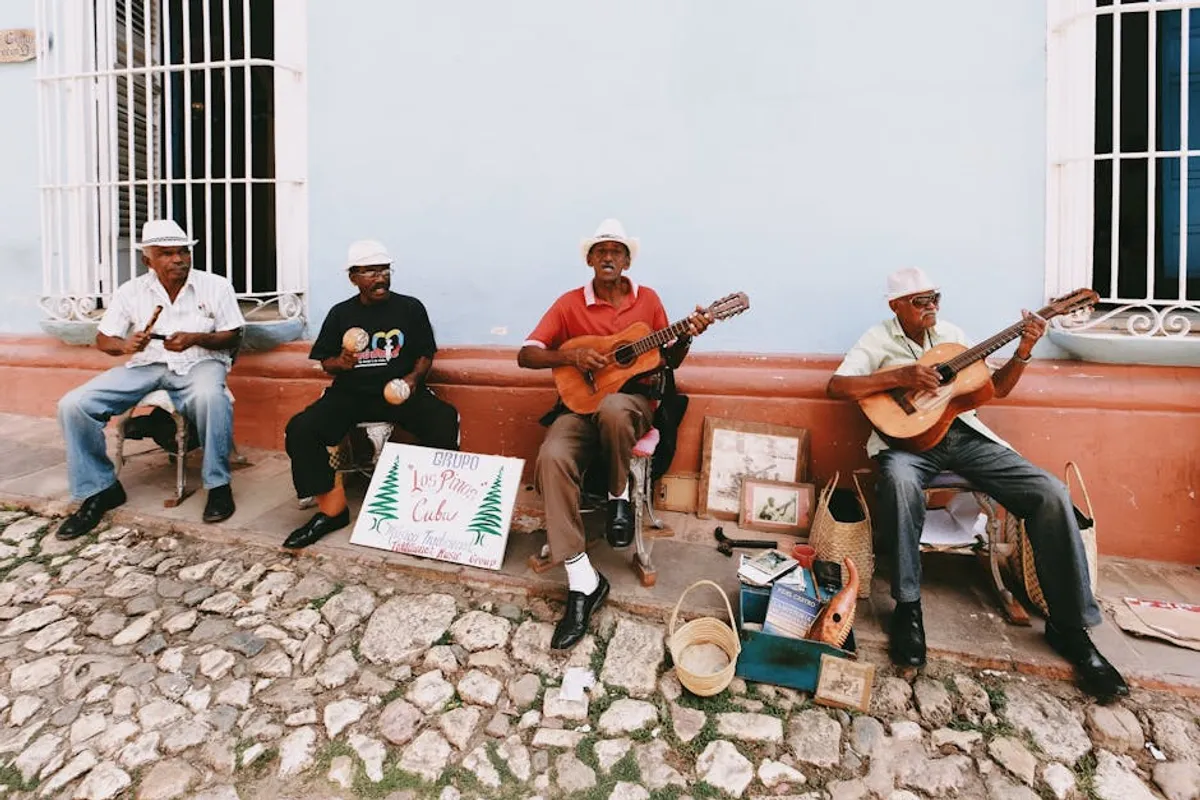
Emerging in the late 19th century, Son Cubano became Cuba’s most influential genre. It typically features a guitar, tres (a Cuban string instrument with three courses of two strings each), bass, bongos, maracas, and clave. Its structure often involves a verse-chorus pattern followed by a montuno section with call-and-response vocals and instrumental improvisation. Son is the direct ancestor of salsa, providing its rhythmic and structural blueprint.
Rumba: Sacred and Secular Percussion
Rumba is a secular, percussive, and vocal genre with deep African roots, distinct from the ballroom dance. It evolved in urban areas among Afro-Cuban communities. Three main styles exist: Yambú (slow, stately, often danced by older couples), Guaguancó (faster, with a "vacunao" pelvic thrust dance move), and Columbia (fast, virtuosic male solo dance). Instrumentation is typically three conga drums (tumbadora, conga, quinto), claves, and a catá (wood block), with lead and chorus vocals.
Mambo and Cha-Cha-Cha: Dance Hall Innovations
These genres gained international prominence in the mid-20th century. Mambo, pioneered by figures like Pérez Prado, is characterized by its fast tempo, brass-heavy arrangements, and extended instrumental sections. Cha-Cha-Cha, created by Enrique Jorrín, emerged from the danzón and is known for its slower, more accessible rhythm, making it highly popular for social dancing. Both demonstrated the commercial viability and global appeal of Cuban rhythmic innovation.
Timba: Modern Cuban Evolution
Timba is a contemporary genre that exploded in Cuba in the 1990s. It takes elements from Son, Rumba, jazz, funk, and even American pop, creating a highly energetic and rhythmically complex sound. Timba bands often feature a full horn section, electric bass, piano, and an expanded percussion section, alongside intricate vocal arrangements and often socially conscious lyrics. Its demanding rhythmic interplay and improvisational sections make it a challenging but rewarding form for musicians.
Instrumentation and Ensemble Dynamics
The characteristic sound of Afro-Cuban music is inseparable from its specific instrumentation and the way these instruments interact to create dense, layered rhythmic and melodic textures.
- Clave: The rhythmic skeleton, played on two wooden sticks, dictating the entire ensemble's pulse. Understanding its pattern (e.g., 2-3 or 3-2 son clave) is fundamental.
- Congas (Tumbadoras): A set of three or more drums, each playing a distinct rhythmic role (tumbadora for bass, conga for mid-range, quinto for improvisation and high-end accents).
- Bongos: A pair of small, high-pitched drums, often used for rhythmic fills and accents, particularly in Son.
- Timbales: Metal-shelled drums played with sticks, providing rhythmic drive, fills, and dramatic breaks, especially prominent in Mambo and Timba.
- Güiro & Maracas: Shaker instruments providing continuous rhythmic texture.
- Bass: Provides harmonic foundation and rhythmic propulsion, often playing syncopated lines that lock with the percussion.
- Piano: Plays montunos (ostinato patterns) that are harmonically and rhythmically integral, often providing the melodic hook.
- Tres: A Cuban guitar-like instrument, essential for its distinctive melodic and rhythmic counterpoint in Son.
- Horn Section: Trumpets, trombones, and saxophones provide melodic lines, harmonic support, and powerful rhythmic punches, particularly in Mambo and Timba.
Pro Tip: Authenticity in Afro-Cuban music production or performance hinges on more than just playing the notes. It requires a deep understanding of the rhythmic interplay, the specific roles of each instrument within the ensemble, and the cultural context of the genres. Superficial imitation often results in a loss of the music's inherent swing and groove.
Commercial and Cultural Relevance Today
Afro-Cuban music continues to be a vibrant force globally. Its rhythmic complexity and infectious energy make it a staple in dance clubs, concert halls, and educational institutions. It is regularly sampled in contemporary music, features prominently in film scores and documentaries, and serves as a cornerstone for salsa and Latin jazz scenes worldwide. The demand for authentic Afro-Cuban musicians, educators, and cultural events remains robust, driven by its enduring appeal and historical significance.
Practical Application and Further Exploration
Engaging with Afro-Cuban music, whether as a performer, producer, or enthusiast, requires dedication to its intricate details. For musicians, studying the clave and its variations is paramount. For producers, understanding the specific sonic qualities and recording techniques for instruments like congas and tres is essential. For cultural programmers, differentiating between genres allows for more precise and engaging event curation. Continued listening, studying historical recordings, and engaging with master practitioners are the most effective pathways to deeper comprehension and successful application.
Frequently Asked Questions
What is the "clave" in Afro-Cuban music?
The clave is a fundamental rhythmic pattern, typically played on two wooden sticks, that serves as the rhythmic guide and structural backbone for most Afro-Cuban genres. All other instruments align their rhythms with the clave.
How did Afro-Cuban music influence other genres?
Afro-Cuban music profoundly influenced jazz through figures like Dizzy Gillespie and Chano Pozo, leading to Latin jazz. It also directly spawned salsa, provided foundational rhythms for many Caribbean and Latin American popular music styles, and continues to be sampled in hip-hop and electronic music.
What are the main differences between Son Cubano and Rumba?
Son Cubano is primarily a song-based genre with a distinct instrumentation including string instruments (tres, guitar, bass) and percussion (bongos, maracas, clave), often performed for social dancing. Rumba is a purely percussive and vocal genre, typically performed with three congas, claves, and a catá, focusing on intricate drumming and often ritualistic or narrative dancing.
Are all Afro-Cuban music styles fast-paced?
No, Afro-Cuban music encompasses a wide range of tempos. While genres like Mambo and Timba can be very fast and energetic, styles like Yambú Rumba are slow and stately, and many Son pieces can be played at moderate tempos, offering diverse rhythmic experiences.