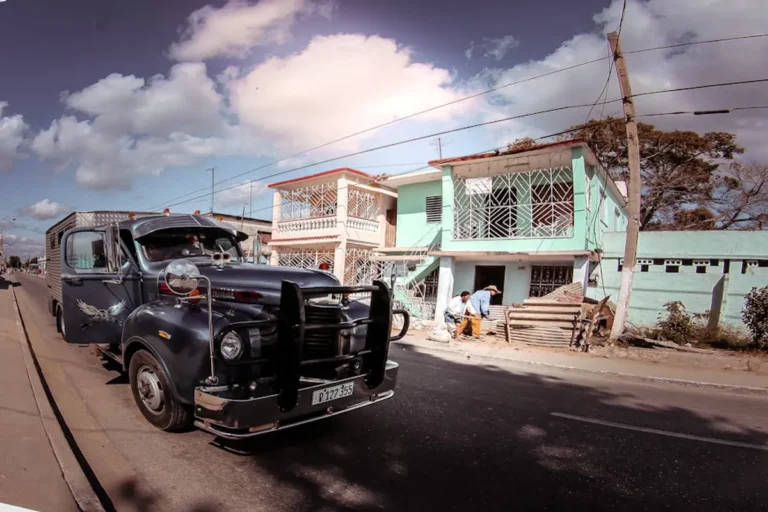
Securing the right talent is foundational to any creative project, whether it's a commercial, a feature film, a music video, or a digital content series. When considering international locations, Cuba presents a distinctive landscape for casting, blending rich cultural heritage with a dedicated artistic community. However, navigating this environment requires specific foresight and an understanding of local practices to ensure a smooth and legally compliant production.
This guide outlines the essential steps and considerations for producers, directors, and casting professionals looking to identify and engage talent in Cuba. It focuses on the practicalities, from understanding the local talent pool to managing legal and logistical challenges, ensuring your project benefits from Cuba's unique offerings while mitigating potential complexities.
Strategic Advantages of Casting in Cuba
Cuba offers several compelling reasons for creative projects seeking distinctive talent and authentic backdrops. The island's cultural depth provides a unique aesthetic and a diverse pool of individuals who can bring a fresh perspective to various roles.
- Diverse Talent Pool: Cuba boasts a strong tradition in performing arts, including highly trained actors from prestigious national schools, accomplished dancers, musicians, and models. This artistic infrastructure cultivates a depth of talent across age groups and physical types, often with a natural screen presence.
- Authentic Visuals and Atmosphere: Beyond individual talent, the local population and environment itself contribute significantly to a project's authenticity. Casting locally ensures a natural fit with Cuban settings, whether urban or rural, enhancing visual storytelling without artificiality.
- Cost Efficiency: While not the sole driver, casting and production costs in Cuba can be significantly lower than in traditional Western markets, particularly for non-union talent or larger groups of extras. This allows for greater creative scope within constrained budgets.
- Unique Cultural Nuances: Cuban talent often brings an inherent understanding of local customs, mannerisms, and expressions. This can be invaluable for projects aiming for cultural authenticity or seeking to portray specific Latin American narratives with genuine depth.
Navigating the Local Talent Landscape
Approaching casting in Cuba requires an understanding of how talent is organized and accessed. Unlike some markets with extensive digital databases, personal networks and local expertise often play a more critical role.
Identifying Talent Pools
Cuba's artistic community is vibrant and well-structured, though not always digitally centralized. Key areas to explore include:
- National Art Schools: Institutions like the Instituto Superior de Arte (ISA) produce highly skilled actors, dancers, and musicians. These individuals often have formal training and professional experience.
- Theater and Dance Companies: Havana, in particular, has numerous professional theater groups and dance ensembles. These provide access to experienced performers with stage presence and discipline.
- Modeling Agencies: A smaller, but growing, number of local agencies represent models for fashion, advertising, and editorial work. These can be a starting point for specific visual requirements.
- Street Casting and Local Networks: For non-professional talent or specific character types, local fixers or production service companies are invaluable. They possess the local knowledge and connections to identify individuals who fit unique briefs, often through community outreach.
Engaging Casting Professionals
Working with a local casting director or a production service company that offers casting services is almost always essential. These professionals are adept at navigating the local scene, understanding cultural nuances, and managing the logistics of auditions and callbacks.
Best for: Projects requiring extensive local knowledge, legal compliance, and efficient talent acquisition.
Pro Tip: When briefing local casting professionals, provide extremely specific character breakdowns, including visual references, personality traits, and any required skills (e.g., specific dance styles, musical instrument proficiency, language fluency). Ambiguity can lead to misinterpretations and wasted time in a market where communication channels may differ from your home country.
Legal and Logistical Frameworks
Foreign productions operating in Cuba must adhere to local regulations concerning permits, visas, and talent engagement. This area demands careful attention to avoid delays or legal issues.
Production Permits and Visas
All foreign film and creative projects require official permits from the Cuban Institute of Cinematographic Art and Industry (ICAIC) or other relevant cultural ministries. This process can be lengthy and requires detailed documentation of your project, crew, and intentions. Similarly, all foreign crew members will need appropriate business visas, typically facilitated by a local production partner.
Talent Contracts and Payments
Engaging Cuban talent requires formal contracts that comply with local labor laws. These contracts should clearly define:
- Scope of work and duration
- Compensation and payment schedule
- Usage rights and intellectual property
- Travel, accommodation, and per diem arrangements
Payment mechanisms can be complex due to international banking restrictions. Often, local production companies act as intermediaries, handling payments in local currency (CUP) or convertible currency (MLC) as permitted. Direct international transfers to individuals may not be feasible.
Intellectual Property and Usage Rights
Ensure your contracts explicitly address the intellectual property rights for performances, images, and any creative contributions from local talent. This is crucial for international distribution and long-term asset management. Consulting with a Cuban legal expert specializing in media law is highly recommended.
Budgeting for Cuban Talent
While often more cost-effective, budgeting for Cuban talent involves more than just daily rates. Producers must account for a range of associated expenses.
Typical Rates and Negotiation
Talent rates vary significantly based on experience, role prominence, and project type. Professional actors, for instance, command higher rates than extras. Rates are typically negotiated on a daily or project basis. Be prepared for negotiations that may involve a local intermediary to ensure fair compensation aligned with local standards.
Hidden Costs and Logistics
Beyond direct compensation, consider:
- Local Transportation: Arranging transport for talent to and from audition locations and sets.
- Meals and Refreshments: Providing catering or per diems during production days.
- Wardrobe and Styling: Costs associated with sourcing or creating costumes locally.
- Agency Fees: If working with a talent agency or casting director, their fees will be additional.
- Permit Fees and Legal Counsel: Essential for compliance, these should be factored into the overall budget.
Cultural Sensitivity and Communication
Successful casting and production in Cuba rely heavily on respectful and effective cross-cultural communication. Patience, flexibility, and an open mind are paramount.
Building Rapport: Personal relationships are highly valued. Taking time to build trust and rapport with talent and local partners fosters a more collaborative and productive environment.
Communication Styles: Direct communication is appreciated, but always delivered with respect. Be prepared for potential language barriers and utilize professional translators where necessary, especially for complex contractual discussions.
Work Ethic and Expectations: While highly professional, the pace and approach to work may differ from Western norms. Flexibility in scheduling and an understanding of local holidays or customs can prevent misunderstandings and maintain positive working relationships.
Streamlining Your Cuban Casting Project
To maximize efficiency and ensure a successful casting process in Cuba, prioritize thorough preparation and local collaboration. Begin by clearly defining your talent needs, then engage a reputable local production services company or casting director with a proven track record. This partnership is your most valuable asset for navigating permits, legal requirements, and the unique cultural landscape. Maintain open communication, allow ample time for each stage of the process, and approach interactions with cultural sensitivity to foster strong working relationships. By investing in these foundational elements, your creative project can effectively tap into Cuba's rich talent pool.
Frequently Asked Questions
What is the typical timeframe for casting in Cuba?
The timeframe varies significantly based on the project's complexity and the specific roles. For principal talent, allow at least 4-6 weeks for initial outreach, auditions, callbacks, and contracting. For larger groups of extras or specialized talent, this could extend further, especially when coordinating with local institutions.
Are there specific restrictions on the types of creative projects allowed in Cuba?
Cuban authorities prioritize projects that align with national cultural values and do not misrepresent the country. Projects involving sensitive political themes or those perceived as exploitative may face scrutiny or denial of permits. It is crucial to have a clear, respectful narrative and engage with local authorities early in the planning phase.
How are payments typically handled for Cuban talent?
Payments are usually processed through a local Cuban production service company, which acts as the official employer or contractor for the talent. This company then pays the talent in local currency (CUP) or MLC, adhering to Cuban labor laws and tax regulations. Direct international payments to individuals are generally not feasible.
What should I look for in a local casting partner?
Seek a partner with extensive experience facilitating foreign productions, a strong network within the Cuban artistic community, and a deep understanding of local legal and logistical requirements. Verify their references and ensure they can provide comprehensive support, from initial casting calls to final contract execution.