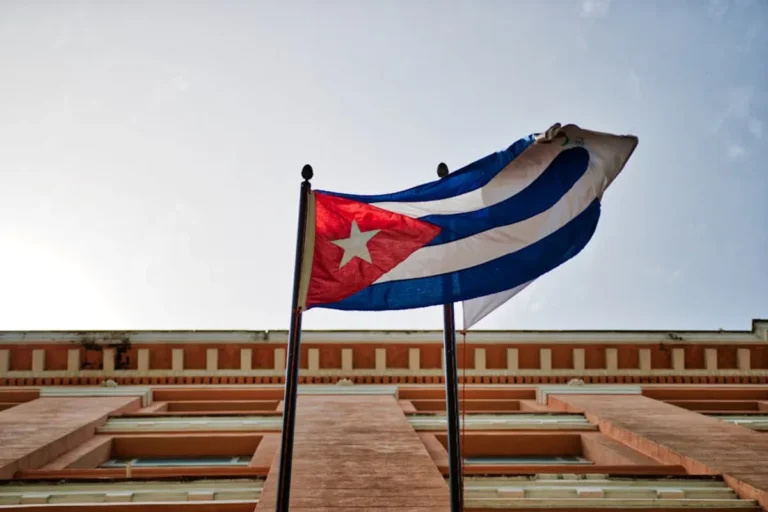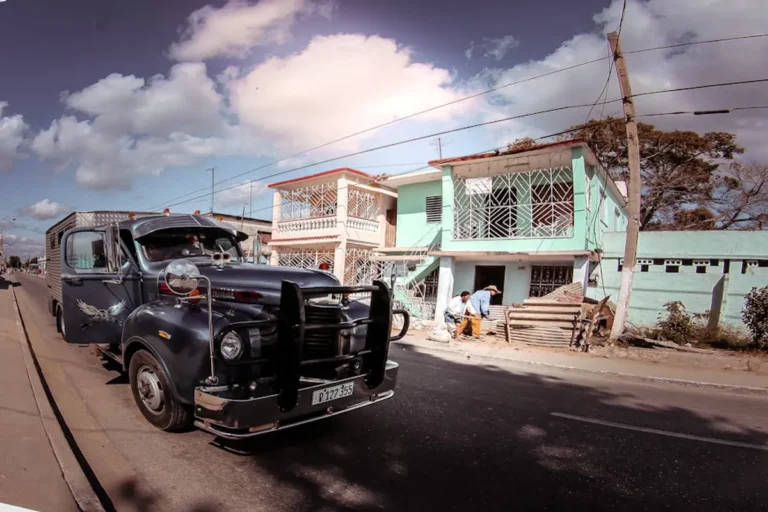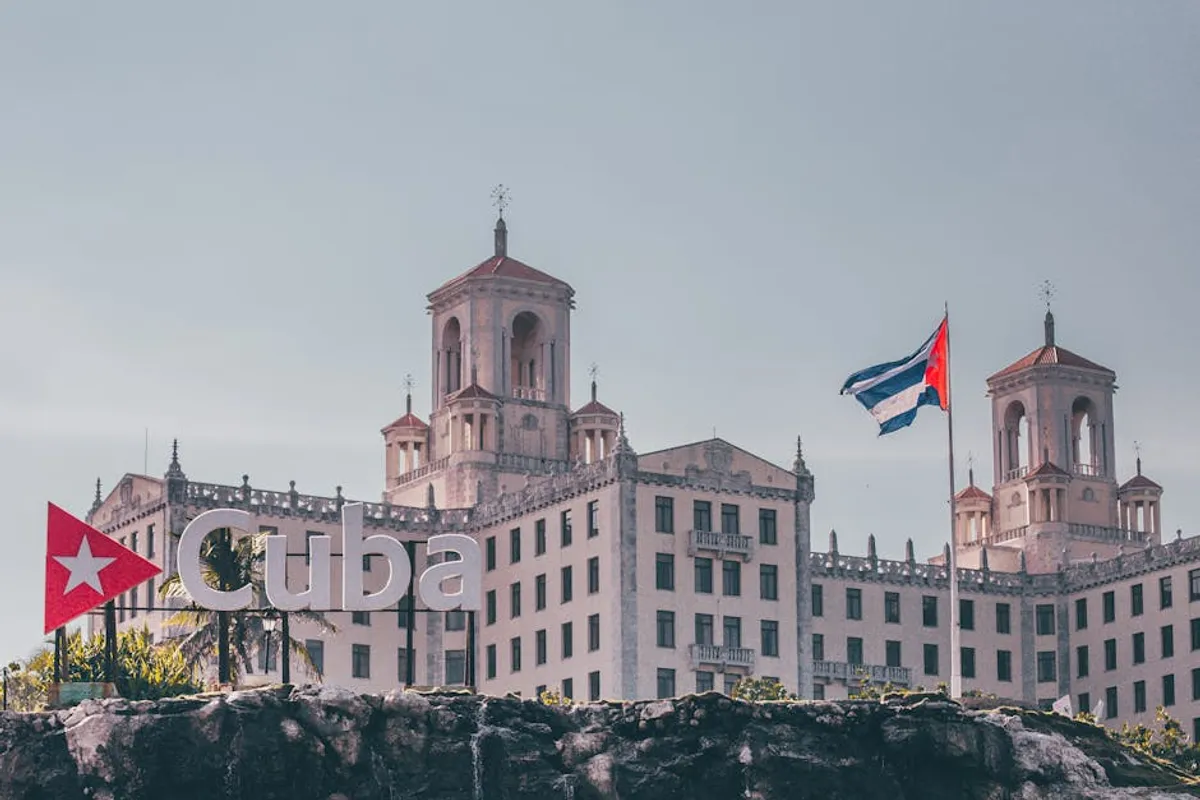
Photographing Cuba offers a unique visual narrative, distinct from many other travel destinations. The country's vibrant street life, colonial architecture, classic automobiles, and resilient culture present an unparalleled opportunity for photographers. However, capturing these scenes effectively and respectfully requires more than just technical skill; it demands an understanding of local customs, legal nuances, and the specific challenges presented by the environment. This guide provides actionable advice for travelers aiming to document their Cuban experience through photography, focusing on preparation, ethical considerations, and practical techniques to maximize visual impact while respecting the local context.
Navigating Ethical Photography in Cuba
The visual richness of Cuba often involves its people and their daily lives. Approaching subjects with respect is paramount, distinguishing a thoughtful photographer from a mere tourist snapping pictures. Ethical considerations extend beyond simple politeness to understanding the local perception of photography and privacy.
Respecting Privacy and Local Customs
Always ask for permission before photographing individuals, especially children. A simple "¿Puedo tomar una foto?" (May I take a photo?) goes a long way. If the answer is no, respect it immediately and move on. Candid street photography can be done subtly, but direct interaction often yields more compelling and authentic portraits. Be mindful of situations that might be sensitive, such as government buildings, military personnel, or areas where people are in distress. In some contexts, taking photos without explicit permission can be seen as intrusive or disrespectful, even if not legally prohibited.
Commercial Photography Regulations
While casual tourist photography is generally permitted, commercial photography or videography often requires specific permits from the Cuban government. Attempting to conduct a professional shoot without authorization can lead to gear confiscation or other legal issues. For travelers, this means being aware that extensive setups, large professional crews, or overt commercial intent might draw unwanted attention. Keep your gear discreet and focus on personal travel documentation rather than projects that could be misconstrued as commercial.
Essential Gear for Cuban Light and Landscapes
Choosing the right equipment can significantly impact your photographic outcomes in Cuba. The environment presents unique challenges, including bright sunlight, potential humidity, and varying light conditions in interiors or at night.
Camera Bodies and Lens Choices
A versatile camera body, whether a mirrorless system or a DSLR, is beneficial. Mirrorless cameras often offer a smaller footprint, making them less conspicuous for street photography. For lenses, consider a versatile zoom lens (e.g., 24-70mm or 24-105mm equivalent) for general street scenes and landscapes. A fast prime lens (e.g., 35mm or 50mm with an aperture of f/1.8 or f/1.4) is invaluable for low-light conditions, creating shallow depth of field for portraits, and offering a more intimate perspective. Telephoto lenses (e.g., 70-200mm) can be useful for capturing details from a distance or compressing scenes, but their bulk might be a disadvantage in crowded areas.
Best for: Versatility and discretion – a mirrorless camera with a standard zoom and a fast prime lens.
Power, Storage, and Protection
Reliable power sources are critical. Bring multiple spare batteries for your camera, as power outages can occur, and charging opportunities might be limited, especially outside major cities. A portable power bank for charging phones or smaller devices is also advisable. For storage, pack several high-capacity memory cards; do not rely solely on one. Humidity and dust can be prevalent, so a weather-sealed camera body and lenses are advantageous. Otherwise, carry a rain cover or plastic bags to protect your gear from sudden downpours or sea spray. A small, lightweight tripod can be useful for long exposures or low-light architecture shots, but its utility might be limited in bustling street environments.
Pro Tip: Cuba's tropical climate means high temperatures and humidity. Batteries drain faster in heat, so keep spares in a cool, shaded place. Also, be wary of condensation when moving cameras between air-conditioned spaces and the warm, humid outdoors. Allow your gear to acclimate slowly to prevent fogging and potential internal damage.
Mastering Composition and Light in Cuban Settings
Cuba's visual appeal lies in its rich textures, vibrant colors, and dynamic light. Understanding how to use these elements in your composition elevates your photography beyond simple snapshots.
Capturing Vibrant Street Scenes
Street photography in Cuba thrives on anticipation and observation. Look for moments of interaction, unique characters, and the interplay of light and shadow on weathered facades. The "golden hour" (shortly after sunrise and before sunset) casts a warm, soft light that enhances the colors of buildings and provides flattering light for portraits. Use leading lines from colonial architecture or classic car formations to draw the viewer's eye through the frame. Look for reflections in puddles or shop windows to add depth and interest.
Architectural Details and Classic Cars
The peeling paint, intricate ironwork, and faded grandeur of Cuban architecture offer endless photographic opportunities. Focus on details—a specific doorway, a balcony, or the texture of a wall. When photographing classic cars, consider their context. Frame them against a historic building or with people interacting nearby to tell a richer story. Experiment with different angles; shooting from a low perspective can emphasize their iconic presence, while a higher vantage point can show them as part of the broader streetscape.
Engaging with Subjects: Beyond the Lens
The most memorable photographs often involve human connection. In Cuba, this means moving beyond a transactional approach to photography.
Building Rapport and Seeking Consent
Before raising your camera, engage with people. A smile, a friendly greeting, or a few words in Spanish can break the ice. Show genuine interest in the person or scene. If you ask to take a photo, and they agree, take a moment to chat if possible. Offering to show them the picture on your camera's screen can also build rapport and make the interaction more personal. This approach not only yields better photographs but also enriches your travel experience.
Navigating Requests for Payment
It is common for some individuals, particularly performers or those in tourist-heavy areas, to ask for a small tip in exchange for a photo. This is part of the local economy in certain contexts. Be prepared to offer a small amount (e.g., 1 CUC or 100 CUP) if you've explicitly requested a portrait and they expect payment. However, avoid feeling obligated to pay for every photo, especially candid street shots where no direct interaction occurred. Use your judgment and comfort level. Always carry small denominations of local currency for such instances.
Maximizing Your Photographic Journey
To truly capture the essence of Cuba, blend technical skill with an open mind and a respectful approach. Your photographs will reflect not just what you saw, but how you engaged with the place and its people. Prioritize observation, patience, and cultural sensitivity over simply accumulating images.
- Learn Basic Spanish Phrases: Essential for asking permission and engaging with locals.
- Carry Small Bills: Useful for tips or small purchases, especially when photographing individuals.
- Protect Your Gear: Humidity, dust, and potential rain necessitate proper camera protection.
- Back Up Regularly: Transfer photos to a hard drive or cloud storage whenever possible.
- Be Flexible: Plans can change; embrace the unexpected photographic opportunities that arise.
- Observe and Anticipate: Look for unfolding stories and anticipate moments before they happen.
Common Photography Questions for Cuba Travelers
Is it always necessary to ask permission before photographing people in Cuba?
While not legally required for every candid shot in public spaces, it is highly recommended to ask permission, especially for close-up portraits or when photographing children. This shows respect and often results in more genuine and relaxed expressions from your subjects.
Are there restrictions on using drones for photography in Cuba?
Yes, drone use in Cuba is heavily restricted and generally requires specific permits that are difficult for tourists to obtain. Attempting to fly a drone without proper authorization can lead to confiscation and legal issues. It is advisable to leave drones at home.
What is the best time of day for photography in Cuba?
The "golden hour" (the hour after sunrise and the hour before sunset) provides the softest, most flattering light, enhancing colors and textures. Midday sun can be harsh, creating strong shadows, but can also be used creatively for high-contrast images. Early mornings are also excellent for capturing street life before it gets too crowded.
Should I bring a lot of expensive camera gear to Cuba?
While professional gear can yield high-quality images, consider the trade-off with discretion and security. A more compact setup (e.g., a mirrorless camera with a couple of versatile lenses) is often less conspicuous and easier to manage, reducing the likelihood of drawing unwanted attention. Prioritize essential gear that offers flexibility.