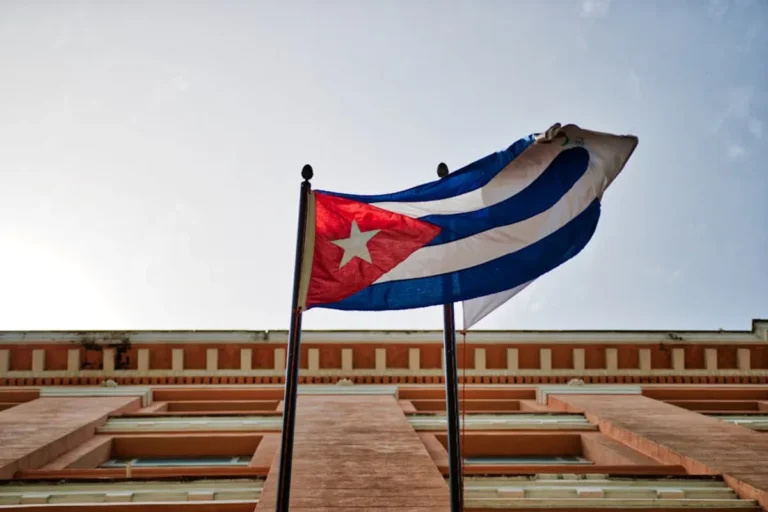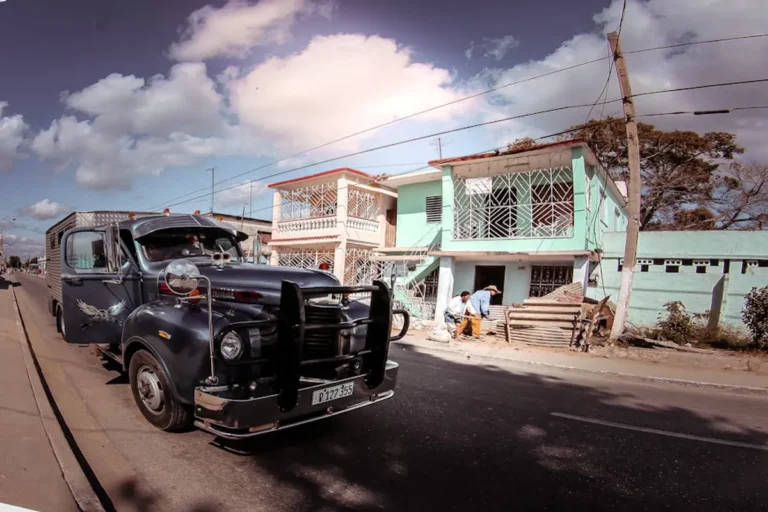
Havana, a city steeped in history and vibrant culture, offers an unparalleled visual tapestry for photographers. Identifying the most impactful photo spots is crucial for maximizing content creation, whether for travel blogs, marketing campaigns, or visual storytelling. This guide outlines key locations across the city, detailing their unique photographic potential, optimal shooting conditions, and practical considerations for capturing compelling imagery.
Preparing for Your Havana Photography Expedition
Effective photography in Havana requires more than just a camera; it demands an understanding of light, local dynamics, and logistical planning. Consider the following before embarking:
- Golden Hour Advantage: Havana’s light is particularly rich during sunrise and sunset. The low angle of the sun enhances the textures of colonial architecture and casts long, dramatic shadows, ideal for street scenes and portraits. Midday sun can be harsh, creating strong contrasts, but can be managed with fill flash or by seeking shaded areas.
- Permission and Etiquette: Always ask for permission before photographing individuals, especially in residential areas or when people are engaged in daily activities. A polite "permiso para una foto?" (permission for a photo?) goes a long way. Be prepared for some individuals to request a small payment, particularly if they are performing or posing.
- Gear Considerations: A versatile lens (e.g., 24-70mm or 24-105mm equivalent) is highly recommended for capturing both wide streetscapes and detailed portraits. A telephoto lens can be useful for candid shots from a distance, while a wide-angle lens excels in tight alleys or grand plazas. Consider a polarizing filter to manage reflections and enhance sky saturation, and neutral density filters for long exposures, particularly along the Malecón.
- Logistics and Safety: Havana is generally safe, but common sense precautions apply. Keep your gear secure and be aware of your surroundings, especially in crowded areas. Taxis, both classic cars and modern vehicles, are readily available, as are shared colectivos. Walking is often the best way to discover hidden gems, but be prepared for uneven sidewalks and heat.
- Battery and Storage: With so many photo opportunities, battery life and memory card space can quickly become limiting factors. Carry extra batteries and sufficient storage. Portable power banks are also beneficial for charging phones or smaller devices.
1. Old Havana (Habana Vieja)
Old Havana, a UNESCO World Heritage site, is a labyrinth of colonial architecture, bustling plazas, and narrow cobblestone streets. Its photographic appeal lies in the layers of history, the vibrant decay of its buildings, and the constant street life. Every corner reveals a new scene, from laundry hanging across balconies to classic cars parked alongside crumbling facades. The area offers endless opportunities for architectural details, candid street portraits, and dynamic urban landscapes.
Best for: Street photography, architectural details, candid portraits, historical documentation, urban landscapes.
Pros:
- Dense concentration of visually rich subjects.
- Excellent for capturing authentic Cuban daily life.
- Varied light conditions throughout the day, from dramatic shadows in alleys to bright plaza scenes.
- Numerous iconic landmarks within walking distance.
Cons:
- Can be extremely crowded, especially around major plazas and tourist attractions.
- Navigating narrow streets with gear can be challenging.
- Direct sunlight can create harsh contrasts in midday.
Verdict: Indispensable for any Havana photo expedition, Old Havana delivers an unparalleled density of compelling subjects, making it a primary focus for capturing the city's essence.
2. El Malecón
The Malecón, Havana's iconic seawall promenade, stretches for 8 kilometers along the coast, offering dramatic ocean views and a unique social stage. It's a place where locals gather, fish, socialize, and escape the city''s heat. Photographically, it excels at capturing seascapes, particularly during stormy weather when waves crash over the wall, and during sunset, when the sky explodes with color behind silhouetted figures and classic cars. The texture of the weathered wall itself, combined with the vastness of the ocean, provides a powerful backdrop.
Best for: Seascapes, sunset photography, candid portraits, long exposures of waves, classic car photography.
Pros:
- Expansive views of the ocean and city skyline.
- Dynamic subject matter, especially during high tide or sunset.
- Accessible and offers a long stretch for varied compositions.
- Excellent for capturing the social fabric of Havana.
Cons:
- Can be very windy, requiring stable camera support.
- Limited shade, making midday photography challenging.
- Crowds can be significant, especially in the evenings.
Verdict: A must-visit for its expansive vistas and vibrant social scene, the Malecón provides a powerful counterpoint to Old Havana's enclosed streets, especially at golden hour.
3. Plaza Vieja
Plaza Vieja, or Old Square, is one of Old Havana's most architecturally diverse and lively public spaces. Restored colonial buildings in various styles, including Baroque and Art Nouveau, surround the square. Its central fountain, vibrant cafes, and street performers create a dynamic atmosphere. The square’s open layout allows for wide-angle shots capturing the grandeur of the architecture, while its details offer opportunities for close-ups of facades, balconies, and intricate ironwork. The light here can be particularly beautiful in the late afternoon, illuminating the colorful buildings.
Best for: Architectural photography, street scenes, candid photography of daily life, cafe culture, wide-angle urban landscapes.
Pros:
- Stunning, well-preserved architecture.
- Lively atmosphere with constant activity.
- Good light in the late afternoon.
- Plenty of cafes for resting and observing.
Cons:
- Very popular with tourists, leading to crowds.
- Can be challenging to isolate subjects without distractions.
- Midday sun can be harsh on the open square.
Verdict: A prime location for capturing Havana's architectural splendor and bustling public life, offering both grand vistas and intimate details within a contained, vibrant space.
4. Capitolio Nacional
The Capitolio Nacional, an imposing neoclassical building reminiscent of the U.S. Capitol, dominates the city's skyline and serves as a powerful symbol of Havana. Its grand scale, intricate details, and surrounding gardens offer numerous photographic angles. The building's dome provides a strong focal point, especially when framed against the clear blue sky or during sunset. The classic cars often parked nearby add a quintessential Cuban element, creating compelling juxtapositions of grandeur and everyday life. Interior shots, when permitted, reveal opulent marble and ornate decor.
Best for: Architectural photography, landmark photography, urban landscapes, classic car backdrops, historical symbolism.
Pros:
- Iconic and instantly recognizable landmark.
- Impressive scale and architectural detail.
- Often surrounded by classic cars, enhancing the Cuban aesthetic.
- Good for both wide-angle and telephoto compositions.
Cons:
- Can be difficult to capture its full scale without distortion from close up.
- Surrounding traffic and crowds can be a challenge.
- Lighting can be flat on overcast days, diminishing its impact.
Verdict: Essential for capturing Havana's monumental architecture and historical gravitas, the Capitolio offers a grand, recognizable backdrop for a variety of photographic styles.
5. Fusterlandia
Located in the Jaimanitas neighborhood, Fusterlandia is the whimsical creation of artist José Fuster, transforming an entire community into a vibrant, mosaic-covered wonderland. Houses, walls, and public spaces are adorned with colorful tiles, sculptures, and fantastical figures, reminiscent of Gaudí's work in Barcelona. This location is a riot of color and texture, offering unique opportunities for abstract photography, environmental portraits, and playful compositions. The light here interacts dynamically with the reflective surfaces of the mosaics.
Best for: Abstract photography, vibrant color studies, environmental portraits, unique architectural details, creative and playful compositions.
Pros:
- Extremely unique and visually distinctive.
- Constant source of color and texture.
- Offers a stark contrast to the colonial architecture of Old Havana.
- Engaging for both wide shots and intricate details.
Cons:
- Located outside the city center, requiring transportation.
- Can be crowded, especially the main studio area.
- Overcast days might dull the vibrancy of the colors.
Verdict: A visually arresting and highly unique location, Fusterlandia provides a refreshing burst of color and artistic expression, perfect for photographers seeking something beyond traditional Havana scenes.
6. Callejon de Hamel
Callejon de Hamel is a narrow alley in the Cayo Hueso neighborhood, renowned as a vibrant hub of Afro-Cuban culture and art. It's an outdoor gallery adorned with murals, sculptures, and found objects, all pulsating with spiritual and cultural significance. Sundays are particularly active, with Rumba performances and ceremonies, offering dynamic opportunities for capturing movement, music, and cultural expression. The alley's confined space, combined with its intense colors and textures, creates a powerful, immersive photographic experience.
Best for: Cultural photography, street art, candid portraits, event photography (especially Sundays), documentary photography.
Pros:
- Rich in cultural context and artistic expression.
- Vibrant colors and unique installations.
- Dynamic atmosphere, especially during Sunday Rumba.
- Offers a distinct perspective on Havana's diverse heritage.
Cons:
- Can be very crowded, making compositions challenging.
- Lighting can be uneven due to the narrowness of the alley.
- Respect for local customs and privacy is paramount.
Verdict: An essential spot for cultural immersion and vibrant street photography, Callejon de Hamel provides a powerful, authentic glimpse into Afro-Cuban traditions and artistic energy.
7. Cementerio de Colón
The Cementerio de Colón, or Colón Cemetery, is one of the largest and most historically significant cemeteries in the Americas. Its vast expanse is filled with elaborate marble mausoleums, intricate sculptures, and grand monuments, reflecting a range of architectural styles from neoclassical to Art Deco. The cemetery offers a serene yet visually rich environment for architectural photography, detailed studies of sculpture, and contemplative landscapes. The play of light and shadow among the tombs, particularly in the early morning or late afternoon, creates a dramatic and ethereal atmosphere.
Best for: Architectural photography, sculpture details, contemplative landscapes, historical documentation, unique portrait backdrops.
Pros:
- Stunning and diverse funerary architecture.
- Quiet and contemplative atmosphere, contrasting with city bustle.
- Excellent for detailed macro shots of marble and carvings.
- Offers a unique historical and cultural perspective.
Cons:
- Requires respectful and discreet photography.
- Can be very large, requiring significant walking.
- Midday light can be harsh on white marble, creating blown-out highlights.
Verdict: A profoundly beautiful and historically significant location, Cementerio de Colón offers a unique photographic experience for those interested in architecture, sculpture, and quiet reflection.
8. Plaza de la Revolución
Plaza de la Revolución is Havana's largest public square and a site of immense historical and political importance. Dominated by the José Martí Memorial tower and the iconic steel outline of Che Guevara's face on the Ministry of Interior building, it's a powerful symbol of the Cuban Revolution. Photographically, it's best for capturing grand scale and political symbolism. Wide-angle lenses are essential to encompass the vastness of the square and its prominent monuments. The starkness of the architecture and the open space lend themselves to minimalist compositions or dramatic skies.
Best for: Monumental photography, historical landmarks, political symbolism, wide-angle urban landscapes.
Pros:
- Iconic and historically significant landmarks.
- Vast open space allows for grand compositions.
- Powerful visual symbols of the Cuban Revolution.
- Good for capturing clean, architectural lines.
Cons:
- Can feel somewhat austere and lacking in vibrant street life.
- Limited visual variety beyond the main monuments.
- Midday sun can be very harsh on the open square.
Verdict: Essential for documenting Havana's revolutionary history and monumental scale, the Plaza de la Revolución offers a powerful, if somewhat stark, photographic statement.
9. Hotel Nacional de Cuba
Perched on a hill overlooking the Malecón, the Hotel Nacional de Cuba is an architectural gem and a landmark of Havana's pre-revolutionary glamour. Its Art Deco and Neoclassical design, lush gardens, and ocean views make it a compelling subject. Photographically, the hotel offers opportunities for capturing elegant architecture, detailed interiors (lobby, bar areas), and panoramic vistas of the Malecón and the city. The grounds are beautifully maintained, providing a contrast to the city's more weathered areas. The canons from the historic Santa Clara Battery on the grounds add another layer of historical interest.
Best for: Architectural photography, panoramic cityscapes, historical interiors, garden photography, classic car backdrops (often parked at the entrance).
Pros:
- Elegant architecture and opulent interiors.
- Panoramic views of the Malecón and ocean.
- Beautifully maintained gardens and historical artifacts.
- Offers a glimpse into Havana's glamorous past.
Cons:
- Requires discretion when photographing inside.
- Can be busy with hotel guests and tourists.
- Some areas may have restricted access.
Verdict: A superb location for capturing Havana's elegant side and panoramic views, the Hotel Nacional offers a blend of architectural beauty, historical significance, and scenic backdrops.
10. Playas del Este
A short drive east of Havana, Playas del Este offers a refreshing change of scenery from the urban core. This stretch of white sand beaches, including Santa María del Mar and Varadero, provides a quintessential Caribbean backdrop. Photographically, it's ideal for capturing classic beach scenes: turquoise waters, palm trees, and relaxed coastal life. Sunrise and sunset over the ocean are particularly stunning, offering soft light and dramatic skies. This area also provides opportunities for capturing local beach culture, from vendors to families enjoying the sun.
Best for: Landscape photography, beach scenes, sunrise/sunset over the ocean, coastal lifestyle, relaxed portraits.
Pros:
- Classic Caribbean beach aesthetic.
- Excellent for capturing natural light and vibrant colors.
- Offers a relaxed contrast to the city's intensity.
- Opportunities for wide-angle seascapes and detailed beach life.
Cons:
- Requires transportation from central Havana.
- Can be crowded, especially on weekends.
- Harsh midday sun can be challenging for photography.
Verdict: For photographers seeking a classic Caribbean landscape, Playas del Este provides a beautiful, sun-drenched escape and a distinct photographic narrative away from the city's historical core.
11. La Fábrica de Arte Cubano (FAC)
La Fábrica de Arte Cubano (FAC) is a dynamic cultural center housed in a former cooking oil factory, blending art gallery, concert venue, cinema, and restaurant spaces. Its industrial architecture, combined with contemporary art installations and a vibrant, youthful crowd, creates a unique photographic environment. The interplay of raw concrete, exposed brick, and modern art offers a wealth of textures and compositions. Evening photography here is particularly rewarding, capturing the mood of live performances and the interaction of light and shadow with the art. It represents a modern, evolving side of Havana's cultural scene.
Best for: Contemporary art photography, architectural interiors, event photography, capturing modern Cuban culture, low-light and mood photography.
Pros:
- Unique industrial aesthetic combined with contemporary art.
- Dynamic and evolving art installations.
- Vibrant atmosphere, especially in the evenings.
- Offers a modern contrast to traditional Havana.
Cons:
- Can be very dark in some areas, requiring high ISO capabilities.
- Crowds can make capturing clean shots difficult.
- Photography of specific art pieces may have restrictions.
Verdict: A fascinating location for capturing Havana's contemporary art and nightlife, FAC provides a visually rich, modern counterpoint to the city's historical sites, ideal for dynamic, low-light photography.
12. El Cristo de La Habana
The Christ of Havana statue, a massive marble sculpture of Jesus Christ, stands on a hilltop overlooking the entrance to Havana Bay. Created by Cuban sculptor Jilma Madera, it offers breathtaking panoramic views of Old Havana, the Malecón, and the surrounding coastline. Photographically, its primary appeal lies in these expansive vistas, particularly during sunset when the city lights begin to twinkle and the sky is awash with color. The statue itself can be a powerful foreground element, framing the city below. It's a prime spot for wide-angle cityscapes and capturing the scale of Havana from above.
Best for: Panoramic cityscapes, sunset photography, wide-angle landscapes, iconic landmark framing.
Pros:
- Unparalleled panoramic views of Havana.
- Iconic statue provides a strong focal point.
- Excellent for capturing the city's layout and major landmarks.
- Dramatic light during golden hour.
Cons:
- Requires transportation across the bay (e.g., ferry or taxi).
- Can be windy, requiring stable camera support.
- Limited compositional variety beyond the main view.
Verdict: Essential for capturing sweeping, iconic views of Havana, El Cristo provides a commanding perspective that perfectly frames the city's historical core and coastline, especially at sunset.
Maximizing Your Photographic Output in Havana
Successful photographic expeditions in Havana extend beyond identifying locations; they involve strategic planning and an adaptive approach. Consider grouping nearby spots to optimize travel time and light conditions. For instance, combine Plaza Vieja with other Old Havana squares in the morning, then move to the Malecón for sunset. Always anticipate the light—knowing when a location receives optimal illumination is key to capturing its best features. Engage with locals respectfully; many of the most compelling images come from authentic interactions. Finally, review your shots regularly. This allows for immediate adjustments to exposure, composition, or location choices, ensuring a consistently high output of commercially viable and visually impactful imagery.
Frequently Asked Questions About Photography in Havana
Q: Is it safe to carry expensive camera gear in Havana?
A: Havana is generally safe, but like any major city, exercise caution. Keep your gear secure, especially in crowded areas. Avoid displaying expensive equipment unnecessarily. Using a discreet camera bag and being aware of your surroundings are good practices.
Q: Do I need special permits to photograph in public places?
A: Generally, no special permits are required for personal photography in public spaces. However, for commercial shoots or professional productions, it is advisable to seek official permissions through local contacts or production companies. Always ask permission before photographing individuals.
Q: What's the best time of day for photography in Havana?
A: The "golden hours" (shortly after sunrise and before sunset) offer the softest, most flattering light, ideal for street scenes, portraits, and architectural details. Early mornings also tend to be less crowded. Midday sun can be harsh, but can be used for dramatic high-contrast shots or by seeking shade.
Q: Can I photograph classic cars?
A: Yes, classic cars are ubiquitous and a popular subject. Often, drivers are happy for you to photograph their cars, especially if you ask politely. Some may even pose for a small tip, particularly if they are waiting for fares.
Q: What kind of lenses should I bring?
A: A versatile zoom lens (e.g., 24-70mm or 24-105mm) is excellent for general use. A wide-angle lens (e.g., 16-35mm) is great for expansive plazas and architecture. A prime lens (e.g., 50mm or 35mm) with a wide aperture is beneficial for low-light conditions and creating bokeh for portraits. A telephoto lens (e.g., 70-200mm) can be useful for candid street shots and isolating details.