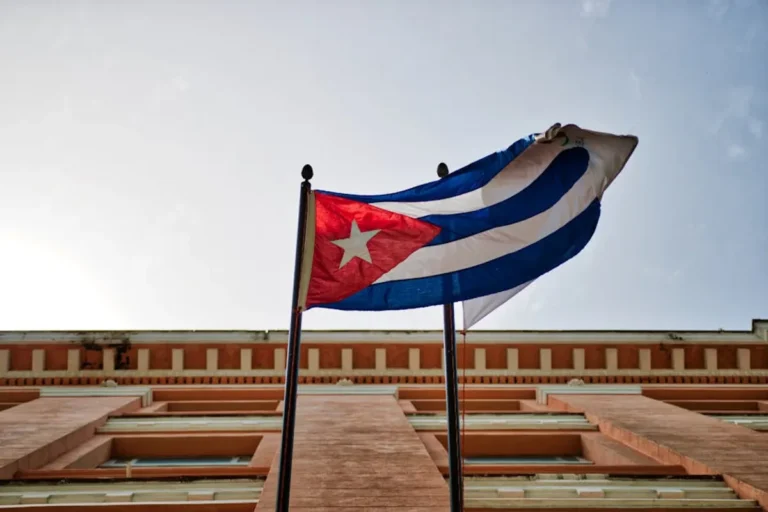
Deciding the optimal time to visit Cuba involves balancing several factors: climate, crowd levels, pricing, and specific cultural events. The island nation experiences a distinct dry season and a wetter, warmer period, each offering a different travel experience. Your ideal window depends on your priorities, whether that means securing the lowest prices, avoiding tourist throngs, or participating in a specific festival. Understanding the island's calendar can help you align your visit with specific cultural events that might interest you.
For many, the dry season (typically November through April) represents the most comfortable weather, characterized by lower humidity and pleasant temperatures. This period, however, often coincides with peak tourist numbers and higher costs. Conversely, the wet season (May through October) brings warmer, more humid conditions with a greater chance of rain and the potential for tropical storms, particularly from August to October. Yet, this off-peak period can offer significant savings and a more authentic, less crowded experience.
Factors to Consider When Choosing Your Cuba Travel Dates
Before committing to specific travel dates, evaluate these key elements to align your expectations with the realities of Cuba's seasonal variations:
- Weather Patterns: Cuba experiences a tropical climate. The dry season (November-April) is generally cooler and less humid, with average temperatures ranging from 70-80°F (21-27°C). The wet season (May-October) is hotter and more humid, with temperatures often exceeding 85°F (29°C), accompanied by more frequent, though often brief, afternoon showers. Hurricane season officially runs from June 1st to November 30th, with the highest risk typically from August to October.
- Crowd Levels: Peak tourist season aligns with the dry, cooler months, especially from December to March, and during major holidays like Christmas, New Year's, and Easter. Expect higher demand for accommodations, tours, and restaurants, leading to more crowded attractions. The shoulder seasons (May, June, November) and the low season (July-October, excluding specific festival dates) generally see fewer tourists.
- Pricing: Accommodation, flight, and tour prices directly correlate with demand. Peak season sees the highest rates, while the wet season offers the most significant discounts. Booking during the shoulder seasons can provide a balance of decent weather and moderate pricing.
- Festivals and Events: Cuba hosts numerous cultural, musical, and political events throughout the year. If attending a specific festival, such as the Havana Jazz Festival (January), Carnival (July/August), or the Santiago de Cuba Fire Festival (July), your travel dates will be dictated by these schedules, often leading to localized price surges and increased crowds.
- Activities: Consider what activities you prioritize. Beach-focused trips might benefit from the drier, sunnier months, while city exploration can be comfortable year-round, though the heat and humidity of summer can be taxing. Outdoor adventures like hiking are more pleasant in the cooler dry season.
1. January
January marks the heart of Cuba's peak dry season, characterized by some of the year's most pleasant weather. Temperatures are mild, humidity is low, and rainfall is minimal, creating ideal conditions for exploring cities, relaxing on beaches, and engaging in outdoor activities. The post-holiday rush often sees a slight dip in crowds compared to late December, but it remains a busy period.
Best For: Travelers prioritizing comfortable weather, city exploration, beach relaxation, and cultural immersion without excessive heat or humidity. Ideal for those seeking a classic Caribbean winter escape.
Pros: Excellent weather conditions with low humidity and comfortable temperatures. Less rain than any other month. Opportunities to experience the Havana Jazz Festival. Clear skies for photography.
Cons: High season pricing for flights and accommodations. Increased tourist crowds at popular sites. Booking well in advance is essential for preferred options.
Verdict: An excellent choice for those seeking optimal weather and vibrant cultural events, provided budget and crowd tolerance are not primary concerns. It offers the quintessential Cuban winter experience.
2. February
February continues the trend of superb weather, often considered one of the best months climatically. Temperatures remain mild, and the island enjoys abundant sunshine with very little rain. This makes it a prime time for all types of tourism, from historical tours in Havana to beach holidays in Varadero. Tourist numbers remain high, reflecting the desirable conditions.
Best For: Visitors seeking consistently pleasant weather for diverse activities, including extensive outdoor exploration, historical site visits, and uninterrupted beach time. Good for photographers and those sensitive to heat.
Pros: Consistently dry, sunny, and comfortable weather. Ideal for exploring cities on foot and enjoying beaches. Generally calm seas for water activities. Fewer weather-related disruptions.
Cons: Continues to be peak season, meaning higher prices and larger crowds. Popular attractions can feel congested. Requires early booking for flights and hotels.
Verdict: A top-tier month for weather-dependent activities and general comfort, offering reliable sunshine and mild temperatures. Expect premium pricing and significant tourist presence.
3. March
March maintains the excellent dry season weather, though temperatures begin to climb slightly, signaling the approach of spring. Rainfall remains low, and humidity is still manageable. This month often coincides with spring break for some international travelers, which can lead to localized increases in crowds and demand, particularly in coastal areas.
Best For: Those who appreciate warm, sunny weather but prefer to avoid the peak cold of winter or the intense heat of summer. Suitable for a mix of city and beach activities before the high season fully subsides.
Pros: Very good weather with ample sunshine and minimal rain. Warming temperatures are pleasant for swimming. Still generally comfortable for walking and sightseeing.
Cons: Prices remain high due to continued demand. Potential for increased crowds in specific areas due to spring break. Some popular spots may require reservations.
Verdict: A strong contender for comfortable travel with consistently good weather. It’s a transition month where the best of the dry season weather persists, though with a slight uptick in warmth and continued high demand.
4. April
April marks the end of the dry season, with temperatures noticeably rising and humidity beginning to increase. While still predominantly sunny and dry, the occasional shower becomes more likely towards the end of the month. Easter holidays, if they fall in April, can briefly push up prices and crowd levels, but generally, tourist numbers start to decline after mid-month.
Best For: Travelers looking for a balance between good weather and slightly reduced crowds/prices compared to the peak winter months. Good for those who enjoy warmth but aren't ready for summer humidity.
Pros: Generally good weather with plenty of sunshine. Temperatures are warm but not yet oppressive. Accommodation and flight prices may begin to drop after Easter. Fewer crowds in the latter half of the month.
Cons: Increasing humidity and a higher chance of rain showers. Can be very hot if Easter falls late in the month. Some popular events may have concluded.
Verdict: A shoulder month that offers a good compromise. You can still enjoy excellent weather for much of the month, often with the added benefit of slightly lower costs and fewer tourists as the peak season winds down.
5. May
May officially ushers in the wet season, bringing higher temperatures, increased humidity, and more frequent, though often short and intense, afternoon thunderstorms. Despite the rain, mornings are typically sunny, and the landscape becomes lush and green. Tourist numbers drop significantly, leading to lower prices and a more local experience.
Best For: Budget-conscious travelers, those seeking a more authentic cultural experience away from large crowds, and visitors who don't mind occasional rain showers. Good for exploring the vibrant flora.
Pros: Significantly lower prices for flights and accommodations. Fewer tourists, allowing for more intimate experiences. Lush, green scenery. Mornings are often clear and sunny.
Cons: High humidity and rising temperatures can be uncomfortable for some. Daily afternoon rain showers are common. Hurricane season officially begins at the end of the month, though early season risk is low.
Verdict: An attractive option for value seekers and those prioritizing local immersion over perfect weather. Be prepared for heat and humidity, but enjoy the benefits of reduced costs and a more relaxed pace.
6. June
June is firmly within the wet season and the official start of hurricane season. Expect hot, humid weather with frequent afternoon downpours. While the risk of a major hurricane is still relatively low, tropical depressions can bring several days of heavy rain. Despite this, sunny periods are common, particularly in the mornings. Crowds remain low, and prices are favorable.
Best For: Adventurous and flexible travelers on a budget who are comfortable with heat and humidity. Ideal for those who want to experience Cuba with minimal tourist presence and maximum cost savings.
Pros: Lowest prices for travel and lodging. Very few tourists, offering an uncrowded experience. Lush natural environment. Opportunities to interact more closely with locals.
Cons: Intense heat and high humidity can be challenging. Regular afternoon thunderstorms can disrupt outdoor plans. Increased, albeit still low, risk of tropical storms and hurricanes. Mosquitoes are more prevalent.
Verdict: Requires a tolerance for tropical weather, but rewards travelers with significant savings and a less commercialized experience. Flexibility in itinerary is key to navigating the weather.
7. July
July continues the pattern of hot, humid, and rainy weather, with the hurricane season gaining momentum. However, July also hosts significant cultural events, notably Santiago de Cuba's Carnival and the Festival del Caribe (Fiesta del Fuego), which draw domestic and international visitors to the eastern part of the island. These events can temporarily inflate prices and crowd levels in specific cities.
Best For: Culture enthusiasts specifically interested in experiencing major Cuban festivals like Carnival. Budget travelers who are prepared for the summer climate and potential rain, and who can plan around festival locations.
Pros: Opportunity to experience vibrant national festivals. Still offers lower general prices outside of festival zones. Fewer international tourists overall. Warm ocean temperatures for swimming.
Cons: Very high heat and humidity. Daily rain showers are expected. Increased risk of tropical storms. Festival cities will be crowded and more expensive. Mosquitoes are common.
Verdict: A month of contrasts. It can be challenging due to weather, but it offers unique cultural highlights. Prioritize festival attendance if choosing July; otherwise, be ready for a very hot and wet trip.
8. August
August is one of Cuba's hottest and most humid months, with frequent heavy rainfall and a heightened risk of tropical storms and hurricanes. While the chance of a direct hit remains statistically low, weather disruptions are more probable. Tourist numbers are at their lowest, leading to the best deals on travel and accommodation outside of any lingering carnival celebrations.
Best For: Extreme budget travelers and those with high heat tolerance who are willing to accept weather risks for significant cost savings. Not recommended for first-time visitors or those seeking guaranteed sunshine.
Pros: Deepest discounts on flights and hotels. Virtually no tourist crowds, allowing for an incredibly authentic experience. Warmest ocean temperatures. The quietest time for local interactions.
Cons: Peak heat and humidity, often uncomfortable. Highest risk of hurricanes and tropical storms, which can severely disrupt travel plans. Frequent and intense rainfall. Many outdoor activities may be limited.
Verdict: Only for the most resilient and budget-focused travelers. While offering unparalleled value and solitude, the weather risks and discomfort are substantial. Travel insurance is highly advisable.
9. September
September typically represents the peak of hurricane season in Cuba, making it the riskiest month for weather-related disruptions. Heat and humidity remain intense, and heavy rains are common. Despite the weather challenges, prices are at their lowest, and tourist presence is minimal. Travel during this month requires careful monitoring of weather forecasts.
Best For: Highly flexible, budget-driven travelers who understand and accept the significant weather risks. Not suitable for travelers on a fixed schedule or those who prefer predictable conditions.
Pros: Best prices across all travel categories. Extremely low tourist numbers, ensuring a very local experience. Opportunities for last-minute deals if weather permits.
Cons: Highest probability of hurricanes and tropical storms, leading to potential evacuations or travel cancellations. Persistent extreme heat and humidity. Many outdoor activities are difficult due to weather.
Verdict: The riskiest month for travel due to hurricane activity. While offering extreme value, the potential for severe travel disruptions outweighs the benefits for most visitors. Travel insurance with hurricane coverage is essential.
10. October
October continues the wet season and hurricane risk, though the latter begins to diminish towards the end of the month. Temperatures remain high but start to gradually cool, and humidity levels remain elevated. Rainfall can still be significant, but the number of dry, sunny days tends to increase compared to August and September. Prices remain low, and crowds are sparse.
Best For: Budget travelers looking for a late-season deal, willing to accept some rain and residual hurricane risk. Good for those who don't mind a slightly warmer climate but want to avoid peak season crowds.
Pros: Very good prices for flights and accommodations. Low tourist numbers. Weather gradually improves towards the end of the month. Ocean temperatures are still warm for swimming.
Cons: Still within hurricane season, with potential for storms. High humidity and warm temperatures persist. Occasional heavy rain showers. Some attractions might have reduced hours.
Verdict: A transitional month offering a balance of low prices and slowly improving weather. It's a calculated risk, but for those who prioritize value and can be flexible, it can yield a rewarding, uncrowded trip.
11. November
November marks the beginning of the dry season, bringing a welcome drop in humidity and temperatures. The weather becomes significantly more pleasant, with abundant sunshine and much less rainfall. While hurricane season officially ends on November 30th, the risk decreases considerably. Tourist numbers begin to pick up, and prices start to rise, making it a shoulder month.
Best For: Travelers seeking excellent weather without the peak season crowds and prices of December-February. Ideal for those who want comfortable conditions for both city and beach activities.
Pros: Significantly improved weather: lower humidity, milder temperatures, less rain. Fewer crowds and slightly lower prices than peak season. Lush post-rainy season landscapes. Comfortable for outdoor activities.
Cons: Prices begin to increase as the dry season starts. Crowds grow throughout the month, especially towards the end. Some popular accommodations may start to fill up.
Verdict: An excellent shoulder month offering a sweet spot between comfortable weather and reasonable pricing. It's a strong recommendation for those who want to avoid the extremes of both peak and low seasons.
12. December
December is the official start of Cuba's peak tourist season, offering some of the most desirable weather of the year. Temperatures are mild, humidity is low, and rainfall is minimal. This coincides with major holidays like Christmas and New Year's, leading to maximum crowds and the highest prices across the board. Festive atmospheres are prevalent, especially in Havana.
Best For: Visitors prioritizing perfect weather, festive holiday atmospheres, and who are willing to pay premium prices for comfort and a lively, celebratory experience. Ideal for winter sun seekers.
Pros: Superb weather conditions: mild, dry, and sunny. Festive atmosphere with holiday decorations and events. Excellent for all types of outdoor activities and beach relaxation. Low humidity.
Cons: Highest prices for flights, accommodations, and tours. Maximum tourist crowds, especially around holidays. Requires booking many months in advance. Popular sites can be very busy.
Verdict: Climatically perfect, but demands a higher budget and tolerance for crowds. For those who prioritize ideal weather and the holiday spirit, December delivers, but planning far ahead is crucial.
Making Your Final Decision: Matching Your Priorities to the Calendar
The "best" time to visit Cuba is subjective, directly correlating with individual priorities. If your primary concern is experiencing ideal weather—mild temperatures, low humidity, and minimal rain—the dry season from November to April, particularly January, February, and March, stands out. These months offer the most comfortable conditions for extensive sightseeing, beach relaxation, and outdoor excursions, albeit at the highest cost and with the largest crowds.
For travelers on a stricter budget or those seeking a more authentic experience with fewer tourists, the wet season (May to October) presents a viable alternative. While requiring a higher tolerance for heat, humidity, and daily rain showers, this period offers significant savings on flights and accommodations. Months like May and November, as shoulder seasons, provide a strategic balance, delivering improving weather or declining crowds at more moderate prices.
Ultimately, identify your non-negotiable factors: Is perfect weather paramount? Are you strictly budget-limited? Do specific festivals dictate your timing? Overlaying these priorities with the monthly breakdown above will guide you to the most suitable travel window. Always consider travel insurance, especially if planning a trip during hurricane season (June-November), to mitigate potential disruptions.
Frequently Asked Questions
When is hurricane season in Cuba?
Hurricane season officially runs from June 1st to November 30th. The highest risk period for tropical storms and hurricanes is typically from August through October.
What is the cheapest time to visit Cuba?
The cheapest time to visit is generally during the low season, from May through October, particularly August and September, due to the hot, humid weather and higher risk of hurricanes. Prices for flights and accommodation are significantly lower during these months.
When is Cuba most crowded?
Cuba experiences its highest tourist crowds during the peak dry season, from December to March. Major holidays like Christmas, New Year's, and Easter also see significant increases in visitors and demand.
Is it safe to visit Cuba during the wet season?
Yes, it is generally safe to visit during the wet season. While there's a higher chance of rain and the risk of hurricanes, most days still offer periods of sunshine. Travelers should monitor weather forecasts and have flexible plans, especially from August to October.
What should I pack for a trip to Cuba in the dry season?
For the dry season (November-April), pack light clothing for warm days, but also bring a light jacket or sweater for cooler evenings, especially in January and February. Comfortable walking shoes are essential. Sunscreen, a hat, and insect repellent are recommended year-round.
What should I pack for a trip to Cuba in the wet season?
For the wet season (May-October), pack lightweight, breathable clothing. A lightweight rain jacket or umbrella is advisable for sudden downpours. Sunscreen, a hat, and strong insect repellent are crucial due to increased humidity and mosquito activity. Sandals or waterproof shoes are also practical.