Navigating Cuba on a budget requires intentional planning and an understanding of its unique economic landscape. Unlike many other travel destinations, Cuba's dual currency system (historically CUC and CUP, now primarily CUP with USD also accepted in some contexts) and state-controlled economy necessitate specific strategies to maximize savings without compromising the experience. This guide outlines practical approaches to manage expenses, from securing affordable lodging and dining to efficient transportation and free activities, ensuring a fulfilling trip within financial limits.
Strategic Accommodation Choices
Accommodation represents a significant portion of any travel budget. In Cuba, private homestays, known as casas particulares, offer the most authentic and cost-effective lodging solution compared to state-run hotels.
Embrace Casas Particulares
Cost-effectiveness: Casas particulares are private rooms or apartments rented by Cuban families. They typically cost between $25-40 USD per night, significantly less than tourist hotels which often start at $80-100 USD. This price usually includes a private bathroom, air conditioning, and sometimes breakfast for an additional $5-7 USD. Staying in a casa also directly supports local families, contributing to the local economy.
Authentic experience: Beyond savings, casas particulares provide unparalleled cultural immersion. Hosts often share local insights, recommend non-touristy restaurants, and assist with onward travel, offering a deeper connection to Cuban life that hotels cannot replicate.
Economical Dining and Food
Food expenses can quickly accumulate, but Cuba offers several avenues for budget-conscious eating, moving beyond expensive hotel buffets or tourist-centric restaurants.
Discover Paladares and Street Food
Paladares: These are privately-owned restaurants, often operating out of family homes. They offer a more authentic culinary experience and are generally more affordable than state-run establishments. A full meal with a drink can range from $8-15 USD. Look for ones slightly off the main tourist thoroughfares for better value.
Street food: For the absolute lowest cost, embrace Cuban street food. Options include:
- Pizza: Sold by the slice or whole, often from small windows, costing around $1-3 USD.
- Sandwiches: Simple ham and cheese or pork sandwiches are widely available for $1-2 USD.
- Fruit stands: Fresh, seasonal fruits like mango, papaya, and pineapple are inexpensive and refreshing.
- Local markets: Visit agricultural markets (agromercados) for fresh produce at local prices, ideal if your accommodation has cooking facilities.
Pro Tip: When dining, always check if the prices are quoted in CUC (if still in use) or CUP. Historically, tourists were often quoted in CUC, which was pegged to the USD. With the unification to CUP, ensure you understand the local currency value. Many places now quote in USD for tourists, but understanding the local CUP price can sometimes reveal better value. Always carry small denominations of CUP for street vendors.
Warning: While bottled water is readily available, tap water in Cuba is generally not safe for drinking. Factor bottled water into your budget, or consider a personal water filter bottle to reduce plastic waste and cost.
Efficient Transportation Strategies
Getting around Cuba can be costly if relying solely on tourist taxis. Several alternatives provide significant savings.
Utilize Viazul Buses and Colectivos
Viazul bus: This is Cuba's tourist bus network, connecting major cities. It's comfortable, reliable, and significantly cheaper than private taxis for inter-city travel. Tickets can be booked online in advance, which is highly recommended, especially during peak season, or purchased at bus terminals. A trip from Havana to Viñales might cost around $12-15 USD.
Shared taxis (Colectivos): For shorter distances or when Viazul isn't convenient, shared taxis (almendrones) are a common mode of transport. These are often classic American cars that operate on fixed routes, picking up multiple passengers. Agree on the price before getting in. For inter-city travel, you can negotiate a shared ride with other tourists, often splitting the cost of a private taxi, making it cheaper than a full private fare but more expensive than Viazul.
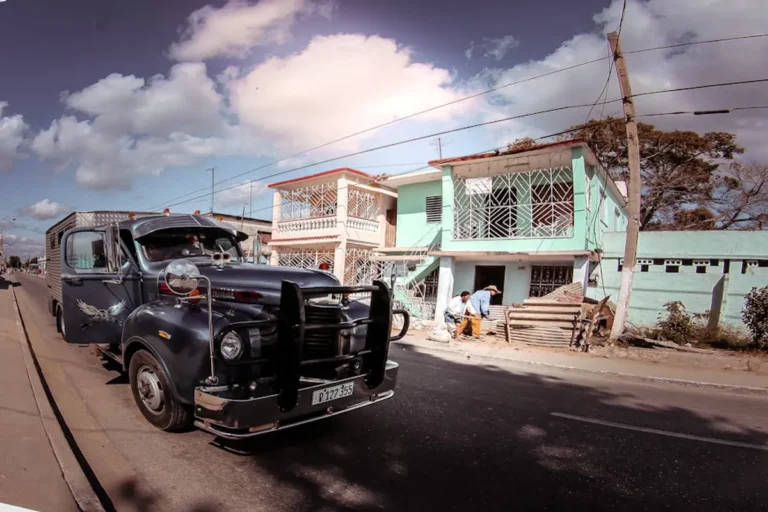
Local buses and camiones: For the most adventurous and budget-conscious, local city buses or trucks (camiones) are extremely cheap (a few CUP). However, they are often crowded, lack air conditioning, and routes can be confusing for non-Spanish speakers. This option is best for short distances within a city once you've gained some familiarity.
Free and Low-Cost Activities
Cuba offers numerous cultural experiences that require little to no expenditure, allowing travelers to immerse themselves without constantly opening their wallets.
Explore Public Spaces and Culture
Wander historic centers: Cities like Havana, Trinidad, and Santiago de Cuba boast UNESCO World Heritage sites with stunning architecture and vibrant street life. Simply walking through Old Havana, exploring Plaza Vieja, or strolling along the Malecón costs nothing and provides rich photographic opportunities and cultural observation.
Beaches: Cuba's pristine beaches, such as those in Varadero (accessible via local transport from the town) or Playas del Este near Havana, are free to enjoy. Bring your own snacks and drinks to avoid inflated tourist prices at beachside vendors.
Live music: Many squares and local bars feature live Cuban music (son, salsa, rumba) without a cover charge. While tipping the musicians is customary and appreciated, it's not mandatory to enter. Look for venues where locals gather.
Museums: While some museums have entrance fees (typically $2-5 USD), many smaller galleries or cultural centers might be free or operate on a donation basis. Research specific interests beforehand.
Managing Money and Connectivity
Cuba's financial and internet infrastructure differs significantly from many Western countries, requiring specific preparation to avoid unexpected costs.
Cash is King and Wi-Fi is Limited
Currency exchange: Always bring enough cash (USD or EUR are widely accepted for exchange) to cover your entire trip. ATMs are available but can be unreliable, and cards issued by U.S. banks generally do not work. Exchange currency at official CADECA exchange houses or banks for the best rates, avoiding unofficial street changers. While USD is increasingly accepted, having local currency (CUP) for smaller purchases and street vendors is essential.
Internet access: Wi-Fi is not ubiquitous and often comes at a cost. Purchase ETECSA scratch cards (1-2 USD for an hour) from official ETECSA stores or hotel receptions. These cards provide access at designated Wi-Fi hotspots, typically in parks or hotel lobbies. Plan for limited connectivity and download offline maps and essential information before your trip.
Practical Preparation for Savings
A few pre-trip considerations can further reduce on-the-ground expenses.
Pack Smart and Plan Ahead
Essentials: Bring all personal toiletries, medications, sunscreen, and insect repellent. These items can be expensive or difficult to find in Cuba. A reusable water bottle is also highly recommended.
Basic medical kit: Include pain relievers, band-aids, and any specific over-the-counter remedies you might need. Medical supplies are often scarce.
Snacks: Pack some non-perishable snacks for days when local food options are limited or you're on long journeys. This prevents impulse purchases at higher prices.
Gift small items: If you plan to engage with locals or stay in casas particulares, small gifts like pens, notepads, or toiletries can be greatly appreciated and foster goodwill.
Maximizing Your Budgeted Cuba Experience
Traveling to Cuba on a budget is not about deprivation but about making informed choices that align with local realities. By prioritizing casas particulares, embracing local eateries and street food, utilizing public transport, and seeking out free cultural experiences, visitors can enjoy a rich, authentic journey without overspending. Preparedness regarding currency and connectivity further enhances the experience, allowing for deeper immersion into Cuba's unique charm.
Frequently Asked Questions About Budget Travel in Cuba
Q: Is it better to bring USD or Euros to Cuba?
A: While USD is now widely accepted and can be exchanged, Euros often yield a slightly better exchange rate without the historical 10% surcharge applied to USD. Always carry cash as U.S. bank cards do not work.
Q: Can I use credit cards in Cuba?
A: Credit cards issued by non-U.S. banks (e.g., Canadian, European) might work in some larger hotels or state-run shops, but their acceptance is limited and unreliable. Cards from U.S. banks are not accepted anywhere. Cash remains the most dependable payment method.
Q: How much should I budget per day for a budget trip to Cuba?
A: A realistic budget for a solo budget traveler, including accommodation in a casa particular, local food, and Viazul transport, is typically $40-60 USD per day. This excludes international flights and major excursions but covers daily essentials and some low-cost activities.
Q: Is it safe to eat street food in Cuba?
A: Generally, yes, but exercise common sense. Look for vendors with high turnover, where food is cooked fresh and served hot. Avoid items that have been sitting out for extended periods. Stick to cooked foods and peeled fruits.