Traveling to Cuba as a family presents a unique opportunity for cultural immersion and adventure, distinct from typical resort destinations. Success hinges on specific planning that addresses the needs of children alongside adult expectations. This guide focuses on practical considerations, from navigating entry requirements to ensuring daily comfort and engagement for every family member, aiming to equip travelers with the knowledge to create a memorable and smooth Cuban experience.
Planning Your Family Itinerary
Visa and Entry Requirements
All non-Cuban visitors, including children, require a tourist card (visa) to enter Cuba. For U.S. citizens, travel must fall under one of 12 authorized categories, with "Support for the Cuban People" being a common choice for independent travelers. This category mandates a full-time schedule of activities that enhance contact with the Cuban people, support civil society, or promote independent economic activity. Keep detailed records of your itinerary, including interactions and receipts, for five years as proof of compliance. Purchase tourist cards from airlines, travel agencies, or the Cuban embassy. Ensure passports are valid for at least six months beyond your planned departure date.
Accommodation Choices
Families have two primary accommodation options: state-run hotels or private guesthouses known as casas particulares. Hotels, especially in Havana or Varadero, offer amenities like pools, restaurants, and sometimes kids' clubs, providing a more predictable experience. However, casas particulares offer a deeper cultural connection and often more space with separate bedrooms, which is ideal for families. Many hosts are welcoming and can assist with local tips, laundry, and home-cooked meals, including options tailored for children. Verify air conditioning availability and bed configurations when booking, as these vary significantly.
Transportation with Children
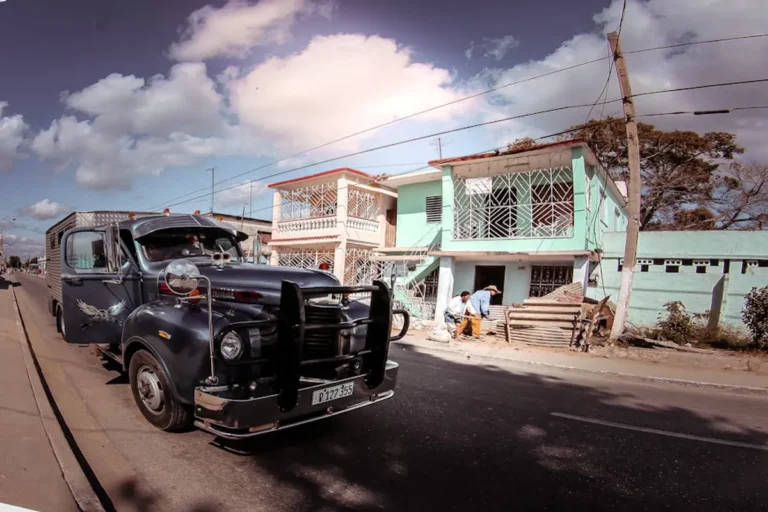
Navigating Cuba with children requires strategic transport choices. In cities, almendrones (classic American cars operating as shared taxis) or private taxis are prevalent. Negotiate fares before entering. For longer distances between cities, Viazul buses are reliable and comfortable, though schedules can be rigid. Renting a car offers flexibility but comes with challenges: road conditions can be poor, signage sparse, and car seats are rarely available from rental agencies. If renting, bring your own car seat for infants and toddlers. For shorter distances, consider horse-drawn carriages or bicitaxis for a fun, localized experience, always prioritizing safety and clear pricing.
Navigating Daily Life with Kids
Food and Drink Considerations
Cuban cuisine can be simple, centered around rice, beans, chicken, and pork. For picky eaters, casas particulares often offer more flexibility with meal preparation. Pack familiar snacks from home, especially for younger children, as options can be limited. Always drink bottled water; tap water is not safe for consumption. Be cautious with street food and ensure all cooked food is hot. Fresh fruit is generally safe and widely available, offering a healthy snack option.
Health and Safety
Travel insurance that includes medical coverage is mandatory for Cuba. Cuban medical facilities, particularly outside Havana, may lack advanced equipment or medications. Pack a comprehensive first-aid kit with essentials like pain relievers, anti-diarrhea medication, rehydration salts, and any prescription drugs. Sun protection (high SPF sunscreen, hats, rash guards) is crucial due to intense tropical sun. Insect repellent is necessary, especially during dawn and dusk, to guard against mosquito-borne illnesses. Be aware of your surroundings, particularly in crowded areas, and keep valuables secure.
Keeping Children Engaged
Cuba offers numerous opportunities for children to learn and play. Beaches like Varadero or the smaller cays provide safe swimming and sandcastle building. Havana's Parque Central and the Malecón offer open spaces for children to run. Engaging with local children, even through simple games, can be a highlight. Consider visits to the Havana Aquarium, the National Zoo, or the Museo de la Revolución (which can be made engaging with stories). Encourage interaction with local music and dance. Flexibility in daily plans is key; allow for downtime to prevent overstimulation.
Essential Packing List for Families
- Passports, tourist cards, and copies of all documents
- Prescription medications with doctor's notes
- Comprehensive first-aid kit (band-aids, antiseptic wipes, pain relievers, etc.)
- High SPF sunscreen and after-sun lotion
- Insect repellent (DEET-free options for young children)
- Hats, sunglasses, and lightweight, breathable clothing
- Swimsuits and rash guards
- Comfortable walking shoes and sandals
- Small backpack for day trips
- Reusable water bottles
- Familiar snacks (granola bars, crackers, fruit pouches)
- Books, small toys, or travel games for entertainment
- Portable charger for electronics
- Basic toiletries (toilet paper, hand sanitizer)
- Car seat or booster if renting a car
Pro Tip: Internet access in Cuba is primarily through Wi-Fi hotspots, often found in public parks or hotels. Purchase ETECSA scratch cards for access. Manage expectations regarding connectivity; it can be slow and unreliable. Download offline maps, entertainment, and essential information before your trip to minimize reliance on internet access.
Maximizing Your Family Experience in Cuba
Embrace the unexpected. Cuba operates on a different rhythm, and flexibility is paramount. Encourage children to try new foods, interact with locals, and observe the unique culture. Learning a few basic Spanish phrases will significantly enhance interactions. Focus on the rich history, vibrant art, and resilient spirit of the Cuban people. This approach transforms potential inconveniences into memorable learning opportunities, fostering a deeper appreciation for the journey.
Preparing for a Smooth Family Adventure
A successful family trip to Cuba hinges on thorough preparation and an adaptable mindset. Focus on securing necessary documentation, understanding local customs, and packing strategically for comfort and health. By anticipating challenges and embracing the unique cultural landscape, families can create an enriching and unforgettable travel experience that extends far beyond a typical vacation.
Frequently Asked Questions
Is Cuba safe for families with young children?
Cuba is generally considered safe for families. Violent crime rates are low, though petty theft can occur in tourist areas. Exercise standard precautions like safeguarding valuables and being aware of your surroundings.
What is the best time of year to visit Cuba with family?
The dry season, from November to April, offers pleasant temperatures and lower humidity, making it ideal for travel. December and January are peak tourist months, so expect more crowds and higher prices.
Can I find baby supplies like diapers and formula in Cuba?
Availability of specific brands and types of baby supplies, including diapers and formula, can be inconsistent. It is strongly recommended to bring a sufficient supply from home for the duration of your trip.
What currency should we use, and how should we manage money?
Cuba uses the Cuban Peso (CUP). While some places accept foreign currency like USD or EUR, it's often at unfavorable exchange rates. It's best to exchange foreign currency for CUP upon arrival. Credit and debit cards issued by U.S. banks generally do not work in Cuba, so plan to bring enough cash for your entire trip.