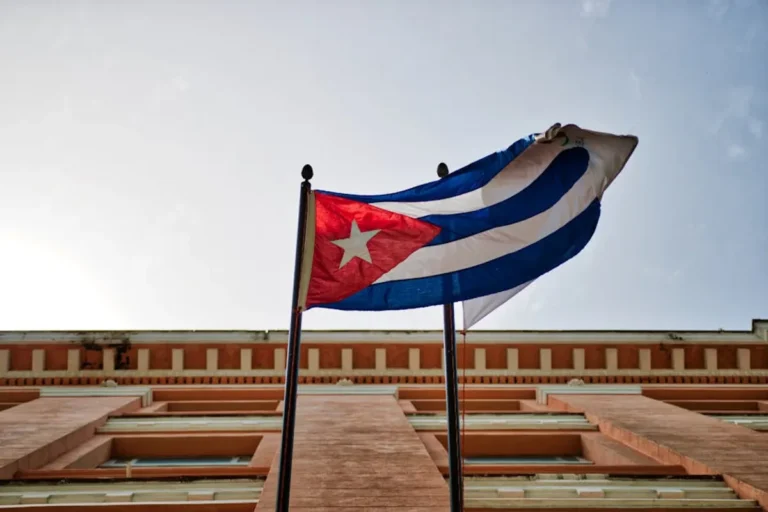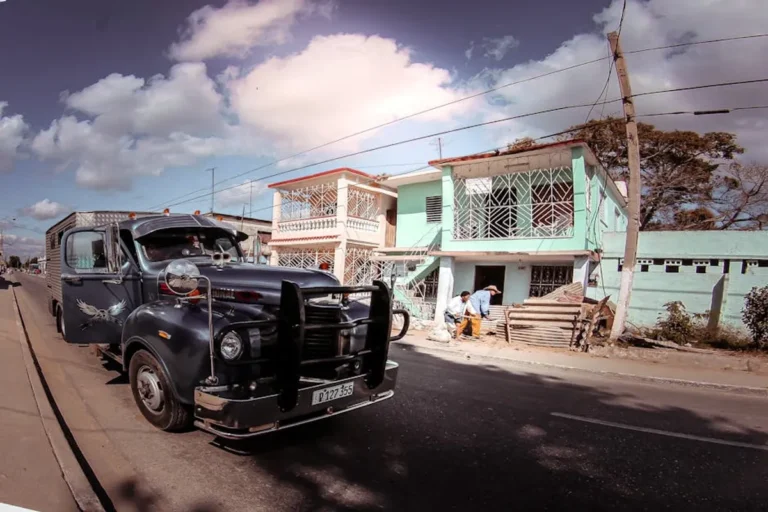
Filming in Cuba presents a unique blend of visual opportunity and logistical complexity. For producers, directors, and location scouts, the island offers a distinct aesthetic, from its colonial architecture and vibrant streetscapes to its untouched natural landscapes. However, successfully executing a production requires a clear understanding of the local infrastructure, regulatory environment, and cultural nuances. This guide outlines the key considerations and practical steps for leveraging Cuba's cinematic potential.
Cuba's Cinematic Allure
The island's appeal to filmmakers stems from several core attributes that provide a distinctive backdrop for a range of narratives:
- Architectural Heritage: Cities like Havana and Trinidad boast well-preserved colonial buildings, Art Deco structures, and mid-century modernism, offering a timeless quality often difficult to replicate elsewhere. This allows for period pieces or contemporary stories with a unique visual texture.
- Diverse Landscapes: Beyond urban settings, Cuba features the lush tobacco fields of Viñales, the mountainous regions of Sierra Maestra, pristine beaches, and dense tropical forests. This geographical variety supports diverse storytelling needs within a relatively compact area.
- Cultural Authenticity: The vibrant street life, classic American cars, and distinct Afro-Cuban traditions contribute an unparalleled authenticity. This visual and cultural richness can elevate a production's aesthetic and narrative depth.
- Cost-Effectiveness: Compared to many Western filming destinations, production costs in Cuba can be significantly lower, particularly for local labor and services, making it an attractive option for budget-conscious projects.
Key Filming Regions and Their Characteristics
Havana: Urban Grandeur and Gritty Realism
Havana is the most frequently chosen location, offering a spectrum of environments. Old Havana, a UNESCO World Heritage site, provides cobblestone streets, ornate plazas, and pastel-colored buildings ideal for historical dramas or atmospheric sequences. The Vedado neighborhood features grand mansions and tree-lined avenues, while the Malecón, Havana's iconic seawall, offers dramatic coastal views and a constant stream of local life. The city's contrasts, from opulent decay to vibrant street art, provide rich visual opportunities.
Viñales Valley: Rural Serenity
Best for: Natural landscapes, rural narratives, agricultural themes.
Located in Pinar del Río province, the Viñales Valley is characterized by its unique "mogotes" (limestone karsts) rising from flat tobacco fields. This region offers a tranquil, verdant backdrop, ideal for scenes requiring natural beauty, agricultural settings, or a sense of isolation. Filming here often involves working closely with local farmers and communities, adding an authentic, rustic dimension to productions.
Trinidad: Preserved Colonial Charm
Another UNESCO site, Trinidad offers a meticulously preserved colonial urban center. Its cobblestone streets, brightly painted houses, and historic churches transport viewers to another era. The surrounding Escambray Mountains and nearby beaches provide additional natural backdrops, making Trinidad versatile for historical dramas, documentaries, or projects seeking a picturesque, old-world feel.
Santiago de Cuba: Cultural Heartbeat
As Cuba's second-largest city, Santiago de Cuba is known for its strong Afro-Cuban cultural heritage, vibrant music scene, and mountainous surroundings. The city's hilly terrain, historic fortresses like El Morro, and lively streets offer a distinct energy. It's suitable for projects exploring Cuban music, dance, or stories with a more rugged, authentic, and culturally rich backdrop.
Navigating Production Logistics in Cuba
Successful filming in Cuba hinges on meticulous planning and an understanding of local regulations.
Permits and Bureaucracy
Filming in Cuba requires official authorization, typically through the Cuban Institute of Cinematographic Art and Industry (ICAIC). This process involves submitting detailed scripts, storyboards, crew lists, and equipment manifests. Securing these permits can be time-consuming and requires patience. Engaging a local production service company is not merely convenient; it is often essential for navigating the bureaucratic landscape, translating requirements, and expediting approvals.
Pro Tip: Partnering with an experienced local production service company in Cuba is critical. These companies possess the necessary relationships and understanding of local protocols to secure permits, manage customs for equipment, arrange logistics, and navigate unexpected challenges. Attempting to manage these aspects independently can lead to significant delays and budget overruns.
Equipment Import and Customs
Bringing specialized film equipment into Cuba requires pre-approval and adherence to strict customs procedures. A Carnet ATA is generally not accepted, necessitating a temporary import permit obtained through ICAIC. Detailed manifests must be accurate, and equipment should be clearly itemized. Expect thorough inspections upon arrival and departure. Renting some basic equipment locally can sometimes simplify logistics, though specialized gear typically needs to be imported.
Crew and Talent
While Cuba has a pool of talented local crew members, including cinematographers, grips, and production assistants, specialized roles or specific technical expertise may require bringing in foreign crew. Work permits for foreign crew members must be secured in advance. Local casting agencies can provide access to Cuban actors, extras, and performers, offering authentic representation.
Infrastructure and Connectivity
Infrastructure, particularly outside major cities, can be less developed than in other filming locations. This impacts transportation, accommodation, and communication. Internet access, while improving, can still be slower and less reliable than in many countries. Plan for offline workflows and consider satellite communication solutions for critical needs. Power supply can also be inconsistent; bringing portable generators or backup power solutions is advisable for critical equipment.
Practical Steps for a Cuban Production
A structured approach helps mitigate common challenges:
- Initial Research and Concept Approval: Begin by researching Cuban regulations and identifying potential local partners. Submit a preliminary project concept to ICAIC for initial feedback and feasibility assessment.
- Local Partner Engagement: Secure a reputable Cuban production service company early in the process. Their expertise will be invaluable for all subsequent steps.
- Script and Location Scouting: Finalize your script and conduct thorough location scouting, ideally with your local partner, to confirm feasibility and secure specific site permissions.
- Permit Application Submission: Work with your local partner to prepare and submit all required documentation for filming permits, equipment import, and crew work visas. This phase requires significant lead time.
- Budgeting and Logistics Planning: Develop a detailed budget that accounts for local costs, import duties, transportation, accommodation, and contingency funds. Plan all logistical details, including equipment handling, catering, and local transportation.
- Pre-Production and Filming: With permits secured, proceed with pre-production, including casting, crew hiring, and final logistical arrangements. Execute filming according to the approved schedule, maintaining open communication with local authorities and your production partner.
- Post-Production and Departure: Plan for the export of footage and equipment, ensuring all customs requirements are met for a smooth departure.
Maximizing Your Production in Cuba
To ensure a successful and efficient shoot, adopt a flexible and culturally sensitive approach. Be prepared for unexpected changes and maintain open lines of communication with your local team. Understanding and respecting local customs and work rhythms will foster a productive environment. Leverage the unique visual and cultural resources Cuba offers, integrating them thoughtfully into your narrative. While challenges exist, the distinct aesthetic and vibrant energy of Cuba can significantly enrich any film project, providing a truly memorable and visually compelling result.
Frequently Asked Questions
Is it expensive to film in Cuba compared to other Caribbean locations?
While initial import costs and permit fees exist, local labor, accommodation, and day-to-day operational expenses can be more competitive than in many other Caribbean or Western countries. The overall cost-effectiveness often depends on the scale of the production and the extent of foreign crew and equipment brought in.
What specific permits are required for filming?
The primary permit is issued by the Cuban Institute of Cinematographic Art and Industry (ICAIC). Additional permits may be required from specific ministries or local authorities depending on the locations (e.g., historical sites, national parks) and the nature of the shoot. A temporary import permit for equipment is also mandatory.
Can foreign crews bring all their own equipment?
Yes, foreign crews can bring their own equipment, but it requires a detailed manifest and a temporary import permit secured through ICAIC. Customs procedures are rigorous, and all items must be accounted for upon departure. Renting some less specialized equipment locally can sometimes streamline the process.
What is the best time of year to film in Cuba?
The dry season, from November to April, is generally preferred for filming due to lower humidity and less chance of rain. Temperatures are also more moderate during this period. The hurricane season runs from June to November, which can introduce risks of weather-related disruptions.