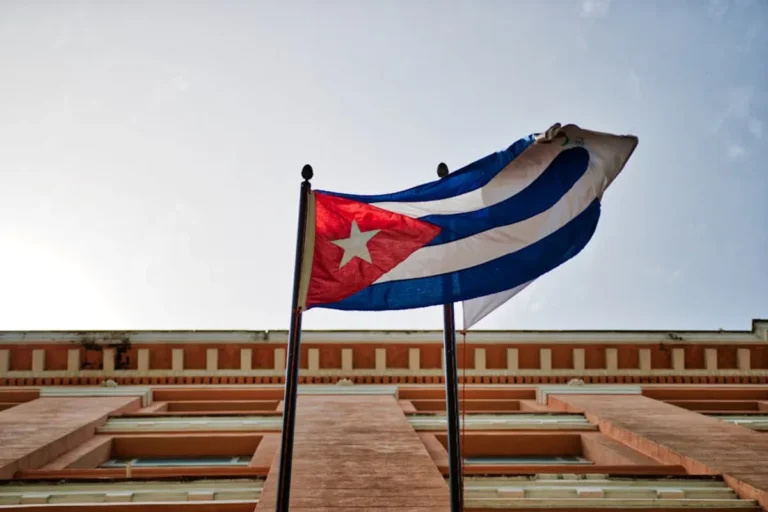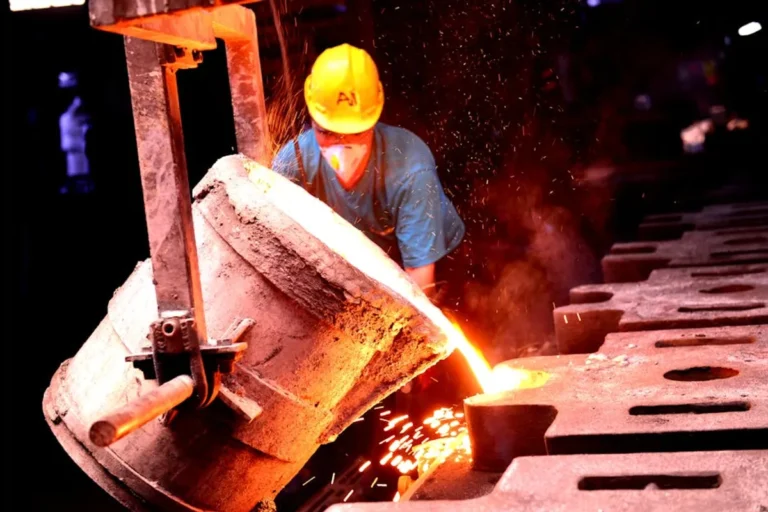
Understanding Cuba’s rich and complex history is not merely an academic exercise for travelers; it is an essential preparation that transforms a casual visit into an immersive experience. The island’s past directly shapes its present, influencing everything from the architecture of Old Havana to the rhythms of its music, the nuances of its cuisine, and the resilient spirit of its people. A historical timeline provides the crucial context needed to appreciate Cuba beyond its picturesque facade, allowing visitors to connect with the stories embedded in its streets and landscapes. This chronological overview highlights pivotal moments and periods, offering a framework for travelers to interpret the sights, sounds, and cultural expressions encountered during their journey.
Indigenous Roots and Colonial Foundations (Pre-1492 to 1800s)
Cuba’s earliest inhabitants were indigenous groups such as the Taíno, Ciboney, and Guanahatabey, whose presence shaped the island long before European arrival. Their agricultural practices and social structures laid foundational elements, though much was lost following colonization. Christopher Columbus’s arrival in 1492 marked the beginning of Spanish rule, which lasted over four centuries. This period introduced sugarcane cultivation, African slavery, and the construction of fortified cities like Havana and Santiago de Cuba. The Spanish colonial legacy is vividly preserved in the architectural styles and urban planning visible across the island, particularly in UNESCO World Heritage sites such as Old Havana and Trinidad.
- 1492: Christopher Columbus lands in Cuba, claiming it for Spain.
- 1511: Diego Velázquez de Cuéllar establishes the first Spanish settlements.
- 1555: Havana is sacked by French corsairs, leading to increased fortifications.
- 1762: British capture Havana for eleven months, briefly opening the port to trade, before returning it to Spain in exchange for Florida. This event significantly impacted Havana's development and defenses.
The Path to Independence and US Influence (1800s – Early 1900s)
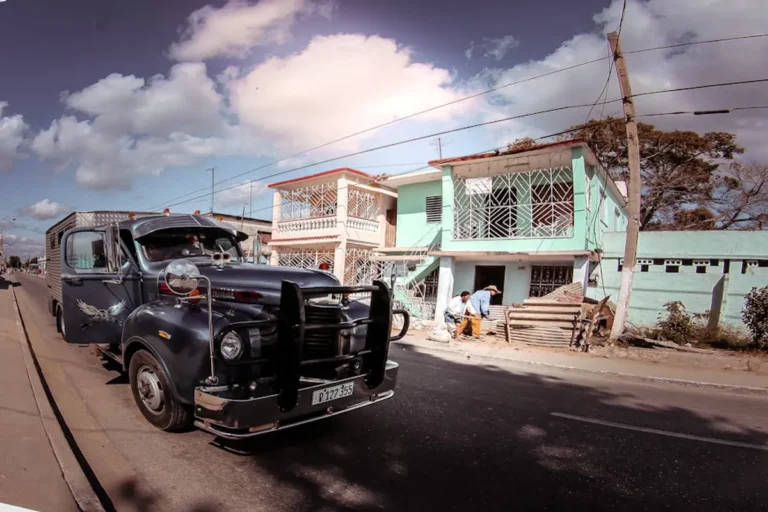
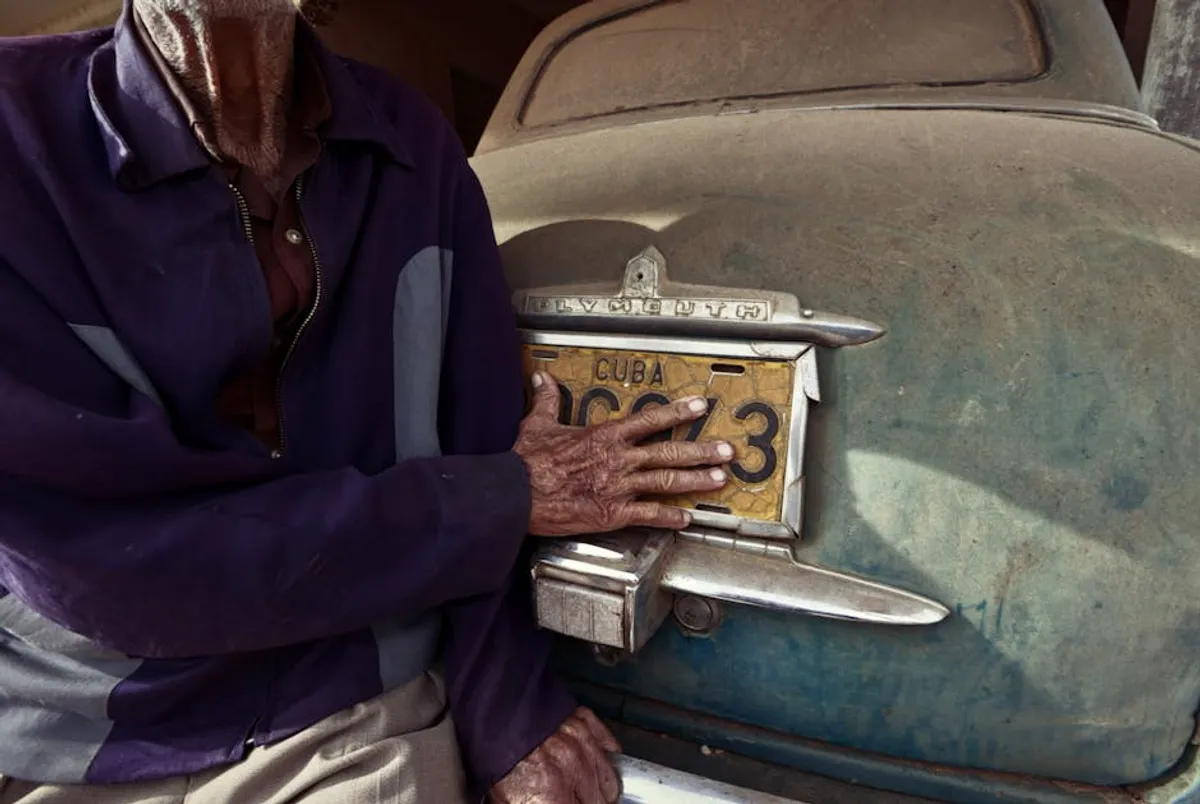
The 19th century was characterized by growing nationalism and a series of struggles for independence from Spain. The Ten Years' War (1868-1878) and the Cuban War of Independence (1895-1898) were brutal conflicts that saw figures like José Martí emerge as national heroes. The latter conflict culminated in the Spanish-American War, leading to direct U.S. intervention and, ultimately, Cuba’s nominal independence in 1902, albeit with significant U.S. oversight via the Platt Amendment. This era established a complex relationship with the United States that continues to define aspects of Cuban identity and foreign policy. Travelers will observe the influence of this period in the architecture and cultural ties, particularly in Havana, where early 20th-century American automobiles and structures coexist with colonial Spanish designs.
Key figures: José Martí (poet, journalist, national hero), Antonio Maceo (military leader), Máximo Gómez (military strategist).
Pro Tip for Travelers: When visiting historical sites from the independence era, such as the Museo de la Revolución in Havana, engage with local guides. Their personal narratives and family histories often provide a deeper, more human perspective on these pivotal events than static museum exhibits alone, enriching your understanding of Cuban resilience.
Revolution and the Republic (Mid-1900s)
The first half of the 20th century saw a series of corrupt governments and increasing social inequality, setting the stage for the Cuban Revolution. Led by Fidel Castro, Ernesto "Che" Guevara, and others, the revolutionary movement gained momentum through guerrilla warfare, ultimately overthrowing the Batista dictatorship on January 1, 1959. The revolution ushered in a period of radical social and economic transformation, establishing a socialist state and aligning Cuba with the Soviet Union. This era is crucial for understanding contemporary Cuba; its impact is visible in the country’s social programs, education system, and the enduring symbolism of revolutionary figures. Travelers often encounter revolutionary iconography and narratives woven into daily life, from murals to historical monuments.
Significant Revolutionary Milestones:
- 1953: Moncada Barracks attack, marking the beginning of the revolutionary movement.
- 1956: Fidel Castro and 81 others land in Cuba aboard the Granma yacht, initiating guerrilla warfare in the Sierra Maestra mountains.
- 1959: Revolutionary forces enter Havana, leading to the collapse of the Batista regime.
- 1961: Bay of Pigs invasion, a failed U.S.-backed attempt to overthrow Castro’s government.
- 1962: Cuban Missile Crisis, bringing the world to the brink of nuclear war.
Post-Revolutionary Cuba: Socialism and Global Shifts (Late 1900s – Present)
Following the revolution, Cuba navigated decades of Cold War politics, relying heavily on Soviet economic support. The collapse of the Soviet Union in 1991 triggered the "Special Period," a severe economic crisis that forced Cuba to adapt and diversify. This era saw the gradual opening to tourism and limited private enterprise, leading to the dual currency system and a complex economic landscape. More recently, shifts in international relations, including periods of improved and then strained ties with the United States, continue to shape Cuba’s trajectory. For travelers, this means experiencing a country in constant evolution, where historical resilience meets contemporary challenges and opportunities. The ingenuity of Cubans in adapting to changing circumstances is a defining characteristic of this period, evident in everything from classic car maintenance to burgeoning private restaurants.
Integrating History into Your Cuba Journey
A timeline serves as more than a list of dates; it's a navigational tool for cultural immersion. When you walk through the Plaza Vieja in Havana, understanding its colonial origins and subsequent transformations allows for a deeper appreciation of its architectural layers. Visiting the Che Guevara Mausoleum in Santa Clara gains resonance when you comprehend his role in the revolution. Even a simple conversation with a local about daily life becomes more meaningful when you grasp the historical context of economic shifts and political developments. By preparing with a historical overview, travelers can actively seek out and interpret the historical narratives present in Cuba’s art, music, food, and social interactions, transforming a vacation into an educational and profoundly personal journey.
Frequently Asked Questions About Cuba's History for Travelers
How does Cuba’s history impact its current economy?
Cuba's history, particularly the post-revolution socialist system and the U.S. embargo, has profoundly shaped its centralized economy. The "Special Period" after Soviet collapse forced diversification, leading to increased tourism and the emergence of limited private enterprise, which travelers will encounter in various forms today.
Are there specific historical sites every traveler should visit?
Essential historical sites include Old Havana (for colonial architecture), the Museo de la Revolución (for revolutionary context), the Che Guevara Mausoleum in Santa Clara, and Santiago de Cuba (the cradle of the revolution). Each offers unique insights into different periods of Cuban history.
How does the U.S. embargo relate to Cuban history?
The U.S. embargo, initiated in the early 1960s after the revolution, is a direct consequence of historical political tensions between the two nations. It has significantly impacted Cuba's economic development, access to goods, and international relations, and its effects are still visible in daily Cuban life.
Is it safe to discuss Cuban history with locals?
Cubans are generally open to discussing their history and culture. Approaching conversations with respect and genuine curiosity is key. Many Cubans are proud of their heritage and eager to share their perspectives, which can greatly enrich a traveler's understanding.