Navigating Cuba's nightlife offers a distinct cultural immersion, far removed from typical Western club scenes. The experience is characterized by live music, spontaneous dancing, and a strong emphasis on local interaction, rather than high-tech venues or international DJs. Understanding the nuances of Cuban social customs, music genres, and practical logistics—from transportation to currency—is essential for a rewarding night out. This guide details the primary nightlife hubs and provides practical advice to help you engage with Cuba's vibrant evening culture effectively.
Havana's Rhythmic Pulse
Havana serves as the epicenter of Cuban nightlife, presenting a diverse array of options from historic cabarets to intimate live music venues. The city's offerings reflect its layered history and enduring musical traditions.
Live Music Venues: The Heartbeat of Havana
Havana's Casas de la Música are central to its live music scene. These state-run venues host top-tier Cuban bands nightly, specializing in genres like salsa, timba, and reggaeton. Locations such as Galiano and Miramar consistently feature popular acts, with performances typically starting late, often after 10 PM. Entry fees vary but usually include a welcome drink. For a more intimate, traditional experience, venues like El Patio de la Rumba or the Unión de Escritores y Artistas de Cuba (UNEAC) offer smaller settings focused on traditional Cuban son and rumba, providing a direct connection to the island's musical heritage. These spots are less about elaborate production and more about raw, authentic sound.
Classic Cabarets and Grand Shows
For a spectacle, Havana's cabarets, such as the Tropicana Club and the Parisién at Hotel Nacional, deliver large-scale productions featuring elaborate costumes, synchronized dance routines, and live orchestras. The Tropicana, an open-air venue operating since 1939, is renowned for its tropical setting and historical significance. The Parisién offers a more contained, indoor experience. These shows are tourist-oriented, with higher price points, and typically include dinner options or a bottle of rum per table. They represent a specific, nostalgic facet of Cuban entertainment.
Modern Rooftop Bars and Paladar Lounges
Havana's newer nightlife trends include rooftop bars and lounges, often associated with boutique hotels or renovated paladares (private restaurants). Spaces like El Cocinero (next to Fábrica de Arte Cubano) or La Guarida's rooftop provide contemporary settings with panoramic city views, catering to a clientele seeking craft cocktails and a more relaxed, upscale ambiance. These venues offer a contrast to the traditional music halls, focusing on sophisticated drinks and curated playlists, sometimes featuring live jazz or DJ sets.
Santiago de Cuba: The Cradle of Son
Santiago de Cuba, often considered the birthplace of son music, offers a distinct nightlife experience rooted deeply in its Afro-Cuban traditions. The city's energy is palpable in its street-level music and dance. The Casa de la Trova, a historic institution, is a focal point, hosting daily performances of traditional son, bolero, and trova. Unlike Havana's larger venues, Santiago's spots often feel more communal, with locals and visitors mingling and dancing freely. Expect less formal settings and a greater emphasis on spontaneous participation. The city's Carnival traditions also infuse its nightlife, particularly in summer, with street parties and informal gatherings common.
Beyond the Major Cities: Varadero and Trinidad
Cuba's smaller destinations offer specialized nightlife experiences, tailored to their distinct visitor profiles and local cultures.
Varadero's Resort-Centric Evenings
Varadero, primarily a beach resort town, features nightlife predominantly within its all-inclusive hotels. These resorts often host their own evening entertainment, including live music, dance shows, and discos. Outside the resorts, Calle 62 is a popular open-air bar known for its live bands and street dancing, drawing both tourists and locals. The atmosphere in Varadero is generally more international and less overtly traditional Cuban compared to Havana or Santiago, prioritizing convenience and a relaxed vacation vibe.
Trinidad's Historic Charm and Outdoor Dance
Trinidad, a UNESCO World Heritage site, provides a unique blend of colonial history and vibrant outdoor nightlife. The Casa de la Música, situated atop a stone staircase in the Plaza Mayor, is the town's central evening hub. Live salsa bands perform nightly on an outdoor stage, with dancing spilling onto the steps and surrounding areas. This setup fosters an open, communal dance floor under the stars. Nearby, La Cueva, a disco set within a natural cave, offers a distinctive club experience. Trinidad's nightlife is characterized by its informal, accessible nature, encouraging direct engagement with Cuban music and dance in a picturesque setting.
Essential Considerations for a Night Out
Navigating Cuban nightlife requires attention to local customs and practicalities to ensure a smooth and enjoyable experience.
Safety and Local Customs
Cuba is generally safe for tourists, but standard precautions apply. Keep valuables secure and avoid walking alone in poorly lit areas late at night. Dress codes are typically casual, but for cabarets or upscale venues, smart casual attire is advisable. Cubans are often very friendly and open to conversation; engaging respectfully can lead to memorable interactions. Remember that public displays of affection are common and generally accepted.
Currency and Payments
Cuba operates with two main currencies: the Cuban Peso (CUP) and the freely convertible currency (MLC), which exists digitally. Most nightlife venues, especially those catering to tourists, prefer payment in foreign currency (USD or EUR cash) or by card if the establishment has a POS terminal. It is advisable to carry small denominations of foreign currency cash for entry fees, drinks, and tips, as card readers can be unreliable, and change might be scarce. Verify payment methods before ordering.
Transportation Options
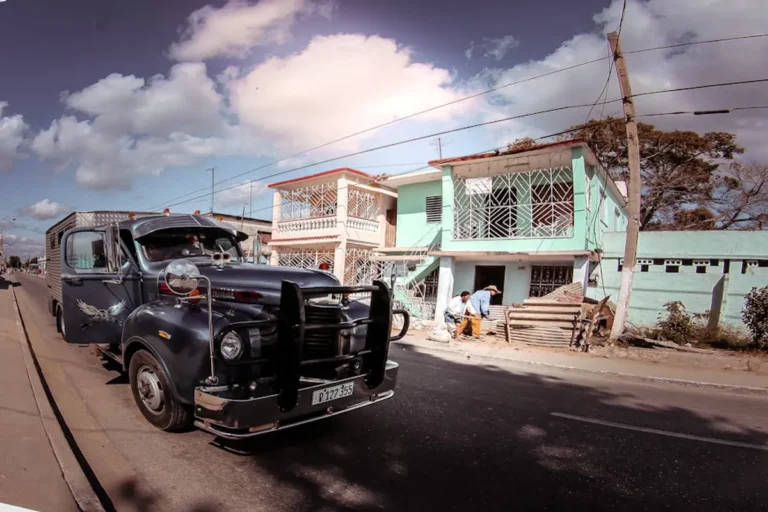
Taxis are the most reliable option for evening transport. Both state-run taxis and private taxis (often classic American cars, known as 'almendrones') are available. Always agree on a fare before starting your journey, as meters are rarely used. For longer distances or late-night returns, pre-arranging a taxi with a trusted driver can provide peace of mind. Public transport is not recommended for tourists at night.
Language and Interaction
While many Cubans involved in tourism speak some English, basic Spanish phrases will significantly enhance your interactions and ability to navigate. Learning greetings, how to order drinks, and common dance-related phrases can open doors to more authentic experiences. Cubans are generally patient and appreciative of attempts to speak their language.
Pro Tip: When attending live music venues, avoid sitting directly in front of the speakers for prolonged periods; Cuban sound systems can be powerful. Also, observe how locals dance before joining in, especially for complex rhythms like Rueda de Casino, to appreciate the flow and etiquette.
Crafting Your Cuba Nightlife Experience
To maximize your enjoyment of Cuba's nightlife, prioritize flexibility and immersion. Do not over-schedule; allow for spontaneous decisions based on local recommendations or the energy of a particular street. Engage with the music, whether by dancing or simply observing, and be open to conversations with locals. Cuba's evening culture is less about structured entertainment and more about shared experiences, rhythm, and connection. Embrace the unexpected, and you will uncover the true essence of its vibrant nights.
Frequently Asked Questions
What is the typical start time for nightlife in Cuba?
Most live music venues and clubs in Cuba, especially in Havana, begin their main performances or peak activity around 10:00 PM or 11:00 PM, often continuing until the early morning hours.
Is it safe for solo travelers to experience Cuba's nightlife?
Yes, Cuba is generally safe for solo travelers. However, it's always advisable to use reputable taxis, avoid walking alone in unlit areas late at night, and be mindful of your belongings, as you would in any unfamiliar city.
Do I need to book tickets in advance for shows like Tropicana?
For major cabarets like Tropicana, booking tickets in advance through your hotel or a local tour agency is highly recommended, especially during peak tourist seasons, to secure your spot and preferred seating.
What kind of music can I expect to hear in Cuban clubs?
You can expect a diverse range of Cuban music, including traditional son, salsa, timba, rumba, bolero, and more contemporary genres like reggaeton. Each city and venue may specialize in certain styles.