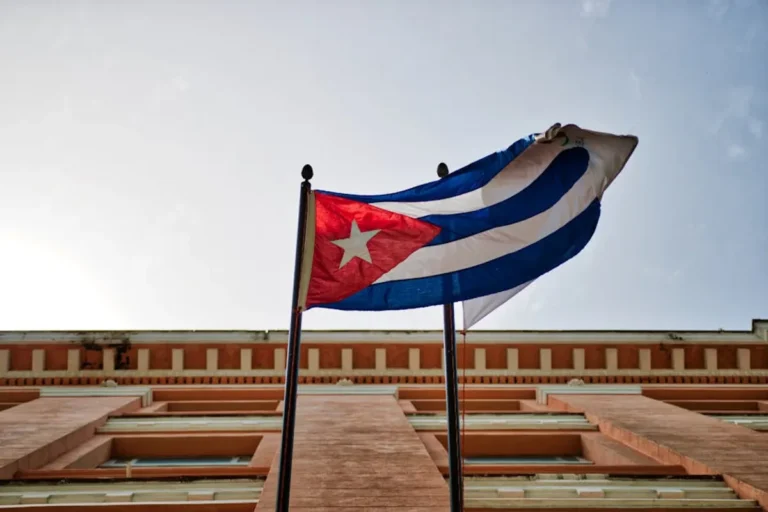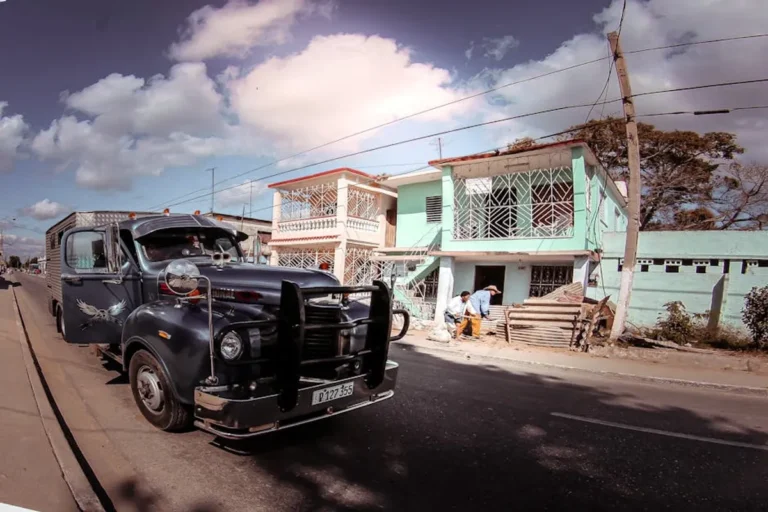
Visiting Cuba for the first time presents a unique travel experience, distinct from many other international destinations. The island's blend of rich history, vibrant culture, and a distinct economic system requires specific preparation to ensure a smooth and enjoyable journey. This guide focuses on equipping first-time visitors with the practical knowledge necessary to navigate Cuba's unique landscape, from entry requirements and currency management to local customs and connectivity.
Pre-Trip Essentials: Navigating Entry and Currency
Visa and Travel Requirements
Most foreign visitors require a tourist card (visa) to enter Cuba, which is typically valid for 30 days and can be extended once for another 30 days. For U.S. citizens, travel to Cuba is permitted under 12 specific categories of authorized travel, such as "support for the Cuban people" or "educational activities." Direct tourism is not allowed under U.S. law, so travelers must select one of these categories and maintain records demonstrating adherence to its requirements. It is crucial to purchase your tourist card in advance from your airline, a Cuban embassy, or a specialized visa service, as it is a separate document from your passport and will be collected upon departure.
Warning: For U.S. citizens, ensure your travel activities genuinely align with your chosen OFAC category. Keep a detailed itinerary and receipts for five years as proof of compliance.
Understanding Cuban Currency
Cuba operates primarily with the Cuban Peso (CUP). While the convertible peso (CUC) was phased out, visitors will find that many tourist-oriented services and goods are priced in CUP, or sometimes implicitly in U.S. dollars for certain private services. Access to foreign currency, particularly U.S. dollars, is critical. Credit and debit cards issued by U.S. banks generally do not work in Cuba, and even non-U.S. cards can be unreliable outside major hotels. Plan to bring sufficient cash in a major convertible currency like Euros, Canadian Dollars, or Mexican Pesos, as U.S. dollars incur an additional 10% exchange fee at official exchange houses (CADECA). Exchange your money at official CADECAs or banks; avoid street exchanges to prevent scams. Many private businesses, especially casas particulares and paladares, prefer or require cash payments.
Accommodation and Transport: Getting Around and Staying Put
Lodging Options: Casas Particulares vs. Hotels
For an authentic experience and often better value, consider staying in casas particulares. These are private homes licensed by the government to rent rooms to tourists. They offer a direct connection to Cuban culture, personalized service, and often include home-cooked meals. Look for the distinctive blue anchor logo outside the home. Major hotels, particularly in Havana and Varadero, offer more standard amenities and service levels, but can be significantly more expensive and often require booking months in advance, especially during peak season. Booking platforms like Airbnb or specific Cuban travel agencies can facilitate reservations for both.
Local Transportation
Getting around Cuba involves a mix of options. In cities, yellow state taxis or private taxis (often classic American cars) are readily available. Negotiate the fare before entering private taxis. Colectivos (shared taxis) operate on fixed routes and are a more economical option for intra-city travel, though less convenient for specific destinations. For inter-city travel, the Viazul bus system is reliable and comfortable, connecting major tourist destinations. Book Viazul tickets several days in advance, especially for popular routes. Walking is often the best way to explore city centers, allowing for spontaneous discoveries.
Connectivity and Communication: Staying in Touch
Internet Access and SIM Cards
Internet access in Cuba is available but can be slow and expensive compared to many other countries. ETECSA, the state-run telecommunications company, provides Wi-Fi hotspots in public parks, plazas, and some hotels. To access these, you'll need to purchase an ETECSA scratch card (tarjeta Nauta) with a username and password, typically sold in 1-hour or 5-hour increments. These cards are available at ETECSA offices, major hotels, and sometimes from street vendors (though at a markup). Consider purchasing a local SIM card from ETECSA upon arrival if you require more consistent connectivity for calls or data, although this can be a bureaucratic process. Some international providers offer roaming, but costs are usually prohibitive. Esims are becoming an option for some, but coverage and reliability vary.
Cultural Immersion and Practical Tips
Food and Drink: What to Expect
Cuban cuisine is flavorful but can be simple. Paladares, privately-owned restaurants, generally offer the best dining experiences, featuring fresh ingredients and local specialties like ropa vieja (shredded beef), grilled fish, and rice and beans. State-run restaurants tend to be less consistent in quality and service. Always drink bottled water, as tap water is not safe for consumption. Fresh fruit juices are widely available and highly recommended.
Tipping and Local Etiquette
Tipping is customary in Cuba for services rendered. In restaurants, 10% is standard. For taxi drivers, guides, and hotel staff, small tips are appreciated. Cubans are generally friendly and welcoming. A basic understanding of Spanish phrases will enhance your interactions, though English is spoken in tourist areas. Be mindful of cultural differences, such as direct eye contact being common and a more relaxed approach to time.
Health and Safety Considerations
Travel insurance that includes medical coverage is mandatory for all visitors to Cuba. Ensure your policy is valid for Cuba and carry proof of insurance. Basic medical services are available, but for serious conditions, medical evacuation may be necessary. Protect yourself from the sun with sunscreen and hats, and stay hydrated. While Cuba is generally safe, exercise standard precautions against petty theft, especially in crowded tourist areas. Keep valuables secure and avoid walking alone in poorly lit areas at night.
Essential Packing List for Cuba
- Passport and Cuban tourist card (visa)
- Proof of travel insurance
- Plenty of cash in Euros, CAD, or MXN (small denominations are useful)
- Sunscreen, hat, and sunglasses
- Insect repellent
- Basic first-aid kit (pain relievers, band-aids, stomach remedies)
- Reusable water bottle (to refill with bottled water)
- Lightweight, breathable clothing
- Comfortable walking shoes
- Power bank for electronics
- Offline maps (e.g., Maps.me) and a Spanish phrasebook
Maximizing Your First Visit: Key Takeaways
Successful first-time travel to Cuba hinges on flexibility, patience, and a willingness to embrace its unique character. Anticipate slower service, occasional resource limitations, and a reliance on cash. Engage with locals, explore beyond the main tourist hubs, and allow for spontaneous changes in your itinerary. The reward is an unparalleled cultural immersion and a journey unlike any other. Focus on the experiences that are uniquely Cuban – the music, the architecture, the conversations, and the resilience of its people.
Frequently Asked Questions About Cuba Travel
Is it safe to travel to Cuba as a first-time visitor?
Cuba is generally considered safe for tourists, with low rates of violent crime. Petty theft can occur in crowded areas, so it's advisable to take standard precautions like keeping valuables secure and being aware of your surroundings.
Can I use my cell phone and access the internet in Cuba?
While some international roaming plans work, they are often expensive. Internet access is primarily through ETECSA Wi-Fi hotspots, requiring the purchase of scratch cards. Consider downloading offline maps and essential information before your trip.
What currency should I bring to Cuba?
Bring cash in Euros, Canadian Dollars, or Mexican Pesos. U.S. dollars incur an additional 10% exchange fee. Credit/debit cards issued by U.S. banks do not work, and non-U.S. cards can be unreliable, making cash essential for most transactions.
Do I need travel insurance for Cuba?
Yes, travel insurance with medical coverage is mandatory for all visitors to Cuba. You may be asked to show proof of your policy upon arrival, so ensure it is valid for Cuba and carry the documentation with you.