Navigating travel to Cuba presents a unique set of considerations that differ significantly from many other international destinations. The country's distinct political and economic landscape, coupled with specific regulatory frameworks, means that a lack of preparation can lead to unexpected complications, financial setbacks, and missed opportunities. Understanding these nuances before departure is crucial for a smooth and enriching experience. This guide outlines common pitfalls and provides actionable insights to help travelers avoid them, ensuring a focus on cultural immersion and exploration rather than logistical frustrations.
Common Planning Oversights
Misunderstanding Travel Regulations
For U.S. citizens, travel to Cuba is not for general tourism. Instead, it must fall under one of 12 authorized categories established by the U.S. Department of the Treasury's Office of Foreign Assets Control (OFAC). The most commonly used category is "Support for the Cuban People," which requires travelers to engage in activities that strengthen civil society in Cuba, such as staying in private accommodations (casas particulares), eating at private restaurants (paladares), and interacting with local entrepreneurs. Failing to understand and adhere to these regulations can result in legal complications upon returning to the U.S. Always ensure your itinerary genuinely supports the chosen category and maintain records of your activities.
Best for: U.S. citizens planning their itinerary to ensure compliance with OFAC regulations.
Neglecting Connectivity and Currency
Cuba's internet infrastructure is not as ubiquitous or high-speed as in many other countries. Relying on consistent Wi-Fi or mobile data is a mistake. Internet access is primarily available via Wi-Fi hotspots in public parks, hotels, and ETECSA (the state telecommunications company) offices, requiring the purchase of scratch-off cards for access codes. These cards offer limited hourly usage and can be slow. Pre-downloading maps, travel guides, and important documents is essential.
Currency management is another critical area. Cuba operates with two main currencies: the Cuban Peso (CUP), primarily used by locals for daily transactions, and the MLC (Moneda Libremente Convertible), a digital currency linked to foreign currencies, used for some state-run stores and services. U.S. credit and debit cards are generally not accepted due to the U.S. embargo, making cash king. Bringing a sufficient supply of Euros, Canadian Dollars, or Mexican Pesos to exchange for CUP upon arrival is advisable, as U.S. dollars often incur an additional surcharge or are not accepted for exchange at all. ATMs are scarce and unreliable, especially outside major cities.
- Pre-download offline maps and translation apps.
- Purchase ETECSA Wi-Fi cards in advance if possible, or upon arrival at authorized vendors.
- Carry physical cash in non-U.S. currencies for exchange.
- Inform your bank of your travel plans if you intend to use non-U.S. credit cards, though acceptance remains limited.
Underestimating Accommodation Booking Challenges
While online booking platforms have improved accessibility, securing reliable accommodation in Cuba still requires diligence. State-run hotels often have varying service quality and higher prices. Private guesthouses, known as "casas particulares," offer a more authentic experience and directly support local families, aligning with the "Support for the Cuban People" travel category. However, booking these often involves direct communication with hosts, sometimes requiring Spanish proficiency or relying on platforms with limited inventory. Confirming reservations directly with the host a few days before arrival is a recommended practice to avoid last-minute issues.
On-the-Ground Pitfalls
Overlooking Transportation Nuances
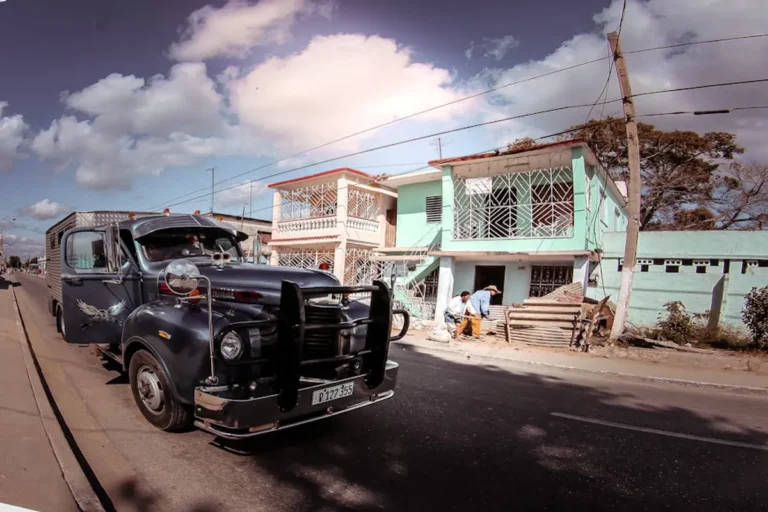
Transportation in Cuba ranges from modern tourist buses to classic American cars. Mistaking a collective taxi (almendrón) for a private one can lead to unexpected routes or shared fares. Always negotiate the fare before entering any taxi, as meters are rarely used. For inter-city travel, the Viazul bus system is reliable and cost-effective, but tickets can sell out quickly, especially during peak season. Booking Viazul tickets online in advance is highly recommended. Car rentals are available but can be expensive, and the vehicles may not be new, requiring careful inspection before accepting the rental.
Dietary and Health Considerations
Tap water in Cuba is generally not safe for drinking. Always consume bottled water, which is widely available but can be more expensive in tourist areas. Food availability can be inconsistent due to import restrictions and supply chain issues. While paladares offer fresh, locally sourced meals, dietary restrictions may be challenging to accommodate. Travelers with specific needs should carry essential snacks or supplements. Mandatory health insurance is required for all visitors, and travelers should ensure their policy covers medical emergencies and repatriation.
PRO TIP: Always carry a supply of small bills (CUP) for tipping, street vendors, and small purchases. Many vendors, especially in local markets, may not have change for larger denominations, or they might try to shortchange tourists who are unfamiliar with the currency.
Cultural Missteps and Communication Barriers
Engaging with Cuban culture involves understanding local customs. Cubans are generally warm and hospitable, but a basic grasp of Spanish phrases can significantly enhance interactions. Politeness, a smile, and an attempt at local language go a long way. Tipping is customary for service providers, including restaurant staff, taxi drivers, and musicians. Over-tipping can sometimes create unrealistic expectations, while under-tipping can be perceived as disrespectful. Observe local practices and tip appropriately based on service quality.
Financial and Safety Traps
Ignoring Travel Insurance and Emergency Preparedness
As noted, health insurance is mandatory for entry into Cuba. Ensure your policy is valid for the duration of your stay and covers emergency medical care, evacuation, and repatriation. Beyond health, comprehensive travel insurance can cover trip cancellations, lost luggage, and other unforeseen events. Keep copies of important documents (passport, visa, insurance policy) separate from the originals and accessible electronically. Knowing the location of your country's embassy or consulate in Havana is also a prudent measure for any emergencies.
Over-reliance on Digital Payments
The limited acceptance of foreign credit cards, particularly those issued by U.S. banks, means that cash remains the primary method of payment for most transactions in Cuba. Even non-U.S. issued cards may face challenges with compatibility or network availability. Do not assume you can rely on digital payment apps or services like Apple Pay. Plan your budget carefully and carry enough cash to cover all anticipated expenses, plus a buffer for emergencies. Distribute your cash among different secure locations to minimize loss risk.
Preparing for a Seamless Cuba Trip
A successful trip to Cuba hinges on thorough preparation and flexibility. Researching current travel regulations, understanding the unique financial and connectivity landscape, and embracing local customs will mitigate common challenges. Pack essential medications, a universal power adapter, and a portable battery bank. Approach interactions with an open mind and a willingness to adapt. By anticipating these potential pitfalls, travelers can focus on experiencing Cuba's vibrant culture, rich history, and welcoming people without unnecessary stress.
Frequently Asked Questions
Is it safe to travel to Cuba?
Cuba is generally considered a safe destination for tourists, with low rates of violent crime. Petty crime, like pickpocketing, can occur in crowded tourist areas, so remain vigilant and secure your belongings. It's always wise to take standard travel precautions.
What currency should I bring to Cuba?
Bring Euros, Canadian Dollars, or Mexican Pesos in cash. These currencies are readily exchanged for Cuban Pesos (CUP) at official exchange houses (Cadecas) or banks. U.S. dollars often incur a surcharge or are not accepted for exchange.
Can I use my U.S. credit card in Cuba?
No, U.S.-issued credit and debit cards are generally not accepted in Cuba due to the U.S. embargo. Travelers from other countries may find limited acceptance of their cards, primarily in larger hotels or state-run establishments, but cash is always preferred.
Do I need a visa to travel to Cuba?
Most foreign visitors, including U.S. citizens, require a tourist card (often referred to as a visa) to enter Cuba. This card can typically be obtained from your airline, tour operator, or the Cuban embassy/consulate in your country of residence before departure.