Traveling to Cuba offers a unique cultural experience, blending rich history, vibrant music, and stunning architecture. However, like any international destination, ensuring a safe and smooth trip requires specific preparation and awareness. Proactive planning helps mitigate potential issues, allowing visitors to fully engage with the destination without undue concern. This guide outlines essential safety considerations, focusing on practical steps to enhance personal security, manage health risks, and navigate local customs effectively.
Pre-Trip Planning and Essential Documentation
Thorough preparation before departure is fundamental to a secure Cuban journey. This includes understanding entry requirements, securing appropriate insurance, and organizing vital documents.
Travel Insurance Coverage
Securing comprehensive travel insurance is non-negotiable for Cuba. The Cuban government mandates that all visitors possess valid travel insurance, including medical coverage. This policy should cover emergency medical treatment, evacuation, and repatriation. Verify that your chosen policy explicitly covers Cuba, as some providers may have exclusions related to specific countries. Print physical copies of your insurance documents and keep them separate from digital versions.
Document Management and Security
Beyond your passport and visa, carry multiple copies of all essential documents. This includes photocopies of your passport's main page, visa, travel insurance policy, and flight itinerary. Store digital copies securely on a cloud service or encrypted drive. Leave original documents, such as your passport, in a hotel safe when not required for official purposes, carrying only photocopies for daily excursions. This minimizes risk in case of loss or theft.
- Passport and visa (originals in hotel safe, carry photocopies)
- Travel insurance policy (physical and digital copies)
- Flight and accommodation confirmations
- Emergency contact information (local and international)
- Prescription medication details (if applicable)
Emergency Contacts and Communication
Before leaving, provide a trusted contact at home with your itinerary and copies of key documents. In Cuba, identify the location and contact details for your country's embassy or consulate. Cellular service and internet access can be inconsistent or expensive; consider purchasing a local SIM card upon arrival for more reliable communication. Inform your bank of your travel dates to prevent card flagging for suspicious activity.
Navigating Locally: Transport and Personal Security
Understanding local transportation options and maintaining situational awareness are crucial for personal safety while exploring Cuba.
Public and Private Transportation
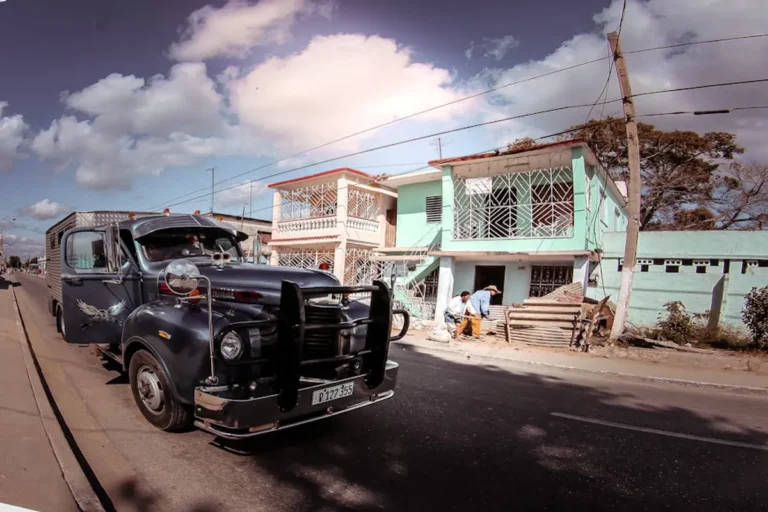
For inter-city travel, Viazul buses are a reliable and cost-effective option, catering specifically to tourists. Within cities, official taxis (distinguishable by meters or official government markings) are generally safe. Negotiate fares with unmetered taxis or private cars (often older, classic vehicles) before starting your journey. Avoid accepting rides from unsolicited drivers, especially late at night. For shorter distances, consider 'bicitaxis' (bicycle taxis) during the day, but confirm the price beforehand.
Street Safety and Valuables
Petty crime, such as pickpocketing and bag snatching, occurs, particularly in crowded tourist areas and markets. Minimize the display of expensive jewelry, cameras, or large sums of cash. Use an anti-theft bag or money belt worn under clothing. Be wary of distractions or unsolicited help from strangers, which can be tactics for theft. Avoid walking alone in poorly lit or unfamiliar areas at night. Maintain awareness of your surroundings, especially when using ATMs or public transport.
Pro Tip: When carrying cash, distribute it across different pockets or bags. Keep a smaller amount readily accessible for daily expenses, and larger sums secured elsewhere. This minimizes potential losses if a wallet is lost or stolen.
Health and Medical Considerations
Proactive health measures and awareness of local medical facilities are essential for a healthy trip.
Food and Water Safety
To avoid gastrointestinal issues, drink only bottled or purified water. Avoid tap water, even for brushing teeth. Be cautious with ice in drinks unless you confirm it's made from purified water. When eating, opt for well-cooked food from reputable establishments. Peel fruits and vegetables, and avoid raw salads or unpasteurized dairy products. Street food can be a highlight but choose vendors with high turnover and visible hygiene practices.
Medication and Sun Protection
Bring any necessary prescription medications in their original packaging, along with a doctor's note explaining their use. Over-the-counter medications can be scarce in Cuba, so pack a basic first-aid kit including pain relievers, anti-diarrhea medication, and antiseptic wipes. Cuba's tropical climate means intense sun; use high-SPF sunscreen, wear a wide-brimmed hat, and seek shade during peak hours to prevent sunburn and heatstroke.
Financial Security and Transactions
Navigating financial transactions in Cuba requires understanding the local currency system and potential limitations.
Best for: Cash management and financial planning
Due to ongoing international sanctions, credit and debit card acceptance can be limited, particularly for cards issued by U.S. banks. While some hotels and larger state-run businesses may accept international cards, cash remains the primary method of payment for most transactions. The local currency is the Cuban Peso (CUP). Exchange foreign currency (Euros, Canadian Dollars, or Mexican Pesos are often preferred over U.S. Dollars due to a historical surcharge on USD exchanges) at official Casas de Cambio (CADECA) or banks. Avoid exchanging money on the black market, which carries significant risks of fraud or counterfeit currency.
Cultural Awareness and Local Interactions
Respecting local customs and engaging politely can significantly enhance your experience and avoid misunderstandings.
Language and Communication
While some Cubans in tourist areas speak English, learning basic Spanish phrases can greatly improve interactions and demonstrate respect. Simple greetings, requests, and expressions of gratitude go a long way. This also aids in practical situations like ordering food or asking for directions.
Local Customs and Social Etiquette
Cuban culture is generally warm and welcoming. Politeness and respect are highly valued. Be mindful of local sensitivities, particularly regarding politics or economic conditions. Avoid public displays of affection that might be considered excessive. Tipping is customary for services in restaurants, bars, and for tour guides; it is a significant part of many service workers' income.
Ensuring a Secure Cuban Journey
A safe and memorable trip to Cuba hinges on informed choices and a proactive approach to potential challenges. By prioritizing comprehensive travel insurance, meticulous document management, and cautious financial practices, travelers can minimize risks. Understanding local transportation nuances, maintaining situational awareness in public spaces, and adhering to basic health precautions further contribute to a secure experience. Engaging respectfully with Cuban culture and being prepared for limited connectivity or service availability will enhance your journey, allowing for deeper appreciation of this unique destination.
Frequently Asked Questions
Is Cuba generally safe for tourists?
Cuba is generally considered safe for tourists, with violent crime against visitors being rare. Petty crime, such as pickpocketing or bag snatching, is more common, particularly in crowded areas. Exercising standard precautions, like not displaying valuables and being aware of your surroundings, is advisable.
What currency should I bring to Cuba?
It is best to bring Euros, Canadian Dollars, or Mexican Pesos to exchange for Cuban Pesos (CUP). U.S. Dollars can be exchanged but historically incur an additional surcharge. Cash is essential due to limited credit/debit card acceptance, especially for cards issued by U.S. banks.
Should I drink tap water in Cuba?
No, it is strongly recommended to avoid drinking tap water in Cuba. Always opt for bottled or purified water, even for brushing your teeth, to prevent gastrointestinal issues. Be cautious with ice unless you can confirm it is made from purified water.
Are there any specific scams tourists should be aware of?
Common scams include overcharging for goods or services, particularly in unmetered taxis or private transactions. Be wary of individuals offering unsolicited "help" or attempting to divert you to specific shops or restaurants. Always agree on a price beforehand for services and be cautious of offers that seem too good to be true.