Cuban art, particularly its vibrant street murals, offers a profound narrative of the island’s history, social evolution, and cultural identity. For content creators, cultural institutions, and those seeking to understand the nuances of a distinct global culture, these visual expressions provide a rich, authentic source of insight. This guide outlines the foundational elements of Cuban art and its street mural tradition, detailing its historical roots, key movements, and the specific locations where these artistic statements thrive. Understanding this landscape is essential for anyone aiming to engage with Cuban culture authentically, whether for educational content, travel planning, or cultural appreciation.
Historical Trajectories of Cuban Art
The development of Cuban art is deeply intertwined with the island's complex socio-political history, evolving from colonial influences to revolutionary fervor and beyond. Early artistic expressions were largely shaped by European traditions, particularly Spanish colonial styles, focusing on religious themes and portraiture. The 19th century saw the emergence of academic institutions and the gradual development of a distinct Cuban aesthetic, often reflecting landscapes and local life.
The early 20th century marked a significant shift with the rise of avant-garde movements. Artists began to challenge traditional forms, incorporating elements of modernism, cubism, and surrealism, often infused with Afro-Cuban motifs and a growing sense of national identity. This period laid groundwork for a uniquely Cuban artistic voice, moving beyond mere replication of European trends.
Art in the Revolutionary Era and Beyond
The 1959 Cuban Revolution profoundly reshaped the artistic landscape. Art became a powerful tool for communication, education, and the promotion of revolutionary ideals. The government established institutions like the National School of Art (ENA) and the Cuban Institute of Art and Cinematography (ICAIC), fostering a new generation of artists. Propaganda art, posters, and public murals became prevalent, often depicting heroic figures, agricultural progress, and anti-imperialist sentiments. This era solidified the role of public art as a medium for collective expression and political discourse.
Following the "Special Period" in the 1990s, characterized by economic hardship after the collapse of the Soviet Union, Cuban art experienced another transformation. Artists began to explore more introspective, critical, and diverse themes, often reflecting on daily life, personal struggles, and societal changes with greater nuance. This period saw a diversification of styles and a renewed engagement with international art trends, while still maintaining a distinct Cuban perspective.
The Evolution of Street Murals
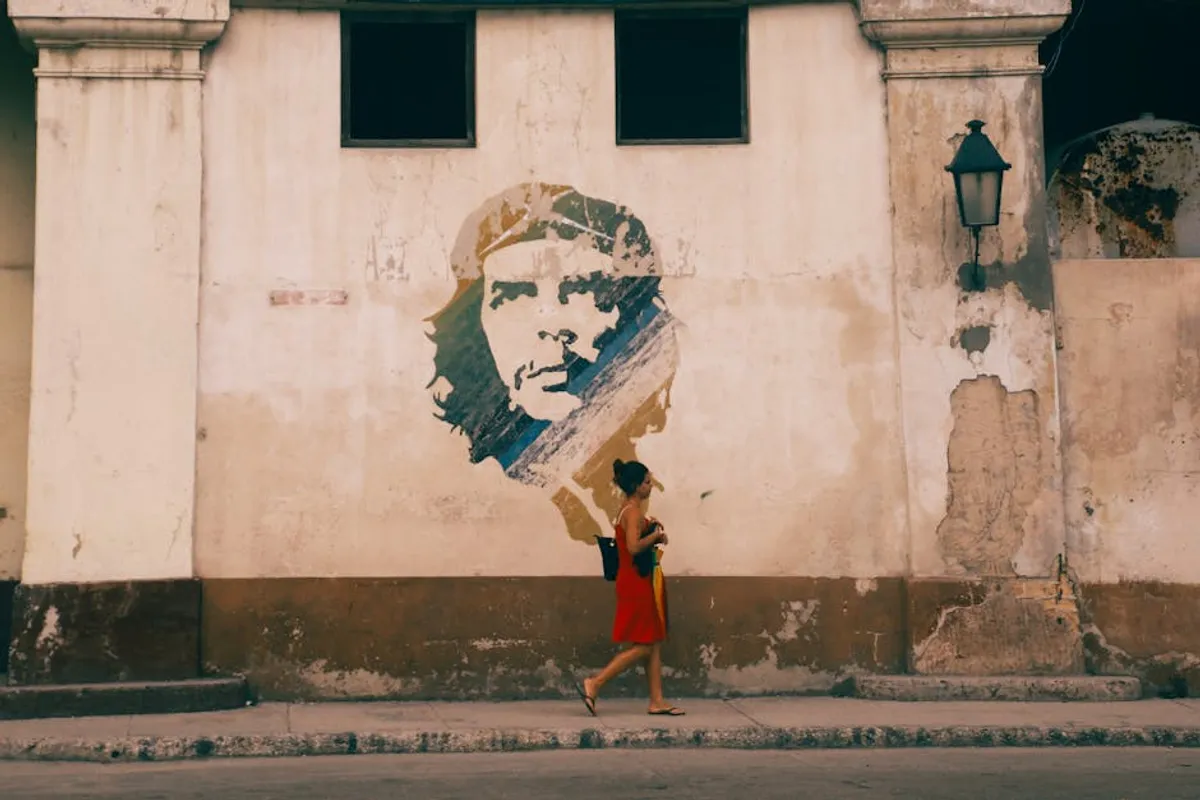
Street murals in Cuba are not merely decorative; they are dynamic canvases reflecting public sentiment, historical events, and community identity. While public art has a long history, the modern street mural movement gained significant traction post-revolution, evolving from state-sponsored projects to more grassroots, community-driven initiatives.
Initially, many murals were commissioned to disseminate revolutionary messages, often featuring bold, graphic styles and strong political iconography. These works frequently served as visual history lessons, celebrating national heroes and key moments. Over time, as artistic freedom expanded and economic conditions shifted, the scope of street murals broadened.
Today, murals can be found in various forms: from large-scale, professionally executed pieces funded by cultural programs to spontaneous, often ephemeral, works by local artists. They frequently address themes of social justice, environmental concerns, cultural heritage, and everyday Cuban life. The materials and techniques used are diverse, ranging from traditional paint on plaster to mixed media installations.
Pro Tip: When documenting Cuban street murals, consider the context of their creation. Many murals are community-driven projects, reflecting local narratives and aspirations. Engaging with local residents or artists can provide invaluable insights into the deeper meanings and stories behind the artwork, enriching any content produced.
Key Artistic Movements and Influences in Murals
Cuban street murals draw from a confluence of artistic movements and cultural influences, creating a visually rich and often complex tapestry.
- Afro-Cuban Syncretism: Many murals incorporate symbols, deities (Orishas), and narratives from Santería and other Afro-Cuban religions, reflecting the island’s deep African heritage. These elements often blend with Catholic iconography, illustrating the syncretic nature of Cuban culture.
- Social Realism: Influenced by Mexican muralism and revolutionary ideals, social realism is a prominent style, depicting the lives of ordinary people, agricultural workers, and historical events with a focus on realism and narrative clarity.
- Naive Art (Arte Naif): Characterized by its childlike simplicity, bright colors, and lack of formal training, naive art often appears in murals, particularly in rural areas or community projects. It offers a direct, unpretentious view of Cuban life.
- Contemporary Urban Art: In more urban settings, contemporary street art influences, including graffiti and stencil art, have emerged. These works often engage with global trends while retaining a distinct Cuban flavor, sometimes offering subtle social commentary.
- Propaganda Art: While less dominant than in earlier decades, the legacy of propaganda art continues to influence mural aesthetics, particularly in the use of bold lettering, iconic imagery, and clear, impactful messaging.
Prominent Locations and Mural Districts
To experience the breadth of Cuban street murals, certain locations stand out as hubs of artistic activity.
Havana
The capital city is a primary destination for mural art. The historic neighborhood of Old Havana (Habana Vieja) features numerous murals, many restored or commissioned as part of its UNESCO World Heritage site preservation efforts. These often depict historical scenes or cultural figures.
The community project of Fusterlandia in Jaimanitas, created by artist José Fuster, is a sprawling, mosaic-covered neighborhood that functions as a giant, immersive mural. It's a testament to community art and individual vision.
The Callejón de Hamel, a small alley in the Cayo Hueso neighborhood, is a living museum of Afro-Cuban art and culture. Its walls are covered in vibrant murals, sculptures, and installations, often accompanied by live rumba music on Sundays. This area is a key site for understanding the intersection of art, religion, and community.
Santiago de Cuba
As Cuba's second-largest city and a cradle of revolutionary history, Santiago de Cuba also boasts significant mural art. Many pieces commemorate historical events and national heroes, reflecting the city's patriotic spirit. The city's strong Afro-Cuban roots are often visible in its public art, with themes relating to carnival, music, and spiritual traditions.
Viñales Valley
In the Pinar del Río province, the Mural de la Prehistoria is a monumental work painted on a cliff face. While not a typical street mural, its scale and public nature make it a significant piece of Cuban outdoor art, depicting the evolution of life on Earth. Surrounding towns and villages also feature smaller, community-focused murals.
Leveraging Cuban Art and Murals for Content and Cultural Understanding
The rich tradition of Cuban art and street murals offers compelling avenues for content creation and deeper cultural engagement. For publishers and marketers, these visual narratives provide authentic storytelling opportunities that resonate with audiences interested in history, culture, and social commentary. Engaging with key cuban artists for beginners can unlock a deeper appreciation for the island's visual language and its historical context.
Content Opportunities:
- Travel & Tourism: Develop guides to mural hotspots, highlighting specific artists or community projects.
- Cultural Studies: Create educational content exploring the socio-political context and artistic influences behind specific murals.
- Visual Storytelling: Utilize high-quality photography and video to capture the vibrancy and detail of these works, creating engaging visual essays.
- Market Insights: Analyze themes and symbols in contemporary murals to gauge evolving public sentiment or cultural trends within specific Cuban communities.
By focusing on the authenticity and depth of Cuban street art, content can move beyond superficial portrayals, offering valuable insights into a dynamic and expressive culture.
Frequently Asked Questions About Cuban Art and Street Murals
What is the primary significance of street murals in Cuba?
Cuban street murals serve as dynamic public canvases that reflect the island's history, socio-political narratives, cultural identity, and community aspirations. They function as both artistic expression and a means of communication, education, and collective memory.
Are all Cuban murals politically charged?
While many murals, especially those from the revolutionary era, carry political messages, contemporary street art in Cuba encompasses a much broader range of themes. These include Afro-Cuban heritage, daily life, environmental concerns, social justice, and abstract expressions, alongside historical and patriotic depictions.
Can tourists easily access and photograph street murals?
Yes, street murals are generally accessible in public spaces throughout Cuba, particularly in cities like Havana and Santiago de Cuba. Visitors are typically welcome to photograph them, though it's always respectful to be mindful of local residents and community activities, especially in residential areas.
How does Afro-Cuban culture influence the murals?
Afro-Cuban culture is a profound influence, manifesting through the incorporation of symbols, deities (Orishas), and narratives from Santería and other African-derived religions. These elements often blend with other artistic styles, reflecting the deep syncretism and vibrant cultural heritage of the island.