Beginning an exploration into Cuban music can feel overwhelming, given its rich history, diverse rhythms, and distinct instrumentation. For newcomers, the sheer volume of genres and artists might obscure where to start listening, what to recognize, or how to appreciate its foundational elements. This guide provides a structured approach for beginners to navigate the landscape of Cuban music, focusing on core genres, essential instruments, and practical listening strategies. The aim is to demystify its complexity, offering clear pathways to understanding and enjoying one of the world's most influential musical traditions.
Understanding Key Genres and Rhythms
Cuban music is a tapestry woven from African and Spanish influences, evolving into distinct styles. Recognizing these foundational genres is the first step to appreciating its depth.
Son Cubano: The Foundation
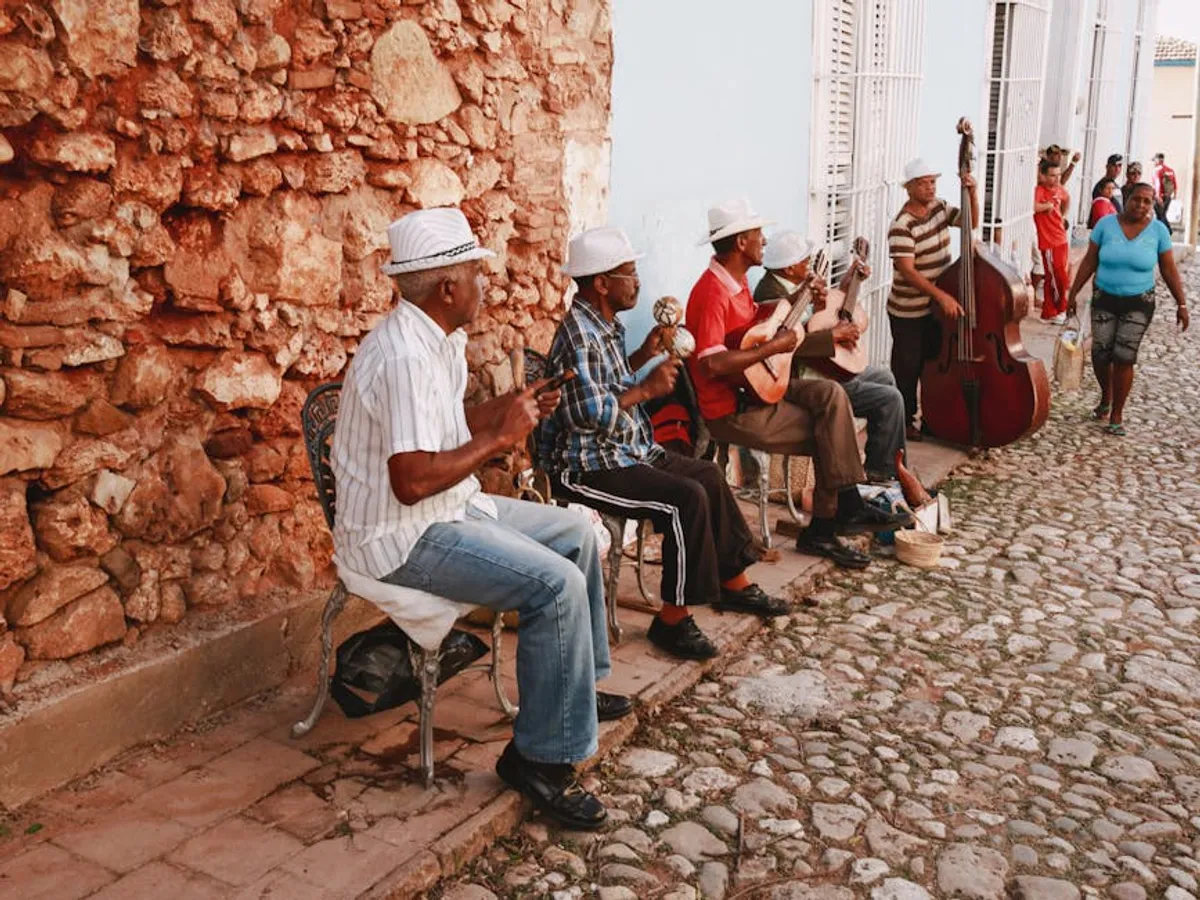
Son Cubano is the cornerstone of much of what the world recognizes as Cuban music. Originating in the eastern provinces of Cuba in the late 19th century, it blends Spanish guitar traditions with African percussion and call-and-response vocals. Its characteristic rhythm, often driven by the clave, is both infectious and intricate. Instruments typically include the tres (a three-course Cuban guitar), acoustic guitar, bass, bongos, maracas, and often a trumpet. The interplay between the lead singer (sonero) and the chorus (coro) is central to its structure. Understanding Son is crucial because it directly influenced later genres like Salsa.
Best for: Listeners seeking the historical roots of Cuban popular music and a direct connection to its traditional sound.
Salsa: A Global Evolution
While often associated with New York City and Puerto Rico, Salsa's rhythmic and melodic DNA is undeniably Cuban, largely deriving from Son. It emerged in the mid-20th century, incorporating elements of Mambo, Cha-Cha-Chá, and Latin Jazz. Salsa is characterized by its faster tempo, more complex horn arrangements, and a greater emphasis on danceability. It often features a larger ensemble than traditional Son, including multiple trumpets, trombones, piano, bass, and a full percussion section (congas, bongos, timbales, maracas, guiro). The term "Salsa" itself became a marketing umbrella for various Afro-Cuban and Latin American dance music styles.
Best for: Those who enjoy energetic dance music with intricate arrangements and a strong rhythmic drive.
Rumba: The Street Soul
Rumba is a secular, Afro-Cuban folkloric genre rooted in the traditions of enslaved Africans in Cuba. It is primarily percussion-driven, featuring congas, cajones (wooden boxes), and claves, accompanied by vocalists. Unlike Son or Salsa, Rumba is not typically performed with melodic instruments like guitars or horns. There are three main forms: Guaguancó (a courtship dance with a male-female chase), Yambú (a slower, older form often danced by older couples), and Columbia (a fast, acrobatic male solo dance). Rumba's raw percussive energy and call-and-response vocals offer a direct link to African musical heritage.
Best for: Listeners interested in the raw, percussive, and vocal roots of Afro-Cuban music and its direct cultural significance.
Cha-Cha-Chá and Mambo: Dance Floor Classics
These two genres gained international popularity in the 1950s, largely due to their infectious dance rhythms. Mambo, pioneered by artists like Pérez Prado, is characterized by its energetic, brass-heavy sound and often fast tempo, designed for big band dancing. Cha-Cha-Chá, developed by Enrique Jorrín, is a slightly slower, more structured dance rhythm derived from the Danzón. Its distinctive "cha-cha-chá" sound comes from the dancers' feet on the floor. Both genres showcase sophisticated orchestral arrangements and remain staples in Latin dance halls.
Best for: Those seeking classic, elegant, and highly danceable orchestral Latin sounds.
Timba: Modern Cuban Fusion
Timba emerged in the late 1980s and early 1990s, representing a highly complex and energetic fusion of Son, Salsa, Rumba, and American Funk and Jazz. It is characterized by its intricate arrangements, often featuring rapid tempo changes, extended instrumental solos, and powerful brass sections. Timba bands typically have a large lineup, including multiple percussionists, a full horn section, piano, bass, and lead vocalists who often engage in improvisational call-and-response with the chorus. It is considered the contemporary evolution of Cuban popular dance music.
Best for: Listeners who appreciate complex, high-energy, and modern interpretations of Afro-Cuban rhythms with strong jazz and funk influences.
Essential Instruments to Recognize
The distinctive sound of Cuban music is deeply tied to its unique instrumentation. Recognizing these instruments enhances the listening experience.
- Tres Cubano: A three-course string instrument, similar to a guitar but with a brighter, more percussive sound. Its distinctive melodic and rhythmic role is central to Son Cubano.
- Congas: Tall, barrel-shaped drums of African origin, played with the hands. They provide the fundamental rhythmic pulse and polyrhythms in many Cuban genres.
- Bongos: A pair of small, connected drums played with the hands, offering higher-pitched, sharp accents and rhythmic fills.
- Timbales: A pair of shallow, single-headed drums mounted on a stand, played with sticks. They are prominent in Mambo, Salsa, and Timba, known for their sharp, metallic sound and rimshots.
- Claves: Two short, thick wooden sticks struck together, producing a sharp, resonant sound. They establish the rhythmic foundation (the "clave") that underpins most Cuban music.
- Trumpet: A prominent melodic and harmonic instrument, especially in Son, Mambo, Salsa, and Timba, contributing bright, often syncopated horn lines.
- Piano: Provides harmonic support, rhythmic counterpoint, and often improvisational solos, particularly in Mambo, Salsa, and Timba.
- Bass: The electric or acoustic bass provides the harmonic and rhythmic anchor, often playing syncopated lines that lock in with the percussion.
Navigating Cuban Music for Listening
Starting Your Collection
For beginners, compilations or albums by widely recognized artists offer the most accessible entry points. Focus on foundational recordings that clearly exemplify the genre. For Son, the Buena Vista Social Club album (1997) serves as an excellent, albeit popular, introduction, showcasing legendary musicians. For classic Mambo, explore albums by Pérez Prado. For Salsa, early Fania All-Stars recordings or foundational artists like Celia Cruz, Willie Colón, and Rubén Blades provide a comprehensive overview. When exploring Timba, groups like Los Van Van or NG La Banda are essential.
Identifying Authentic Sounds
Authenticity in Cuban music often revolves around the mastery of its complex rhythmic structures, particularly the clave. Listen for the distinct interplay between percussion instruments, the call-and-response vocal patterns (often between a lead singer and a chorus), and the characteristic melodic phrasing of instruments like the tres or trumpet. The energy and improvisational elements are also key indicators. Avoid overly polished or diluted versions that strip away the raw, syncopated core.
Pro Tip: To deepen your understanding, seek out documentaries on Cuban music history or live performances. Seeing the musicians interact with their instruments and the audience provides invaluable context that mere listening cannot fully convey. Many cultural centers or online communities dedicated to Latin music often host events or discussions that offer direct engagement.
Engaging with Cuban Music Beyond Listening
Dance as an Entry Point
Cuban music is inherently dance music. Engaging with its rhythms through dance, even informally, can significantly enhance appreciation. Learning basic steps for Son, Salsa, or Cha-Cha-Chá helps internalize the rhythmic patterns and understand the music's intended purpose. This physical connection often unlocks a deeper layer of enjoyment and comprehension.
Cultural Context
The music is inseparable from Cuban culture and history. Understanding the socio-political landscape from which these genres emerged provides crucial context. Many songs tell stories of daily life, love, struggle, and celebration, offering insights into the Cuban experience. Exploring the lyrics, even through translation, can reveal profound cultural narratives.
Building Your Cuban Music Appreciation
Embarking on the journey through Cuban music is a continuous process of discovery. Start with the foundational genres like Son and Rumba to grasp the roots, then branch out to their evolutions in Salsa, Mambo, Cha-Cha-Chá, and Timba. Pay attention to the distinct roles of instruments and the rhythmic backbone provided by the clave. By actively listening, seeking out historical context, and even engaging with dance, beginners can cultivate a rich and lasting appreciation for this vibrant musical tradition.
Frequently Asked Questions About Cuban Music
What's the difference between Son Cubano and Salsa?
Son Cubano is the older, foundational Cuban genre, characterized by its acoustic instrumentation (tres, guitar, bongos) and more traditional structure. Salsa is a broader, more modern term that evolved from Son, incorporating elements from Mambo, Jazz, and other Latin styles, often featuring larger horn sections, electric instruments, and faster tempos, becoming a global dance phenomenon.
Are there specific Cuban music festivals I should know about?
Cuba hosts several significant music festivals, including the International Jazz Plaza Festival in Havana, which features both Cuban and international jazz artists, and the Festival Internacional de la Salsa in Havana. Globally, many Latin music festivals feature Cuban artists and genres, offering opportunities to experience live performances.
How can I learn to dance to Cuban music?
Many cities offer Salsa and Cha-Cha-Chá dance classes, which are excellent entry points. Look for instructors specializing in "Casino" style Salsa (Cuban style) for a more authentic connection to the music's origins. Online tutorials and local Latin dance communities can also provide resources and practice opportunities.
What are the most important instruments in Cuban music?
While many instruments contribute, the most foundational are the clave (providing the rhythmic backbone), congas and bongos (for percussion), and the tres Cubano (for its unique melodic and rhythmic voice in Son). The trumpet and piano also hold significant roles in many popular genres like Mambo and Salsa.