Uruguay, a nation often overshadowed by its larger South American neighbors, presents a distinct profile for those seeking unique cultural insights, historical depth, and diverse travel experiences. For content creators, market analysts, and niche publishers, understanding Uruguay's specific characteristics is crucial for developing targeted narratives, identifying untapped audience segments, and crafting authoritative resources. This overview details the core facets of Uruguayan culture, travel, and history, providing a foundation for informed content development and strategic market positioning.
Uruguayan Cultural Identity and Traditions
Uruguayan culture is a blend of European heritage, particularly Spanish and Italian, with indigenous influences and a strong independent spirit. This synthesis manifests in daily life, social customs, and artistic expressions, offering rich material for cultural deep-dives and lifestyle content.
The Ritual of Mate
Mate, a traditional South American infused drink, is central to Uruguayan social life. Unlike its consumption in Argentina, Uruguayans often carry their thermos and gourd individually, emphasizing its personal and constant presence. The ritual involves specific preparation, sharing etiquette (though less common in public than in Argentina due to individual consumption habits), and a sense of community. Content focusing on mate can explore its health benefits, cultural significance, and the craftsmanship of gourds and bombillas, attracting audiences interested in unique traditions and artisanal products.
Candombe and Carnival
Candombe, an Afro-Uruguayan rhythm and dance, is a cornerstone of the nation's cultural heritage, especially prominent during the annual Montevideo Carnival. This vibrant expression, recognized by UNESCO, involves specific drum types (chico, repique, piano), parades (llamadas), and a strong sense of collective identity. Carnival itself is an extended celebration, lasting over 40 days, making it the longest in the world. Content exploring Candombe and Carnival can target audiences interested in world music, cultural festivals, and the African diaspora's influence in Latin America.
Gastronomy and Culinary Staples
Uruguayan cuisine is hearty, meat-centric, and reflects its agricultural roots. The asado (barbecue) is a national institution, often featuring various cuts of beef cooked over coals. The chivito, a substantial steak sandwich, is another iconic dish. Dulce de leche is omnipresent, used in desserts and pastries. Wine production, particularly Tannat, is also gaining international recognition. Culinary content can focus on recipes, food tourism, and the regional variations of these staples, appealing to food enthusiasts and travelers.
Pro Tip: When developing content around Uruguayan culture, emphasize the nuances that differentiate it from its larger neighbors. For instance, while mate and tango are shared, their local expressions and social contexts in Uruguay often carry distinct characteristics. This specificity enhances authority and appeals to audiences seeking detailed, authentic information.
Exploring Uruguay: Travel Destinations and Experiences
Uruguay offers a range of travel experiences, from historical colonial towns to bustling beach resorts and tranquil rural landscapes. Its compact size makes it conducive to diverse itineraries, appealing to various traveler demographics.
Montevideo: The Capital City
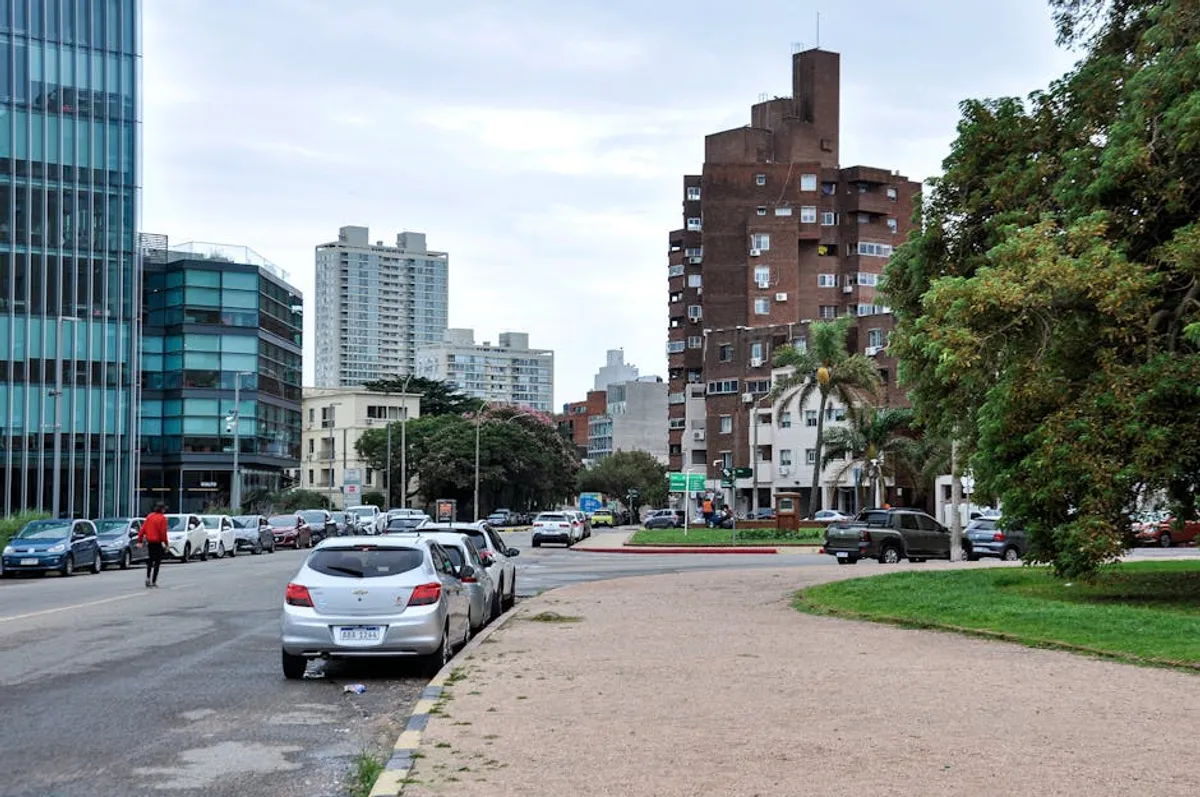
Montevideo, the capital, blends European architecture with a relaxed South American pace. Key attractions include the Ciudad Vieja (Old City) with its colonial buildings, the Mercado del Puerto for traditional food, and the extensive Rambla, a coastal promenade popular for walking and cycling. Cultural institutions like the Teatro Solís and numerous museums offer historical and artistic insights. Travel content can focus on urban exploration, cultural immersion, and the city's unique blend of old and new.
Colonia del Sacramento: A UNESCO Heritage Site
Colonia del Sacramento, a short ferry ride from Buenos Aires, is a UNESCO World Heritage site known for its well-preserved colonial architecture. Its cobblestone streets, historic lighthouse, and picturesque waterfront attract history buffs and those seeking a romantic escape. This destination is ideal for content on historical tourism, short getaways, and photography guides.
Punta del Este and the Atlantic Coast
Punta del Este is Uruguay's premier beach resort, attracting international visitors with its vibrant nightlife, luxury accommodations, and expansive beaches. Further along the coast, towns like La Paloma and Cabo Polonio offer more relaxed, bohemian atmospheres and natural beauty. Content can target luxury travelers, surf enthusiasts, eco-tourists, and those seeking active beach vacations.
Rural Tourism and Estancias
Beyond the cities and coasts, Uruguay's interior offers opportunities for rural tourism, including stays on traditional estancias (ranches). These experiences provide insights into gaucho culture, horseback riding, and agricultural life. This niche appeals to adventure travelers, cultural immersion seekers, and those interested in sustainable tourism.
A Glimpse into Uruguayan History
Uruguay's history is marked by colonial struggles, periods of intense political upheaval, and a strong trajectory towards democratic stability and social progress. Understanding this past provides context for its contemporary identity.
Colonial Origins and Independence
Originally inhabited by indigenous groups like the Charrúa, Uruguay became a contested territory between the Spanish and Portuguese empires, known as the Banda Oriental (Eastern Bank). Its strategic location at the mouth of the Río de la Plata led to centuries of conflict. Independence was hard-won, with national hero José Artigas playing a pivotal role in the early 19th century. Content covering this period can explore themes of national identity, regional power dynamics, and the challenges of nation-building.
Modern History and Social Progress
Following independence, Uruguay experienced periods of civil war and political instability but eventually established a robust democratic tradition. The early 20th century saw significant social reforms, making Uruguay a pioneer in areas like women's suffrage, divorce laws, and social welfare. While it endured military dictatorships in the mid-20th century, the nation has since returned to democratic governance. Its progressive policies, including the legalization of cannabis and same-sex marriage, continue to shape its international image. Historical content can delve into political science, social reform movements, and comparative governance studies.
Strategic Content Opportunities in Uruguay
The distinct facts about Uruguay's culture, travel, and history offer numerous avenues for content creators and marketers. By focusing on these specific elements, publishers can capture niche audiences and establish authority.
- Cultural Deep Dives: Create articles or videos on specific cultural phenomena like the mate ritual, Candombe's history, or the nuances of Uruguayan Tango, appealing to anthropology, music, or lifestyle segments.
- Niche Travel Guides: Develop guides for specific traveler types, such as "Historical Walking Tours of Montevideo," "Eco-Tourism in Cabo Polonio," or "Gaucho Experience Estancias," targeting specialized travel interests.
- Historical Narratives: Produce content that explores Uruguay's unique political journey, its role in regional conflicts, or its pioneering social reforms, attracting history enthusiasts, academics, and political science readers.
- Culinary Exploration: Focus on Uruguayan gastronomy with recipes, restaurant reviews, and food tours, catering to food bloggers, chefs, and culinary tourists.
- Comparative Analysis: Position Uruguay in comparison to its neighbors, highlighting its differences in culture, cost of living, or travel experience, for audiences seeking alternatives or deeper regional understanding.
By leveraging these distinct characteristics, content can be tailored to specific search intent, from informational queries about historical figures to commercial searches for travel packages or cultural products.
Frequently Asked Questions About Uruguay
What is Uruguay best known for?
Uruguay is widely known for its mate culture, its annual Candombe carnival, its progressive social policies, its high quality of life, and its beef production, particularly the traditional asado barbecue.
Is Uruguay a safe country for tourists?
Uruguay is generally considered one of the safest countries in South America for tourists, particularly in its major cities and tourist destinations. Standard precautions against petty crime are advisable, as with any travel destination.
What is the best time of year to visit Uruguay?
The peak tourist season in Uruguay is during the summer months, from December to February, when the weather is warm and ideal for beach activities. For those preferring milder temperatures and fewer crowds, spring (September to November) and autumn (March to May) offer pleasant weather for exploring cities and historical sites.
What makes Uruguayan culture unique compared to its neighbors?
While sharing some cultural elements with Argentina and Brazil, Uruguay's culture is distinctive due to its strong European influence, particularly Italian, its emphasis on individual mate consumption, its unique Candombe tradition, and its long history of progressive social policies that have shaped a distinct national identity.