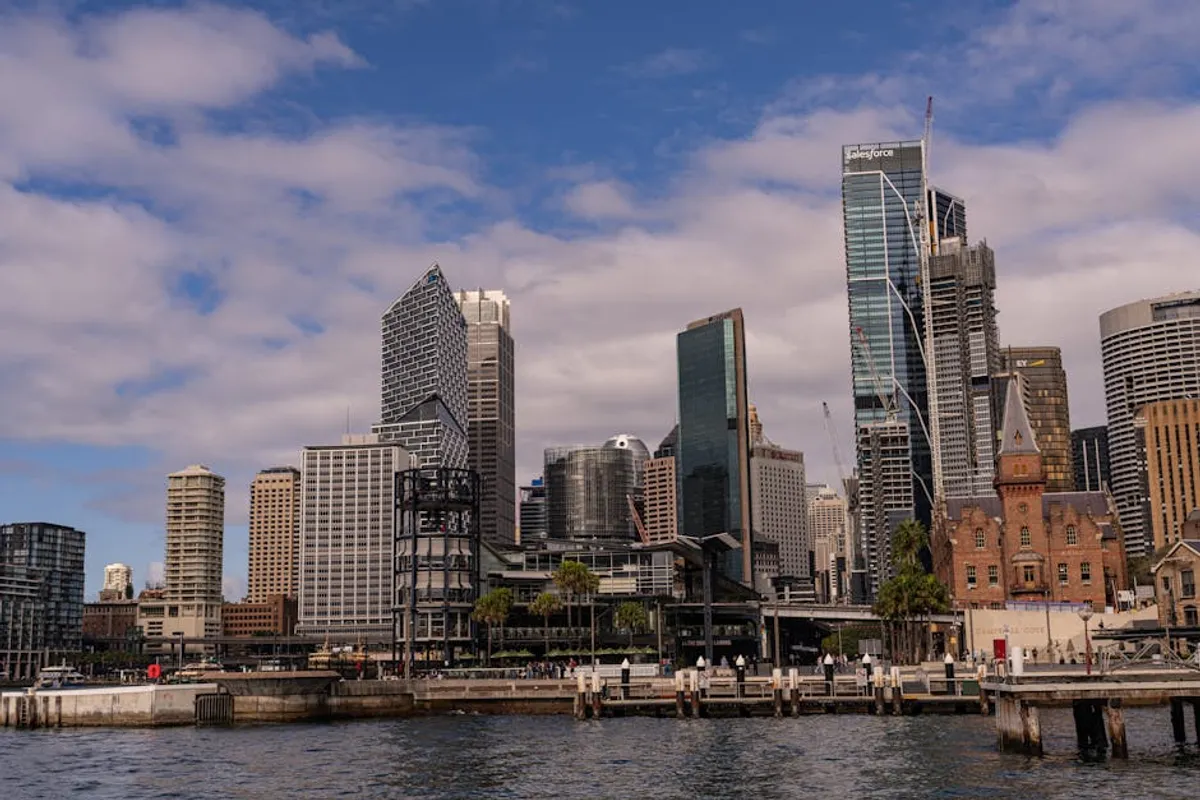
For travel writers aiming to elevate their content beyond anecdotal narratives, analyzing established destination guides offers a direct path to commercial utility and enhanced search visibility. Top-tier "Things to Do in Sydney" resources, for example, are not merely lists of attractions; they are meticulously structured content assets designed to capture diverse user intent, facilitate decision-making, and drive conversions. Understanding the strategic choices behind these successful guides can transform a travel writer's approach from simply documenting experiences to crafting high-performance, commercially viable content.
Deconstructing User Intent in Top Destination Guides
Successful Sydney destination guides excel at anticipating and addressing a spectrum of user queries that extend far beyond a simple "what to see." They move past basic informational searches to encompass transactional and navigational needs, which are critical for commercial success.
Identifying Transactional and Navigational Queries
Effective guides integrate content that directly answers transactional questions. For instance, a user searching for "Sydney Opera House tours" isn't just seeking information about the building; they are looking to book a specific experience. Leading guides will feature direct links or clear calls to action for ticket purchases, often incorporating pricing details or booking windows. Similarly, navigational queries, such as "best hotels Circular Quay" or "restaurants near Taronga Zoo," are addressed by embedded maps, curated lists with direct booking options, and precise location-based recommendations. This approach ensures that the content serves as a complete planning resource, reducing the user's need to navigate away to complete their journey.
The Role of Informational Depth and Practicalities
Beyond listing attractions, the most valuable Sydney guides provide a layer of practical information that differentiates them from basic travel blogs. This includes details on:
- Logistics: How to reach specific sites via public transport, estimated travel times, and parking options.
- Accessibility: Information on wheelchair access, stroller-friendliness, and facilities for families.
- Cost & Budgeting: Average entry fees, tips for saving money, and price ranges for dining or activities.
- Best Times to Visit: Seasonal considerations, crowd levels, and recommended times of day for specific attractions.
- Insider Tips: Unique perspectives, lesser-known facts, or local recommendations that add value beyond official descriptions.
This depth anticipates follow-up questions, keeping users engaged and positioning the content as an authoritative resource. For travel writers, this means dedicating effort to research and include these operational details, which often correlate with higher user satisfaction and lower bounce rates.
Structured Data and Content Organization for Visibility
The way information is presented in a destination guide significantly impacts both user experience and search engine visibility. Top Sydney guides employ specific organizational strategies to make complex travel planning digestible.
Leveraging Lists, Tables, and Comparison Formats
High-performing guides frequently utilize structured formats that break down information into easily scannable segments. "Top 10 Free Things to Do in Sydney," "Best Beaches for Families," or "Sydney Itinerary: 3 Days vs. 5 Days" are common examples. These structures are not just user-friendly; they are also optimized for search engines, increasing the likelihood of securing featured snippets. Tables are often used for comparing options like "Sydney Harbour Cruises: Price & Inclusions" or "Hotel Options by Neighborhood." This allows users to quickly compare attributes and make informed decisions, directly addressing comparison-based search intent.
Incorporating Schema Markup for Enhanced Visibility
While not always visible to the end-user, the underlying structure of top guides often aligns with schema.org markup types. For instance, an entry for the Sydney Opera House might implicitly contain elements that could be marked up as a "Place" or "TouristAttraction," including address, opening hours, and review scores. A list of upcoming events could be structured for "Event" schema. By mentally dissecting how these guides present information, travel writers can learn to organize their content in a way that facilitates easier implementation of structured data, leading to richer search results and improved click-through rates.
Commercialization Strategies Embedded in Content
The most successful destination guides seamlessly integrate commercial opportunities without compromising user experience. This requires a strategic approach to affiliate marketing and local partnerships.
Strategic Affiliate Integrations
Instead of obvious banner ads, leading guides weave affiliate links naturally into the content where they provide direct value to the user. For instance, within a description of a specific tour, a discreet link to a reputable booking platform like Klook or Viator is provided. When discussing accommodation, links to Booking.com or Agoda are placed alongside hotel recommendations, often segmented by budget or neighborhood. The key is contextual relevance: the link appears precisely when the user is most likely to act on that specific piece of information. This approach prioritizes user utility, which in turn fosters trust and increases conversion rates.
Local Business Spotlights and Partnerships
Many influential Sydney guides go beyond major attractions to highlight local businesses—boutique shops, unique cafes, or niche experience providers. These spotlights can evolve into direct partnerships, offering a mutually beneficial arrangement where the guide provides exposure and the business offers an exclusive deal or commission. For travel writers, identifying these "hidden gems" and building relationships with their owners can unlock additional revenue streams and provide unique content that distinguishes their work from generic guides.
Visual Content and Multimedia Integration
Visuals are paramount in travel content, and top Sydney guides demonstrate how to use them effectively for engagement and conversion.
High-Quality Imagery and Video for Engagement
Professional, high-resolution photographs are standard. These images don't just show a place; they evoke a feeling, conveying the atmosphere of Bondi Beach or the grandeur of the Sydney Harbour Bridge. Short, embedded video clips—perhaps a 30-second drone shot of the city skyline or a quick walk-through of a market—can significantly increase time on page and user engagement, helping users visualize their trip. Writers should prioritize acquiring or creating compelling visuals that complement their text and enhance the user's planning experience.
Interactive Maps and Itinerary Builders
Advanced destination guides often feature interactive maps that allow users to plot routes, save locations, and even build custom itineraries. While this level of development may require significant resources, the principle remains: making content interactive and functional helps users plan their trip directly within the guide. Even simpler implementations, like embedded Google Maps with custom pins for recommended spots, can provide immense value and keep users engaged longer.
Pro Tip: When integrating commercial elements, always prioritize authenticity and user value. Overtly promotional content or irrelevant affiliate links erode trust. The most effective commercialization feels like a natural extension of helpful advice, not a sales pitch. Focus on recommending products or services that genuinely enhance the traveler's experience.
Crafting Commercially Viable Travel Content
Analyzing successful Sydney destination guides reveals that high-performance travel writing is a blend of detailed information, strategic content organization, and thoughtful commercial integration. Travel writers should approach content creation with a user-centric and intent-driven mindset, moving beyond personal narratives to address the practical needs of a traveler planning their trip. This means prioritizing structured data, embedding affiliate links where they add genuine value, and investing in high-quality visuals. By adopting these strategies, travel writers can create content that not only informs and inspires but also effectively converts user intent into commercial outcomes, positioning their work as indispensable planning resources.
Frequently Asked Questions
How can a travel writer identify top-performing destination guides for analysis?
Begin by searching Google for broad terms like "things to do in Sydney" or "Sydney travel guide." Analyze the top 5-10 results, paying attention to sites from major publishers, established travel brands, and highly ranked independent blogs. Look for guides that consistently appear for various related queries and demonstrate strong user engagement signals.
What is the most critical SEO factor learned from these guides?
Understanding and addressing diverse user intent is paramount. Top guides don't just list attractions; they anticipate questions about logistics, booking, cost, and accessibility, providing comprehensive answers within a well-structured format. This directly impacts keyword targeting, content depth, and ultimately, search ranking.
Should travel writers prioritize affiliate links over original content?
No, original, high-quality content that provides genuine value to the reader should always be the foundation. Affiliate links and commercial integrations should be a natural extension of that valuable content, placed strategically where they genuinely help the user make a decision or complete a task, rather than being forced or intrusive.