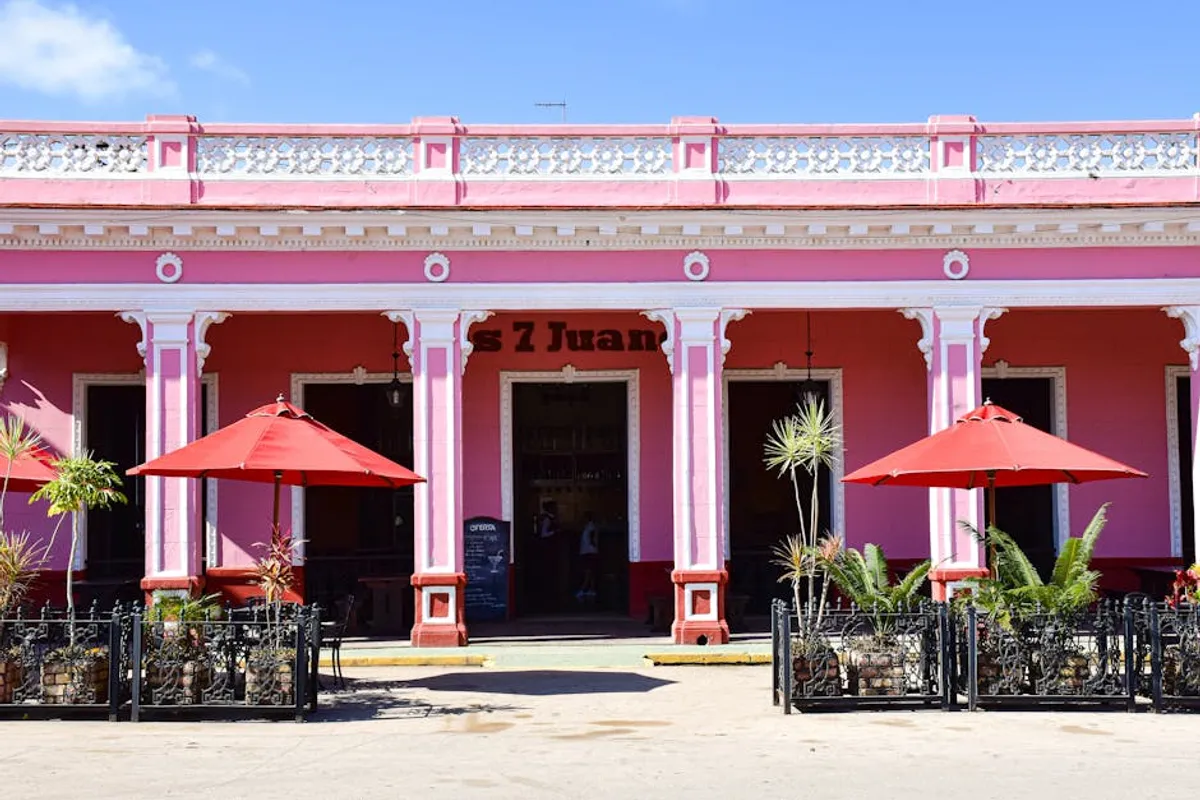
First-time visitors to Havana navigate a distinct culinary landscape, one shaped by both tradition and recent economic shifts. The city’s dining scene offers a spectrum from intimate, family-run establishments to grand, historic restaurants, each providing a unique window into Cuban culture and cuisine. Understanding these distinctions and knowing what to expect is crucial for an enjoyable and authentic gastronomic experience, moving beyond general tourist traps to discover genuine flavors and atmospheres.
Understanding Havana's Dining Landscape
Havana's restaurant scene is primarily characterized by two main types of establishments: paladares and state-run restaurants. This distinction is fundamental for first-time visitors, as it dictates everything from atmosphere and service style to menu diversity and payment options.
- Paladares: These are privately owned and operated restaurants, often located within converted homes. They emerged from a relaxation of state control over private enterprise, offering a more personalized, intimate, and often innovative dining experience. Menus tend to be more varied, incorporating fresh, seasonal ingredients, and chefs often experiment with traditional Cuban dishes. Service is typically attentive and personable, reflecting the entrepreneurial spirit of the owners.
- State-Run Restaurants: Historically, these were the primary dining options. They are larger, often housed in impressive, historic buildings, and tend to offer a more formal, though sometimes less personal, dining experience. Menus are generally more standardized, focusing on classic Cuban fare. While some have modernized, many retain a vintage charm.
Choosing between these depends on the desired experience: paladares for a local, intimate feel with creative cuisine, and state-run establishments for a taste of history and traditional dishes in a grander setting.
The Paladar Experience: Authentic & Intimate
Paladares represent the evolving face of Cuban gastronomy, providing a direct connection to local entrepreneurial spirit. These establishments prioritize fresh ingredients, often sourced from local markets or private farms, leading to menus that can change daily based on availability. The setting is typically more personal, ranging from a few tables in a family's living room to elegantly renovated colonial mansions.
Best for: Cultural immersion, unique atmosphere, diverse Cuban cuisine, and personalized service. Expect dishes that blend traditional Cuban flavors with contemporary influences, often presented with care. Reservations are highly recommended, especially for dinner, as seating can be limited.
State-Run Establishments: Traditional & Grand
For visitors seeking a taste of classic Havana in a more formal environment, state-run restaurants offer a glimpse into the city's past. Many are located in architecturally significant buildings, providing a backdrop of historical grandeur. The cuisine here is often a straightforward rendition of Cuban staples: ropa vieja, lechón asado, and various preparations of fish and seafood. While the service might be less intimate than in a paladar, it is typically professional and efficient.
Best for: Classic ambiance, consistent traditional dishes, and larger groups. These venues can often accommodate walk-ins more readily than popular paladares, though prime dining hours may still warrant a booking. They provide a reliable option for experiencing the foundational elements of Cuban cooking.
Cafes and Casual Bites: Quick & Accessible
Beyond formal dining, Havana offers numerous cafes, cafeterias, and street food vendors for lighter meals, snacks, and quick refreshments. These range from small, bustling spots serving strong Cuban coffee and pastries to simple eateries offering sandwiches (like the famous Cubano), empanadas, and fresh fruit juices. These options are ideal for breakfast, a mid-day refuel, or a budget-friendly lunch.
Best for: Breakfast, lunch, quick refreshments, and budget-conscious dining. Look for places popular with locals for authentic and affordable options. Many of these establishments operate on a cash-only basis, and smaller denominations are often preferred.
Pro Tip: When dining in Havana, always carry small denominations of Cuban Pesos (CUP) or, increasingly, MLC (Moneda Libremente Convertible) for payments. While some higher-end establishments accept international credit cards, cash is king, especially in paladares and casual eateries. Confirm payment methods before ordering to avoid inconvenience.
Practical Considerations for Dining in Havana
Navigating Havana's dining scene as a first-time visitor involves more than just selecting a restaurant. Understanding local customs and practicalities enhances the experience:
- Reservations: For paladares and popular state-run restaurants, especially for dinner, making a reservation is advisable. Many can be booked through hotel concierges or directly via phone/email, if available.
- Dietary Restrictions: While awareness is growing, communicating specific dietary needs (e.g., vegetarian, gluten-free) can be challenging. Basic Spanish phrases related to food allergies or preferences are beneficial. Focus on naturally compliant dishes or choose establishments known for accommodating requests.
- Tipping: Tipping is customary. A tip of 10-15% for good service is appreciated. Some restaurants may include a service charge, so check the bill.
- Water & Beverages: Always opt for bottled water. Local juices are typically safe and delicious, but exercise caution with ice if concerned about water quality.
- Menu & Pricing: Menus are usually in Spanish, sometimes with English translations. Prices will vary significantly between casual eateries and upscale paladares.
Maximizing Your Culinary Exploration
To fully immerse yourself in Havana's food culture, approach dining with an open mind and a willingness to explore. Don't limit yourself to a single type of restaurant. Combine the intimate charm of a paladar with the historical resonance of a state-run venue, and punctuate your days with quick, flavorful bites from local cafes. Engage with your servers and hosts; they often provide insights into the dishes and local life that enhance the overall experience. Your first culinary journey through Havana is an opportunity to discover unique flavors and create lasting memories.
Frequently Asked Questions
Do I need reservations for dinner in Havana?
For popular paladares and well-regarded state-run restaurants, especially for dinner, reservations are strongly recommended to secure a table, particularly on weekends or during peak tourist season.
What currency should I use for restaurant payments?
While some establishments accept international credit cards, it's best to carry Cuban Pesos (CUP) and/or MLC (Moneda Libremente Convertible) for most payments. Small denominations are particularly useful for casual eateries and tipping.
Are vegetarian or vegan options available in Havana?
Yes, vegetarian options are increasingly available, especially in paladares that cater to international visitors. Vegan options can be more challenging but are possible with clear communication, often relying on rice, beans, plantains, and fresh vegetables.
Is it safe to eat street food in Havana?
Generally, yes, but exercise discretion. Look for vendors with high turnover, freshly prepared items, and good hygiene practices. Fried items, fresh fruit, and roasted corn are typically safe choices.