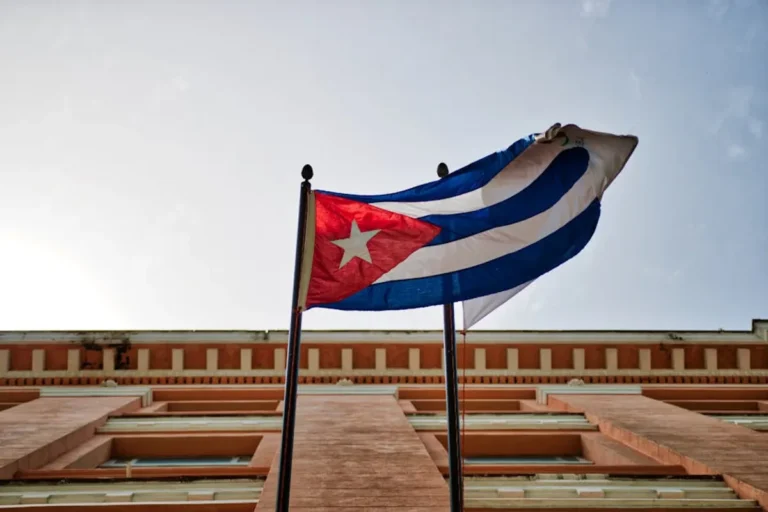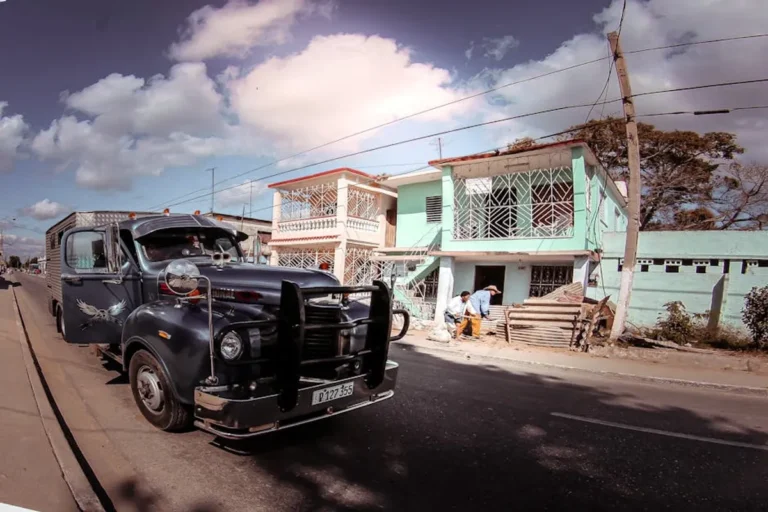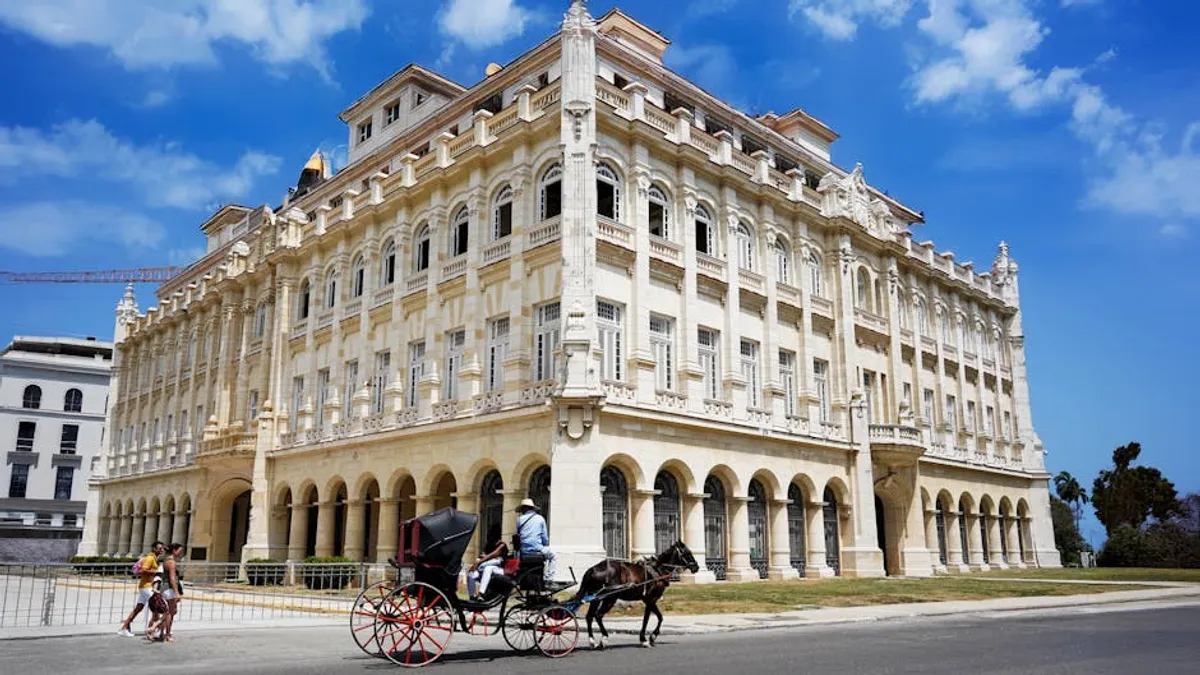
A weekend in Havana demands efficient planning to capture the city’s distinct atmosphere, historical depth, and vibrant cultural pulse. This itinerary prioritizes accessibility and impact, designed to immerse visitors in key experiences without feeling rushed. It balances iconic landmarks with authentic local encounters, ensuring that even a short trip provides a comprehensive overview of Cuba’s capital, focusing on walkable districts and manageable transitions between activities.
Day 1: Old Havana’s Historic Core
The initial day focuses on Habana Vieja (Old Havana), a UNESCO World Heritage site. This district is dense with colonial architecture, bustling plazas, and narrow streets that reveal centuries of history. Prioritizing this area on day one establishes a foundational understanding of Havana’s past and present.
Morning: Architectural Immersion and Plaza Exploration
Begin at the Parque Central, a central point offering views of the Gran Teatro de La Habana and El Capitolio. These structures provide an immediate sense of Havana’s grandeur. From here, walk east into the pedestrian-friendly core of Old Havana. The morning is best spent discovering the four main colonial squares:
- Plaza de Armas: Havana’s oldest square, historically a military parade ground. Browse the open-air book market for vintage posters and Cuban literature.
- Plaza de San Francisco de Asís: Dominated by the Basilica Menor de San Francisco de Asís, known for its bell tower offering city views.
- Plaza Vieja: A lively square surrounded by restored colonial buildings, art galleries, and cafes. Observe the diverse architectural styles reflecting different eras.
- Plaza de la Catedral: Home to the Catedral de San Cristóbal de La Habana, a prominent example of Cuban Baroque architecture.
Practical Consideration: Wear comfortable walking shoes. The streets are often cobblestone and uneven. Hydration is essential, especially during warmer months.
Afternoon: Hemingway Haunts and Local Flavors
After exploring the plazas, transition to Calle Obispo, a vibrant pedestrian street filled with shops, art, and music. This street connects many of Old Havana’s key sites and provides a direct route to two establishments famously associated with Ernest Hemingway.
Visit El Floridita for its daiquiris, a classic cocktail often credited to the bar. Then, proceed to La Bodeguita del Medio, renowned for its mojitos and a history of celebrity patrons. While tourist-focused, these locations offer a tangible link to Havana’s cultural narrative. For lunch, seek out a "paladar" – a private, family-run restaurant – off the main tourist thoroughfares. These establishments typically offer more authentic Cuban cuisine and a local dining experience.
Evening: Malecón Sunset and Dinner in Vedado
As evening approaches, take a classic American car ride along the Malecón, Havana’s iconic seawall promenade. This experience offers panoramic views of the city skyline and the ocean, particularly striking at sunset. The Malecón is a central gathering place for locals, providing insight into daily Cuban life.
For dinner, venture into Vedado, a district characterized by its grand mansions and tree-lined streets. Vedado offers a different architectural perspective and a selection of paladares with varied menus, often featuring live music. Consider a post-dinner stroll to appreciate the neighborhood's elegant ambiance.
Pro Tip: Internet access in Havana is primarily available through Wi-Fi hotspots in public parks and hotels, requiring prepaid ETECSA cards. Purchase these cards in advance from official ETECSA offices or hotels to avoid inflated prices from unofficial vendors. Download offline maps and essential information before your trip.
Day 2: Revolution, Art, and Cuban Rhythms
Day two focuses on Havana’s revolutionary history, contemporary art scene, and its pervasive musical culture, extending beyond Old Havana to other significant districts.
Morning: Revolutionary History and Panoramic Views
Start the day at the Museo de la Revolución, housed in the former Presidential Palace. This museum provides a detailed account of Cuba's revolutionary past, from pre-colonial times through the 1959 revolution. The exhibits include artifacts, photographs, and documents that offer a critical perspective on the nation's political development.
Following the museum, take a taxi or classic car across the bay to the Parque Histórico Militar Morro-Cabaña. This complex includes El Morro Castle and La Cabaña fortress. Explore the historic fortifications and enjoy expansive views of Havana Bay and the city skyline. This vantage point offers a unique perspective on Havana’s strategic importance.
Afternoon: Modern Art and Local Life
Return to the city and explore the Fusterlandia neighborhood (Jaimanitas), the whimsical creation of artist José Fuster. This area is transformed into a vibrant, mosaic-covered art installation, showcasing Cuban folk art and a distinct community project. It provides a contrast to the colonial architecture and offers a glimpse into contemporary Cuban artistic expression.
Alternatively, visit the Fábrica de Arte Cubano (FAC) if your weekend coincides with its operating hours (typically Thursday-Sunday evenings). While primarily an evening venue, its architectural presence and reputation as a cultural hub are noteworthy even during the day. For lunch, explore local eateries in Vedado or Miramar, offering a range of Cuban and international cuisines.
Evening: Music and Dance
Havana’s nightlife is synonymous with music and dance. Consider attending a show at the Casa de la Música in Miramar or Centro Habana for live salsa and traditional Cuban music. These venues offer an energetic atmosphere and an opportunity to experience Cuban dance culture firsthand. Alternatively, seek out smaller, more intimate venues in Vedado for jazz or trova performances. Booking tickets in advance, especially for popular shows, is advisable.
Day 3: Reflection, Markets, and Departure
The final day allows for last-minute souvenir shopping, a deeper dive into a specific interest, or a more relaxed pace before departure.
Morning: Craft Markets or Specific Interests
Spend the morning exploring the Almacenes de San José Artesanías market near the port. This large craft market offers a wide selection of Cuban souvenirs, including art, crafts, clothing, and small trinkets. It’s an ideal spot for finding gifts and mementos.
Alternatively, if you have a specific interest, dedicate the morning to it. Options include visiting the Museo Nacional de Bellas Artes (Cuban Art building for Cuban art, Universal Art building for international collections), or a more relaxed walk through the Botanical Garden or the Necrópolis Cristóbal Colón, a grand cemetery known for its elaborate mausoleums.
Afternoon: Last Bites and Departure
Enjoy a final Cuban lunch at a favorite paladar or try a new spot in the neighborhood of your choice. Allow ample time for travel to José Martí International Airport (HAV), considering potential traffic and check-in procedures. A classic car ride to the airport can serve as a memorable final experience.
Maximizing Your Havana Weekend
A short trip to Havana requires balancing planned activities with flexibility. While this itinerary provides a structured approach, allowing for spontaneous detours to engage with street musicians, local artists, or unexpected cultural events will enhance the experience. Focus on experiencing the city’s unique energy rather than rigidly adhering to every single point. Pre-arranging airport transfers and having a basic understanding of Spanish phrases will also streamline your visit, ensuring a more relaxed and immersive journey.
Frequently Asked Questions
What is the best way to get around Havana for a weekend trip?
For Old Havana, walking is the most effective way to explore. For longer distances between districts like Vedado, Centro Habana, and Miramar, taxis (both official and classic American cars) are readily available. Coco taxis and bicitaxis offer shorter, more novel rides within specific areas.
What currency should I use in Havana?
Cuba uses the Cuban Peso (CUP). While some tourist-oriented establishments might accept foreign currency (like Euros or Canadian Dollars) or credit cards, CUP is essential for local purchases, smaller paladares, and street vendors. Exchange foreign currency at official Cadecas (exchange houses) or banks upon arrival.
Is it safe to walk around Havana at night?
Havana is generally considered safe for tourists, even at night, particularly in well-lit and populated areas like Old Havana and Vedado. However, standard precautions apply: be aware of your surroundings, avoid unlit or deserted streets, and keep valuables secure. It's advisable to use official taxis for late-night travel.
Do I need a visa to visit Cuba?
Most foreign visitors require a tourist card (visa) to enter Cuba. Requirements vary by nationality, so check with your country's Cuban embassy or consulate, or a reputable travel agency, well in advance of your trip. Ensure your passport is valid for at least six months beyond your intended departure date.