Planning a cultural trip to Cuba requires a focused approach, balancing logistical considerations with the desire for authentic immersion. Unlike many destinations, Cuba presents unique travel dynamics, particularly for U.S. citizens, due to specific regulations. The objective is not merely to visit, but to engage deeply with the island's rich history, vibrant arts, and distinctive social fabric, ensuring your itinerary aligns with both personal interests and compliance requirements. This guide outlines the essential steps to design a trip that prioritizes genuine cultural exchange and provides a meaningful experience.
Navigating Travel Regulations for Cuba
The foundational step for any Cuba cultural trip, especially for U.S. travelers, involves understanding the specific U.S. Department of the Treasury's Office of Foreign Assets Control (OFAC) regulations. Travel to Cuba for tourism remains prohibited for U.S. citizens and residents. However, twelve categories of authorized travel exist, with "Support for the Cuban People" being the most common for cultural immersion. Understanding cultural events by the month helps in planning an immersive trip.
"Support for the Cuban People" Category
This category mandates that travelers engage in a full-time schedule of activities that enhance contact with the Cuban people, support civil society, or promote the independence of the Cuban people from Cuban authorities. Your itinerary must clearly reflect this purpose. Activities should involve direct interaction with local individuals, patronizing private enterprises (cuentapropistas), and avoiding state-owned tourist facilities where possible. Examples include staying in private homes (casas particulares), dining at privately-owned restaurants (paladares), visiting independent art galleries, attending workshops with local artists, or volunteering with non-governmental organizations.
OFAC Compliance and Record Keeping
Travelers under the "Support for the Cuban People" category are responsible for maintaining records of their itinerary and related transactions for five years. This documentation demonstrates compliance with OFAC regulations. While a specific license is not required, adherence to the general license provisions is mandatory. It is critical to ensure that your planned activities genuinely meet the criteria, rather than simply labeling a leisure trip as cultural support.
Defining Your Cultural Focus
Cuba offers a diverse palette of cultural experiences. Pinpointing your primary interest will help tailor your itinerary and maximize engagement.
Music and Dance Immersion
Best for: Travelers passionate about Afro-Cuban rhythms, salsa, rumba, and traditional Cuban music.
Focus on attending live music performances in Havana's Casa de la Música or smaller, local venues. Seek out dance classes or workshops with professional Cuban instructors. Santiago de Cuba, known as the birthplace of son, offers a distinct musical heritage with vibrant street performances and traditional music houses.
Historical and Architectural Exploration
Best for: Those interested in Cuba's revolutionary past, colonial architecture, and UNESCO World Heritage sites.
Key destinations include Old Havana (Habana Vieja), with its meticulously preserved colonial buildings and plazas. Trinidad provides a glimpse into 19th-century sugar plantation wealth, characterized by cobblestone streets and pastel-colored mansions. Bayamo and Santiago de Cuba offer deep dives into revolutionary history and national heroes.
Culinary Journeys
Best for: Food enthusiasts eager to explore Cuban cuisine, from traditional dishes to modern fusion.
Engage in cooking classes focused on local ingredients and techniques. Visit local markets (agromercados) to understand food sourcing. Dine extensively at paladares to experience diverse culinary interpretations and support private enterprise. Explore regional specialties, such as seafood in coastal areas or specific agricultural products in rural regions.
Logistics and Practical Planning
Once your cultural focus is clear, address the practicalities that underpin a smooth trip.
Visa and Travel Documents
All non-Cuban visitors require a Cuban Tourist Card (visa). This can be obtained through your airline, a Cuban embassy/consulate, or specialized visa services. Ensure your passport is valid for at least six months beyond your intended departure date. Travel insurance, including medical coverage, is mandatory for entry into Cuba.
Accommodation Choices
For cultural immersion and OFAC compliance, casas particulares (private homes offering rooms for rent) are the preferred choice. These provide direct interaction with Cuban families, often including breakfast and dinner options. They are widely available across the island and offer a more authentic experience than state-run hotels. Booking platforms or local agencies can facilitate reservations.
Currency and Connectivity
Cuba operates primarily with the Cuban Peso (CUP). While the U.S. dollar is accepted in some private establishments, it is generally more advantageous to exchange USD or EUR for CUP. Credit cards issued by U.S. banks generally do not work in Cuba. Bring sufficient cash for your entire trip. Internet access is available in designated Wi-Fi zones (often parks or hotel lobbies) via ETECSA scratch cards. Expect slower speeds and intermittent connectivity; plan for a largely disconnected experience.
Pro Tip: Always carry small denominations of CUP. Many local vendors and taxis may not have change for larger bills. Additionally, be prepared for a cash-heavy economy; digital payment options are limited, especially outside of major tourist centers.
Crafting Your Itinerary: Key Cultural Hubs
A well-structured itinerary balances planned activities with spontaneous exploration, allowing for genuine cultural encounters.
Havana: A Historical Hub
- Explore Old Havana's four main plazas (Plaza Vieja, Plaza de Armas, Plaza de San Francisco de Asís, Plaza de la Catedral) on foot, engaging with local artisans and musicians.
- Visit independent art galleries in the Vedado or San Isidro neighborhoods.
- Attend a performance at Fábrica de Arte Cubano, a multidisciplinary cultural center.
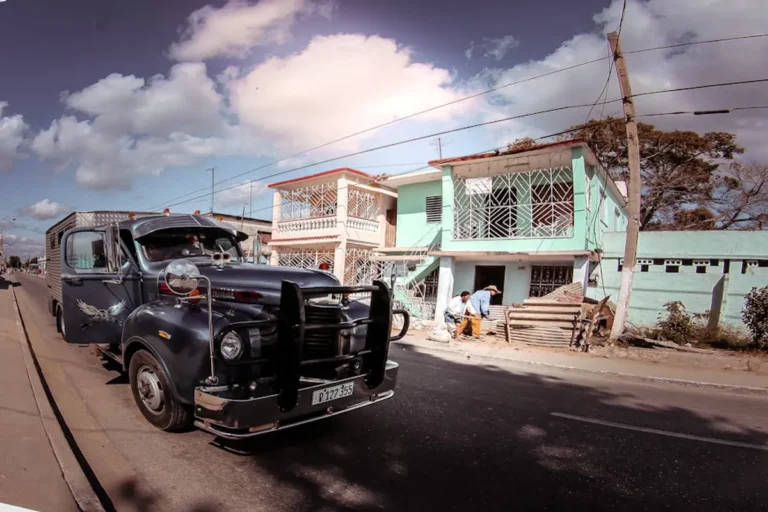
- Take a vintage car tour, specifically requesting a driver who can share personal anecdotes about Cuban life.
- Dine at various paladares, sampling diverse Cuban culinary interpretations.
Trinidad: Colonial Charm
Wander the cobblestone streets, visit the Museo Romántico, and climb the bell tower of the Museo Histórico Municipal for panoramic views. Engage with local craftspeople selling textiles and pottery. Spend an evening at Casa de la Música, dancing to live salsa under the stars.
Santiago de Cuba: Rhythms and Revolution
Explore the Moncada Barracks Museum, Parque Céspedes, and the historic Santa Ifigenia Cemetery. Immerse yourself in the city's vibrant music scene, particularly its unique son and trova traditions. Visit the Casa de la Trova for authentic live performances.
Engaging with Local Culture Authentically
Beyond visiting sites, true cultural immersion comes from respectful interaction and participation.
- Learn basic Spanish phrases: Even a few words go a long way in fostering connections.
- Patronize private businesses: Support cuentapropistas (self-employed individuals) by eating at paladares, staying in casas particulares, and buying from local artisans.
- Participate in local activities: Join a dance class, attend a community event, or engage in conversations with locals.
- Be open and flexible: Cuban life operates on a different rhythm; embrace spontaneity and unexpected encounters.
- Respect local customs: Dress modestly in religious sites, ask before taking photos of people, and be mindful of cultural sensitivities.
Practical Considerations for a Smooth Trip
Prioritize personal safety and health. Drink only bottled water. Be aware of petty theft in crowded areas. Carry a basic first-aid kit. Pack light, breathable clothing, comfortable walking shoes, and sun protection. Power outages can occur, so a portable power bank is advisable.
Maximizing Your Cultural Immersion
A cultural trip to Cuba is an opportunity for profound engagement. By meticulously planning within the regulatory framework, focusing your interests, and committing to authentic interactions, you will unlock a deeper understanding of this complex and captivating nation. Prioritize genuine connection over mere sightseeing, and allow yourself to be open to the unexpected lessons and joys that Cuba offers. Your preparation will directly translate into the richness of your experience, fostering memories rooted in genuine cultural exchange.
Frequently Asked Questions
Is it safe to travel to Cuba for a cultural trip?
Cuba is generally considered safe for travelers, with low rates of violent crime. Petty theft can occur in tourist areas, so remain aware of your belongings. Exercise standard precautions as you would in any unfamiliar destination.
Can I use my credit card in Cuba?
Credit and debit cards issued by U.S. banks or institutions with U.S. affiliations typically do not work in Cuba. It is essential to bring sufficient cash (preferably EUR or USD) to exchange for Cuban Pesos (CUP) to cover all your expenses.
What type of power outlets are used in Cuba?
Cuba uses Type A, B, C, and L outlets, with voltage typically at 110V/60Hz or 220V/60Hz. It is advisable to bring a universal travel adapter and voltage converter to ensure compatibility with your electronic devices.
How can I stay connected to the internet in Cuba?
Internet access in Cuba is available primarily through Wi-Fi hotspots found in public parks, hotels, and ETECSA (the state telecommunications company) offices. You purchase ETECSA scratch cards for access, which provide a set amount of connection time. Connectivity can be slow and intermittent.