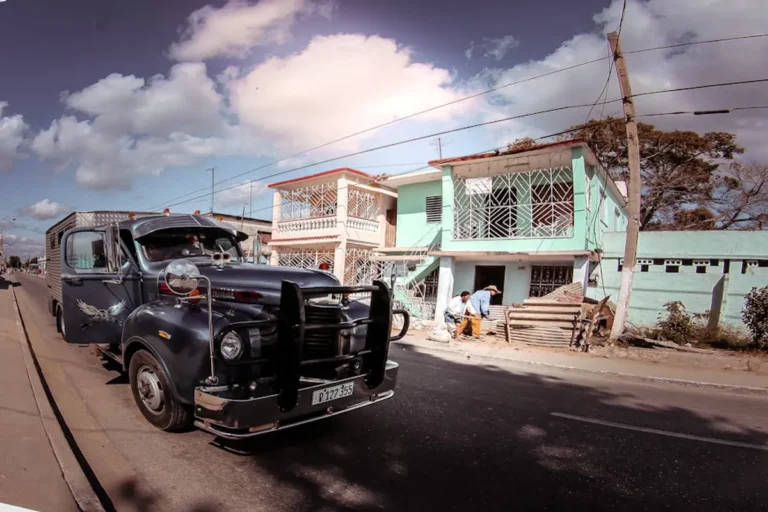
Traveling around Cuba presents a unique set of logistical considerations that differ significantly from many other destinations. The island's transportation infrastructure, while functional, requires travelers to adapt to local customs, payment methods, and booking procedures. Understanding the primary modes of transport, their availability, and how to secure them is crucial for efficient and enjoyable travel across cities and regions. This guide details the practicalities of navigating Cuba, focusing on reliability, cost, and convenience for various travel styles.
Intercity Bus Travel: Viazul Network
Viazul operates as Cuba's primary bus service for tourists, connecting major cities and popular destinations across the island. These air-conditioned coaches offer a relatively comfortable and economical way to cover long distances. Routes often include stops in provincial capitals and tourist hubs like Viñales, Trinidad, Cienfuegos, and Santiago de Cuba.
- Booking: Reservations are essential, especially during peak season. Tickets can be purchased online via the Viazul website, often several weeks in advance. Alternatively, tickets can be bought in person at Viazul terminals, though popular routes sell out quickly. Arrive at the terminal at least an hour before departure to confirm your ticket and check baggage.
- Cost: Fares are fixed and generally affordable, paid in Cuban Pesos (CUP) or, increasingly, via international credit card online. Onboard, payments for snacks or drinks are rare; plan accordingly.
- Reliability: While generally reliable, Viazul buses can experience delays due to road conditions, mechanical issues, or unscheduled stops. Schedules should be viewed as estimates, not strict timings.
Shared Taxis: Collectivos for Flexibility
Collectivos, or shared taxis, offer a more flexible and often faster alternative to Viazul for intercity travel. These are typically classic American cars from the 1950s that operate on popular routes, picking up multiple passengers heading in the same general direction. They provide door-to-door service in many cases, especially within cities or to specific guesthouses.
Best for: Travelers seeking a balance between cost and convenience, especially those in groups of two or more who can split the fare. They are also useful for routes not well-served by Viazul.
Negotiation: Fares are negotiable, but a general understanding of typical prices for specific routes is beneficial. Always agree on the price before starting the journey. Drivers often congregate near Viazul stations or central plazas, openly soliciting passengers.
Private Taxis: Convenience at a Premium
Private taxis offer the most direct and personalized travel experience. These can be modern cars or classic American vehicles, hired exclusively for your group. They provide door-to-door service, allow for unscheduled stops, and offer greater comfort and speed compared to shared options.
Cost: Significantly more expensive than Viazul or collectivos, but the price is fixed for the entire vehicle, making it cost-effective for groups of three or four. Negotiation is standard practice; confirm the total price and currency (CUP, USD, or EUR) before departure.
Booking: Private taxis can be arranged through your guesthouse (casa particular), hotel, or by approaching drivers directly in tourist areas. Ensure the vehicle is in reasonable condition and has seatbelts, particularly for longer journeys.
Renting a Car: Freedom and Challenges
Renting a car provides the ultimate freedom to explore Cuba at your own pace, accessing remote areas and creating custom itineraries. However, this option comes with specific challenges.
Availability and Cost
Rental cars are in high demand and limited supply, particularly during peak tourist seasons. Booking several months in advance through international agencies or local Cuban agencies is crucial. Prices are higher than in many other countries, and mandatory insurance is additional.
Road Conditions and Fuel
Major highways are generally well-maintained, but secondary roads can be rough, poorly lit, and lack clear signage. Night driving is not recommended due to unlit vehicles, pedestrians, and livestock. Fuel availability can be sporadic, especially outside major cities; always fill up when possible. Ensure you understand the fuel types (regular vs. special) and their availability.
Navigation and Safety
GPS functionality on phones can be limited due to connectivity issues; a physical map or downloaded offline maps are indispensable. Be prepared for local drivers who may not adhere strictly to traffic laws. Roadside assistance can be slow, so plan for potential delays.
Pro Tip: Navigating Cuban Payments
Always carry sufficient physical cash in Cuban Pesos (CUP) for local transactions, especially for collectivos, private taxis, and smaller purchases. While some larger hotels and Viazul online bookings accept international credit cards, many local transport options operate exclusively on cash. U.S. Dollars (USD) or Euros (EUR) are often accepted by private taxi drivers for longer journeys, but confirm the exchange rate beforehand to avoid overpaying.
Domestic Flights: Covering Long Distances
Cubana de Aviación operates a limited network of domestic flights connecting Havana with major cities like Santiago de Cuba, Holguín, and Baracoa. This is the fastest way to traverse the island's length, significantly reducing travel time compared to buses or cars.
Booking: Flights can be booked through Cubana's website or local travel agencies. Availability is limited, and flights can be subject to delays or cancellations without much notice. Flexibility in travel plans is advisable if relying on domestic air travel.
Cost: Domestic flights are considerably more expensive than ground transport but can be a worthwhile investment for those with limited time or who prioritize speed over cost.
Local Transport Options
Within towns and cities, various local transport options cater to shorter distances:
- Bici Taxis: Bicycle rickshaws common in smaller towns and city centers, ideal for short distances. Negotiate the fare before riding.
- Coco Taxis: Distinctive yellow, coconut-shaped motorized taxis, primarily found in Havana and Varadero. They offer a fun, open-air experience for short hops.
- Camiones: Large, open-bed trucks with benches, used by locals for inter-town travel. While very cheap, they are often crowded and uncomfortable, generally not recommended for tourists seeking comfort or reliability.
Optimizing Your Cuban Journey
Effective travel around Cuba requires a blend of planning and adaptability. For intercity routes, Viazul offers a structured, economical backbone, best secured with advance online bookings. For greater flexibility and speed, especially for groups, collectivos provide a valuable middle ground, requiring on-the-spot negotiation. Private taxis serve those prioritizing direct routes and comfort, albeit at a higher cost. Renting a car grants unparalleled independence but demands careful consideration of road conditions, fuel access, and navigation tools. Domestic flights are a time-saving solution for long-haul island transit, though they come with their own set of booking and reliability caveats. Regardless of the chosen method, embracing Cuba's unique transport ecosystem—characterized by cash reliance and flexible scheduling—will ensure a smoother, more engaging travel experience.
Frequently Asked Questions About Cuban Travel
Is it safe to travel alone in Cuba?
Cuba is generally considered safe for solo travelers, including women. Petty crime, like pickpocketing, can occur in crowded tourist areas, so remain aware of your belongings. Serious violent crime against tourists is rare. Exercise standard precautions, especially at night.
Can I use ride-sharing apps like Uber in Cuba?
No, international ride-sharing apps like Uber do not operate in Cuba. Local alternatives include arranging taxis through your accommodation or hailing them directly. There are some local apps emerging, but their coverage and reliability are limited.
What currency should I use for transportation payments?
For most local transport (bici taxis, coco taxis, collectivos), Cuban Pesos (CUP) are preferred. Private taxis for longer journeys may accept U.S. Dollars (USD) or Euros (EUR), but always confirm the currency and rate beforehand. Viazul online bookings generally accept international credit cards.
How far in advance should I book Viazul bus tickets?
It is advisable to book Viazul bus tickets as far in advance as possible, especially during peak travel seasons (November to April, July, and August). Booking online 2-4 weeks ahead is recommended to secure your preferred routes and times, as popular services sell out quickly.