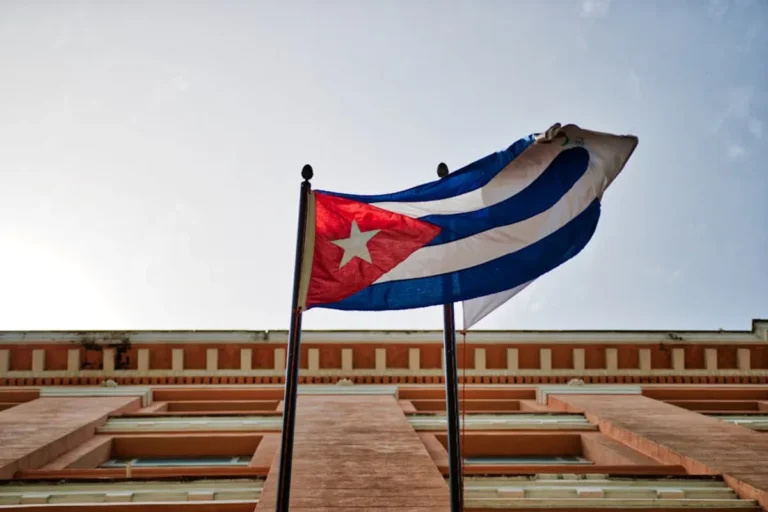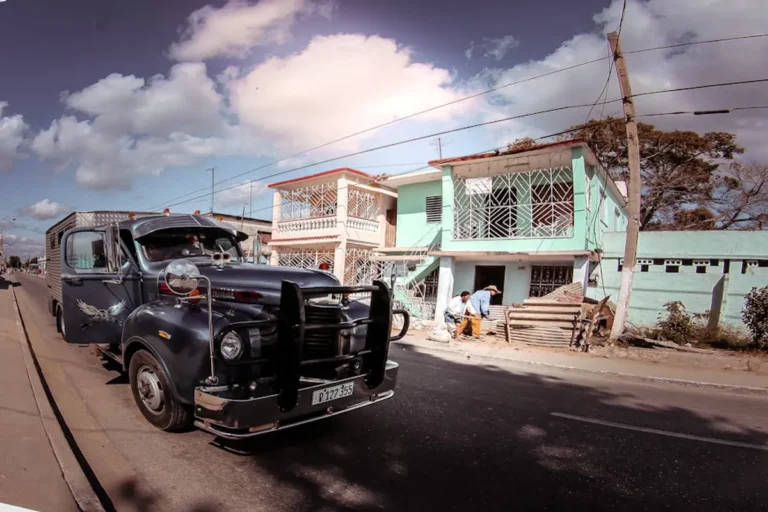
Santiago de Cuba, often overshadowed by Havana, presents a distinct and vibrant travel experience. This guide focuses on the specific historical, cultural, and practical elements that define a visit to Cuba's second-largest city. Unlike the more European-influenced capital, Santiago de Cuba offers a deeper immersion into Afro-Cuban heritage, revolutionary history, and the island's most spirited musical traditions. Understanding these core differentiators is key to planning an itinerary that truly captures the city's essence, moving beyond generic tourist paths to engage with its unique character.
Distinctive Character of Santiago de Cuba
Santiago de Cuba is not merely another Cuban city; it is a cultural and historical crucible. Its geographic isolation in the eastern part of the island, combined with its role as the first capital of Cuba and a hotbed of revolutionary activity, has forged a unique identity. Visitors encounter a city where history is palpable and cultural expressions are intensely vibrant.
Revolutionary History and Cultural Depth
The city's narrative is deeply intertwined with Cuba's fight for independence and the 1959 Revolution. Santiago was the staging ground for significant events, including the Moncada Barracks attack, marking the beginning of Fidel Castro's revolutionary movement. This past is commemorated through monuments and museums, providing a profound understanding of modern Cuba. Culturally, Santiago is recognized as the "Cradle of Son" and a center for Afro-Cuban religions and traditions, reflected in its music, dance, and festivals.
Musical Heritage and Carnival Spirit
Santiago de Cuba's musical legacy is unparalleled on the island. It is the birthplace of Son, the rhythmic precursor to salsa, and remains a hub for traditional Cuban music. Live music venues, known as Casas de la Trova, offer authentic performances nightly. The city is also famous for its annual Carnival, held in July, which is widely considered Cuba's most spectacular and authentic street festival. This event transforms the city into a kaleidoscope of music, dance, and elaborate costumes, showcasing the profound African influence on local culture.
Essential Planning for Your Santiago de Cuba Journey
Effective planning ensures a smoother and more enriching experience in Santiago de Cuba. Considering travel logistics, accommodation, and financial practicalities beforehand can significantly enhance your trip.
Optimal Travel Seasons
The best time to visit Santiago de Cuba is during the drier, cooler months from November to April. Temperatures are more moderate, and humidity is lower, making exploration more comfortable. July is the peak season for those wishing to experience the Santiago de Cuba Carnival, though this period brings higher temperatures, increased humidity, and larger crowds, necessitating early booking for flights and accommodation.
Navigating Arrival and Local Transport
Santiago de Cuba is served by Antonio Maceo Airport (SCU), with direct flights from some international destinations and regular connections from Havana. Once in the city, local transportation options include:
- Taxis: Readily available, both official (yellow, metered) and unofficial (private cars). Always negotiate fares before starting your journey.
- Colectivos (Shared Taxis): Fixed routes, shared by multiple passengers, offering a more economical option for specific city areas.
- Bicitaxis (Bicycle Taxis): Ideal for shorter distances within the city center, providing a unique perspective and local interaction.
- Walking: Many of the central attractions are within walking distance, especially around Parque Céspedes.
Accommodation and Financial Considerations
Accommodation in Santiago de Cuba largely centers around casas particulares – private homes offering rooms for rent. These provide an authentic cultural experience and often include home-cooked meals. Hotels are also available, ranging from historic properties to modern options. For currency, the Cuban Peso (CUP) is the official currency. While some tourist-oriented businesses may accept foreign currency (USD or EUR), it is advisable to exchange money at official Casas de Cambio (CADECA) or banks for better rates and to use CUP for daily expenses. Credit cards are accepted in some larger hotels and state-run establishments, but cash is king for most transactions, especially in smaller businesses and casas particulares.
Pro Tip: Always carry a sufficient amount of small denomination Cuban Pesos (CUP) for everyday purchases like street food, local transport, and tips. While some places accept foreign currency, having CUP simplifies transactions and often results in better pricing. Be aware that ATMs can be unreliable, so do not rely solely on them for cash access.
Uncovering Santiago's Landmarks
Santiago de Cuba's historical and natural sites offer a compelling journey through the city's past and its scenic surroundings.
Historic Fortifications and City Centers
- Castillo de San Pedro de la Roca (El Morro): A UNESCO World Heritage site, this 17th-century fortress guards the entrance to Santiago Bay. Its intricate design and strategic location offer panoramic views and a deep dive into colonial defense architecture.
- Parque Céspedes: The city's main square, surrounded by significant historical buildings including the Catedral de Nuestra Señora de la Asunción and the Casa de Diego Velázquez. It serves as a vibrant social hub.
- Casa de Diego Velázquez: The oldest standing house in Cuba, dating back to 1516, offering a glimpse into early colonial life and architecture.
- Cementerio Santa Ifigenia: A national monument and the final resting place for many of Cuba's most prominent figures, including José Martí and Fidel Castro. The changing of the guard ceremony at Martí's mausoleum is a daily highlight.
Revolutionary Sites and Natural Wonders
- Moncada Barracks: Site of the 1953 attack led by Fidel Castro, now a school and museum. It provides crucial context for the Cuban Revolution.
- Grandsilo La Gran Piedra: A massive volcanic rock formation and the centerpiece of a national park. The climb to the summit rewards visitors with breathtaking views of the Sierra Maestra mountains and the Caribbean Sea. The surrounding area also features ruins of French coffee plantations, offering historical and ecological interest.
Immersing in Local Culture
Engaging with Santiago de Cuba's cultural fabric goes beyond visiting landmarks; it involves participating in its daily life and artistic expressions.
Rhythms and Flavors of Santiago
Seek out local music venues like Casa de la Trova or Casa del Son for authentic performances. The city's culinary scene, while simpler than Havana's, offers distinct flavors. Explore paladares (private restaurants) for traditional Cuban dishes like ajiaco santiaguero (a hearty stew) or fresh seafood. Don't miss trying local fruits and juices from street vendors.
Engaging with Local Life
Wandering through the vibrant streets, particularly in neighborhoods like Tivolí, allows for spontaneous interactions and a feel for everyday Santiago life. The people of Santiago are known for their warmth and hospitality. Participating in a local dance class or simply observing the lively street scenes can provide memorable cultural insights.
Practicalities for a Smooth Trip
Addressing common travel concerns ensures a more comfortable and secure visit.
Navigating the City and Staying Secure
Santiago de Cuba is generally safe for tourists, but standard precautions apply. Keep valuables secure, avoid walking alone in poorly lit areas at night, and be mindful of your surroundings. While the city is navigable, street names can sometimes be inconsistent; having a map or a navigation app downloaded for offline use is recommended. Learning a few basic Spanish phrases will significantly enhance your interactions with locals.
Language and Local Etiquette
Spanish is the official language. While some English may be spoken in tourist-centric areas, a basic grasp of Spanish is highly beneficial. Cubans are generally friendly and appreciate efforts to speak their language. Politeness, respect for local customs, and a willingness to engage in conversation are key to positive interactions. Tipping for good service is customary, especially in restaurants, bars, and for tour guides.
Planning Your Authentic Santiago de Cuba Adventure
Santiago de Cuba offers a profound and authentic Cuban experience, distinct from other destinations on the island. Its rich tapestry of revolutionary history, vibrant Afro-Cuban culture, and unparalleled musical heritage provides a compelling draw for travelers seeking depth and authenticity. By focusing on its unique attributes, engaging with local life, and planning practicalities, visitors can craft an itinerary that truly captures the spirit of this remarkable city. The commercial value in exploring Santiago lies in its capacity to deliver a memorable, culturally immersive journey that resonates long after the visit.
FAQ
Is Santiago de Cuba safe for tourists?
Santiago de Cuba is generally considered safe for tourists. As with any travel destination, it is advisable to take standard precautions: be aware of your surroundings, secure your valuables, and avoid walking alone in unlit areas at night. Petty theft can occur, so vigilance is recommended.
What currency is best to use in Santiago de Cuba?
The Cuban Peso (CUP) is the official currency and is best for most daily transactions, including local transport, street vendors, and smaller establishments. While some tourist-oriented businesses may accept foreign currencies like USD or EUR, exchanging money at official Casas de Cambio (CADECA) or banks for CUP usually offers better rates.
How many days are recommended for a visit to Santiago de Cuba?
To experience Santiago de Cuba's main historical sites, cultural attractions, and absorb its atmosphere, a minimum of 3 to 4 full days is recommended. This allows for exploration of the city center, key monuments, and time for cultural immersion, such as attending a live music performance.
What is the best way to get around Santiago de Cuba?
Within the city center, many attractions are accessible on foot. For longer distances, taxis (both official and private), shared colectivo taxis, and bicitaxis (bicycle taxis) are common. Always negotiate fares in advance, especially with private taxis, to ensure fair pricing.