Havana offers a distinct travel experience, blending rich history with a vibrant, resilient culture. For visitors planning an itinerary, understanding the city's core attractions and unique activities is crucial for maximizing time and engagement. The capital of Cuba provides a layered journey, from its UNESCO-listed colonial heart to its lively waterfront and dynamic arts scene. This guide outlines key experiences, focusing on specific engagements that define a Havana visit, allowing for informed choices whether your interest lies in historical exploration, cultural immersion, or simply soaking in the atmosphere.
Exploring Historic Havana
Havana's past is visibly etched into its architecture and streetscapes, particularly within its oldest districts. These areas offer a tangible connection to centuries of history, from Spanish colonial rule to revolutionary change.
Old Havana's Colonial Charm
Habana Vieja, the city's historic center, is a designated UNESCO World Heritage site and a primary draw. Its narrow, cobblestone streets lead to grand plazas, each with a distinct character and historical significance. Plaza de Armas, the oldest square, often hosts a daily book market and is surrounded by important buildings like the Palacio de los Capitanes Generales, which now houses the City Museum. Plaza de la Catedral features the striking Havana Cathedral and surrounding colonial mansions. Plaza Vieja, once a site for military exercises and public executions, is now a lively hub for cafes and art galleries. Plaza de San Francisco de Asís, adjacent to the port, is notable for its basilica and fountain. Walking through these squares and connecting streets reveals intricate ironwork, vibrant facades, and the daily life of residents.
Best for: History enthusiasts, architecture admirers, photographers, and those seeking a concentrated cultural experience.
The Grandeur of El Capitolio
Modeled after the U.S. Capitol Building, El Capitolio Nacional stands as an architectural marvel and a significant landmark. Completed in 1929, it served as the seat of the Cuban government until 1959. Today, it houses the Cuban Academy of Sciences and the National Library of Science and Technology, with ongoing restoration efforts. Visitors can often tour its opulent interior, noting the impressive dome, grand staircase, and the Statue of the Republic, one of the world's largest indoor statues. Its central location makes it a prominent feature in the city's skyline and a natural starting point for exploring nearby boulevards like Paseo del Prado.
Best for: Architectural interest, historical context, and understanding Cuba's political past.
Immersing in Cuban Culture
Beyond its historical sites, Havana thrives with a distinctive cultural pulse, expressed through its music, dance, and culinary traditions. Engaging with these elements provides a deeper understanding of Cuban identity.
Music, Dance, and Nightlife
Havana's reputation for music is well-deserved. Live performances are a staple, from impromptu street musicians to formal venues. Casa de la Música, with locations in Miramar and Centro Habana, offers nightly performances by popular Cuban bands, featuring genres like salsa, timba, and son. Smaller, more intimate venues, known as casas de trova, provide a stage for traditional Cuban folk music. Evenings often extend into late-night dancing, where locals and visitors alike participate. Exploring these venues offers direct exposure to the rhythms that define Cuban social life.
- Buena Vista Social Club (various locations): Experience legendary Cuban music, often with dinner.
- Fabrica de Arte Cubano (FAC): A multi-disciplinary cultural space featuring art galleries, live music, film screenings, and performance art.
- Jazz Café: Offers live jazz performances in a more upscale setting.
- Callejón de Hamel: A vibrant alleyway in Centro Habana, known for its Afro-Cuban rumba performances on Sundays.
Best for: Music lovers, dancers, and those seeking authentic Cuban entertainment and social interaction.
Culinary Experiences: Paladares and Cocktails
Cuban cuisine, while traditionally simple, has seen a resurgence in creativity, particularly in the private restaurants known as paladares. These family-run establishments often operate out of private homes, offering diverse menus that range from traditional Cuban dishes like Ropa Vieja and Ajiaco to more contemporary fusion cuisine. Dining in a paladar provides a personal insight into Cuban hospitality and entrepreneurial spirit. Complementing the food are the iconic Cuban cocktails. A visit to the Hotel Ambos Mundos for a mojito, or El Floridita for a daiquiri (Ernest Hemingway's favored spot), offers a taste of Havana's classic libations in historic settings. Local rum, often enjoyed neat or in cocktails, is also a significant part of the experience.
Best for: Foodies, cocktail enthusiasts, and those interested in local entrepreneurship and hospitality.
Iconic Sights and Unique Perspectives
Certain experiences in Havana are quintessential, offering unique perspectives on the city's character and history.
Strolling the Malecón
The Malecón, Havana's iconic seawall promenade, stretches for 8 kilometers along the coast. It serves as a vital social artery for the city, particularly in the late afternoons and evenings. Locals gather here to fish, socialize, play music, and watch the sunset. The Malecón offers expansive views of the Caribbean Sea on one side and a continuous facade of historic buildings, many in various states of repair, on the other. A leisurely walk or a drive along this strip provides a continuous snapshot of Havana life and an essential sensory experience, complete with the sea breeze and the rhythmic crash of waves.
Best for: People-watching, romantic strolls, sunset views, and experiencing local daily life.
Classic Car Tours
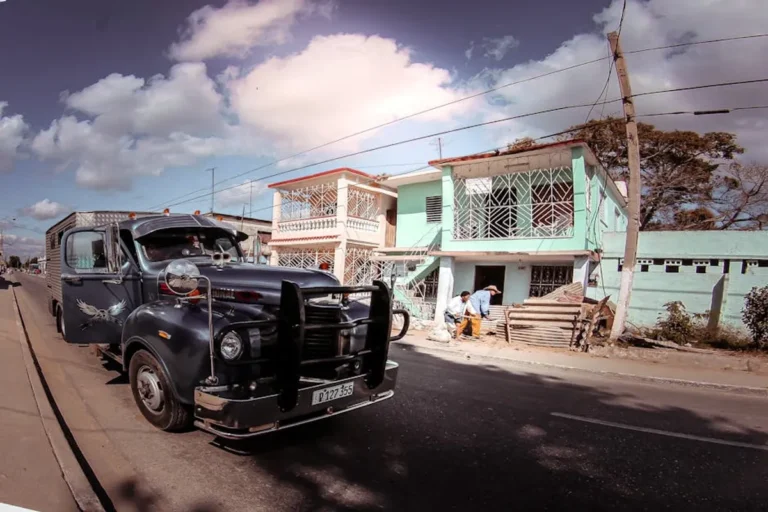
One of Havana's most visually striking features is its abundance of pre-1959 American classic cars. These meticulously maintained and often brightly colored vehicles are not just museum pieces; many function as taxis or offer city tours. Taking a guided tour in a vintage convertible provides a unique way to see the city's major sights, from Old Havana to Vedado and Miramar, often with a knowledgeable driver providing context. This experience combines historical charm with a practical mode of transport and an excellent photo opportunity.
Best for: Sightseeing with a unique flair, photography, and experiencing an iconic aspect of Cuban culture.
Pro Tip: When engaging with street vendors or taxi drivers, always agree on the price beforehand to avoid misunderstandings. While most interactions are positive, clear communication ensures a smooth experience, especially for services like classic car tours or purchasing souvenirs.
Planning Your Havana Exploration
To make the most of a visit to Havana, consider grouping activities by geographical area to minimize travel time. Old Havana is highly walkable, while other districts like Vedado or Miramar may require taxis or classic car tours. Embrace the unexpected; some of the most memorable experiences in Havana come from spontaneous interactions or discoveries in its less-trodden alleys. Keep an open mind and allow for flexibility in your itinerary to fully appreciate the city's unique pace and charm.
Frequently Asked Questions About Visiting Havana
What is the best way to get around Havana?
For Old Havana, walking is ideal. For longer distances, classic car taxis are abundant and offer a unique experience, while modern taxis provide a more standard option. Local buses are inexpensive but can be crowded and challenging to navigate without local knowledge.
Is Havana safe for tourists?
Havana is generally considered safe for tourists, with violent crime being rare. Petty theft, like pickpocketing, can occur in crowded areas, so standard precautions such as securing valuables and being aware of your surroundings are advised.
What currency should I use in Havana?
Cuba primarily uses the Cuban Peso (CUP). While some establishments may accept foreign currency, it's generally more advantageous to use CUP for daily transactions. Exchange facilities are available at airports, banks, and hotels.
What is the typical cost of a meal in a paladar?
The cost of a meal in a paladar can vary significantly based on location and menu. A mid-range meal, including a main course and a drink, might cost between 15 to 30 USD per person, while more upscale establishments could be higher. Street food and local eateries offer more budget-friendly options.