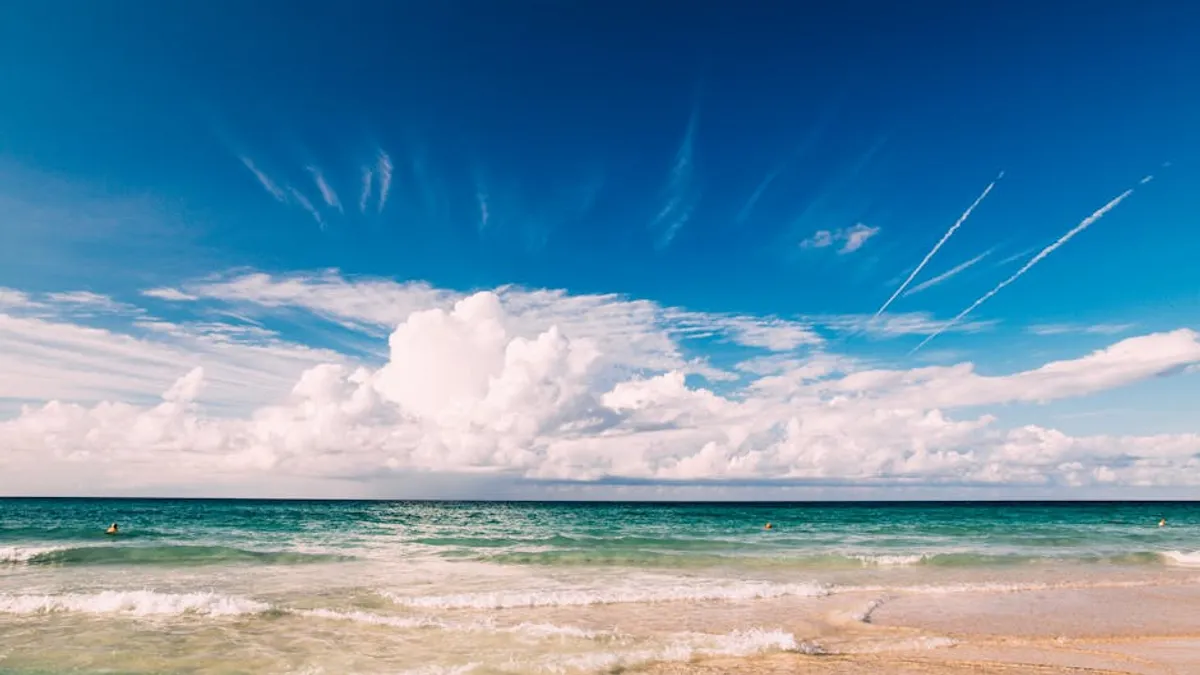
Varadero, Cuba, stands as a premier destination for those seeking a classic Caribbean beach holiday, characterized by extensive white-sand beaches and clear, warm waters. This guide provides a practical framework for planning a trip to Varadero, detailing essential considerations from logistics and accommodation to activities and local insights. It is designed for travelers prioritizing relaxation and convenience, often within an all-inclusive resort setting, but also for those interested in exploring the natural beauty and local culture of the Hicacos Peninsula.
Navigating Varadero: Arrival and Local Transport
Varadero is situated on the Hicacos Peninsula in Matanzas Province, approximately 140 kilometers east of Havana. The primary entry point for international travelers is Juan Gualberto Gómez Airport (VRA), which receives direct flights from several major cities. Upon arrival, taxis are readily available outside the terminal, offering direct transfers to resorts and accommodations. Alternatively, many all-inclusive packages include airport transfers, which should be confirmed with your tour operator prior to arrival.
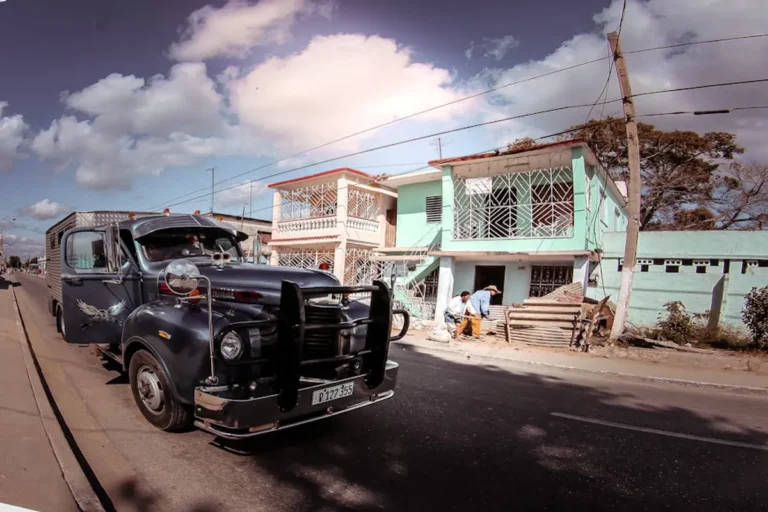
Once in Varadero, local transportation options facilitate movement around the peninsula. The Varadero Tour Bus provides an economical way to explore the main strip, operating on a hop-on, hop-off basis with stops at key attractions and resorts. Taxis are also plentiful, identifiable by their yellow license plates, and offer a convenient but more expensive alternative for shorter distances or specific destinations. For those seeking a more independent experience, scooter and car rentals are available, though road conditions and navigation outside the main tourist areas require caution.
Accommodation Choices: Resorts, Casas, and More
Varadero's accommodation landscape is dominated by all-inclusive resorts, which line the peninsula's extensive coastline. These properties typically offer a comprehensive package including meals, drinks, entertainment, and non-motorized water sports. They cater to a wide range of budgets and preferences, from family-friendly complexes with extensive facilities to adults-only retreats focused on tranquility.
Best for: Travelers seeking a hassle-free vacation with all amenities readily accessible.
Beyond the resorts, a growing number of casas particulares (private homes offering rooms for rent) provide an alternative for those desiring a more authentic local experience. These typically offer basic but comfortable accommodations, often including breakfast, and allow for direct interaction with Cuban hosts. They are concentrated in the town center of Varadero, away from the main resort strip.
Best for: Independent travelers, budget-conscious visitors, and those interested in cultural immersion.
Beyond the Beach: Activities and Excursions
While Varadero's beaches are a primary draw, the region offers a variety of activities and excursions that extend beyond sunbathing. These options cater to diverse interests, from natural exploration to cultural engagement.
- Snorkeling and Diving: The clear waters and coral reefs near Varadero provide excellent opportunities for underwater exploration. Popular spots include the Cayo Piedra Underwater Park, featuring sunken ships and vibrant marine life.
- Cueva de Saturno: This natural cave system houses a crystal-clear freshwater cenote, ideal for swimming and snorkeling in a unique underground environment.
- Josone Park: A tranquil oasis in the heart of Varadero, offering lush gardens, a small lake for paddle boating, and various dining options. It's suitable for a leisurely afternoon stroll.
- Varahicacos Ecological Reserve: Located at the eastern tip of the peninsula, this reserve protects native flora and fauna, including ancient cacti and the remains of a 500-year-old cactus. It also features the Cueva de Ambrosio, an indigenous cave with pictographs.
- Golf: The Varadero Golf Club, an 18-hole championship course, offers ocean views and a challenging layout for golf enthusiasts.
- Day Trips: Organized excursions to nearby cities like Matanzas (known as the "City of Bridges") or the vibrant capital of Havana provide a deeper insight into Cuban culture and history.
Dining and Local Cuisine
Dining in Varadero varies significantly between all-inclusive resorts and local establishments. Resorts typically offer a range of international buffets and à la carte restaurants, providing convenience and variety within the property. Outside the resort gates, the town of Varadero offers a selection of paladares (private restaurants) and state-run eateries. These local spots often specialize in traditional Cuban dishes, featuring staples like roasted pork, rice and beans (moros y cristianos), plantains, and fresh seafood.
Recommendation: Seek out paladares for a more authentic culinary experience and to support local businesses. Confirm pricing beforehand, as menus might not always display current rates.
Pro Tip: Internet access in Varadero, while improving, can still be limited and costly. Wi-Fi is primarily available in resorts and designated ETECSA hotspots. Purchase ETECSA scratch cards for access, and manage expectations regarding connection speed and reliability. Consider downloading offline maps and essential information before your trip.
Practical Considerations for Travelers
Understanding local customs and practicalities enhances the travel experience in Varadero.
Currency: Cuba transitioned away from the CUC (Cuban Convertible Peso) to the CUP (Cuban Peso) as the sole national currency. While the official exchange rate is fixed, the informal market often offers a significantly better rate for foreign currencies. It is advisable to carry small denominations of foreign currency (e.g., Euros, Canadian Dollars, USD) for exchange or direct payments in some establishments. Credit cards are accepted in many resorts and larger state-run businesses, but always carry cash for smaller purchases and local vendors.
Safety: Varadero is generally considered a safe destination for tourists. Standard precautions, such as safeguarding valuables and being aware of your surroundings, are always recommended. Petty theft can occur, particularly in crowded areas.
Communication: Spanish is the official language. While many resort staff speak English, learning a few basic Spanish phrases can be beneficial for interactions outside the main tourist areas.
Tipping: Tipping is customary for good service in resorts, restaurants, and for taxi drivers. Small amounts in local currency or foreign currency are appreciated.
Planning Your Varadero Experience
Varadero offers a distinct Caribbean holiday experience, primarily centered around its natural beach assets and the convenience of all-inclusive resorts. By understanding the local logistics, accommodation options, and cultural nuances, travelers can tailor their trip to meet their specific preferences, whether that involves maximizing relaxation by the sea or venturing out to explore Cuba's unique offerings. Prioritizing practical preparations, such as currency management and communication strategies, will contribute to a smoother and more enjoyable visit.
Frequently Asked Questions
What is the best time of year to visit Varadero?
The dry season, from November to April, is generally considered the best time to visit Varadero. Temperatures are pleasant, and humidity is lower, making it ideal for beach activities and excursions. The wet season, from May to October, brings higher temperatures, humidity, and a greater chance of rain and tropical storms.
Do I need a visa to travel to Varadero, Cuba?
Most foreign visitors require a tourist card (visa) to enter Cuba. This can often be obtained through your airline, tour operator, or the Cuban embassy/consulate in your country of residence. It is crucial to confirm the specific requirements based on your nationality before travel.
Is the water safe to drink in Varadero?
It is not recommended to drink tap water in Varadero. Stick to bottled water, which is widely available in resorts, stores, and restaurants. Ice in reputable establishments is generally made from purified water, but it's wise to exercise caution.
Can I use my cell phone in Varadero?
International roaming is often available, but it can be expensive. Many travelers opt to purchase a local SIM card (CUBACELL) upon arrival, which provides more affordable access to calls, texts, and data. However, coverage and data speeds can be inconsistent outside major tourist areas.