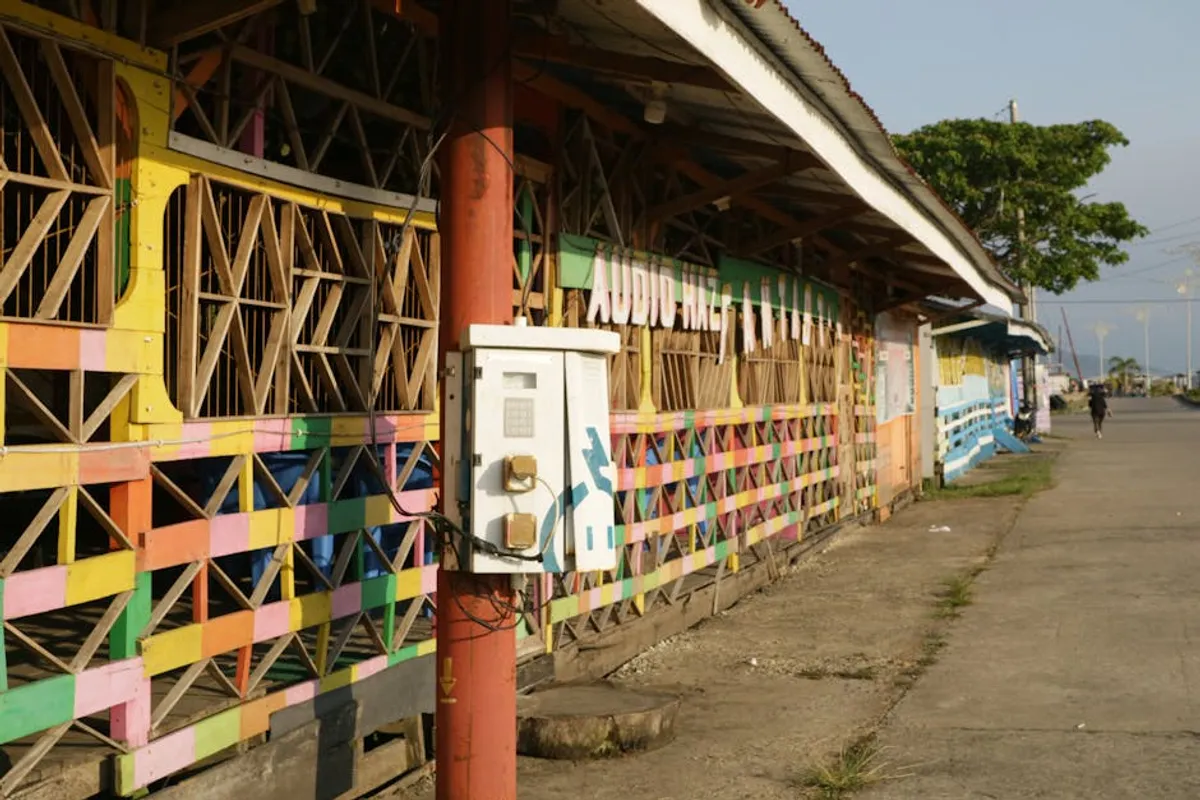
Baracoa, Cuba’s first capital, presents a distinct cultural profile that separates it from more frequently visited Cuban destinations. Its isolation, historically accessible primarily by sea, fostered a unique blend of indigenous Taíno, African, and French-Haitian influences, evident in its music, cuisine, and daily rhythms. Understanding these specific cultural elements is crucial for anyone seeking to engage authentically with the region, whether for travel planning, content development, or cultural appreciation. This guide details the foundational aspects of Baracoa's cultural landscape, providing concrete insights into its musical traditions, culinary staples, and the fabric of local life.
Baracoan Music: Rhythms of Origin and Resilience
The musical heritage of Baracoa is deeply rooted in its history, particularly the influence of enslaved Africans and Haitian immigrants. Unlike the more ubiquitous Son or Salsa found elsewhere in Cuba, Baracoa is the birthplace of two specific genres: Nengón and Kiribá. These forms are considered precursors to Son and are characterized by their intricate percussion and call-and-response vocals.
- Nengón: This older form features a slower tempo and often uses instruments like the tres (a three-double-string guitar), bongos, maracas, and the güiro. Its structure is communal, inviting participation from dancers and singers.
- Kiribá: Faster and more energetic than Nengón, Kiribá incorporates similar instrumentation but with a more pronounced rhythmic drive, often leading to lively, improvisational dance.
These genres are not merely historical relics; they are living traditions. Locals frequently perform Nengón and Kiribá at community gatherings, local casas de la trova, and spontaneous street parties. Engaging with these performances offers a direct connection to Baracoa’s unique cultural identity, providing a distinct experience from the musical offerings of Havana or Santiago de Cuba.
Pro Tip: To experience authentic Baracoan music, seek out local fiestas campesinas (countryside parties) or inquire at the Casa de la Trova in Baracoa city. These venues prioritize traditional performances over tourist-oriented shows, offering a more genuine cultural immersion. Verify schedules locally, as performances are often spontaneous or announced shortly beforehand.
Baracoan Cuisine: Coconut, Cacao, and Coastal Flavors
Baracoa's culinary landscape is defined by its abundant local ingredients, particularly coconut and cacao, combined with fresh seafood from its coastal location. The region's isolation has preserved traditional cooking methods and unique dishes not commonly found in other parts of Cuba.
Key Ingredients and Dishes:
- Coconut Milk: A foundational element, coconut milk replaces dairy in many savory and sweet dishes, imparting a rich, creamy texture and distinct flavor. It is a staple in stews, sauces, and desserts.
- Cacao: Baracoa is Cuba's primary cacao-growing region. This means fresh cacao beans, artisanal chocolate, and cacao-infused drinks are readily available. The local chocolate is often less processed and more robust than commercial varieties.
- Seafood: Given its coastal position, fresh fish, shrimp, and lobster are central to the diet. Dishes are frequently prepared en salsa de coco (in coconut sauce), a signature Baracoan preparation.
- Bacán: A unique Baracoan specialty, bacán is a tamal-like dish made from grated green plantain, coconut milk, and often pork or seafood, all wrapped and cooked in a calalú (taro leaf) or banana leaf. Its preparation is labor-intensive and signifies a special occasion.
- Cucurucho: A traditional dessert, cucurucho consists of shredded coconut, sugar, honey, and fruit (like guava, orange, or pineapple), mixed and served in a cone made from a dried palm leaf. It is a ubiquitous street snack.
The commercial utility here lies in recognizing these distinctive food items. For content creators, focusing on the uniqueness of Baracoan dishes like bacán or the prevalence of coconut milk provides a strong narrative differentiator compared to general Cuban cuisine. For travelers, seeking out these specific foods offers an authentic taste of the region.
Local Life: Pace, Community, and Traditions
Life in Baracoa moves at a noticeably slower pace than in Cuba's larger cities. This contributes to a strong sense of community and preserves traditional ways of living. The local population, known as baracoenses, maintains a close connection to their natural environment and agricultural roots.
Aspects of Daily Life:
- Community Interaction: Daily life revolves around local markets, shared public spaces, and family. Conversations are frequent, and visitors often find themselves easily integrated into local exchanges.
- Artisanal Crafts: Beyond food, local artisans produce crafts utilizing natural materials. Items made from coconut shells, wood, and seeds are common, reflecting the region's resources.
- Respect for Nature: The surrounding national parks and protected areas are integral to Baracoan identity. Many locals work in agriculture or eco-tourism, fostering a deep respect for the environment.
- Festivals and Celebrations: While not as globally recognized as Havana's carnivals, Baracoa has its own local celebrations, often tied to religious holidays or harvest seasons. These offer windows into traditional community gatherings and often feature Nengón and Kiribá music.
Understanding the rhythm of Baracoan life—its emphasis on community, nature, and tradition—allows for more meaningful engagement. For businesses, this translates to opportunities for supporting local artisans or promoting responsible tourism that respects the slow, authentic pace of the region.
Leveraging Baracoa's Cultural Distinctiveness
Baracoa's unique cultural tapestry—its indigenous music, coconut-infused cuisine, and community-centric local life—offers a compelling narrative for those looking beyond standard Cuban travel experiences. By focusing on these specific, tangible elements, content can differentiate itself, attracting audiences interested in authentic cultural immersion. Highlighting Nengón and Kiribá, detailing the preparation of bacán, or showcasing the daily interactions in the town square provides concrete, marketable points of interest. This specificity moves beyond generic travelogue, offering actionable insights for deeper engagement with one of Cuba's most culturally rich, yet often overlooked, regions.
Frequently Asked Questions
What makes Baracoa's music unique compared to other Cuban genres?
Baracoa is the origin of Nengón and Kiribá, older musical forms that predate Son. They are characterized by specific instrumentation and a call-and-response structure, reflecting the region's distinct historical influences.
What are the must-try traditional dishes in Baracoa?
Key dishes include bacán (a plantain and coconut tamal), seafood prepared en salsa de coco (in coconut sauce), and the sweet cucurucho (coconut and fruit dessert). The region's artisanal chocolate is also a notable local product.
How can visitors respectfully engage with local life in Baracoa?
Engage by visiting local markets, attending community music events, and supporting local artisans. Respecting the slower pace, participating in conversations, and showing interest in traditional practices fosters positive interactions.
Is Baracoa's culture influenced by its geographical isolation?
Yes, Baracoa's historical isolation allowed its unique cultural blend of Taíno, African, and French-Haitian influences to flourish and be preserved, distinct from the cultural developments in more accessible Cuban cities.