Baracoa, Cuba's oldest city, offers a culinary landscape distinct from the rest of the island. Its isolation, nestled between mountains and the Caribbean Sea, fostered a unique gastronomic identity centered on coconut, chocolate, and indigenous Taino ingredients. This guide outlines the essential dishes and dining venues, providing a framework for navigating Baracoa’s unique food culture.
Essential Baracoa Dishes to Experience
Baracoa's cuisine is characterized by its abundant use of coconut milk and local produce, creating flavors that are both rich and tropical.
Cucurucho
This is a quintessential Baracoa specialty, not merely a snack but a cultural emblem. Cucurucho consists of a sweet mixture of grated coconut, honey, sugar, and various fruits like guava, papaya, or pineapple, often with nuts. This blend is then packed into a cone-shaped palm frond, making it portable and distinctive. Vendors typically sell them along roadsides and at viewpoints, offering a taste of local craftsmanship and flavor.
Bacán
A lesser-known but deeply traditional dish, Bacán is a savory tamale-like preparation. It features grated green plantain mixed with coconut milk, pork, and local spices, all wrapped and steamed in a large bijao leaf (similar to a banana leaf). The steaming process imparts a subtle, earthy flavor to the plantain and pork, resulting in a moist, aromatic parcel. Finding Bacán often requires seeking out smaller, family-run eateries or asking locals for recommendations, as it is a labor-intensive dish.
Pescado con Leche de Coco
Given Baracoa's coastal location, fresh seafood is a staple. Pescado con Leche de Coco (fish with coconut milk) exemplifies the region's culinary approach. Typically, white fish such as snapper or kingfish is gently simmered in a rich, creamy sauce made from fresh coconut milk, garlic, onions, peppers, and local herbs. The coconut milk tenderizes the fish and infuses it with a subtly sweet and savory profile, contrasting with the often simpler preparations found elsewhere in Cuba.
Calalú
Calalú is a vibrant, leafy green stew, often made with taro leaves (malanga), okra, and various spices, sometimes including dried shrimp or pork. It's a hearty and nutritious side dish or a light main course, reflecting the Afro-Cuban and indigenous influences on Baracoa's diet. The texture is often thick and slightly viscous, with a deep, earthy flavor profile. It's a prime example of how local ingredients are transformed into comforting, distinctive dishes.
Frutas Tropicales y Chocolate
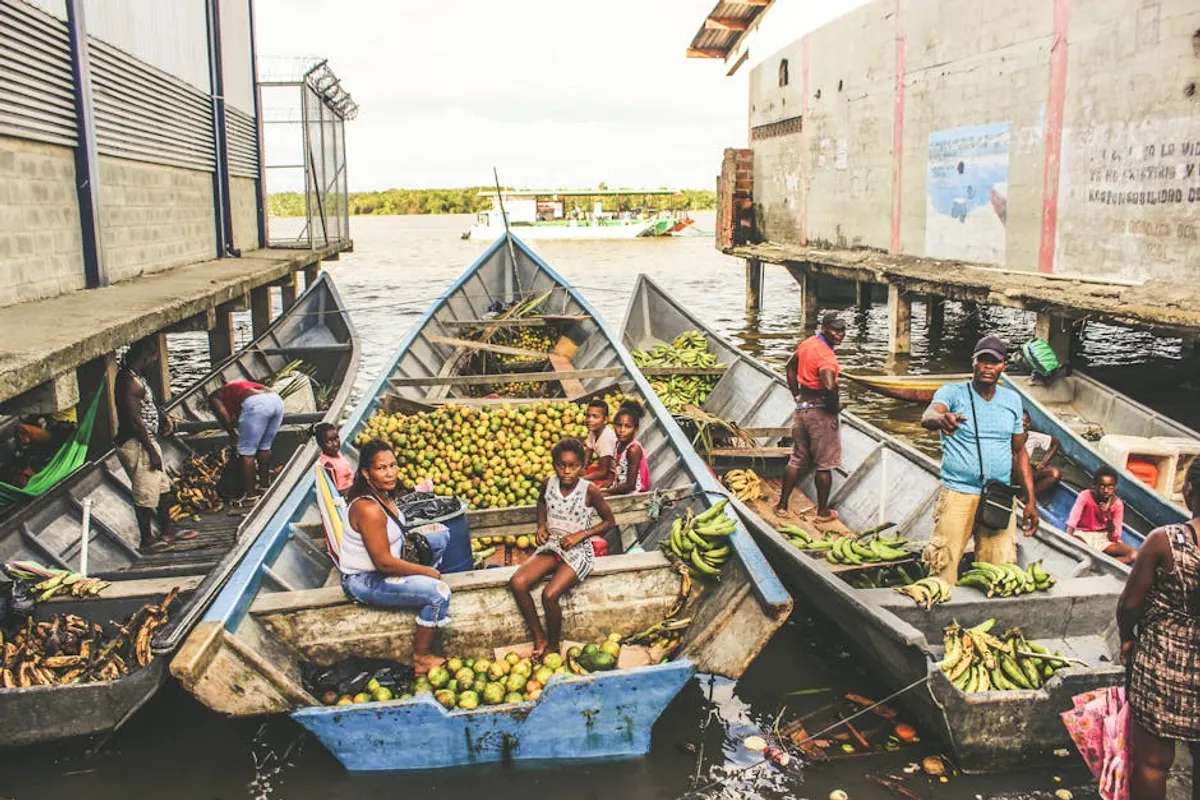
Baracoa is renowned for its abundance of tropical fruits, many of which are less common in other parts of Cuba. Expect to find fresh guanábana (soursop), mamey sapote, anón (custard apple), and a variety of bananas and plantains. The region is also a significant cacao producer. Local chocolate, often handmade into bars or used in desserts and drinks, offers a rich, unadulterated flavor distinct from commercial varieties. Seek out small chocolate producers for tasting opportunities.
Where to Go for Authentic Dining Experiences
Baracoa's dining scene is characterized by its intimate, family-run establishments and vibrant street food culture.
Paladares
Paladares are privately owned restaurants, offering a more personalized and often higher-quality dining experience than state-run establishments. In Baracoa, many paladares operate out of family homes, providing an authentic atmosphere. Look for places that specialize in local Baracoan cuisine, often indicated by menu items featuring coconut milk or unique seafood preparations. Prices are typically reasonable, and the service is often attentive. Reservations are rarely required but can be helpful for larger groups or peak times.
- Best for: Authentic Baracoan dishes, intimate atmosphere, personalized service.
- Considerations: Menus might be smaller or change daily based on ingredient availability.
Casas Particulares
Many casas particulares (private homes offering lodging) also provide breakfast, lunch, and dinner to their guests. Dining at a casa particular often means enjoying home-cooked meals prepared with fresh, local ingredients. This can be one of the most immersive ways to experience Baracoan home cooking, as hosts often prepare traditional dishes and are willing to discuss the ingredients and preparation methods. Even if not staying at a particular casa, some may accommodate non-guests for meals if arranged in advance.
- Best for: Home-style cooking, cultural immersion, direct interaction with local hosts.
- Considerations: Meal times are typically fixed; communicate dietary needs in advance.
Local Markets and Street Vendors
For a direct encounter with Baracoa's fresh produce and quick bites, visit the local markets. Here, you can find an array of tropical fruits, vegetables, and spices. Street vendors are prevalent, especially in the town center, offering snacks like cucurucho, fresh fruit juices, and sometimes fried plantain chips (mariquitas). This is an economical way to sample local flavors and observe daily life.
Pro Tip: When dining in Baracoa, especially at paladares or casas particulares, it is advisable to carry Cuban pesos (CUP) in small denominations. While some establishments accept foreign currency or card payments, cash, particularly in local currency, ensures smoother transactions and is often preferred by smaller vendors.
Navigating Baracoa's Culinary Scene
Dietary Considerations
While Baracoan cuisine is rich in flavor, specific dietary needs can be accommodated with clear communication. Vegetarians will find options centered around rice, beans, plantains, and local vegetables like malanga and yucca, often prepared with coconut milk. Seafood is abundant, but meat-free options are available. For allergies, clearly state your requirements using basic Spanish phrases or a translation app, as English proficiency can vary. Most establishments are willing to adapt dishes where possible, especially in paladares and casas particulares.
Maximizing Your Baracoa Food Experience
To fully appreciate Baracoa's distinct culinary offerings, embrace a spirit of curiosity and local engagement. Start your days with fresh fruit and strong Cuban coffee. Don't hesitate to ask locals for their favorite spots, as hidden gems often provide the most memorable meals. Explore beyond the main tourist areas to find smaller, family-run eateries that specialize in traditional preparations. Engaging with vendors at markets or cooks in paladares can also offer insights into the ingredients and cooking techniques unique to this region. Consider trying a local cooking class if available, to delve deeper into the preparation of dishes like Bacán or Pescado con Leche de Coco.
Frequently Asked Questions
Is the food in Baracoa generally safe for tourists?
Yes, food prepared in reputable paladares and casas particulares is generally safe. Focus on freshly cooked meals and bottled water. Exercise caution with street food, ensuring it appears fresh and is handled hygienically.
Are vegetarian or vegan options readily available?
Vegetarian options are available, primarily consisting of rice, beans, plantains, and local vegetables, often cooked with coconut milk. Vegan options require more specific requests but can be accommodated by communicating clearly about ingredients, especially avoiding animal fats or dairy.
What are the typical meal prices in Baracoa?
Meal prices vary, but Baracoa generally offers good value. A meal at a paladar or casa particular can range from 800 to 2000 CUP (approximately $5-15 USD, depending on the current exchange rate and dish), while street food snacks are considerably less expensive.
What local drinks should I try in Baracoa?
Beyond fresh fruit juices, try "Tuti Fruti," a local blended fruit drink. Cuban coffee is strong and widely available. For alcoholic beverages, local rum is common, and some establishments may offer a "Canchanchara," a traditional Cuban cocktail made with rum, honey, and lime, though it's more historically associated with Trinidad.