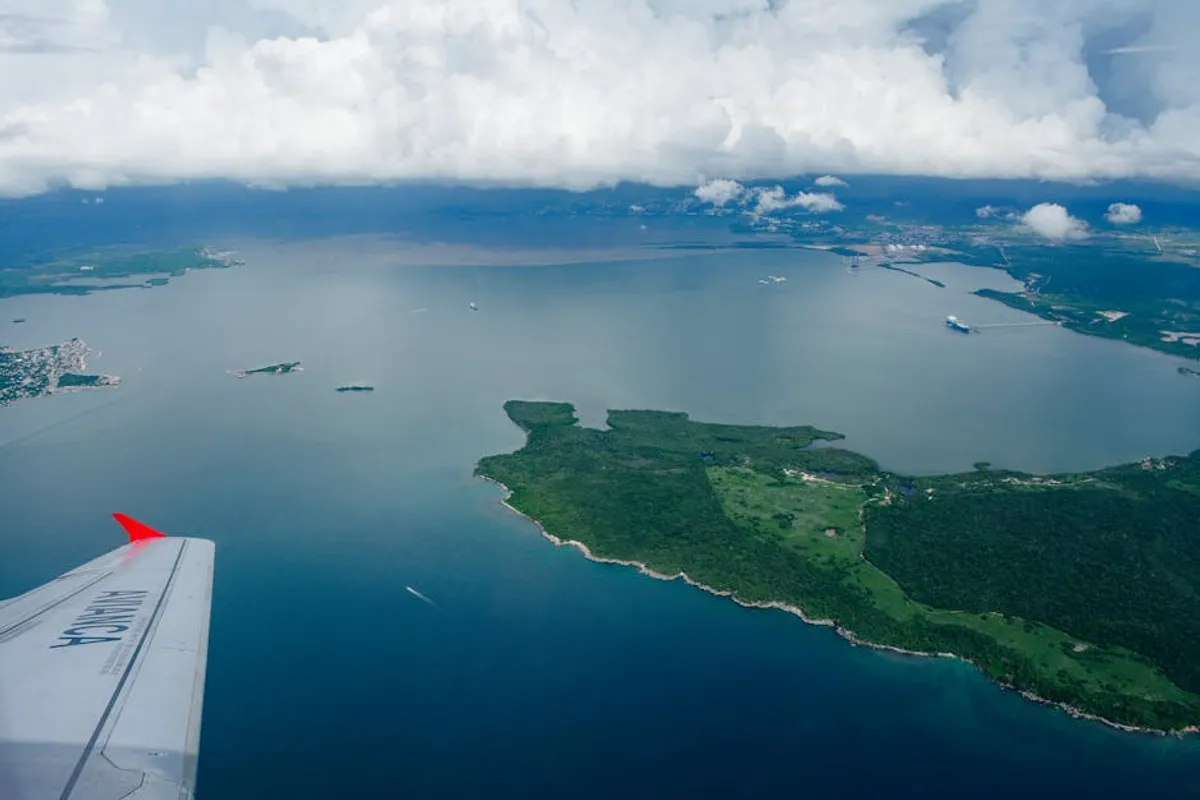
Baracoa, Cuba’s first capital, offers a distinct experience for travelers venturing beyond the more frequented western and central regions. Situated on the island's eastern tip, this remote coastal town is characterized by its lush rainforests, unique Taino heritage, and a culinary tradition centered on coconut milk and cacao. For first-time visitors, understanding Baracoa’s specific logistical considerations and local culture is crucial for a rewarding journey, differentiating it from a typical Cuban itinerary.
Navigating to Baracoa: Essential Transport Options
Reaching Baracoa requires planning due to its geographical isolation, nestled between mountains and the Atlantic. Direct international flights are not an option, necessitating domestic travel within Cuba.
Flights and Inter-city Buses
The most time-efficient method involves flying into Baracoa's local airport, Aeropuerto Gustavo Rizo (BCA), typically from Havana. Flights are infrequent and prone to delays, so flexibility is key. Alternatively, Viazul buses provide inter-city connections, offering a cost-effective but significantly longer travel time. The journey from Santiago de Cuba, for example, can take over five hours through winding mountain roads, while routes from Havana span more than 24 hours.
Private Transfers and Car Rentals
Private taxis or shared colectivos offer a faster, albeit more expensive, alternative to buses, particularly for routes from Santiago de Cuba or Guantánamo. These can be arranged through casas particulares or local agencies. Renting a car provides the most independence, allowing stops at scenic viewpoints like La Farola, a serpentine mountain pass. However, road conditions outside major cities can be challenging, and fuel availability varies.
Selecting Your Stay: Baracoa Accommodation Insights
Baracoa’s accommodation landscape is dominated by locally-run establishments, offering a more immersive experience than large resort chains.
Casas Particulares: Local Immersion
Best for: Authentic cultural exchange, direct local insights, and home-cooked meals.
Casas particulares are private homes licensed to rent rooms to tourists. Many are centrally located with balconies offering views of the bay or city. Hosts often assist with organizing excursions, transportation, and provide breakfast and dinner for an additional fee. This option offers a direct contribution to the local economy and opportunities for genuine interaction.
Hotel Options: Comfort and Amenities
While fewer in number, Baracoa does offer a selection of state-run hotels. These typically provide amenities such as swimming pools, air conditioning, and on-site restaurants. Options like Hotel El Castillo, perched atop a hill, offer panoramic views of the city and bay. These hotels tend to cater to visitors seeking more standardized services and facilities.
Baracoa's Culinary Landscape: Flavors to Discover
Baracoa's cuisine is distinct within Cuba, heavily influenced by its abundant natural resources, particularly coconut, cacao, and fresh seafood. This region is the primary source of chocolate in Cuba.
Traditional Dishes and Ingredients
Expect dishes prepared with coconut milk, such as pescado con leche de coco (fish in coconut milk) and ajiaco baracoense, a hearty stew. The region's cacao production means chocolate is a staple, often served as a rich, thick hot chocolate. Local fruits like mamón, guanábana, and the ubiquitous banana are integral to the diet. The most famous local sweet is cucurucho, a cone-shaped treat made from coconut, sugar, and fruit, wrapped in a palm leaf.
Dining Experiences: From Paladares to Street Food
Best for: Experiencing local flavors and supporting small businesses.
Dining in Baracoa largely occurs in paladares (private restaurants) and casas particulares. These establishments often source ingredients locally, providing fresh, seasonal meals. Street food options include fruit stands and small kiosks selling fried snacks. Exploring the local market offers insight into the fresh produce and ingredients that define Baracoan cooking.
Essential Experiences: Activities for First-Timers
Baracoa’s appeal lies in its natural beauty and historical significance, offering a blend of adventure and cultural exploration.
Natural Wonders: El Yunque and Rivers
The iconic flat-topped mountain, El Yunque, is a prominent landmark. Guided hikes to its summit offer challenging terrain and panoramic views of the surrounding rainforest and coastline. Permits and guides are mandatory for this protected area. Numerous rivers, including the Toa and Yumurí, provide opportunities for boat trips, swimming, and exploring local flora and fauna. The Yumurí Canyon, accessible by a short bus ride or taxi, is ideal for a half-day excursion involving a dugout canoe ride and river swimming.
Cultural Immersion: History and Local Life
Baracoa holds the distinction of being Cuba's first Spanish settlement, founded by Diego Velázquez in 1511. Visitors can explore the city's historical forts, such as Fuerte Matachín (now a museum) and El Castillo, which offer insights into colonial defenses. A visit to a cacao farm provides a hands-on understanding of chocolate production, from bean to bar. Engaging with local artists and musicians, particularly in the evening squares, reveals the town's vibrant cultural pulse.
Beach Exploration: Untouched Coasts
While Baracoa isn't known for expansive white sand beaches like Varadero, its coastline offers secluded coves and unique black sand beaches. Playa Maguana, located a short drive north, is a popular choice for its clear waters and snorkeling opportunities. Playa Duaba, closer to town, is known for its darker sand and proximity to the Duaba river mouth.
Practicalities for a Seamless Trip
Navigating the practical aspects of travel in Baracoa ensures a smoother and more enjoyable visit.
Currency and Payments
Cuba operates primarily on a cash economy. The local currency is the Cuban Peso (CUP). While some larger hotels or state-run establishments may accept credit cards, most transactions, especially in casas particulares, paladares, and for excursions, require cash. ATMs are available but can be unreliable or run out of cash. It is advisable to carry sufficient cash for your anticipated expenses.
Pro Tip: Always carry small denominations of Cuban Pesos (CUP) for everyday purchases like street food, local transport, and tips. While larger establishments may quote prices in a foreign currency like USD or EUR, paying in CUP at the official exchange rate can often be more advantageous. Ensure you exchange currency at official CADECA exchange houses or banks to avoid unfavorable rates.
Connectivity and Communication
Internet access in Baracoa, like much of Cuba, is limited. Wi-Fi is typically available in designated public parks or ETECSA (state telecommunications company) centers, requiring the purchase of a scratch-off card for access. Connectivity can be slow and intermittent. Consider this when planning to rely on online maps or communication. Local SIM cards are available but primarily for calls and texts, with data plans being expensive and less reliable.
Health and Safety Considerations
Baracoa is generally safe for tourists. Basic precautions, such as safeguarding valuables and avoiding walking alone in unlit areas at night, are recommended. Tap water is not safe for drinking; always opt for bottled water. Mosquito repellent is essential, especially during dawn and dusk, due to the tropical climate. A basic first-aid kit with remedies for common travel ailments is also advisable.
- Bottled water
- Mosquito repellent
- Sunscreen and hat
- Basic first-aid kit
- Comfortable walking shoes
- Lightweight, breathable clothing
- Small backpack for day trips
- Offline maps or guidebooks
Maximizing Your Baracoa Experience
Baracoa offers a unique window into Cuba's eastern identity, distinct from the more frequented western and central parts of the island. Its blend of untouched nature, deep historical roots, and a vibrant local culture provides a rich tapestry for exploration. By planning your transport, understanding local accommodation and dining, and embracing the practicalities of a remote Cuban destination, first-time visitors can unlock an authentic and memorable travel experience that extends beyond the typical tourist trail.
Frequently Asked Questions
What is the best time of year to visit Baracoa?
The dry season, from November to April, generally offers the most pleasant weather with less humidity and rainfall, making it ideal for outdoor activities like hiking and beach visits.
Is English widely spoken in Baracoa?
While some English is spoken in tourist-facing establishments like hotels and some casas particulares, Spanish is the dominant language. Learning a few basic Spanish phrases will significantly enhance your interactions and overall experience.
How many days are recommended for a first-time visit?
A minimum of 3 to 5 full days is recommended to experience Baracoa's main attractions, including a hike to El Yunque, a river excursion, exploring the town, and enjoying the local cuisine, without feeling rushed.
Are there any specific cultural customs to be aware of?
Cubans are generally warm and welcoming. Politeness and respect are highly valued. It's customary to greet people with a "Hola" or "Buenos días/tardes." Tipping for good service in restaurants, taxis, and casas particulares is appreciated.