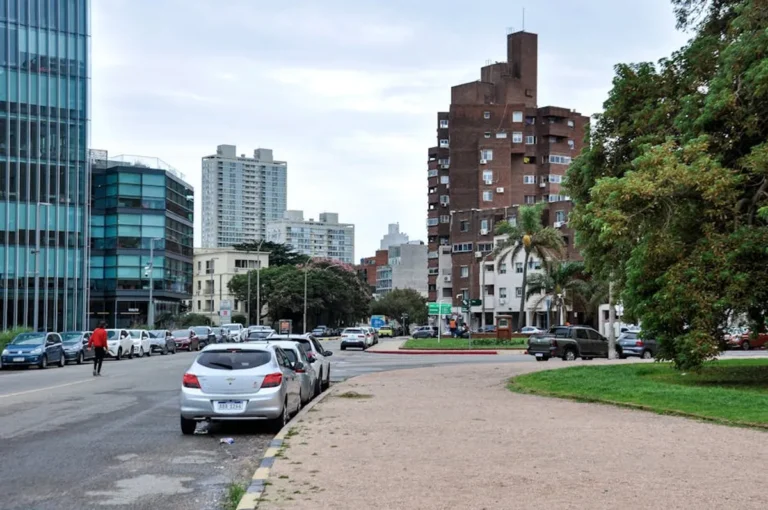
Navigating Camagüey on a budget requires a strategic approach to accommodation, dining, transportation, and activities. This colonial city, a UNESCO World Heritage site, offers a rich cultural experience, but costs can accumulate if not managed thoughtfully. The key to maximizing your budget here lies in embracing local options, understanding the dual currency system, and prioritizing experiences that offer high value without high expense. This guide outlines specific budget-friendly choices, providing actionable insights for travelers aiming to experience Camagüey authentically while keeping expenditures in check.
How to Plan Your Budget Travel in Camagüey
Successful budget travel in Camagüey hinges on several core principles. First, prioritize local establishments: casas particulares for lodging, paladares for dining, and public transport for getting around. These options not only save money but also offer a more immersive cultural experience compared to state-run hotels or tourist-centric restaurants. Second, understand the local currency dynamics. While the CUP (Cuban peso) is the primary local currency, many tourist services and some private businesses may quote prices in MLC (Moneda Libremente Convertible) or accept foreign currency. Always clarify pricing before committing. Third, focus on free or low-cost activities such as exploring historic plazas, walking tours, and enjoying live music in public spaces. Finally, pre-booking some key elements like your first night's accommodation can reduce on-the-ground stress and prevent overspending due to last-minute decisions.
1. Casa Particular 'El Patio Colonial'
This type of accommodation represents the cornerstone of budget travel in Camagüey. 'El Patio Colonial' exemplifies a well-maintained private home offering guest rooms, typically with air conditioning, private bathrooms, and often a small patio or balcony. These establishments are run by local families, providing an authentic insight into Cuban life and direct interaction with residents. Prices are significantly lower than state hotels, and many offer breakfast and dinner services at an additional, usually reasonable, cost. The value extends beyond just lodging; hosts often provide invaluable local advice on attractions, transport, and dining.
Best for: Travelers seeking authentic cultural immersion, personalized service, and significant savings on accommodation. Ideal for those comfortable with a homestay environment.
Pros: Direct cultural exchange, often includes breakfast, hosts provide local insights, typically centrally located, competitive pricing compared to hotels.
Cons: Amenities may be basic, language barrier can be a challenge without basic Spanish, privacy might be less than a hotel, booking can sometimes be less formalized than larger chains.
Verdict: Opting for a casa particular like 'El Patio Colonial' is a non-negotiable strategy for budget travelers in Camagüey. It provides the best balance of cost, cultural depth, and practical support, making it the primary lodging recommendation.
2. Paladar 'Sabor Local'
Paladares are privately owned restaurants that offer a more intimate and often more authentic dining experience than state-run establishments. 'Sabor Local' represents a typical paladar that focuses on traditional Cuban cuisine with fresh, local ingredients. Prices are generally more affordable than tourist-oriented restaurants, and portion sizes are often generous. These establishments contribute directly to the local economy and provide a chance to taste home-style cooking. Look for ones slightly off the main tourist thoroughfares for even better value.
Best for: Experiencing genuine Cuban gastronomy, supporting local businesses, and enjoying affordable, hearty meals. Suitable for all travelers looking for quality food without premium pricing.
Pros: Authentic dishes, fresh ingredients, often better value than state restaurants, supports local families, intimate dining atmosphere.
Cons: Menu options might be limited, service can be slower during peak hours, locations might require a short walk from central areas, some may not accept credit cards.
Verdict: Dining at paladares like 'Sabor Local' is essential for budget travelers. It ensures an authentic culinary journey that is both delicious and economical, significantly reducing food expenses.
3. Café 'La Esquina Dulce'
For quick bites, coffee, and pastries, local cafés like 'La Esquina Dulce' are excellent budget choices. These small, often unassuming spots serve Cuban coffee, fresh juices, sandwiches, and traditional sweets at very low prices. They are perfect for a cheap breakfast, a midday snack, or an afternoon pick-me-up. Unlike larger restaurants, these cafés focus on rapid service and local patronage, ensuring competitive pricing and a glimpse into daily Cuban life.
Best for: Affordable breakfasts, coffee breaks, light lunches, and experiencing local daily routines. Ideal for travelers who prefer to graze or save on full restaurant meals.
Pros: Extremely low prices, quick service, good quality coffee and fresh juices, popular with locals, convenient for on-the-go travelers.
Cons: Limited seating, basic menu, not suitable for full meals, may lack air conditioning.
Verdict: Integrating local cafés into your daily routine, exemplified by 'La Esquina Dulce', offers substantial savings on meals and snacks, allowing budget allocation to other experiences.
4. Hostal 'Rincón Viajero'
While similar to casas particulares, a hostal in Cuba often implies a slightly larger private guesthouse, sometimes with more rooms and a slightly more structured service model, though still family-run. 'Rincón Viajero' represents a comfortable hostal that provides clean, secure rooms with essential amenities at budget-friendly rates. They often have common areas for guests to socialize, and some may offer basic kitchen access. The benefit here is often a slightly more independent feel than a traditional casa particular while retaining the local charm and pricing.
Best for: Budget-conscious travelers seeking a balance between a guesthouse and a more independent stay, often with opportunities to meet other travelers. Suitable for solo travelers or small groups.
Pros: Affordable rates, often good communal spaces, local hosts provide assistance, usually well-located, a step up in structure from basic casas.
Cons: Can sometimes feel less personal than a small casa particular, amenities still basic compared to international hotels, availability can vary during peak season.
Verdict: Hostals like 'Rincón Viajero' offer a solid budget accommodation option, particularly for those who appreciate a slightly more organized guesthouse environment with shared spaces.
5. Mercados Agropecuarios
These local farmers' markets are a vital resource for budget travelers looking to save on food costs and experience local life. Instead of buying packaged snacks or drinks from tourist shops, visiting a mercado agropecuario allows you to purchase fresh fruits, vegetables, and sometimes local cheeses or bread at rock-bottom prices. This is an excellent way to prepare your own simple meals if your accommodation allows, or simply to stock up on healthy snacks for the day. These markets are bustling hubs of local activity.
Best for: Self-catering travelers, those wanting fresh produce, and anyone interested in seeing the authentic local economy in action. Ideal for significant food savings.
Pros: Extremely low prices for fresh produce, authentic local experience, supports local farmers, opportunity to try exotic fruits.
Cons: Limited variety of non-produce items, requires basic Spanish for interaction, quality can vary, not always conveniently located for all travelers.
Verdict: Utilizing mercados agropecuarios is a top strategy for cutting down daily food expenses, especially for snacks and simple meals. It enhances the cultural experience while being highly economical.
6. Transporte Público Urbano
Camagüey's local public transportation, including buses (guaguas) and shared taxis (colectivos), offers the most economical way to navigate the city beyond walking. While buses can be crowded and routes sometimes unclear to outsiders, they are incredibly cheap. Colectivos, often vintage American cars, operate on fixed routes and pick up multiple passengers, charging a small, fixed fee per person for a segment of the route. These are significantly cheaper than private taxis and provide a unique travel experience.
Best for: Long-distance within the city, experiencing local commuting, and drastically reducing transportation costs. Suitable for adventurous travelers comfortable with local transport systems.
Pros: Extremely cheap fares, authentic local experience, good for longer distances within the city, colectivos are often faster than buses.
Cons: Buses can be crowded and infrequent, routes might be confusing, colectivos require knowing the main routes, less comfortable than private taxis.
Verdict: Embracing public transport, particularly colectivos, is crucial for budget travelers to minimize daily transit costs and gain a genuine local perspective on Camagüey's urban rhythm.
7. Recorridos a Pie por el Centro Histórico
Camagüey's historic center is a UNESCO World Heritage site, best explored on foot. Self-guided walking tours are entirely free and allow visitors to appreciate the city's unique labyrinthine street plan, colonial architecture, and numerous plazas at their own pace. Free maps are sometimes available from tourist information centers or your casa particular host. Focus on key areas like Plaza del Carmen, Plaza San Juan de Dios, and Parque Agramonte. This activity requires no expenditure beyond comfortable shoes.
Best for: Immersive cultural exploration, architectural appreciation, and completely free sightseeing. Ideal for all travelers, especially those who enjoy independent discovery.
Pros: Completely free, flexible schedule, allows for detailed exploration, excellent way to appreciate the city's unique layout and history, good exercise.
Cons: Requires good walking ability, can be hot during midday, no guided commentary unless you hire a guide (which adds cost), can be tiring.
Verdict: Walking tours of the historic center are the most effective way to engage with Camagüey's core attractions without spending money, offering profound cultural value for zero cost.
8. Parque Agramonte y Plazas Públicas
Camagüey is renowned for its beautiful and lively public squares. Parque Agramonte, Plaza del Carmen, and Plaza San Juan de Dios are not just landmarks but vibrant social hubs. Spending time in these plazas is a free activity that offers rich cultural observation. Locals gather here, musicians often play, and you can simply sit on a bench, people-watch, and absorb the city's atmosphere. These spaces are well-maintained and provide a safe, engaging environment for relaxation and cultural immersion.
Best for: Relaxing, people-watching, enjoying local street life, and soaking in the city's atmosphere without spending money. Suitable for all ages and interests.
Pros: Completely free, central locations, vibrant social hubs, opportunities for cultural observation, safe and pleasant environments.
Cons: Can be crowded, limited amenities (e.g., public restrooms might be scarce or cost a small fee), subject to weather conditions.
Verdict: Utilizing Camagüey's public plazas as free entertainment and relaxation zones is a fundamental budget strategy, offering authentic cultural engagement at no financial cost.
9. Casa de la Trova
The Casa de la Trova in Camagüey is a cultural institution dedicated to traditional Cuban music. While some shows might have a small cover charge, many events, particularly during the day or early evening, are free or very low cost. It's a fantastic place to hear live traditional Cuban music, including trova, son, and salsa, performed by local artists. Enjoying the music with a cheap local beer or a non-alcoholic drink provides an authentic evening out that is significantly more affordable than tourist-oriented shows.
Best for: Experiencing live Cuban music and dance, cultural immersion, and affordable evening entertainment. Ideal for music lovers and those seeking local nightlife.
Pros: Authentic live music, often free or very low cover charge, vibrant atmosphere, supports local artists, affordable drinks available.
Cons: Can get very crowded, limited seating, music style might not appeal to everyone, sometimes smoky (if smoking is permitted indoors).
Verdict: The Casa de la Trova offers unparalleled cultural value for budget travelers seeking authentic Cuban music and a lively evening atmosphere without breaking the bank.
10. Museo Provincial Ignacio Agramonte
Museums in Cuba often have very low entry fees for tourists, and the Museo Provincial Ignacio Agramonte is a prime example. Housed in a former cavalry barracks, it offers a comprehensive overview of Camagüey's history, art, and natural sciences. The nominal entrance fee provides access to extensive collections, including colonial furniture, local art, and artifacts related to the Cuban independence wars. It's an enriching cultural activity that offers significant value for a minimal expense.
Best for: History buffs, art enthusiasts, and those seeking educational and cultural insights into Camagüey. Suitable for a low-cost, enriching daytime activity.
Pros: Very low entrance fee, extensive collections covering history and art, air-conditioned sections (sometimes), provides context for the city's heritage.
Cons: Information might be primarily in Spanish, exhibits can sometimes feel dated, limited interactive displays.
Verdict: Visiting the Museo Provincial Ignacio Agramonte is a highly recommended budget activity, offering deep cultural and historical understanding for a minimal financial outlay.
11. Alquiler de Bicicletas Locales
Renting a bicycle from a local vendor is an incredibly budget-friendly and efficient way to explore Camagüey, especially for covering more ground than walking without relying on public transport. Many casas particulares or small shops offer bicycle rentals for a small hourly or daily fee. This allows you to explore neighborhoods off the main tourist circuit, discover hidden gems, and enjoy the city at a leisurely pace. It combines transportation with an activity, offering dual value.
Best for: Independent exploration, covering more ground efficiently, active travelers, and accessing areas not easily reached by public transport. Ideal for a low-cost, flexible mode of transport.
Pros: Very affordable rental rates, flexible exploration, good exercise, allows access to quieter areas, environmentally friendly.
Cons: Bicycles might be basic and not always well-maintained, city traffic can be challenging, lack of dedicated bike lanes, requires awareness of road conditions.
Verdict: Bicycle rental offers an excellent blend of budget transportation and activity, providing freedom to explore Camagüey beyond the central core at a minimal cost.
12. Tiendas de Artesanía Local
While souvenir shopping can quickly inflate a budget, Camagüey's local artisan shops offer unique, handmade items that are often more affordable and authentic than mass-produced tourist souvenirs. Look for small workshops or stalls in the historic center, particularly around Plaza del Carmen. Items like pottery, leather goods, and small paintings can be purchased directly from the artists or local vendors, often at negotiable prices. Focusing on small, locally made items ensures you take home a piece of Camagüey without overspending.
Best for: Authentic souvenir shopping, supporting local artisans, and finding unique gifts within a limited budget. Ideal for those who value craftsmanship over commercial goods.
Pros: Unique, handmade items, supports local economy, often negotiable prices, more authentic than generic souvenirs, wide variety of crafts.
Cons: Quality can vary, some items might be fragile for travel, haggling might be necessary for best prices, can be challenging to differentiate truly local from imported goods.
Verdict: Prioritizing local artisan shops for souvenirs is a smart budget choice, allowing for meaningful purchases that support the community without significant financial outlay.
Maximizing Your Budget Travel Experience
Choosing the right budget options in Camagüey involves more than just selecting the cheapest available. It requires a deliberate strategy to integrate local experiences with cost-saving measures. Prioritize accommodations that offer breakfast, as this eliminates one meal expense. Learn a few basic Spanish phrases; this can open doors to better deals and more authentic interactions. Always carry small denominations of local currency (CUP) for street vendors, public transport, and small purchases. Be open to flexibility in your plans, as spontaneous local recommendations often lead to the best budget-friendly discoveries. Finally, engage with your casa particular hosts; their knowledge of local, affordable options is invaluable and often underutilized by travelers.
FAQ
Q: Is it safe to travel on a budget in Camagüey?
A: Camagüey is generally considered a safe city for travelers. As with any destination, exercising common sense, being aware of your surroundings, and safeguarding valuables are recommended. Budget travel often involves more interaction with locals, which can enhance safety through community presence.
Q: Can I use credit cards for budget travel in Camagüey?
A: Credit card acceptance is limited, especially at smaller, budget-friendly establishments like paladares, cafés, and casas particulares. Always carry sufficient cash in the local currency (CUP) and potentially MLC or foreign currency for larger purchases or emergencies. ATMs are available but can be unreliable.
Q: How can I find reliable budget accommodations like casas particulares?
A: Many casas particulares are listed on international booking platforms, though often with a commission. For the best rates, consider booking your first night online and then asking your host for recommendations for subsequent stays or other cities. Word-of-mouth from other travelers is also a reliable method. Look for the distinctive blue or red triangle symbol outside homes, indicating they are licensed to host tourists.
Q: What is the best way to manage money for budget travel in Camagüey?
A: Bring enough foreign currency (Euros or Canadian Dollars are often preferred over USD due to historical restrictions, though USD is increasingly accepted) to exchange for MLC or CUP as needed. Exchange small amounts at official CADECA exchange houses or banks for the best rates. Avoid exchanging money on the street. Keep your cash in a secure money belt or hidden pouch.
Q: Are there any free Wi-Fi spots in Camagüey for budget travelers?
A: Free Wi-Fi is not common. ETECSA, the national telecommunications company, operates Wi-Fi hotspots in public parks and squares, which require purchasing a scratch-off card for access. While not free, these cards are relatively inexpensive and provide internet access. Some casas particulares or larger establishments might offer Wi-Fi, often for an additional fee.