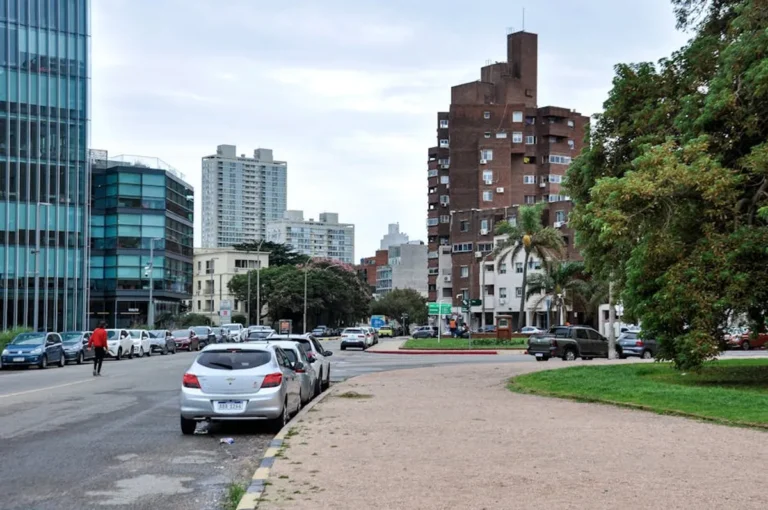
Havana offers a vibrant, historically rich experience, but navigating its unique economic landscape on a budget requires specific strategies. Unlike destinations with readily available budget hotel chains or extensive online booking ecosystems, Havana's value lies in understanding local customs, leveraging community-based services, and embracing a more integrated travel style. This guide details practical approaches to managing costs, focusing on authentic experiences that deliver significant value without overspending. The aim is to equip travelers with actionable insights for securing affordable accommodation, dining, transport, and activities, ensuring a memorable trip that respects financial limits.
Navigating Budget Travel in Havana: Key Considerations
Successful budget travel in Havana hinges on a few core principles that differ from typical tourist destinations. First, prioritize local currency (CUP) transactions where possible, as many tourist-oriented services operate in foreign currency or at inflated rates. Second, embrace local-run businesses; these often offer better value and more authentic experiences than state-run or internationally branded alternatives. Third, flexibility is an asset, particularly with transport and dining, allowing you to adapt to availability and local pricing. Finally, understand that "budget" in Havana often means trading some Western conveniences for cultural immersion and cost savings.
1. Casas Particulares
Casas Particulares are private homes licensed by the government to rent rooms to tourists. They represent the cornerstone of budget accommodation in Havana, offering a direct cultural exchange that hotels cannot match. Guests typically rent a private room with an en-suite bathroom, often including breakfast for an additional fee. Prices are significantly lower than hotels, and hosts frequently provide invaluable local advice on dining, transport, and activities, often acting as informal guides or facilitators for other services.
Best for: Travelers seeking authentic cultural immersion, personalized service, and direct interaction with Cuban families, while keeping accommodation costs minimal.
Pros:
- Lower nightly rates compared to hotels, typically $25-$40 USD.
- Opportunity for genuine cultural exchange and local insights.
- Many offer home-cooked meals (breakfast, dinner) at reasonable prices.
- Often located in residential areas, providing a local neighborhood feel.
- Flexibility with check-in/out and amenities often possible.
Cons:
- Amenities might be basic (e.g., older air conditioning units, limited hot water pressure).
- Booking can be less streamlined than hotels, sometimes requiring direct contact or cash payments.
- Privacy levels vary; you are staying in someone's home.
- Language barrier can be an issue if hosts do not speak English.
Verdict: The most effective budget accommodation choice, offering unparalleled cultural value. Essential for an affordable and authentic Havana experience, provided you prioritize immersion over luxury hotel amenities.
2. Paladares (Private Restaurants)
Paladares are privately owned restaurants that emerged from small family-run eateries and have evolved into diverse culinary establishments. They consistently offer better value and higher quality food than state-run restaurants or hotel dining. Many paladares focus on traditional Cuban cuisine, using fresh, local ingredients, often at a fraction of the cost of tourist-centric venues. They range from simple, home-style settings to more upscale, but still competitively priced, options.
Best for: Travelers prioritizing authentic, high-quality Cuban food experiences at a reasonable price, avoiding overpriced tourist traps.
Pros:
- Superior food quality and taste compared to state-run options.
- Generally lower prices for full meals, including drinks.
- Support for local entrepreneurs and families.
- Diverse menus, often featuring fresh seafood and traditional dishes.
- More intimate and often charming dining atmospheres.
Cons:
- Some popular paladares require reservations, especially during peak season.
- Can be slightly more expensive than street food or local cafeterias, though still budget-friendly.
- Locations can be less central, requiring a short taxi or walk.
- Menu availability can fluctuate based on local ingredient supplies.
Verdict: A non-negotiable for budget-conscious foodies in Havana. Paladares deliver the best culinary value and a crucial part of the local experience.
3. Almendrones (Shared Taxis)
Almendrones are classic American cars from the 1950s that operate as shared taxis along fixed routes, functioning much like a bus service. They are significantly cheaper than private taxis, typically costing 10-50 CUP per person per ride, depending on the distance. To use them, stand on a main road and flag one down, stating your destination. If it's on their route, they'll stop. This is the most authentic and cost-effective way to cover longer distances within Havana.
Best for: Covering significant distances within Havana on a minimal budget, experiencing local transport, and those comfortable with basic Spanish to communicate directions.
Pros:
- Extremely affordable, often just pennies for a ride.
- Authentic local experience, interacting with Cubans.
- Faster than public buses for specific routes.
- Iconic classic car experience.
Cons:
- Routes are fixed, so you might need to walk a bit to your final destination.
- Requires some understanding of Spanish to communicate effectively.
- Can be crowded, especially during peak hours.
- Not suitable for direct door-to-door service like private taxis.
Verdict: Indispensable for budget travelers navigating Havana. Mastering almendrones unlocks significant savings on transport and provides a unique cultural insight.
4. Street Food Vendors and Cafeterias
Havana’s street food scene and local cafeterias offer the absolute lowest prices for meals and snacks. These range from small stands selling frituras (fried dough), pan con lechón (pork sandwiches), and pizzas, to simple cafeterias offering full, basic meals (comida criolla) for just a few CUP. Look for places frequented by locals, often identifiable by their simple setups and Cuban peso pricing. This is where your CUP currency becomes most powerful.
Best for: Travelers on the tightest food budgets, seeking quick, authentic, and extremely cheap meals and snacks throughout the day.
Pros:
- Unbeatable prices, often just a few CUP for a substantial snack or small meal.
- Immediate availability and convenience for quick bites.
- Authentic local flavors and common Cuban dishes.
- Supports small, independent vendors.
Cons:
- Limited variety and basic culinary offerings.
- Hygiene standards can be variable; choose vendors with visible customer turnover.
- Often no seating, requiring you to eat standing or on the go.
- Communication often requires basic Spanish.
Verdict: The ultimate solution for minimizing daily food expenses. While not a gourmet experience, it's crucial for extreme budget travel and offers a taste of everyday Cuban life.
5. Public Buses (Guaguas)
Havana's public bus system, known as guaguas, is the cheapest form of motorized transport available, costing only a few CUP per ride. While often crowded and lacking air conditioning, they cover extensive routes across the city. Using guaguas requires patience, an understanding of the routes (or asking locals for help), and comfort with close proximity to others. They are a true local experience, offering a glimpse into daily Cuban life.
Best for: Extremely budget-conscious travelers with ample time, seeking to experience local life and willing to navigate a less comfortable transport option.
Pros:
- Extremely low cost, virtually free.
- Extensive network covering most of Havana.
- Provides a deep dive into local daily routines.
Cons:
- Can be very crowded, especially during rush hour.
- Lack of air conditioning can make rides uncomfortable in heat.
- Requires patience and often a good sense of direction or local assistance.
- Routes and schedules are not always clearly marked for tourists.
Verdict: The absolute cheapest way to get around, but demands significant patience and a willingness to forgo comfort. Best for short, non-urgent trips or adventurous explorers.
6. Self-Catering and Agromercados
While not as straightforward as in other countries, self-catering can significantly reduce food costs. Agromercados (farmer's markets) offer fresh produce, and some small private shops sell basic staples. If your casa particular has a kitchen or allows cooking, purchasing ingredients locally and preparing some of your own meals, especially breakfast or simple lunches, can lead to substantial savings compared to eating out for every meal.
Best for: Travelers staying in casas particulares with kitchen access, looking to further reduce food expenses by preparing simple meals.
Pros:
- Significant savings on food, especially for breakfast and simple lunches.
- Opportunity to cook with fresh, local ingredients from agromercados.
- More control over diet and meal times.
- Engages you more directly with local commerce.
Cons:
- Access to a well-equipped kitchen in a casa particular is not guaranteed.
- Grocery shopping can be challenging; variety is limited, and specific items might be hard to find.
- Quality of cooking facilities can vary.
- Requires time and effort that some travelers prefer to spend exploring.
Verdict: A viable strategy for extended stays or very tight budgets, but requires adaptability and a willingness to navigate local markets for ingredients.
7. Free Walking Tours and Self-Guided Exploration
Havana's rich history and architecture make it ideal for exploration on foot. Many areas, particularly Old Havana (Habana Vieja), are best experienced by walking. Look for free walking tours (tip-based) offered by local guides, which provide an excellent introduction to the city's history and key sites. Alternatively, use offline maps and guidebooks to create your own walking routes, visiting plazas, churches, and historical landmarks without entry fees.
Best for: Enthusiastic explorers who enjoy history, architecture, and prefer to discover a city's nuances at their own pace, minimizing activity costs.
Pros:
- Zero or minimal cost for engaging activities.
- Deep immersion in the city's culture, history, and architecture.
- Flexibility to set your own pace and itinerary.
- Excellent exercise and opportunity for spontaneous discoveries.
Cons:
- Requires physical stamina for extended walking, especially in heat.
- Reliance on maps or guidebooks for information, potentially missing local nuances.
- Can be less efficient than guided tours for covering many sites quickly.
- Free tours operate on tips, so some cost is expected.
Verdict: An indispensable method for budget sightseeing. Walking allows for deep engagement with Havana's character while keeping activity expenses to a minimum.
8. Day Trips via Collectivo or Local Bus
For excursions outside Havana, such as to Playas del Este or Viñales, consider using collectivos (shared taxis) or inter-provincial buses (Viazul for tourists, or local buses if adventurous) instead of private tours. Collectivos to nearby beaches are common and much cheaper than hiring a private driver for the day. Viazul offers tourist-friendly bus services for longer distances at set, reasonable prices, though booking in advance is essential.
Best for: Budget-conscious travelers looking to explore beyond Havana's city limits without the expense of private tours or rental cars.
Pros:
- Significantly cheaper than private tours or car rentals for day trips.
- Viazul is reliable and comfortable for longer distances.
- Collectivos to nearby areas offer a flexible, semi-private option.
- Allows for independent exploration of other regions.
Cons:
- Viazul tickets can sell out quickly, requiring advance booking.
- Collectivos may not go directly to your desired spot, requiring additional local transport.
- Less flexibility in schedule compared to a private driver.
- Local buses for inter-provincial travel are very basic and often crowded.
Verdict: Effective for extending your budget travel beyond Havana. Planning and booking ahead are key for Viazul, while local collectivos offer spontaneous beach access.
9. Local Entertainment and Cultural Centers
Havana offers numerous free or low-cost entertainment options. Many plazas feature live music and street performances, particularly in Old Havana. Cultural centers like Fábrica de Arte Cubano (FAC) offer affordable entry fees for a multi-disciplinary arts experience. Local music venues and dance halls often have minimal cover charges compared to tourist-oriented shows. Look for community events or local concerts advertised on posters or by word-of-mouth.
Best for: Travelers seeking authentic Cuban cultural experiences and nightlife without spending heavily on high-priced tourist shows.
Pros:
- Access to vibrant Cuban culture and entertainment at low or no cost.
- Opportunity to interact with locals in social settings.
- Diverse range of options, from live music to art exhibitions.
- Supports local artists and community initiatives.
Cons:
- Information on local events can be less accessible online; often requires asking locals.
- Some popular venues might have queues or limited capacity.
- Quality of performances can vary.
- Often requires late-night participation.
Verdict: Essential for enriching your Havana experience on a budget. Seek out local recommendations for the best value in entertainment and cultural immersion.
10. Negotiating Prices (Where Appropriate)
In certain contexts, negotiation is a part of Cuban commerce and can help secure better prices. This applies primarily to private taxis (not almendrones), souvenirs from street vendors, and sometimes even services offered by individuals. Always agree on a price before committing to a service or purchase. For private taxis, having an idea of reasonable local rates (ask your casa host) helps in negotiation. This practice is less common in established paladares or state-run shops.
Best for: Assertive travelers comfortable with polite bargaining, seeking to optimize costs for services and goods where prices are not fixed.
Pros:
- Potential to save money on taxis, souvenirs, and some informal services.
- Engages you directly with local commercial practices.
- Can prevent overpaying as a tourist.
Cons:
- Requires confidence and a polite, firm approach.
- Not appropriate in all situations (e.g., state stores, fixed-price paladares).
- Can be perceived negatively if done aggressively.
- Requires knowing reasonable local price ranges.
Verdict: A valuable skill for reducing discretionary spending. Use judiciously and politely, primarily for private transport and market goods, to ensure fair pricing.
11. Understanding Currency Exchange and Usage
Havana operates primarily with the Cuban Peso (CUP). While some tourist-oriented businesses might accept USD or EUR, paying in CUP, especially for local services, street food, and almendrones, almost always yields better value. Exchange foreign currency at official Cadecas (exchange houses) or banks, avoiding unofficial street exchanges. Carrying smaller denominations of CUP is crucial for everyday transactions, as change can sometimes be an issue for large bills.
Best for: All budget travelers who want to maximize their purchasing power and avoid inflated tourist pricing by using the local currency effectively.
Pros:
- Ensures you pay local prices, not inflated tourist rates.
- Facilitates transactions with local vendors and services.
- Supports the local economy by using the national currency.
- Avoids unfavorable exchange rates often given by vendors when paying in foreign currency.
Cons:
- Requires time to exchange currency at official locations.
- Need to be aware of the current official exchange rate.
- Some larger tourist-focused establishments might prefer foreign currency.
- Carrying a mix of small CUP denominations is necessary.
Verdict: Fundamental to budget travel in Havana. Prioritizing CUP for daily expenses unlocks the best value across all categories, from food to transport.
12. Booking Direct or Local
When possible, book accommodation and certain tours directly with local providers rather than through international online travel agencies (OTAs) or large tour operators. For casas particulares, contacting hosts directly via email or phone (if available) can sometimes secure a slightly better rate or avoid booking fees. Similarly, local tour guides or small agencies often offer more competitive prices for excursions than large, international operators, while still providing quality service.
Best for: Savvy travelers willing to invest a little extra effort in research and communication to bypass intermediary fees and support local businesses directly.
Pros:
- Potential for direct savings by avoiding commission fees.
- Supports local entrepreneurs and keeps more money within the community.
- Often allows for more flexible arrangements and personalized service.
- Builds direct relationships with hosts and service providers.
Cons:
- Requires more research and direct communication, sometimes across language barriers.
- Less convenience than one-click OTA bookings.
- Payment might require cash or less common methods.
- Availability can be harder to confirm without instant booking platforms.
Verdict: A strategic approach for securing the best rates and fostering direct community engagement. While requiring more effort, it yields financial and experiential rewards.
Optimizing Your Havana Budget: Beyond the List
Effective budget management in Havana extends beyond selecting the cheapest options; it involves a proactive mindset. Always carry small denominations of CUP, as change can be scarce. Be prepared for occasional power outages or internet connectivity issues, which can impact planning. Prioritize experiences that offer cultural immersion over purely commercial attractions. Engaging with locals, even with basic Spanish, can unlock valuable insights and recommendations for affordable, authentic experiences. Remember that flexibility and patience are as valuable as currency in navigating Havana's unique environment.
Frequently Asked Questions About Budget Travel in Havana
What is the best currency to use in Havana for budget travel?
The Cuban Peso (CUP) is the best currency for budget travel. Exchanging foreign currency (USD, EUR, CAD) for CUP at official Cadecas or banks allows you to pay local prices for street food, almendrones, and many local services, which are significantly cheaper.
Is it safe to travel on a budget in Havana?
Havana is generally a safe city for tourists. Budget travel often means engaging more with local life, which can enhance safety through community presence. Standard precautions against petty theft, like securing valuables and being aware of your surroundings, are advisable, especially in crowded areas or at night.
Can I find free Wi-Fi in Havana?
Free Wi-Fi is rare. Most internet access is via ETECSA Wi-Fi hotspots found in public parks and squares, or some hotels and casas particulares. You need to purchase an ETECSA scratch card for access, which costs a few CUP per hour. Budget for these cards if internet connectivity is essential.
How much should I budget per day for Havana?
A strict budget traveler focusing on casas particulares, street food, almendrones, and free activities could manage on $30-50 USD per day, excluding international flights. This would cover basic accommodation, two meals, local transport, and a few low-cost activities. Mid-range budgets might aim for $60-80 USD per day for more comfortable options and varied dining.
Are credit cards widely accepted for budget travel?
Credit cards are not widely accepted, especially by budget-friendly local businesses, street vendors, or almendrone drivers. Even in places that do accept them, transaction fees can be high, and cards issued by U.S. banks generally do not work. It is crucial to carry sufficient cash (CUP and some foreign currency for emergencies or larger expenses) for your entire trip.
Is it necessary to speak Spanish for budget travel in Havana?
While not strictly necessary, basic Spanish phrases significantly enhance your budget travel experience. It helps with negotiating prices, asking for directions, ordering food from local vendors, and interacting with casa particular hosts and almendrone drivers. Many locals in tourist areas speak some English, but relying on it limits your options and potential savings.