Camagüey, a UNESCO World Heritage site renowned for its labyrinthine streets and colonial architecture, maintains a dynamic cultural calendar that offers distinct opportunities for content creators, tourism marketers, and cultural enthusiasts. Understanding the specific character and timing of these festivals provides a direct pathway to engaging with local traditions, identifying niche audiences, and developing compelling narratives that resonate with travelers seeking authentic Cuban experiences. This guide details the most prominent cultural festivals in Camagüey, outlining their unique appeal and practical considerations for those looking to leverage these events.
Navigating Camagüey's Cultural Calendar: What to Consider
Approaching Camagüey's festival scene requires attention to several factors. First, consider the authenticity and local roots of an event; festivals deeply embedded in the city's history and identity often yield the most profound cultural insights and unique content. Second, timing is critical, as many festivals are seasonal or tied to specific historical dates, directly impacting travel planning and content strategy. Third, evaluate the primary audience appeal: some events cater to specific artistic disciplines, while others are broad community celebrations. Finally, assess the content potential, focusing on visual spectacle, unique narratives, and opportunities for direct engagement with local artists and traditions.
1. Semana de la Cultura Camagüeyana (Camagüey Culture Week)
This annual event, typically held in February, commemorates the founding of the city of Santa María del Puerto del Príncipe (now Camagüey) in 1514. It is a comprehensive celebration encompassing nearly every artistic discipline, from music and dance to visual arts, literature, and theater. The city's historic center transforms into an open-air stage, hosting concerts, art exhibitions, book presentations, and street performances. The festival serves as a showcase for local talent and a platform for intellectual discourse on Camagüey's cultural heritage. Its broad scope makes it a central event for understanding the city's artistic pulse.
Best for: Deep cultural immersion, historical context, diverse artistic content.
Pros: Offers a wide array of activities catering to varied interests; provides a holistic view of Camagüey's cultural landscape; strong local participation and community spirit; excellent for capturing diverse content across multiple art forms.
Cons: Can be spread across many venues, requiring careful planning to maximize attendance; some events may be primarily in Spanish, limiting engagement for non-Spanish speakers; peak tourist season may mean higher accommodation costs.
Verdict: The Semana de la Cultura is the foundational cultural event in Camagüey, offering unparalleled access to the city's artistic depth and historical significance. It is essential for any content strategy focused on the authentic cultural identity of the region.
2. Carnaval de Camagüey
The Carnaval de Camagüey, usually celebrated in late June or early July, is one of Cuba's most vibrant and traditional carnivals, distinct from its Santiago de Cuba counterpart. It is characterized by its "congas" (processions featuring drums, trumpets, and dancers), elaborate floats (carrozas), and costumed groups (comparsas) that parade through the city's main avenues. The festival is a spontaneous outpouring of joy, music, and dance, deeply rooted in Afro-Cuban traditions. Nightly street parties, live music stages, and traditional food stalls contribute to an electric atmosphere that lasts for several days.
Best for: High-energy visual content, street photography, capturing local celebrations.
Pros: Highly photogenic with colorful costumes and dynamic performances; strong community engagement and festive atmosphere; provides direct insight into local popular culture and traditions; excellent for video content due to music and movement.
Cons: Extremely crowded, requiring careful navigation and attention to personal belongings; intense heat and humidity during summer months can be challenging; accommodations book up quickly, necessitating early reservations.
Verdict: Camagüey's Carnaval is a high-impact event offering rich visual and auditory content. It is a prime opportunity to showcase the city's lively spirit and the communal joy of its residents, particularly appealing to audiences interested in vibrant cultural celebrations.
3. Festival Internacional de Ballet de Camagüey
Camagüey boasts one of Cuba's most prestigious ballet companies, and its International Ballet Festival, typically held biennially, underscores this artistic strength. The festival attracts renowned national and international ballet dancers and companies, presenting classical and contemporary works in various theaters across the city. It serves as a significant platform for artistic exchange and performance, drawing a sophisticated audience of ballet aficionados and cultural tourists. The technical precision and artistic expression on display highlight Cuba's enduring legacy in classical dance.
Best for: Arts and culture journalism, niche audience engagement (ballet enthusiasts), high-quality performance content.
Pros: Showcases world-class talent and high artistic standards; offers a more refined cultural experience compared to street festivals; provides opportunities for interviews with artists and choreographers; appeals to an international audience interested in performing arts.
Cons: Less frequent (biennial) requiring precise timing for attendance; ticket prices can be higher than other local events; appeal is more specialized, potentially limiting broader content reach.
Verdict: This festival positions Camagüey as a significant center for classical arts, providing unique content for audiences interested in the performing arts. It offers a distinct, high-brow cultural narrative that complements the city's more popular festivities.
4. Fiesta del Tinajón
The Fiesta del Tinajón is a celebration deeply rooted in Camagüey's identity, honoring the iconic clay pots (tinajones) that symbolize the city. These large, often decorative, vessels were historically used to collect rainwater and are ubiquitous in Camagüeyan patios. The festival, while not as grand as the Carnaval, highlights local craftsmanship, traditions, and the folklore associated with these tinajones. It often includes artisan fairs, exhibitions of pottery, and cultural activities that delve into the history and significance of these unique artifacts. It provides a more intimate look at local customs and artisanal skills.
Best for: Craft and artisan content, local folklore, unique cultural symbols.
Pros: Focuses on a distinctive cultural symbol of Camagüey; provides excellent opportunities for documenting traditional crafts and artisan work; offers a more relaxed and authentic local experience; strong narrative potential around local legends and traditions.
Cons: Dates can be less fixed or widely publicized than major festivals; may be smaller in scale, with fewer large-scale public performances; niche appeal might limit mass market content engagement.
Verdict: The Fiesta del Tinajón offers a unique, localized cultural narrative centered on a tangible symbol of Camagüey. It is ideal for content creators seeking to highlight specific, authentic local traditions and the stories behind them, appealing to audiences interested in crafts and cultural heritage.
5. Festival Nacional de Teatro de Camagüey
Cuba has a rich theatrical tradition, and Camagüey's National Theater Festival, typically held every two years, is a significant event on the national performing arts calendar. It brings together theater companies from across Cuba to showcase a diverse range of productions, from classical dramas to avant-garde performances. The festival fosters critical dialogue, artistic collaboration, and audience engagement with contemporary Cuban theater. Performances take place in various theaters and sometimes in unconventional public spaces, adding to the dynamic experience.
Best for: Performing arts critics, theater enthusiasts, cultural researchers.
Pros: Showcases the breadth and depth of Cuban theatrical talent; provides intellectual and artistic stimulation; opportunities for interviews with playwrights, directors, and actors; strong appeal to a dedicated arts audience.
Cons: Biennial schedule requires specific planning; language barrier can be significant for non-Spanish speakers, as performances are typically in Spanish; less visual spectacle for general content compared to dance or music festivals.
Verdict: This festival is crucial for understanding the contemporary Cuban theater scene. It offers a deep dive into narrative and performance art, providing valuable content for specialized cultural platforms and those interested in the intellectual aspects of Cuban culture.
6. Festival Internacional de Danza Callejera (International Street Dance Festival)
Camagüey's International Street Dance Festival is a dynamic event that transforms public spaces into stages for diverse dance forms, from contemporary and urban styles to traditional Cuban dances. Held annually, it emphasizes accessibility and community participation, bringing dance directly to the people. Groups from Cuba and abroad perform in plazas, parks, and along pedestrian streets, creating an energetic and interactive atmosphere. The festival celebrates movement, rhythm, and the spontaneous joy of dance in an urban setting.
Best for: Dynamic visual content, youth culture, dance enthusiasts, street photography.
Pros: Highly engaging and visually appealing performances; accessible to all audiences as it takes place in public spaces; showcases a wide range of dance styles; excellent for capturing spontaneous interactions and vibrant street scenes.
Cons: Performances can be spread out, requiring mobility; crowd management can be a factor in popular locations; specific dates may vary slightly year to year.
Verdict: The Street Dance Festival offers high-energy, visually compelling content that highlights Camagüey's youthful and dynamic cultural side. It's an ideal event for capturing a broad audience interested in contemporary and traditional dance in an urban context.
7. Festival Internacional de Jazz Plaza (Camagüey Sub-Venue)
While primarily centered in Havana, the prestigious Jazz Plaza International Festival extends its reach to other Cuban cities, with Camagüey frequently serving as a key sub-venue. This means that for several days, Camagüey hosts a series of concerts featuring renowned Cuban and international jazz musicians. The festival brings sophisticated musical performances to local theaters and cultural centers, offering a more intimate setting for experiencing high-caliber jazz. It enriches Camagüey's musical landscape and attracts a dedicated audience of jazz lovers.
Best for: Music journalism, jazz enthusiasts, high-fidelity audio and video content.
Pros: Features top-tier national and international jazz artists; offers a world-class musical experience in a more intimate setting than the main Havana venues; provides opportunities for interviews with musicians; strong appeal to a global jazz audience.
Cons: Not a Camagüey-exclusive event, so some focus remains on Havana; specific dates and artist lineups in Camagüey can vary; tickets for headline acts may be limited.
Verdict: As a significant sub-venue for Jazz Plaza, Camagüey offers a valuable opportunity to tap into a globally recognized music festival. It provides high-quality content for music-focused platforms and showcases the city's capacity to host international artistic events.
8. Camagüey Trova Festival (e.g., Festival de la Trova Camagüeyana)
Trova, a traditional Cuban musical genre characterized by its poetic lyrics and acoustic guitar accompaniment, holds a special place in Camagüey's cultural heart. The city frequently hosts festivals dedicated to trova, often under names like "Festival de la Trova Camagüeyana" or similar local initiatives. These events celebrate the legacy of Cuban troubadours, featuring performances by both established and emerging artists in intimate settings like Casas de la Trova, cultural centers, and public squares. It's a profound expression of Cuban identity and storytelling through song.
Best for: Music documentaries, cultural storytelling, acoustic music enthusiasts.
Pros: Offers an authentic and deeply emotional musical experience; provides insight into Cuban poetry and social commentary through song; intimate settings allow for close engagement with artists; excellent for capturing live acoustic performances and artist interviews.
Cons: Specific festival names and dates can vary or be integrated into larger cultural weeks; performances are primarily in Spanish, requiring translation for full lyrical appreciation; less visually dynamic than dance or carnival events.
Verdict: A Camagüey Trova Festival provides a window into the soul of Cuban music and poetry. It's ideal for content focusing on musical heritage, lyrical depth, and the enduring tradition of storytelling through song, appealing to audiences seeking authentic musical narratives.
9. Jornada de la Cultura Cubana (Local Celebrations)
While October 20th marks the national "Día de la Cultura Cubana" (Cuban Culture Day), Camagüey, like other Cuban cities, extends this into a "Jornada de la Cultura Cubana" – a period of intensified cultural activities leading up to and including the national day. These local celebrations encompass a wide range of events, including concerts, art exhibitions, theatrical performances, and academic discussions, all aimed at highlighting the richness and diversity of Cuban culture. It serves as a concentrated period for showcasing local talent and cultural institutions.
Best for: General cultural overview, educational content, showcasing local artistic institutions.
Pros: Broad scope of activities, offering a good cross-section of local culture; provides opportunities to engage with various cultural institutions; focuses on national identity and cultural pride; good for capturing a snapshot of the city's artistic scene.
Cons: Can lack a single, defining "main event" compared to specialized festivals; specific programming may vary significantly year to year; less distinct from general cultural offerings than highly specialized festivals.
Verdict: The Jornada de la Cultura Cubana in Camagüey offers a concentrated period of diverse cultural activities, providing a solid foundation for content covering the general artistic landscape and national cultural identity within a local context. It's a reliable time to find cultural events.
10. Festival de Danza Folklórica (Folkloric Dance Festival)
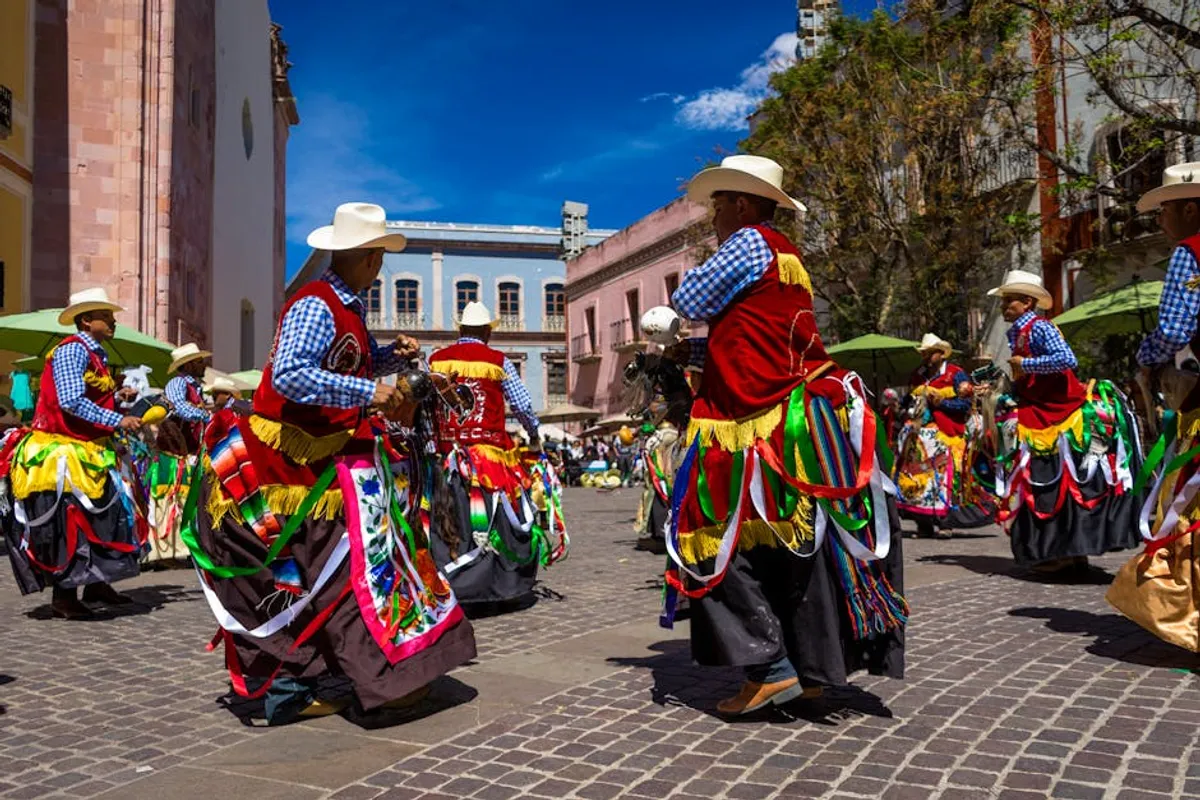
Camagüey's commitment to preserving and promoting traditional Cuban dance forms is evident in its various folkloric dance festivals and events. These festivals celebrate the rich tapestry of Afro-Cuban, Spanish, and indigenous influences that have shaped Cuban folk dance. Performances often feature elaborate costumes, live percussion, and powerful choreography, showcasing dances like rumba, son, and various religious and secular folkloric traditions. These events are not just performances but living expressions of cultural heritage and community spirit.
Best for: Ethnomusicology, dance history, cultural heritage content, vibrant visual storytelling.
Pros: Highly visual and energetic performances; provides deep insight into the historical and spiritual roots of Cuban culture; opportunities to learn about specific dance traditions and their origins; strong appeal to audiences interested in cultural heritage and traditional arts.
Cons: Specific festival names and dates may vary or be integrated into larger cultural weeks; some performances may have religious or spiritual significance that requires respectful contextualization; less mainstream appeal than contemporary dance or music.
Verdict: A Folkloric Dance Festival in Camagüey offers a profound and visually stunning exploration of Cuba's cultural roots. It is invaluable for content creators focusing on heritage, traditional arts, and the vibrant living history expressed through dance.
11. Festival de Artes Plásticas (Visual Arts Festival)
Camagüey has a strong tradition in the visual arts, with numerous galleries and a vibrant community of painters, sculptors, and graphic artists. The city frequently hosts visual arts festivals or "Salones de Artes Plásticas" that showcase the work of local and national artists. These events typically feature exhibitions, art markets, workshops, and sometimes public art installations. They provide a platform for artists to present their latest creations and for the public to engage directly with the visual arts scene, reflecting contemporary artistic trends and local perspectives.
Best for: Art critics, collectors, visual arts content, cultural tourism focused on galleries.
Pros: Offers a refined cultural experience focused on static visual art; provides opportunities to discover emerging and established Cuban artists; excellent for capturing unique visual content from galleries and studios; appeals to an audience interested in fine arts and contemporary art scenes.