Havana, a city steeped in history and vibrant traditions, hosts an array of cultural festivals throughout the year. These events serve as key attractors for international visitors and provide unique opportunities for local engagement, showcasing the depth of Cuban artistic expression, musical heritage, and cinematic prowess. For those planning a visit or seeking to understand the city’s cultural pulse, identifying the primary festivals and their distinct offerings is crucial. Each event caters to specific interests, from high-art performances to popular street celebrations, influencing visitor demographics and local economic activity.
The selection of a festival should align with individual preferences for atmosphere, artistic discipline, and crowd size. Some festivals draw a global audience of specialists and connoisseurs, while others are community-focused celebrations accessible to all. Understanding the unique character of each event allows for a more informed decision, ensuring the experience matches expectations, whether for immersive cultural study or lively entertainment.
Factors to Consider When Choosing a Havana Festival
When evaluating Havana's cultural festival landscape, several factors inform the choice, moving beyond simple dates. The specific artistic focus dictates the type of experience: music festivals, for instance, range from classical to jazz to popular dance genres, each attracting a different audience. The scale of the event also matters; some are intimate, venue-specific gatherings, while others transform entire neighborhoods with street performances and public concerts. Consider the typical attendee profile—is it primarily a local affair, or does it draw a significant international contingent? This impacts language accessibility, available amenities, and overall atmosphere. Finally, the timing relative to Havana's climate and other major events can influence travel logistics and accommodation availability, making early planning essential for popular festivals.
1. Havana International Jazz Festival (Jazz Plaza)
The Havana International Jazz Festival, commonly known as Jazz Plaza, stands as a cornerstone of Cuba's musical calendar, drawing renowned international and local jazz artists. Held annually in January, this festival transforms multiple venues across Havana, including the National Theatre and the Karl Marx Theatre, into stages for diverse jazz expressions. Its programming often features a blend of traditional Cuban jazz, Latin jazz fusions, and contemporary improvisational forms, reflecting the island's rich musical heritage and its global connections. The festival provides a platform for collaborations between Cuban and foreign musicians, fostering artistic exchange and innovation within the genre.
Best for: Jazz aficionados, professional musicians, and cultural tourists seeking high-caliber musical performances and cross-cultural artistic collaboration.
Pros: Features world-class talent; offers a blend of traditional and modern jazz; provides opportunities for workshops and masterclasses; contributes significantly to Havana's winter tourism appeal.
Cons: Tickets for popular performances sell out quickly; venues can be spread across the city requiring transport planning; accommodation prices may increase during the festival period.
Verdict: An essential event for serious jazz enthusiasts, offering an unparalleled opportunity to experience the genre in a culturally rich setting, though requiring advance booking and logistical preparation.
2. International Ballet Festival of Havana (Festival Internacional de Ballet de La Habana Alicia Alonso)
Named in honor of Cuba's legendary prima ballerina, Alicia Alonso, this biennial festival is among the oldest and most prestigious ballet events globally. Typically held in October or November, it showcases classical and contemporary ballet performances by leading companies and soloists from around the world, alongside Cuba's own National Ballet. The festival's programming emphasizes both traditional repertoire and innovative new works, often featuring premieres. Performances take place in grand venues like the Gran Teatro de La Habana Alicia Alonso, providing an elegant backdrop for world-class dance.
Best for: Ballet connoisseurs, dance students, and those interested in high-art cultural experiences with a global reach.
Pros: Features elite international and Cuban ballet companies; offers a unique opportunity to see diverse dance styles; held in historic and architecturally significant venues; enhances Havana's reputation as a cultural hub.
Cons: Biennial schedule limits frequency; tickets are highly sought after and can be expensive; performances are primarily in formal theatre settings, which may not appeal to all visitors.
Verdict: A premier event for serious dance enthusiasts, offering a rare chance to witness top-tier ballet in a city with a profound dance legacy, necessitating early planning for attendance.
3. Havana Film Festival (Festival Internacional del Nuevo Cine Latinoamericano)
The Havana Film Festival, officially the International Festival of New Latin American Cinema, is a significant event in the global film circuit, held annually in December. It focuses on promoting and disseminating Latin American cinema, featuring premieres, retrospectives, and competitive sections for fiction, documentary, animation, and unproduced screenplays. The festival attracts filmmakers, critics, and cinephiles from across the continent and beyond, serving as a vital platform for showcasing regional cinematic talent and fostering critical discussion. Screenings occur in various cinemas throughout Havana, often accompanied by workshops and panel discussions.
Best for: Film industry professionals, cinephiles, and those interested in Latin American socio-political and cultural narratives through film.
Pros: Premier showcase for Latin American cinema; offers a diverse range of films and genres; provides networking opportunities for film professionals; accessible to the public with various screening locations.
Cons: Can be overwhelming due to the sheer volume of screenings; popular films often have long queues; language barriers may exist for non-Spanish speakers without subtitles; coincides with peak tourist season.
Verdict: An indispensable event for anyone passionate about Latin American cinema, offering extensive exposure to new works and critical dialogue, though navigating the schedule requires dedication.
4. Havana Biennial (Bienal de La Habana)
The Havana Biennial is one of the most influential art events in the developing world, focusing on non-Western art and artists from Africa, Asia, Latin America, and the Caribbean. This contemporary art exhibition, held approximately every three years, transforms Havana into a sprawling gallery space. Artworks are displayed not only in traditional venues like museums and galleries but also in public spaces, historical sites, and private homes, integrating art directly into the urban fabric. The Biennial challenges conventional art market structures and promotes dialogue on global contemporary art from diverse perspectives.
Best for: Contemporary art enthusiasts, art critics, cultural theorists, and those interested in global art movements outside mainstream Western narratives.
Pros: Showcases a unique global perspective on contemporary art; integrates art into public and non-traditional spaces; fosters international artistic exchange; provides a platform for emerging artists.
Cons: Irregular schedule makes planning difficult; some installations may be spread out across the city; requires significant walking to experience fully; specific dates and themes vary with each edition.
Verdict: A vital, thought-provoking event for those seeking to engage with contemporary art beyond established Western canons, offering a truly immersive and expansive artistic experience across Havana.
5. Carnival of Havana (Carnaval de La Habana)
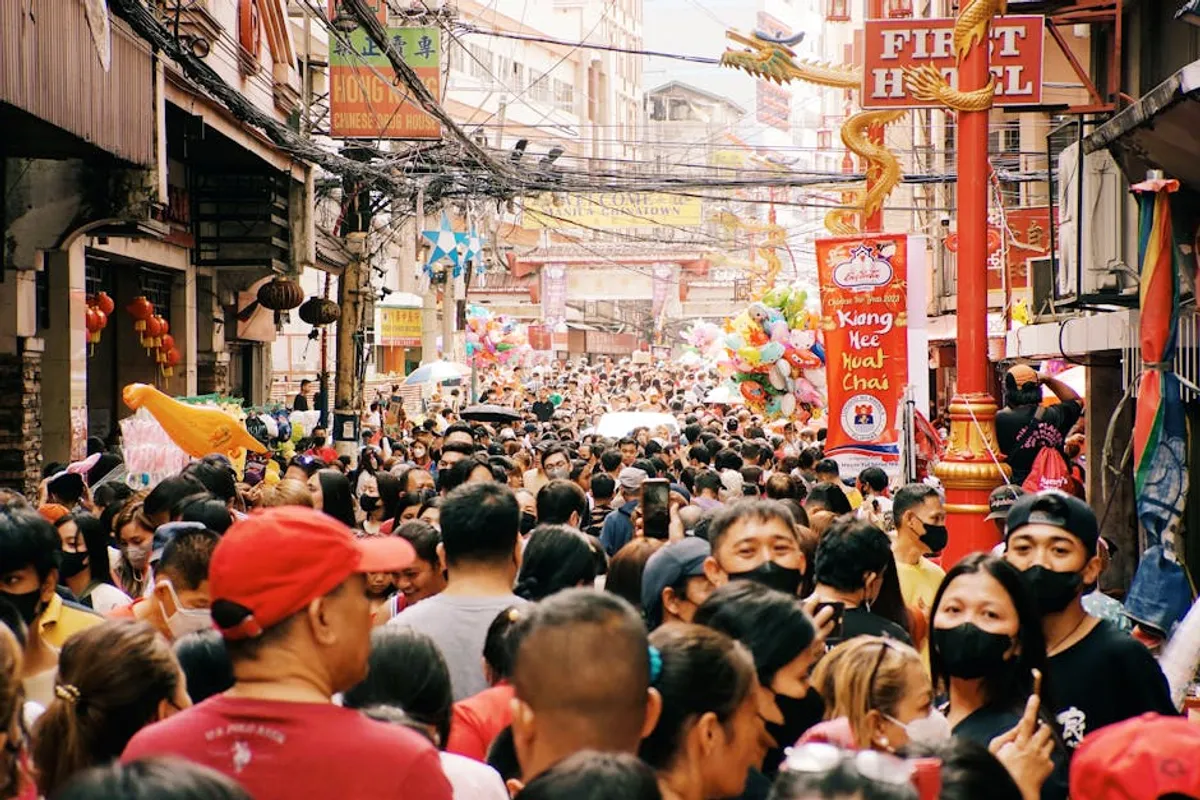
The Carnival of Havana is a vibrant, popular street festival that typically takes place in August, though dates can vary. It is a spectacle of color, music, and dance, featuring elaborate floats, costumed dancers, and live music performances that parade along the Malecón and other main avenues. Rooted in Afro-Cuban traditions, the carnival celebrates Cuban identity and history with a joyous and inclusive atmosphere. Spectators line the streets to enjoy the rhythmic drumming, intricate choreography, and festive energy, making it one of the city's most accessible and boisterous cultural events.
Best for: Tourists seeking lively street celebrations, families, and anyone looking for an authentic, high-energy Cuban cultural experience.
Pros: Free and open to the public; offers a direct immersion into Cuban popular culture; features traditional music and dance; creates a festive and social atmosphere across the city.
Cons: Can be extremely crowded, especially along parade routes; August weather is hot and humid; specific dates are often announced close to the event, making advance planning challenging; noise levels are high.
Verdict: An exhilarating and quintessential Cuban experience, ideal for those who thrive in crowded, festive environments and want to witness the city's communal spirit firsthand, despite potential logistical challenges.
6. International Book Fair of Havana (Feria Internacional del Libro de La Habana)
Held annually in February, the International Book Fair of Havana is one of the largest and most significant literary events in the Spanish-speaking world. The main venue is the historic Fortaleza de San Carlos de la Cabaña, but activities extend to various cultural centers across the city. The fair features book sales, author presentations, literary discussions, poetry readings, and cultural performances. Each year, it dedicates itself to a guest country and a prominent Cuban writer, fostering literary exchange and promoting reading culture. It attracts a broad audience, from avid readers and scholars to families and students.
Best for: Book lovers, literary scholars, publishers, and anyone interested in Cuban and Latin American literature and intellectual discourse.
Pros: Offers a vast selection of books, often at reduced prices; provides opportunities to meet authors and attend literary panels; fosters intellectual and cultural exchange; family-friendly with activities for children.
Cons: Can be very crowded, especially on weekends; the main venue is large and requires significant walking; limited availability of international titles; specific event schedules can be complex to navigate.
Verdict: A crucial event for literary enthusiasts, providing extensive access to Cuban and Latin American literary works and discussions, though requiring patience for crowds and extensive exploration.
7. Fiesta del Tambor (Havana Drum Festival)
The Fiesta del Tambor, or Havana Drum Festival, is an annual celebration of percussion and Afro-Cuban rhythms, typically held in early March. It brings together master drummers, dancers, and musicians from Cuba and around the world for concerts, workshops, and competitions. The festival highlights the profound influence of African traditions on Cuban music and culture, showcasing various drumming styles, from folkloric rumba and batá to contemporary jazz and fusion. Events take place in multiple venues, including theatres and cultural centers, often culminating in vibrant street performances and dance parties.
Best for: Percussionists, dancers, world music fans, and anyone interested in the roots and evolution of Afro-Cuban music and dance.
Pros: Offers immersive workshops with master drummers; features high-energy performances and spontaneous street jams; provides deep insight into Afro-Cuban cultural heritage; fosters international musical collaboration.
Cons: Specific dates can vary slightly year to year; some workshops may require prior registration; venues can be scattered; appeals to a niche audience focused on percussion.
Verdict: An indispensable event for those passionate about rhythm and Afro-Cuban cultural expressions, offering both educational and electrifying performance experiences that resonate with the soul of Cuba.
8. Festival de la Salsa (Havana Salsa Festival)
The Havana Salsa Festival, usually held in February, is a relatively newer addition to the city's festival lineup, quickly gaining popularity among dance enthusiasts. It brings together leading Cuban salsa bands, professional dancers, and instructors for a week of concerts, dance workshops, and social dancing events. The festival provides a comprehensive immersion into Cuban salsa, from its origins to contemporary styles, offering participants the chance to learn from the best and dance extensively. Events often take place in large hotels, open-air venues, and cultural centers, creating a lively and interactive atmosphere.
Best for: Salsa dancers of all levels, music lovers, and those seeking an active, social, and immersive dance-focused cultural experience.
Pros: High-quality dance instruction from Cuban masters; features top Cuban salsa bands; provides ample opportunities for social dancing; caters to both beginners and advanced dancers; creates a vibrant social atmosphere.
Cons: Registration fees can be substantial for full packages; some workshops may require specific dance experience; accommodation and travel costs are higher during peak season; can be physically demanding.
Verdict: An excellent choice for salsa enthusiasts looking to deepen their skills and experience Cuban dance culture firsthand, offering a high-energy, educational, and social itinerary.
9. Festival del Habano (Habanos Festival)
The Festival del Habano is an exclusive annual event held in February or March, dedicated to the world of Cuban cigars. While it caters to a specific interest, it is a significant cultural event due to the cigar's deep roots in Cuban identity and economy. The festival attracts international distributors, collectors, and aficionados for factory tours, seminars on cigar production and pairing, tasting sessions, and gala dinners. It culminates in a highly anticipated auction of humidors, with proceeds often benefiting the Cuban public health system. This event offers a luxurious and in-depth exploration of a quintessential Cuban product.
Best for: Cigar connoisseurs, luxury travelers, and those interested in the cultural and economic significance of Cuban tobacco.
Pros: Provides unparalleled access to Cuban cigar factories and experts; offers exclusive tasting and pairing experiences; features high-profile gala events; contributes to a niche but significant aspect of Cuban culture.
Cons: Very exclusive and expensive to attend; requires specific interest in cigars; events are largely formal and business-oriented; not typically accessible to general tourists without prior registration.
Verdict: A premium, specialized event for dedicated cigar enthusiasts, offering an unparalleled deep dive into the world of Cuban tobacco, though its exclusivity limits broader appeal.
10. Cubadanza (International Dance Festival)
Cubadanza, the International Dance Festival, is another significant event for dance, typically occurring in late October. While the International Ballet Festival focuses on classical and contemporary ballet, Cubadanza has a broader scope, encompassing various forms of modern dance, folkloric dance, and experimental choreography. It brings together dance companies and choreographers from Cuba and other nations, providing a platform for diverse expressions of movement. The festival often includes performances, workshops, and discussions, appealing to a wide range of dance professionals and enthusiasts.
Best for: Modern dance practitioners, choreographers, and those interested in the diverse spectrum of global and Cuban dance forms beyond classical ballet.
Pros: Showcases a wide variety of dance styles; features innovative and experimental choreography; offers workshops for dancers; provides insight into the evolution of Cuban dance; more frequent than the biennial ballet festival.
Cons: Less internationally renowned than the Ballet Festival; specific programming details may be less publicized in advance; venues can vary; might appeal to a more specialized dance audience.
Verdict: An excellent opportunity for those looking to explore the broader, more contemporary and folkloric landscape of Cuban and international dance, offering a rich and varied program for active participants and spectators.
Choosing the Right Festival for Your Interests
Selecting the optimal cultural festival in Havana hinges on clearly defining your primary interest. If your goal is to witness world-class artistic discipline, the International Ballet Festival or Jazz Plaza offer unparalleled experiences in their respective fields. For those drawn to the vibrant energy of popular culture and community engagement, the Carnival of Havana provides an immersive, albeit boisterous, street celebration. Literary enthusiasts will find the International Book Fair a rich intellectual hub, while the Havana Film Festival serves as a critical window into Latin American cinematic narratives. For niche interests, the Fiesta del Tambor offers a deep dive into Afro-Cuban percussion, the Festival de la Salsa caters to dance aficionados, and the Festival del Habano provides an exclusive look into Cuba's cigar heritage. Consider the timing, required investment (both financial and time), and the type of interaction you seek—whether as a passive observer or an active participant—to ensure the chosen festival aligns with your objectives.
Frequently Asked Questions About Havana Festivals
When is the best time to visit Havana for festivals?
Havana hosts festivals throughout the year, but the cooler, drier months from November to April are generally more comfortable for outdoor events and walking between venues. However, major festivals like Carnival often occur in the hotter summer months, so timing depends on the specific event of interest.
How do I purchase tickets for Havana festivals?
Tickets for major theatre and concert events (like Jazz Plaza or Ballet Festival) are typically purchased at venue box offices, often becoming available a few weeks or days before the event. For international attendees, some festivals may offer online pre-sales or packages through specialized travel agencies. Street festivals like Carnival are generally free and open to the public.
Are Havana festivals family-friendly?
Many festivals, such as the Carnival of Havana and the International Book Fair, offer elements suitable for families and children, including parades, dedicated children's areas, and accessible performances. However, some high-art or niche events may be more tailored to adult audiences. It is advisable to check specific festival programming for family-oriented activities.
What is the typical cost of attending a Havana festival?
Costs vary significantly. Street festivals are free. Ticketed events can range from a few CUC (Cuban Convertible Pesos, though now often in MLC or local currency) for local performances to higher prices for international acts or premium seats. Accommodation and dining costs also increase during peak festival seasons, making early booking beneficial.
Is English widely spoken at Havana festivals?
While Spanish is the primary language, at major international festivals (like the Film Festival, Jazz Plaza, or Ballet Festival), you will often find English speakers among organizers, performers, and attendees, especially at information desks or international guest areas. However, for a deeper immersion, basic Spanish phrases are always helpful.