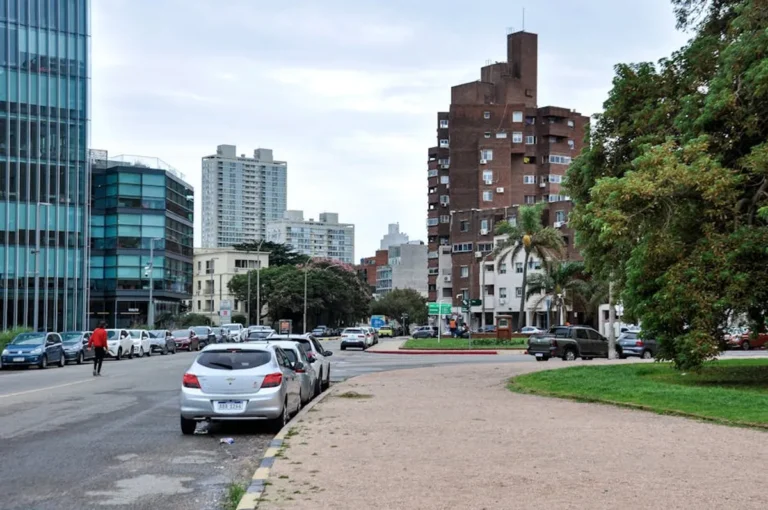
Havana, with its vibrant streets and rich history, offers a captivating experience. However, the island's diverse landscapes and cultural narratives extend far beyond the capital's boundaries. For travelers seeking to deepen their understanding of Cuba, day trips provide an essential opportunity to explore everything from pristine beaches and lush valleys to historic towns and significant ecological reserves. These excursions allow visitors to contrast Havana's urban energy with the tranquility of rural life, the solemnity of historical sites, or the relaxed pace of coastal communities, all while returning to a Havana base by evening. The decision to venture out is often driven by a desire for varied experiences, a deeper dive into Cuban heritage, or simply a change of scenery, transforming a city stay into a broader island exploration.
Selecting Your Ideal Havana Day Trip: Practical Considerations
Choosing the right day trip from Havana involves balancing personal interests with logistical realities. Begin by defining your primary objective: are you seeking historical immersion, natural beauty, beach relaxation, or cultural interaction? Consider the travel time required; some destinations offer more time on site, while others involve substantial driving. Transportation options vary from organized tours, which handle all logistics, to private taxis, or even Viazul buses for independent travelers, each impacting cost and flexibility. Budget is another factor; guided tours often include entrance fees and meals, while independent travel allows for more control over spending. Finally, assess the physical demands of the trip, such as hiking in a valley or extensive walking through a colonial town, to ensure it aligns with your comfort level and capabilities. Prioritizing these elements will help tailor the perfect excursion from Havana.
1. Viñales Valley
The Viñales Valley, a UNESCO World Heritage site, presents a dramatic landscape defined by its unique "mogotes" – steep-sided, rounded limestone hills. This region is the heart of Cuba's tobacco cultivation, offering visitors direct insight into traditional farming methods and the cigar-making process. Beyond agriculture, Viñales is known for its extensive cave systems, including the Cueva del Indio, navigable by boat, and the Mural de la Prehistoria, a vibrant cliffside painting. The valley provides a stark, beautiful contrast to Havana's urban environment, emphasizing rural Cuban life and natural splendor.
Best For: Nature enthusiasts, cultural explorers interested in Cuban agriculture and rural life, and those seeking scenic landscapes.
Pros:
- Offers unparalleled natural beauty with iconic mogote formations.
- Direct exposure to traditional Cuban tobacco farming and cigar production.
- Opportunities for outdoor activities like hiking, caving, and horseback riding.
- Provides a deep cultural immersion into rural Cuban life.
Cons:
- Can be a long day trip (approximately 2.5-3 hours drive each way), limiting time at the destination.
- Some attractions, like the Mural de la Prehistoria, may feel overly tourist-oriented.
- Independent travel requires arranging transport, which can be more complex than organized tours.
Verdict: Viñales Valley is a visually stunning and culturally rich destination, indispensable for travelers wanting to experience Cuba's natural heritage and agricultural traditions beyond Havana. Its unique geology and cultural significance make the travel time worthwhile.
2. Varadero
Varadero is Cuba's most famous beach resort town, renowned for its 20 kilometers of pristine white sand beaches and clear turquoise waters. Located on the Hicacos Peninsula, it offers a distinct resort experience, contrasting sharply with Havana's historic charm. The area is characterized by its extensive array of hotels, all-inclusive resorts, water sports facilities, and a more developed tourist infrastructure. While it lacks the deep historical layers of other Cuban destinations, Varadero provides a classic Caribbean beach escape with ample opportunities for relaxation and aquatic activities.
Best For: Beach lovers, families, and those seeking a resort-style relaxation day with guaranteed amenities.
Pros:
- Boasts some of the Caribbean's most beautiful and well-maintained beaches.
- Extensive infrastructure for water sports, dining, and entertainment.
- Offers a relaxing contrast to the bustling streets of Havana.
- Relatively easy to access with organized tours or private transport.
Cons:
- Can feel highly commercialized and less authentically Cuban compared to other destinations.
- The focus on resorts means fewer opportunities for independent exploration or local interaction.
- Travel time of approximately 2 hours each way can reduce beach time for a day trip.
Verdict: For travelers prioritizing beach relaxation and resort amenities, Varadero delivers a quintessential Caribbean experience. It serves as an excellent counterpoint to Havana's historical focus, offering a day of pure leisure, though at the expense of deeper cultural immersion.
3. Soroa and Las Terrazas
Soroa and Las Terrazas represent Cuba's commitment to eco-tourism and sustainable development, nestled within the Sierra del Rosario Biosphere Reserve. Soroa is famous for its orchid garden, home to over 20,000 orchids, and a picturesque waterfall, the Salto de Soroa, perfect for a refreshing dip. Las Terrazas is a rural community built around a sustainable tourism model, featuring an artist's village, a coffee plantation ruins, and opportunities for hiking and birdwatching. Both locations offer a tranquil escape into nature, showcasing Cuba's biodiversity and environmental initiatives.
Best For: Eco-tourists, nature lovers, birdwatchers, and those interested in sustainable community models.
Pros:
- Provides a serene immersion into Cuba's natural environment and biodiversity.
- Offers unique attractions like the Soroa Orchid Garden and waterfall.
- Las Terrazas showcases a successful model of sustainable community living.
- Opportunities for hiking, swimming, and interacting with local artists.
Cons:
- Activities are primarily nature-based, which may not appeal to all travelers.
- Requires a fair amount of walking and potentially some light hiking.
- Transportation between Soroa and Las Terrazas often requires a dedicated vehicle.
Verdict: This dual destination offers a refreshing and educational day trip for those seeking to connect with Cuba's natural beauty and progressive environmental efforts. It's a peaceful alternative to more bustling tourist sites, providing a different perspective on Cuban life.
4. Playa Larga and Bay of Pigs
Playa Larga, situated at the northern end of the historic Bay of Pigs (Bahía de Cochinos), offers a blend of historical significance and natural beauty. The area is most famous for the 1961 U.S.-backed invasion attempt, with museums and monuments commemorating the event. Beyond its historical weight, Playa Larga serves as a gateway to the Zapata Swamp, one of the largest wetlands in the Caribbean, rich in wildlife. The calm, clear waters of the bay are ideal for snorkeling and diving, particularly at sites like Caleta Buena or Cueva de los Peces, where coral reefs and cenotes teem with marine life.
Best For: History buffs, snorkelers, divers, and wildlife enthusiasts seeking both historical context and natural exploration.
Pros:
- Significant historical context related to the Bay of Pigs invasion.
- Excellent opportunities for snorkeling and diving in clear, calm waters.
- Proximity to the Zapata Swamp offers wildlife viewing, including crocodiles and birds.
- The area retains a more authentic, less developed feel than Varadero.
Cons:
- The historical sites might be somber for some visitors.
- Travel time from Havana is considerable (around 2.5 hours each way).
- Accommodation options are primarily guesthouses, which might not suit all preferences if considering an overnight stay.
Verdict: Playa Larga and the Bay of Pigs offer a compelling combination of pivotal Cuban history and vibrant natural attractions. It's an ideal choice for those who appreciate both educational experiences and active exploration in a less commercialized setting.
5. Hemingway's Finca Vigía and Cojímar
This day trip delves into the Cuban life of Ernest Hemingway, offering a glimpse into the author's world outside Havana. Finca Vigía, his former home for over 20 years, is preserved exactly as he left it, allowing visitors to peer through windows at his personal belongings, extensive library, and the boat "Pilar." Nearby, the quaint fishing village of Cojímar, which inspired "The Old Man and the Sea," holds a special place in Hemingway's legacy. A monument dedicated to him, crafted from old fishing boat propellers, stands by the sea, reflecting the deep connection he forged with the local community and the sea.
Best For: Literature enthusiasts, history buffs, and those interested in the personal stories behind cultural icons.
Pros:
- Provides intimate insight into Ernest Hemingway's life and work in Cuba.
- Finca Vigía is remarkably well-preserved, offering an authentic historical experience.
- Cojímar offers a charming, authentic Cuban fishing village atmosphere.
- Relatively short travel time from Havana, maximizing time at the sites.
Cons:
- Visitors cannot enter Finca Vigía, only view rooms from doorways and windows.
- The appeal is highly specific to those interested in Hemingway or literary history.
- Cojímar, while charming, is a small village with limited additional attractions.
Verdict: An essential pilgrimage for Hemingway fans, this trip offers a unique literary and historical perspective. Its proximity to Havana and the personal nature of the sites make it a concise yet impactful excursion for those seeking a deeper connection to Cuba's cultural narrative.
6. Matanzas
Matanzas, known as the "City of Bridges" due to its numerous crossings over three rivers, offers a distinct urban experience east of Havana. It's a city rich in Afro-Cuban culture, particularly known for its rumba and danzón traditions. Key attractions include the impressive Bellamar Caves, a vast network of underground galleries with stunning stalactite and stalagmite formations, and the Pharmaceutical Museum, a meticulously preserved 19th-century French pharmacy. The city also boasts the Teatro Sauto, an elegant neoclassical theater, and the Yumurí Valley, providing scenic viewpoints of the surrounding landscape. Matanzas presents a less polished, more authentic urban Cuban experience compared to Havana.
Best For: Culture enthusiasts, those interested in Afro-Cuban traditions, cave explorers, and travelers seeking a less touristy city experience.
Pros:
- Rich in Afro-Cuban culture, offering opportunities to experience traditional music and dance.
- Features unique attractions like the Bellamar Caves and the Pharmaceutical Museum.
- Provides a glimpse into a working Cuban city, distinct from Havana's capital status.
- Good for combining cultural exploration with natural wonders.
Cons:
- The city itself can appear somewhat dilapidated, requiring an appreciation for its raw authenticity.
- Public transportation within Matanzas might be challenging for first-time visitors.
- Some attractions may have limited operating hours or English-speaking guides.
Verdict: Matanzas is a compelling day trip for those eager to delve into a different facet of Cuban urban life and culture. Its blend of historical sites, natural wonders, and vibrant traditions offers a rewarding experience for the adventurous traveler.
7. Playas del Este (Guanabo, Santa María del Mar)
Just a short drive east of Havana, Playas del Este comprises a string of beaches that serve as the capital's closest and most accessible coastal escape. Towns like Guanabo, Santa María del Mar, and Boca Ciega offer varying atmospheres, from the more local and bustling Guanabo to the wider, calmer sands of Santa María del Mar. These beaches are popular with both locals and tourists for their golden sands, warm waters, and relaxed vibe. Unlike the resort-heavy Varadero, Playas del Este provides a more casual, authentic Cuban beach experience, complete with beachside paladares (private restaurants) and lively local interactions.
Best For: Beachgoers seeking a quick, accessible escape from Havana, families, and those desiring a local Cuban beach experience.
Pros:
- Extremely close to Havana (20-40 minutes drive), maximizing beach time.
- Offers a more authentic and less commercialized beach experience than major resorts.
- Variety of beaches to choose from, each with a slightly different character.
- Easy to access via public transport (local bus) or short taxi ride.
Cons:
- Can get crowded, especially on weekends and public holidays.
- Infrastructure is less developed than in Varadero, with fewer luxury amenities.
- Some areas may have litter, reflecting local usage patterns.
Verdict: Playas del Este is the ideal choice for a spontaneous beach day from Havana, offering convenience and a genuine slice of Cuban coastal life. It’s perfect for those seeking sun, sand, and sea without a long journey or a resort-centric environment.
8. Zapata Swamp (Partial Exploration)
The Zapata Swamp, Cuba's largest wetland and a UNESCO Biosphere Reserve, is a vast area of marshes, mangroves, and forests, teeming with biodiversity. While a full exploration requires more than a day, a partial day trip from Havana can focus on key accessible areas. Highlights include the Criadero de Cocodrilos (Crocodile Farm) in Boca de Guamá, offering a close look at these ancient reptiles, and the nearby Aldea Taína, a replica Taíno village providing insight into Cuba's indigenous past. Birdwatching is exceptional here, with many endemic species. Snorkeling and diving are also possible in natural cenotes and coastal areas like Caleta Buena, known for its abundant marine life.
Best For: Wildlife enthusiasts, birdwatchers, those interested in ecological preservation, and families with children.
Pros:
- Home to a rich array of wildlife, including crocodiles, birds, and marine species.
- Offers unique ecological experiences in a vast, protected wetland.
- The Crocodile Farm and Taíno village provide educational and engaging activities.
- Opportunities for snorkeling in natural cenotes.
Cons:
- A full appreciation of the swamp requires more than a single day trip.
- Activities are spread out, necessitating organized transport.
- Mosquitoes can be prevalent, especially during certain seasons.
Verdict: For travelers keen on Cuba's natural heritage and wildlife, a focused day trip to the Zapata Swamp offers a fascinating glimpse into one of the Caribbean's most significant ecosystems. It's an educational and engaging option, particularly for families.
9. Jibacoa
Jibacoa, located approximately an hour east of Havana, offers a quieter, more intimate beach experience compared to Varadero or even Playas del Este. Nestled between lush green hills and the clear waters of the Atlantic, it's known for its excellent snorkeling and diving opportunities directly off the shore, thanks to a vibrant coral reef close to the coast. The area is less developed, primarily featuring a few smaller resorts and guesthouses, which contributes to its tranquil atmosphere. Jibacoa is ideal for those seeking active relaxation, combining beach time with underwater exploration in a serene setting.
Best For: Snorkelers, divers, couples, and travelers seeking a peaceful beach escape with natural beauty and underwater activities.
Pros:
- Excellent snorkeling and diving directly from the beach due to a close-to-shore coral reef.
- Offers a peaceful and less crowded beach environment.
- Scenic location with green hills meeting the sea.
- Relatively short and pleasant drive from Havana.
Cons:
- Limited dining and entertainment options outside of the few resorts.
- Can feel isolated for those who prefer bustling atmospheres.
- The primary appeal is water activities; less to do for non-swimmers.
Verdict: Jibacoa is a hidden gem for those prioritizing underwater exploration and a tranquil beach environment. It provides a refreshing alternative to more commercialized coastal areas, perfect for a serene and active day out from Havana.
10. San Antonio de los Baños
San Antonio de los Baños, a small town southwest of Havana, holds a unique place in Cuban culture as the home of the International School of Film and Television (EICTV) and the Museum of Humor. The town has a quirky, artistic vibe, attracting filmmakers, artists, and cartoonists. The Museum of Humor showcases satirical Cuban art and political cartoons, offering a distinct cultural insight. Beyond these specific attractions, San Antonio de los Baños provides a glimpse into authentic small-town Cuban life, with a central plaza, local markets, and a slower pace than the capital. It's an off-the-beaten-path destination for those seeking a different cultural perspective.
Best For: Art and film enthusiasts, those interested in Cuban humor and satire, and travelers seeking an authentic small-town experience.
Pros:
- Unique cultural attractions like the Museum of Humor and the EICTV.
- Offers insight into Cuban artistic expression and satire.
- Provides an authentic experience of a less-touristed Cuban town.
- Relatively close to Havana, making it an easy day trip.
Cons:
- Attractions are niche and may not appeal to all visitors.
- Limited infrastructure for international tourists compared to larger cities.
- The town itself is quiet, with fewer "must-see" sights beyond its specific cultural institutions.
Verdict: San Antonio de los Baños is a charming and distinctive day trip for those with specific interests in film, art, or Cuban humor. It offers a quiet, authentic contrast to Havana, appealing to travelers looking for a unique cultural immersion rather than grand historical monuments.
Selecting the Right Excursion for Your Travel Style
Choosing the optimal day trip from Havana depends on aligning the destination's offerings with your personal travel style and priorities. If your goal is primarily relaxation and pristine beaches, Varadero or Jibacoa are direct choices, with Jibacoa offering a quieter, more active snorkeling experience. For cultural immersion and historical depth, Viñales Valley provides insight into rural life and agriculture, while Hemingway's Finca Vigía offers a literary journey. Those with an interest in natural science and ecological preservation will find the Zapata Swamp or Soroa and Las Terrazas particularly rewarding. When assessing options, consider not just the attractions but also the pace of the trip—some destinations like Viñales involve longer travel, demanding an earlier start, while Playas del Este offers immediate gratification. Evaluate whether a structured tour, which handles all logistics, or independent travel, offering greater flexibility, better suits your comfort level and budget. Ultimately, the "right" choice is the one that promises to enrich your Cuban experience in a way that resonates most deeply with your interests, ensuring the day spent outside Havana is as memorable as the time within it.
Frequently Asked Questions About Havana Day Trips
What are the most common transportation options for day trips from Havana?
Common transportation options include organized bus tours, private taxis (often vintage American cars), and Viazul buses for independent travel. Organized tours offer convenience, while private taxis provide flexibility and a personalized experience. Viazul buses are the most economical but operate on fixed schedules and routes.
Is it better to book a guided tour or explore independently?
The choice depends on your preference for convenience versus flexibility. Guided tours handle all logistics, including transport, guides, and often meals and entrance fees, which can simplify the experience. Independent exploration, typically via private taxi or Viazul, allows for more spontaneous detours and personalized pacing, though it requires more planning and negotiation.
What should I pack for a day trip outside Havana?
Essential items include comfortable walking shoes, light clothing, sunscreen, a hat, insect repellent (especially for nature-focused trips like Zapata Swamp or Soroa), a reusable water bottle, and a camera. For beach or water activities, bring swimwear and a towel. Always carry some local currency (CUP) for smaller purchases and tips.
Are day trips from Havana suitable for families with children?
Many day trips are family-friendly. Beach destinations like Playas del Este or Varadero are excellent for children. Nature-oriented trips such as the Zapata Swamp (with its crocodile farm) or Soroa's waterfall can also be engaging. Trips with extensive historical walking or long travel times might be less suitable for very young children.
Can I combine multiple day trip destinations into one trip?
While possible, it's generally not recommended for a single day trip from Havana due to travel times. Attempting to combine destinations like Viñales and Varadero, for instance, would result in excessive driving and minimal time at each location. For a more comprehensive experience, consider an overnight stay if you wish to explore multiple regions in depth.