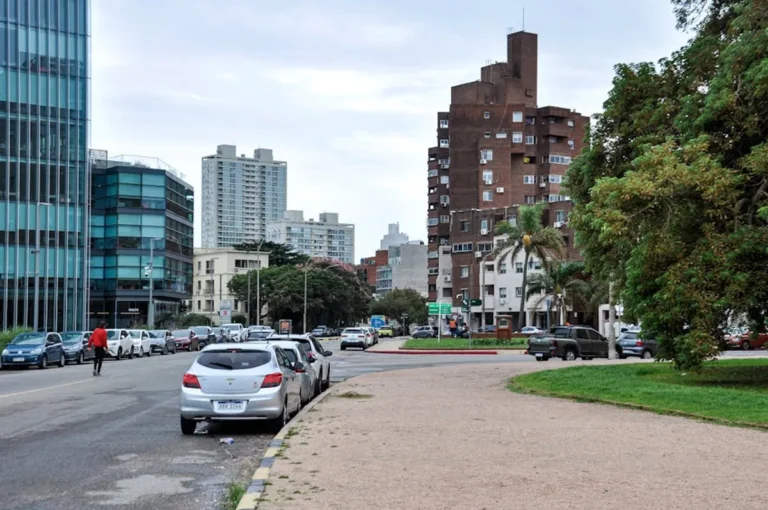
Navigating family travel in Santiago de Cuba requires an understanding of the city's unique cultural landscape, historical depth, and natural attractions. Unlike destinations with purpose-built theme parks, Santiago offers an immersive experience rooted in Cuban identity, revolutionary history, and Afro-Caribbean heritage. The key for families lies in identifying activities and accommodations that balance educational value, engaging experiences for children, and comfort for all ages, while also considering logistical aspects like transportation, dining, and accessibility. This guide focuses on specific locations and experiences that consistently deliver on these fronts, providing a framework for trip planning that caters to diverse family interests and operational realities.
Considerations for Family Travel in Santiago de Cuba
When planning a family trip to Santiago de Cuba, several factors warrant careful consideration to ensure a smooth and enriching experience. First, assess the age range and interests of all family members. Younger children may prioritize interactive experiences and open spaces, while teenagers might seek historical context, cultural immersion, or opportunities for photography. Second, evaluate transportation options; while taxis are readily available, longer excursions may benefit from pre-arranged private transport. Third, consider the climate, particularly during summer months when heat and humidity are significant. Planning activities for mornings and late afternoons, with breaks during the hottest parts of the day, is advisable. Fourth, pay attention to accommodation types; some hotels offer family suites or connecting rooms, while casa particulares (private homes) can provide a more authentic, budget-friendly, and often more spacious alternative, though with varying amenities. Finally, understand the local infrastructure regarding internet access, medical facilities, and dining, ensuring expectations align with the realities of travel in Cuba.
1. Parque Baconao Biosphere Reserve
The Parque Baconao Biosphere Reserve offers a vast, diverse landscape perfect for families seeking a blend of nature, culture, and recreation. Spanning over 80,000 hectares, this UNESCO-designated site includes beaches, mountains, and a variety of attractions designed to engage visitors of all ages. Its sheer scale allows for multiple days of exploration, preventing activity fatigue. The reserve's focus on natural preservation combined with accessible points of interest makes it a commercially viable option for tour operators targeting eco-tourism and family adventure segments.
Best For: Families with varied interests, from nature enthusiasts to those seeking interactive cultural exhibits and beach relaxation.
Pros:
- Diverse attractions within a single, expansive area, reducing travel time between activities.
- Opportunities for wildlife spotting, hiking, and beach access (Playa Baconao).
- Educational value through sites like the Prehistoric Valley and the Taino Village.
- Ample space for children to explore and expend energy.
Cons:
- Requires dedicated transportation as attractions are spread out.
- Some facilities may lack modern amenities or consistent maintenance.
- Limited high-end dining options directly within the reserve.
Verdict: An essential destination for families in Santiago de Cuba, offering a comprehensive and engaging experience that caters to multiple age groups and activity preferences, provided logistical planning is in place.
2. Santiago de Cuba Historic City Center
The core of Santiago de Cuba, particularly around Parque Céspedes, provides a vibrant, accessible introduction to the city's history and daily life. Families can explore colonial architecture, observe local interactions, and visit key historical landmarks within walking distance. The area's pedestrian-friendly zones and numerous cafes offer convenient breaks. This central hub serves as a strong anchor for cultural tours, allowing families to absorb the city's essence without extensive travel.
Best For: Families interested in history, culture, and experiencing the authentic urban pulse of Santiago de Cuba.
Pros:
- Concentrated historical and cultural sites, ideal for walking tours.
- Opportunities for spontaneous cultural immersion, like street music and local markets.
- Access to diverse dining options, from traditional Cuban to international cuisine.
- Central location minimizes transportation needs for several key attractions.
Cons:
- Can be crowded and noisy, potentially overwhelming for younger children.
- Limited green spaces or dedicated play areas for active children.
- Heat and sun exposure can be intense during peak hours.
Verdict: A foundational experience for any family visit, providing rich cultural context and historical significance, best enjoyed with planned breaks and an awareness of urban dynamics.
3. Gran Piedra Mountain and Coffee Plantations
Climbing La Gran Piedra, a massive volcanic rock, offers a unique physical challenge and panoramic views suitable for older children and active families. The surrounding coffee plantations provide a historical and educational component, demonstrating Cuba's agricultural heritage. This combination delivers both adventure and learning, appealing to families seeking more than just relaxation. The photographic opportunities from the summit are significant, making it a valuable content point for travel promotion.
Best For: Active families with older children or teenagers, interested in hiking, scenic views, and agricultural history.
Pros:
- Rewarding physical activity with stunning panoramic vistas.
- Educational insight into coffee production and local history.
- Cooler temperatures at higher altitudes offer a respite from city heat.
- Unique geological feature provides a memorable landmark experience.
Cons:
- The climb can be strenuous for very young children or those with mobility issues.
- Requires a dedicated half-day or full-day excursion from Santiago.
- Limited amenities directly at the summit or along the trail.
Verdict: An excellent choice for families seeking an active, educational excursion with significant visual rewards, best undertaken with appropriate footwear and hydration.
4. El Morro Castle (San Pedro de la Roca)
The San Pedro de la Roca Castle, a UNESCO World Heritage site, offers a captivating journey into military history and strategic architecture. Its clifftop location provides dramatic ocean views, while the intricate system of ramparts, dungeons, and cannons engages children's imaginations. The daily cannon firing ceremony (check schedule) adds an interactive element. This site provides a compelling narrative for history-focused family itineraries and offers strong visual appeal for marketing.
Best For: Families interested in history, military architecture, and dramatic coastal scenery; suitable for all ages with supervision.
Pros:
- Engaging historical context with tangible artifacts and structures.
- Spectacular views of the Caribbean Sea and the bay entrance.
- Opportunities for exploration within a well-preserved fortress.
- The cannon firing ceremony provides a memorable, interactive experience.
Cons:
- Requires a short drive from the city center, necessitating transportation.
- Can be hot and exposed to the sun, with limited shade.
- Some areas may have uneven surfaces or steep steps, requiring caution with young children.
Verdict: A must-visit historical landmark that combines educational value with impressive views and an engaging atmosphere, highly recommended for enriching family itineraries.
5. Playa Siboney Beach
Playa Siboney offers a more relaxed, local beach experience compared to larger resort areas, making it ideal for families seeking authentic Cuban leisure. Its proximity to Santiago de Cuba allows for convenient day trips. The calm waters are generally suitable for children, and the presence of local vendors provides a glimpse into everyday Cuban life. This beach offers a low-key alternative for families wanting a genuine coastal experience without extensive travel.
Best For: Families looking for a casual beach day, local atmosphere, and swimming in calm waters, particularly those with younger children.
Pros:
- Relatively close to Santiago de Cuba, making it accessible for a half-day trip.
- Calm, shallow waters are generally safe for children's swimming.
- Opportunities to interact with local vendors and experience Cuban beach culture.
- Less crowded than major tourist beaches, offering a more tranquil setting.
Cons:
- Fewer amenities and luxury services compared to resort beaches.
- Beach quality can vary, with some areas being stony.
- Limited shade, requiring families to bring their own sun protection.
Verdict: A practical and authentic beach option for families prioritizing local immersion and relaxed swimming over extensive facilities, best visited with personal beach essentials.
6. Museo de la Lucha Clandestina
Housed in a former police barracks, the Museo de la Lucha Clandestina offers a focused look into Santiago de Cuba's role in the Cuban Revolution. While the subject matter is serious, the museum's compact size and direct presentation can be digestible for older children and teenagers, providing crucial historical context. Its location within the city center makes it an easy addition to a walking tour. This museum provides a specific niche for educational tourism.
Best For: Families with teenagers or older children interested in modern Cuban history and the revolutionary period.
Pros:
- Provides deep historical context for understanding contemporary Cuba.
- Compact and manageable size for a museum visit.
- Centrally located, easily integrated into a city exploration day.
- Offers a different perspective from typical "fun" family activities, promoting critical thinking.
Cons:
- Content may be too intense or abstract for very young children.
- Exhibits are primarily in Spanish, requiring translation or a guide for non-Spanish speakers.
- Limited interactive elements compared to modern children's museums.
Verdict: A valuable educational stop for families seeking to understand Cuba's revolutionary past, best paired with contextual discussions for maximum impact on older children.
7. Jardín de los Helechos (Fern Garden)
The Jardín de los Helechos, a specialized botanical garden dedicated to ferns, offers a tranquil and visually distinct experience. Its shaded pathways and unique plant collections provide a peaceful escape from the city heat and a gentle educational opportunity for families. Children can explore the diverse textures and forms of plant life, fostering an appreciation for botany. This niche attraction appeals to families looking for calm, natural beauty.
Best For: Families seeking a peaceful, educational break in nature, particularly those interested in botany or looking for a quiet activity.
Pros:
- Offers a serene and shaded environment, ideal for escaping the sun.
- Unique collection of ferns and other tropical plants provides educational value.
- Relatively quiet and uncrowded, allowing for relaxed exploration.
- Provides a different type of natural experience compared to beaches or mountains.
Cons:
- May not hold the attention of very active or younger children for extended periods.
- Requires transportation as it's located slightly outside the immediate city center.
- Limited additional amenities or services on site.
Verdict: A refreshing and educational stop for families who appreciate botanical beauty and a quiet atmosphere, best for a shorter, contemplative visit.
8. Casa de la Trova (Daytime Cultural Experience)
While often known for its vibrant nightlife, the Casa de la Trova also offers daytime cultural experiences that are appropriate for families. These often include live traditional Cuban music performances, providing an accessible introduction to the island's rich musical heritage. Children can witness musicians performing traditional genres like Son Cubano, fostering an appreciation for live arts. This offers a direct, authentic cultural immersion point.
Best For: Families interested in experiencing live Cuban music and cultural performances in a relaxed, daytime setting.
Pros:
- Direct exposure to authentic Cuban music and cultural traditions.
- Central location makes it easily accessible during a city tour.
- Provides a vibrant, engaging atmosphere without the intensity of evening performances.
- Supports local artists and cultural preservation efforts.
Cons:
- Scheduling of daytime performances can be inconsistent; requires checking locally.
- Space can be limited, especially during popular times.
- May involve a more adult-oriented environment if evening crowds begin early.
Verdict: An excellent opportunity for families to immerse themselves in Cuban music, best enjoyed by confirming daytime schedules and arriving early for a good spot.
9. Mercado Agropecuario (Local Market Immersion)
Visiting a local Mercado Agropecuario, or farmer's market, offers families a sensory-rich experience and a practical insight into daily Cuban life. Children can observe the vibrant array of fresh produce, interact with vendors (with a guide or basic Spanish), and learn about local foods. It's an authentic, unvarnished look at the local economy and culture, providing unique photographic and experiential content. This offers a direct connection to local commerce and community.
Best For: Families seeking an authentic cultural immersion, interested in local food, and observing daily life in Santiago de Cuba.
Pros:
- Authentic glimpse into local economy and daily Cuban life.
- Sensory experience with vibrant colors, smells, and sounds.
- Opportunities for cultural interaction and basic Spanish practice.
- Supports local farmers and vendors directly.
Cons:
- Can be crowded, noisy, and overwhelming for some children.
- Sanitation standards may differ from what visitors are accustomed to.
- Requires careful supervision of children in busy environments.
Verdict: A valuable cultural experience for families open to raw, authentic local life, best approached with an open mind and a focus on observation and interaction.
10. Cayo Granma Island Excursion
A short ferry ride across Santiago Bay leads to Cayo Granma, a picturesque fishing village built on a small island. This excursion offers a pleasant boat trip, charming colonial-era wooden houses, and fresh seafood restaurants. It provides a relaxed pace and a different perspective of Santiago de Cuba from the water. The journey itself is part of the appeal, making it a mini-adventure for families.
Best For: Families seeking a relaxed half-day excursion, a scenic boat ride, and a taste of traditional island life and seafood.
Pros:
- Enjoyable boat ride across Santiago Bay.
- Picturesque village with unique architecture and photo opportunities.
- Opportunity to sample fresh local seafood.
- Provides a tranquil escape from the city bustle.
Cons:
- Limited activities once on the island beyond walking and dining.
- Ferry schedules may be inconsistent or less frequent.
- Infrastructure on the island is basic.
Verdict: A charming and relaxed half-day trip for families, offering a pleasant boat journey and a glimpse into a unique island community, ideal for a change of pace.
11. Taino Village at Baconao Park
Located within the larger Baconao Park, the Valle de la Prehistoria and its Taino Village offer an imaginative journey into Cuba's pre-Columbian past. The Taino Village features life-sized sculptures depicting the indigenous Taino people, their customs, and daily life. This open-air museum format allows children to engage with history in a visually stimulating way. It’s an accessible educational experience that sparks curiosity about ancient cultures.
Best For: Families with younger children interested in interactive history and visual storytelling about Cuba's indigenous heritage.
Pros:
- Engaging visual presentation of pre-Columbian history through sculptures.
- Open-air setting allows children to explore freely.
- Educational content presented in an accessible, non-traditional museum format.
- Part of the larger Baconao Park, allowing for combination with other activities.
Cons:
- May require a guide for detailed explanations as signage can be limited.
- Can be hot and exposed to the sun, with limited shade.
- Some sculptures may show signs of wear.
Verdict: An imaginative and educational stop for families, particularly those with younger children, offering a unique perspective on Cuba's indigenous roots in an engaging outdoor setting.
12. Dolphinarium Santiago de Cuba
The Dolphinarium in Santiago de Cuba offers interactive shows and swimming opportunities with dolphins, a popular attraction for many families. The chance to observe and interact with these marine mammals provides a memorable and often thrilling experience for children. While debates exist around animal captivity, for many families, this represents a unique opportunity for direct animal encounter. This attraction targets a specific family entertainment niche.
Best For: Families prioritizing animal encounters and interactive entertainment, particularly those with children who enjoy marine life shows.
Pros:
- Highly engaging and memorable experience for children.
- Opportunity for direct interaction with dolphins (e.g., swimming programs).
- Provides a distinct form of entertainment compared to historical or natural sites.
- Generally well-organized shows.
Cons:
- Ethical considerations regarding animal captivity are a factor for some families.
- Can be a relatively expensive activity compared to other local attractions.