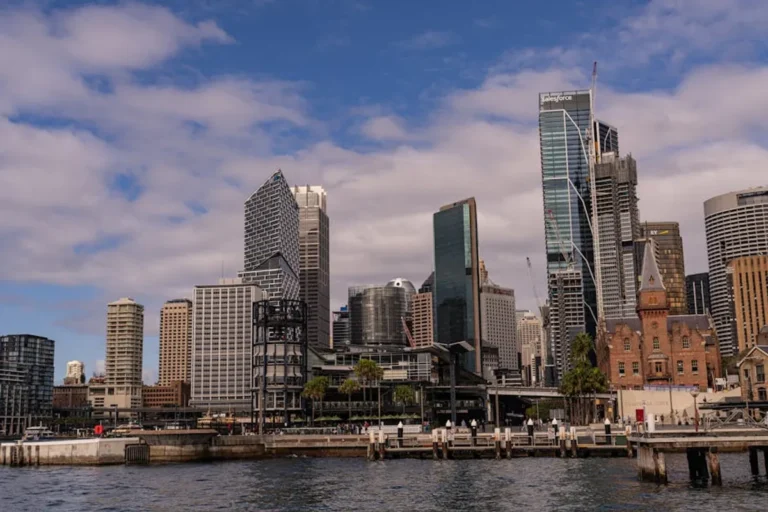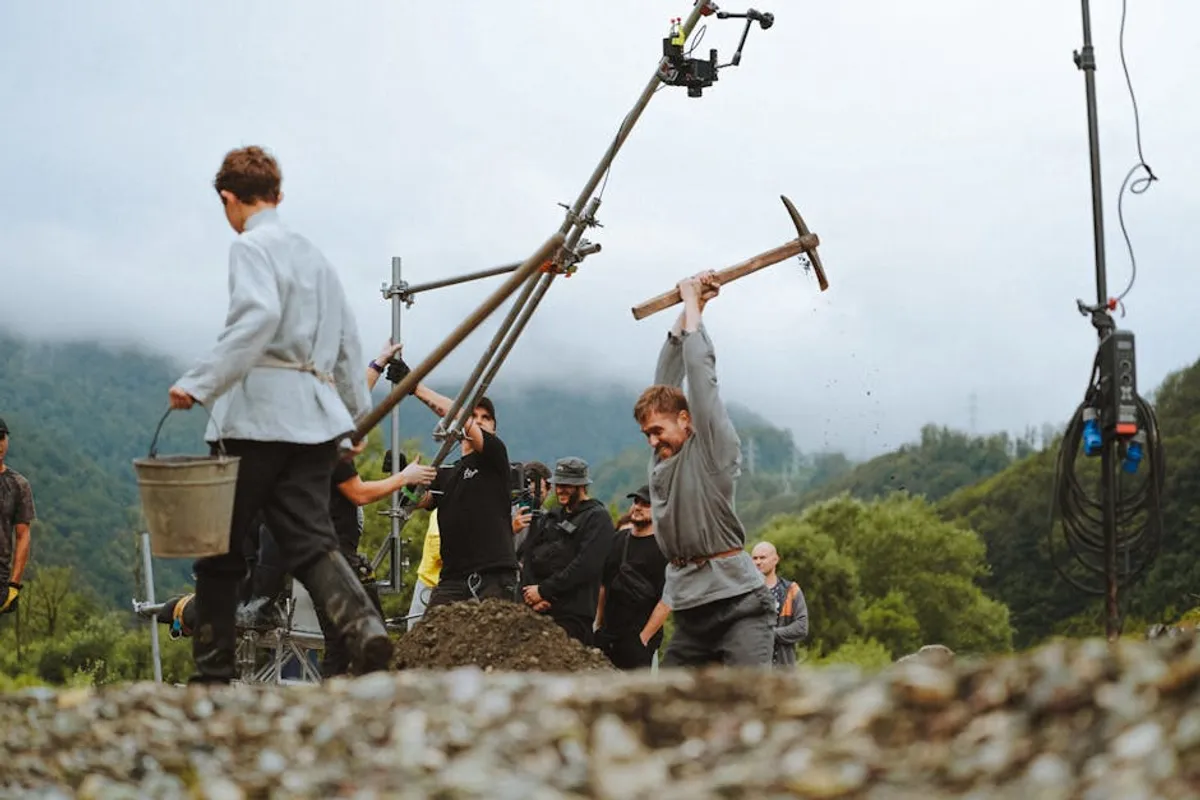
Matanzas, often referred to as the "City of Bridges" or "Athens of Cuba," presents a compelling, underexplored landscape for film productions seeking authentic Caribbean backdrops distinct from Havana’s more frequently captured vistas. This province offers a rich tapestry of colonial architecture, dramatic natural formations, pristine coastlines, and historically resonant sites, providing visual versatility for a wide range of narratives. For location scouts and production teams, understanding the specific visual characteristics, logistical implications, and unique atmospheric qualities of Matanzas’ prime spots is crucial for effective planning and budget allocation. This guide details key film locations across the province, focusing on their commercial utility and practical considerations for filmmakers aiming to leverage Cuba's unique aesthetic.
What to Consider When Choosing Film Locations in Matanzas
Selecting the right film location in Matanzas involves more than just visual appeal; it requires a strategic assessment of logistical feasibility, historical accuracy, and local conditions. Productions should evaluate a site's accessibility for crew and equipment, the availability of nearby infrastructure (power, accommodation, catering), and the potential for crowd control, especially in public areas. Understanding the specific permitting processes and local regulations for each type of location – be it a historical building, natural park, or urban street – is paramount to avoid delays. Furthermore, consider the time of year for filming, as tropical weather patterns can significantly impact outdoor shoots. The unique architectural styles, natural light conditions, and the potential for depicting specific eras or cultural contexts should also guide your selection, ensuring the chosen location authentically serves the narrative's demands.
1. Matanzas City Center
The heart of Matanzas City offers a distinctive blend of neoclassical and colonial architecture, characterized by its numerous bridges spanning the Yumurí and San Juan rivers. Streets like Calle Milanés and the area around Plaza de la Vigía provide a visual narrative of faded grandeur, with pastel-colored buildings, wrought-iron balconies, and intricate facades. The city's bayfront promenade, the Malecón, offers expansive views of the harbor and historical buildings, presenting a different urban coastal aesthetic. Key landmarks such as the Sauto Theater, a beautifully preserved 19th-century opera house, and the Pharmaceutical Museum, with its original French porcelain and antique instruments, offer ready-made period settings that require minimal dressing.
Best for: Period dramas, urban scenes requiring historical depth, architectural studies, dramatic waterfront sequences, and narratives exploring Cuban daily life away from major tourist hubs.
Pros:
- Authentic, less-filmed colonial architecture compared to Havana.
- Diverse urban settings: plazas, narrow streets, river views, bayfront.
- Iconic bridges (e.g., Puente de la Concordia) offer unique visual motifs.
- Specific historical interiors like the Sauto Theater or Pharmaceutical Museum provide ready-made sets.
- Local population generally accustomed to film crews, though specific permits are essential.
Cons:
- Infrastructure for large crews may require external sourcing.
- Traffic and public presence in central areas can necessitate careful scheduling and crowd control.
- Some buildings are in various states of disrepair, which may or may not suit a production's aesthetic.
- Limited modern infrastructure for high-tech production needs.
Verdict: Matanzas City Center provides a rich, visually distinct urban canvas for productions seeking historical authenticity and a less-trodden Cuban cityscape. Its architectural variety and riverine setting offer unique framing opportunities, ideal for projects where the environment plays a character.
2. Varadero Beachfront
Varadero is Cuba's most famous beach resort, renowned for its 20 kilometers of pristine white sand beaches and clear turquoise waters. The peninsula offers a stark contrast to the historical city, featuring modern resorts, private villas, and a vibrant tourist infrastructure. Beyond the main resort strip, areas like the Hicacos Peninsula Ecological Park provide natural dunes, mangroves, and untouched coastal stretches. The marina and golf course offer additional contemporary backdrops, while the main boulevard showcases a mix of modern and mid-century architecture, including some distinctive private homes that could serve as unique settings.
Best for: Contemporary narratives, luxury settings, beach scenes, tropical romance, action sequences involving water, and productions requiring modern amenities or a resort aesthetic.
Pros:
- Extensive, well-maintained beaches with consistent natural light.
- Developed tourist infrastructure provides easier access to accommodation, dining, and some services.
- Variety of modern architectural styles and resort aesthetics.
- Natural coastal areas within the ecological park offer secluded, untouched backdrops.
- Relatively straightforward access for equipment and personnel compared to more remote areas.
Cons:
- High tourist presence, especially during peak season, requires significant crowd management and off-peak scheduling.
- Permit acquisition can be complex due to multiple stakeholders (resorts, ecological park).
- The "resort" aesthetic may not suit productions seeking raw, authentic Cuban realism.
- Logistical challenges for filming in protected ecological zones.
Verdict: Varadero offers unparalleled natural beauty for coastal scenes and a modern, developed environment for contemporary stories. Its extensive infrastructure makes it logistically appealing for certain types of productions, provided tourist presence can be managed effectively.
3. Bellamar Caves (Cuevas de Bellamar)
Discovered in 1861, the Bellamar Caves are one of Cuba's oldest and most significant natural attractions. This extensive subterranean system features impressive stalactite and stalagmite formations, crystal-clear underground pools, and large chambers with unique geological features. The lighting within the caves is carefully managed for tourist access, but productions could arrange for specialized lighting to create dramatic, otherworldly effects. The cool, constant temperature and enclosed environment offer a controlled setting, albeit with specific challenges related to sound and equipment movement.
Best for: Fantasy, sci-fi, adventure, horror, or historical dramas requiring unique, dramatic natural interiors, or sequences depicting hidden passages and ancient mysteries.
Pros:
- Visually stunning and unique geological formations provide an immediate, distinctive backdrop.
- Controlled environment (temperature, light management potential).
- Established tourist site means some basic infrastructure (paths, railings) is in place, which can aid crew movement.
- Offers a rare opportunity for subterranean filming in a well-preserved natural wonder.
Cons:
- Limited space for large crews and complex equipment setups.
- Acoustics can be challenging for dialogue recording.
- Environmental regulations for preservation are strict; touching formations is prohibited.
- Humidity and potential for water drips can affect electronic equipment.
- Permits will be highly specialized and require careful negotiation with cultural and environmental authorities.
Verdict: The Bellamar Caves offer an extraordinary, visually impactful setting for productions requiring a truly unique natural interior. Its challenges are significant but surmountable for projects where the distinct visual impact of a subterranean world is paramount.
4. Yumurí Valley
The Yumurí Valley, a vast depression carved by the Yumurí River, is characterized by its lush, fertile landscapes, rolling hills, and scattered rural communities. This area provides a quintessential Cuban countryside aesthetic, with palm trees, tobacco fields, and small farmhouses. The valley offers panoramic views from various lookout points, including the Bacunayagua Bridge vista. The winding river itself, with its calm waters and verdant banks, can serve as a tranquil natural setting. This location offers a stark contrast to urban or coastal environments, providing a sense of timelessness and natural beauty.
Best for: Rural dramas, historical films depicting agrarian life, nature documentaries, travelogs, and scenes requiring expansive natural vistas or isolated settings.
Pros:
- Stunning natural beauty with diverse landscapes: hills, river, fields.
- Authentic rural Cuban atmosphere, offering a sense of isolation and tranquility.
- Excellent natural light conditions for outdoor shoots.
- Less populated, simplifying crowd control compared to urban areas.
- Potential for portraying traditional Cuban farming and community life.
Cons:
- Limited infrastructure; crews may need to be self-sufficient for power, catering, and accommodation.
- Accessibility to certain areas within the valley can be challenging, requiring off-road vehicles.
- Dependence on weather conditions for outdoor shoots.
- Permits for filming on private land or within agricultural zones may require local negotiation.
Verdict: The Yumurí Valley is an ideal location for productions seeking rich, natural landscapes and an authentic rural Cuban setting. Its expansive views and serene environment offer a versatile backdrop for stories rooted in nature or historical countryside narratives.
5. Canímar River and Estuary
The Canímar River flows through a verdant canyon before emptying into Matanzas Bay. Its lower reaches and estuary offer a diverse range of natural settings, from tranquil, mangrove-lined banks to wider sections suitable for boating scenes. The river's historical significance, serving as a route for trade and defense, adds a layer of depth. Productions can utilize small docks, fishing boats, and the lush vegetation along its shores. The proximity to San Severino Castle (see next entry) also allows for combining natural and historical elements in a single production area.
Best for: Adventure films, historical reenactments, nature-focused narratives, scenes involving water travel, and productions requiring a blend of natural beauty and historical context.
Pros:
- Scenic riverine environment with diverse natural backdrops.
- Potential for water-based filming (boats, swimming).
- Less developed than coastal areas, offering a more pristine natural look.
- Historical context adds narrative depth.
- Relatively accessible from Matanzas City.
Cons:
- Mosquitoes and other insects can be an issue, especially during certain seasons.
- Limited infrastructure directly on the riverbanks; support services must be brought in.
- Water quality can vary, impacting underwater or close-up water shots.
- Permits for watercraft and filming on the river require coordination with local authorities.
Verdict: The Canímar River offers a dynamic natural setting with historical undertones, suitable for productions needing water elements and lush, relatively untouched landscapes. Its versatility makes it a strong contender for a variety of genres.
6. San Severino Castle (Castillo de San Severino)
Perched at the entrance of Matanzas Bay, San Severino Castle is one of the largest colonial fortresses in the Americas. Built in the late 17th and early 18th centuries, its formidable stone walls, bastions, and courtyards offer a powerful historical backdrop. The castle's strategic location provides panoramic views of the bay and the city skyline. It currently houses the Museum of the Route of the Slave, adding a layer of poignant historical context. The raw, imposing architecture makes it ideal for period pieces or dramatic sequences.
Best for: Historical dramas, military narratives, adventure films, prison scenes, or productions requiring a grand, imposing fortress setting with significant historical weight.
Pros:
- Authentic, well-preserved colonial fortress architecture.
- Dramatic views of Matanzas Bay and the city.
- Large courtyards and ramparts offer varied filming angles and spaces.
- Historical significance can enhance narrative depth.
- Relatively accessible from Matanzas City.
Cons:
- As a museum, public access and operating hours must be carefully managed.
- Preservation regulations are strict, limiting modifications or heavy equipment use.
- Stone surfaces can be challenging for sound recording.
- Limited interior spaces for extensive set dressing without impacting historical integrity.
Verdict: San Severino Castle is an exceptional location for productions demanding a historically significant and visually imposing fortress. Its scale and preserved state make it a compelling choice for period pieces or dramatic action sequences, provided logistical planning addresses its museum status.
7. Península de Zapata (Ciénaga de Zapata)
The Península de Zapata is Cuba's largest wetland and a UNESCO Biosphere Reserve, encompassing vast swamps, dense forests, and coastal areas. This remote and wild region is a haven for biodiversity, offering unique natural backdrops unlike anywhere else in Cuba. Locations within Zapata include the Laguna del Tesoro (Treasure Lake) with its recreated Taíno village, the crocodile breeding farm, and the dense, often impenetrable mangrove forests. The area's ruggedness and isolation provide a sense of adventure and untouched nature.
Best for: Wilderness survival stories, nature documentaries, historical dramas set in remote or challenging environments, ecological thrillers, and productions requiring a distinct, untamed natural aesthetic.
Pros:
- Unparalleled natural diversity: swamps, forests, coastline, unique wildlife.
- Offers a truly remote and wild aesthetic, distinct from other Cuban locations.
- Opportunities for depicting unique ecosystems and biodiversity.
- Low population density minimizes crowd control issues.
Cons:
- Extremely limited infrastructure; full logistical support (power, water, accommodation, medical) must be self-provided.
- Challenging terrain and climate (heat, humidity, insects) for crews and equipment.
- Strict environmental protection regulations require careful navigation for permits and filming activities.
- Accessibility to certain areas can be difficult, requiring specialized transport (boats, off-road vehicles).
Verdict: Península de Zapata is a powerful, visually distinct location for productions willing to embrace significant logistical challenges for the sake of unparalleled natural authenticity and a truly wild setting. It is best suited for projects where the environment itself is a central character.
8. Playa Girón (Bay of Pigs)
Playa Girón is historically significant as a landing site during the Bay of Pigs invasion. Beyond its historical museum, the area offers a rugged coastline with a mix of sandy beaches and rocky coves, often less developed than Varadero. The surrounding countryside is rural, with small communities and agricultural plots. The historical museum provides an authentic backdrop for narratives related to the 1961 events, while the natural surroundings offer a quiet, somewhat austere coastal setting. The nearby Cueva de los Peces, a large cenote, offers unique freshwater swimming and diving opportunities.
Best for: Historical dramas related to the Bay of Pigs, documentaries, rural coastal narratives, and scenes requiring a quieter, more natural beach environment than typical resorts.
Pros:
- Significant historical context with existing museum and monuments.
- Rugged, less-developed coastline offers a distinct beach aesthetic.
- Rural surroundings provide authentic local flavor.
- Cenotes like Cueva de los Peces offer unique natural elements.
- Generally less crowded than major tourist beaches.
Cons:
- Infrastructure for large productions is limited; crews need to be self-sufficient.
- Remoteness can increase travel time and logistical complexity.
- Historical sites require sensitive handling and specific permits.
- Weather conditions can impact coastal filming.
Verdict: Playa Girón offers a potent blend of historical significance and natural coastal beauty. It is ideal for productions seeking a specific historical narrative or a more authentic, less commercialized Cuban coastal setting.
9. Central Australia Sugar Mill (Central Azucarero Australia)
Located near Jagüey Grande, the Central Australia Sugar Mill is a preserved industrial complex that played a role in the Bay of Pigs invasion, serving as Fidel Castro's headquarters. The site features original machinery, locomotives, and industrial structures from the early 20th century. Its rustic, weathered appearance and large-scale mechanical elements offer a unique aesthetic for industrial or historical settings. The contrast between the imposing machinery and the tropical surroundings provides visual interest.
Best for: Industrial dramas, historical films depicting Cuba's sugar industry, post-apocalyptic settings, action sequences within complex structures, or documentaries on Cuban economic history.
Pros:
- Authentic, large-scale industrial machinery and structures.
- Historical significance adds narrative depth.
- Unique visual aesthetic for specific genres (industrial, historical, dystopian).
- Less populated, simplifying crowd control.
- Provides a distinct contrast to natural or urban settings.
Cons:
- Safety concerns around old machinery and structures require careful management.
- Limited amenities and infrastructure on site.
- Access to certain areas or operation of machinery may be restricted or require specialized permits.
- Dust and grime are inherent to the environment, requiring equipment protection.
Verdict: The Central Australia Sugar Mill is an exceptional location for productions requiring a gritty, large-scale industrial backdrop with historical resonance. Its unique visual character offers a powerful setting for specific narrative needs.
10. Cárdenas City
Cárdenas, often called the "City of Crabs" or "Flag City," is a smaller coastal city east of Matanzas. It possesses a distinct charm with its grid-patterned streets, numerous horse-drawn carriages, and unique architecture, including many wooden houses with intricate details. The city center, around Parque Colón, offers a lively but less frenetic atmosphere than Matanzas City. Cárdenas also has a historical train station and a waterfront area that provides a different perspective of Cuban coastal urban life. Its quieter pace allows for easier control of filming environments.
Best for: Period pieces requiring a smaller, more intimate colonial city, slice-of-life dramas, narratives focusing on local Cuban culture, or scenes benefiting from a distinct, less-trafficked urban backdrop.
Pros:
- Authentic, well-preserved colonial architecture with unique wooden elements.
- Slower pace and fewer tourists than larger cities, simplifying logistics.
- Ubiquitous horse-drawn carriages add immediate period authenticity.
- Distinct cultural identity and local atmosphere.
- Coastal access provides additional visual variety.
Cons:
- Infrastructure for large film crews is limited, requiring external support.
- Some areas may have uneven streets or limited space for large equipment.
- Permits for street closures or filming in public spaces still require careful coordination.
- Limited options for modern amenities or high-end accommodation.
Verdict: Cárdenas offers a charming, authentic, and logistically more manageable colonial city setting than its larger counterparts. It is an excellent choice for productions seeking a distinct urban Cuban flavor with a focus on local life and historical accuracy.
11. Puente de Bacunayagua (Bacunayagua Bridge)
The Puente de Bacunayagua is Cuba's highest bridge, an impressive architectural feat spanning a deep canyon. Located on the Vía Blanca highway between Matanzas and Havana, it offers breathtaking panoramic views of the Yumurí Valley and the Atlantic coastline. The bridge itself, with its elegant arches and concrete structure, is a striking visual element. The surrounding lookout points provide expansive vistas, making it ideal for establishing shots or dramatic sequences involving travel or grand landscapes. The adjacent restaurant and viewing platform offer some basic amenities.
Best for: Establishing shots, road trip films, action sequences involving heights or dramatic crossings, architectural features, and productions requiring grand, expansive landscape views.
Pros:
- Iconic, visually striking architectural landmark.
- Offers unparalleled