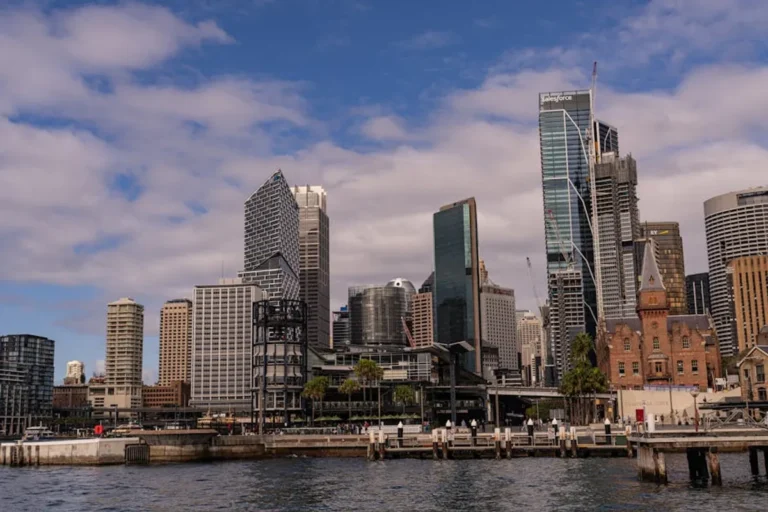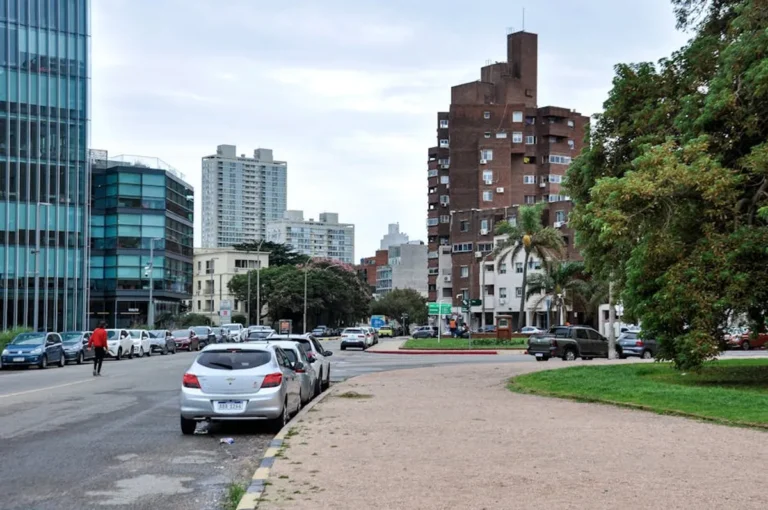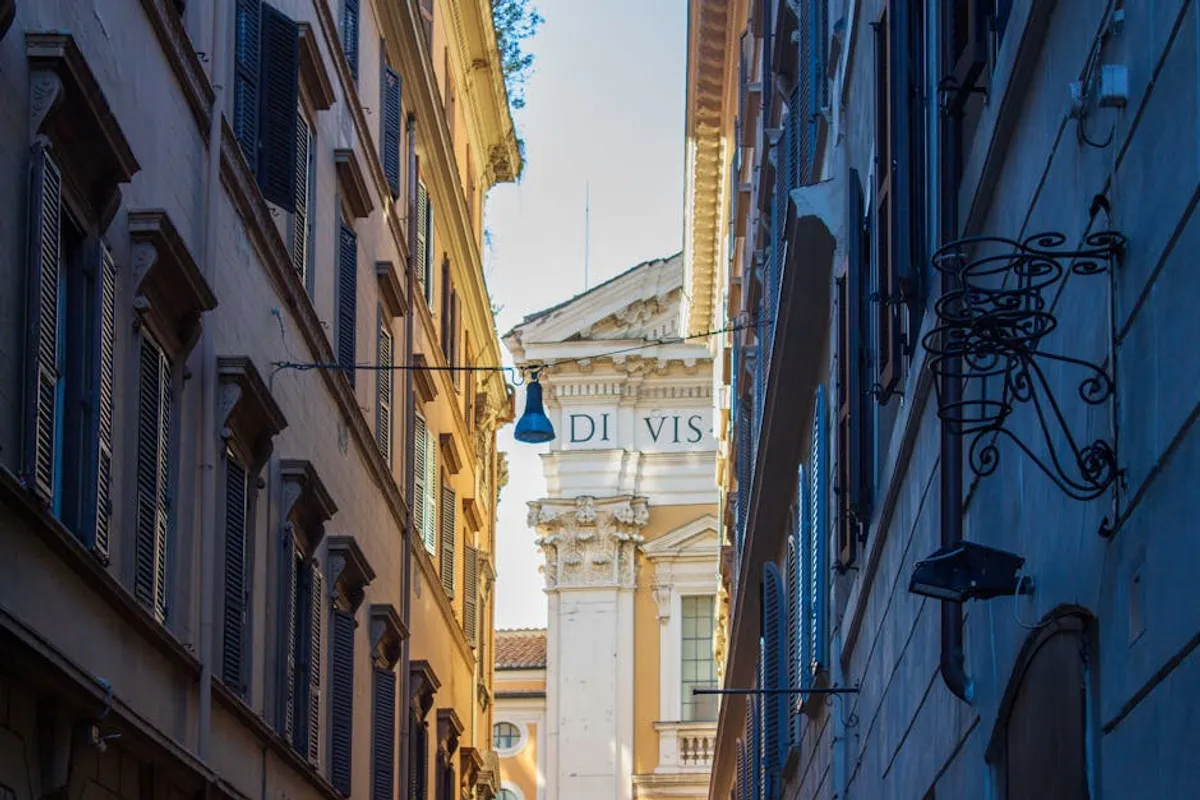
Matanzas, often called the "City of Bridges" or the "Athens of Cuba," holds a distinct place in Cuban history and culture. Its urban fabric, particularly its historic streets, offers a tangible narrative of its past as a significant port city, a hub for sugar production, and a cradle of Cuban intellectual and artistic movements. Exploring these thoroughfares is not merely a walk; it is an immersion into the architectural styles, social evolution, and daily rhythms that have shaped this provincial capital. The streets reveal layers of neoclassical grandeur, colonial simplicity, and the vibrant, often weathered, character of a city that has preserved much of its original layout and charm. For those seeking to understand Matanzas beyond its superficial appeal, focusing on these specific historic arteries provides a structured and enriching experience, highlighting key landmarks, architectural details, and the living history embedded in its urban design.
What to Look For When Exploring Matanzas' Historic Streets
Navigating Matanzas' historic core requires an appreciation for specific elements that define its character and historical significance. Prioritize streets that retain original architectural integrity, showcasing styles like neoclassical, colonial, and eclectic influences from the 19th and early 20th centuries. Look for well-preserved facades, intricate ironwork balconies, and traditional courtyards that speak to past prosperity. Seek out streets that serve as conduits to significant landmarks, such as theaters, churches, plazas, and museums, as these often anchor the most historically rich areas. Consider the street's current vitality; some historic streets remain central to local life with active shops, cafes, and community interaction, while others offer a quieter, more contemplative journey through residential history. Evaluate walkability, shade availability, and the presence of interpretive signage or local guides if you desire deeper historical context. The best streets offer a balance of visual appeal, historical depth, and a sense of the city's enduring cultural pulse.
1. Calle Medio
Calle Medio is Matanzas' undisputed commercial and social artery, stretching through the city's heart from the Río San Juan to the Río Yumurí. As a largely pedestrianized street, it serves as a vibrant cross-section of daily life, lined with shops, cafes, and historic buildings. Its significance dates back to the colonial era, evolving into the primary commercial thoroughfare. The architecture here is a blend of neoclassical and eclectic styles, often featuring arcades that provide shade and a continuous visual flow. While some buildings show signs of age, the street retains its essential character as the city's central gathering place, bustling with activity from morning until evening. It connects directly to Parque de la Libertad, the city's main square, further cementing its role as a pivotal historic and contemporary landmark.
Best for: Experiencing the city's commercial and social pulse, people-watching, and accessing a wide range of local businesses and eateries.
Pros: Highly walkable and pedestrian-friendly; central location with easy access to other key attractions; offers a direct view into daily Matanzas life; well-lit and active into the evening.
Cons: Can be crowded, especially during peak hours; some buildings are in disrepair, detracting from overall aesthetic; less focus on purely historical architecture compared to quieter streets.
Verdict: Essential for understanding contemporary Matanzas and its commercial history, offering a lively, immediate immersion into the city's energy. It acts as a vital connector between historical points of interest.
2. Paseo Narváez
Paseo Narváez is a picturesque promenade running alongside the San Juan River, offering scenic views and a tranquil escape from the city's busier sections. This historic walkway is characterized by its elegant balustrades, benches, and the occasional statue, reflecting a European-inspired urban design. It was conceived as part of Matanzas' beautification efforts in the late 19th and early 20th centuries, providing a recreational space for residents. The street itself is less about grand architecture and more about the experience of strolling along the river, observing the bridges (like the iconic Concordia Bridge), and enjoying the natural surroundings. It connects significant points, including the Plaza de la Vigía and the Teatro Sauto, making it a critical link in the city's cultural and historical circuit.
Best for: Relaxed walks, photography, enjoying river views, and connecting major cultural landmarks with a scenic route.
Pros: Exceptionally scenic and peaceful; offers unique perspectives of Matanzas' bridges and river; pedestrian-friendly with ample seating; provides a refreshing contrast to the city's more bustling streets.
Cons: Limited commercial activity directly on the promenade; can be less shaded in some sections during midday; primary appeal is the river view rather than architectural depth.
Verdict: A crucial historic promenade that emphasizes Matanzas' relationship with its rivers, offering a serene and visually rewarding experience that complements the architectural exploration of other streets.
3. Calle Milanés
Calle Milanés is a significant east-west artery that intersects with Calle Medio and other central streets, named after the prominent Matanzas poet and playwright, José Jacinto Milanés. This street features a mix of residential and commercial buildings, showcasing a progression of architectural styles from colonial to early 20th-century eclectic. It was historically a key route for transportation and commerce, connecting different districts of the city. While not as heavily pedestrianized as Calle Medio, it offers a more authentic glimpse into local life, with smaller shops, workshops, and traditional homes. The street's character is defined by its less polished, more lived-in feel, providing a contrast to the more overtly tourist-oriented areas.
Best for: Observing local daily life, exploring diverse architectural styles, and discovering smaller, independent businesses.
Pros: Authentic local atmosphere; less crowded than Calle Medio; good representation of Matanzas' residential and mixed-use architecture; provides access to various neighborhoods.
Cons: Can have vehicular traffic, making walking less relaxed; some sections exhibit significant wear and tear; fewer prominent landmarks directly on the street.
Verdict: Offers a genuine slice of Matanzas, providing a nuanced view of the city's historical development and current social fabric through its varied architecture and local activity.
4. Calle Contreras
Calle Contreras, particularly its sections near the historic center, is notable for its well-preserved colonial and neoclassical residences. This street tends to be quieter than the main commercial arteries, allowing for a more focused appreciation of its architectural details. Many buildings here feature high ceilings, elaborate doorways, and interior courtyards, characteristic of the 19th-century Matanzas elite. It often connects to smaller plazas or less-trafficked areas, offering a sense of stepping back in time. While not a primary tourist thoroughfare, its historical integrity and residential charm make it valuable for those interested in the city's domestic architecture and urban planning.
Best for: Architectural enthusiasts, quiet historical walks, and experiencing the residential character of old Matanzas.
Pros: High concentration of well-preserved historic homes; generally less crowded and more peaceful; offers excellent photographic opportunities for architectural details; provides insight into affluent 19th-century living.
Cons: Limited commercial establishments; may feel less vibrant than main streets; less immediate access to major landmarks without further walking.
Verdict: A valuable street for deep dives into Matanzas' residential history and architectural heritage, providing a serene backdrop for appreciating the city's past grandeur.
5. Calle Santa Teresa
Calle Santa Teresa, running parallel to some of the main avenues, offers a glimpse into Matanzas' more residential and community-focused history. While it may not boast grand public buildings, its charm lies in its consistent rows of single and two-story homes, many with traditional Cuban architectural elements like wooden shutters, painted facades, and small front gardens. This street reflects the everyday life of Matanzas residents over generations, providing a sense of continuity. It's an ideal street for understanding the city's urban fabric beyond its central commercial and administrative zones, highlighting the importance of neighborhood identity.
Best for: Cultural immersion, observing local residential life, and appreciating typical Cuban urban design away from tourist hubs.
Pros: Authentic neighborhood feel; provides a quiet and reflective walking experience; good for capturing daily life photography; offers a different perspective on Matanzas' historical development.
Cons: Lacks major tourist attractions; architectural highlights are more subtle; fewer amenities like cafes or shops directly on the street.
Verdict: Provides a genuine, unvarnished look at Matanzas' historical residential areas, essential for a comprehensive understanding of the city's social and architectural evolution beyond its grand public spaces.
6. Calle Jovellanos
Calle Jovellanos is historically significant for its connection to Matanzas' intellectual and cultural life, often linking key educational and cultural institutions. Named after the Spanish Enlightenment figure Gaspar Melchor de Jovellanos, this street has been a conduit for ideas and artistic expression. It features a mix of institutional buildings, older residences, and some modern structures, reflecting different periods of urban development. Its historical importance is more tied to the activities that occurred along its path rather than a singular architectural style. Exploring Calle Jovellanos can lead to discovering hidden cultural gems and understanding the city's legacy as the "Athens of Cuba."
Best for: Cultural exploration, understanding Matanzas' intellectual history, and discovering less obvious historical points of interest.
Pros: Rich in cultural and historical associations; connects various educational and artistic venues; offers a blend of architectural periods; generally less crowded than main commercial streets.
Cons: Architectural consistency is lower due to varied development; some sections may be less visually appealing; requires prior knowledge to fully appreciate its historical context.
Verdict: A culturally rich street that, while architecturally varied, provides essential context for Matanzas' intellectual heritage and its enduring reputation as a center for arts and letters.
7. Calle Maceo
Calle Maceo is another central thoroughfare, often bustling with activity, serving as a primary route for both pedestrians and vehicles. Named after the Cuban independence hero Antonio Maceo, this street reflects the city's post-colonial development and its continued commercial vibrancy. It features a diverse array of buildings, from older neoclassical structures to mid-20th century constructions, indicating continuous urban growth. While not as pedestrian-focused as Calle Medio, it offers a dynamic view of Matanzas' commercial evolution and its role as a regional center. Its intersections with other key streets make it an important part of any central city exploration.
Best for: Observing the city's commercial dynamism, understanding its urban layout, and accessing a variety of services and shops.
Pros: Active and vibrant atmosphere; good representation of Matanzas' commercial development; provides access to essential services and local businesses; well-connected to other major streets.
Cons: Can be noisy and congested with traffic; architectural consistency is varied; less emphasis on purely historical aesthetics compared to quieter, older streets.
Verdict: A functional and historically significant street that showcases Matanzas' ongoing commercial life and urban development, offering a contrasting perspective to the purely colonial areas.
8. Calle Río (Streets near the San Juan River)
The streets immediately bordering the San Juan River, collectively referred to as Calle Río or simply "the riverfront streets," hold significant historical value as the original commercial and port activity hubs. These areas, particularly near the Plaza de la Vigía and the bridges, feature some of the oldest surviving structures in Matanzas. Buildings here often have a more utilitarian colonial design, reflecting their past as warehouses, customs houses, and merchant residences. The proximity to the river dictated much of the early urban planning and economic development. These streets provide a direct link to Matanzas' origins as a port city and its maritime heritage.
Best for: Exploring Matanzas' origins as a port city, appreciating early colonial architecture, and understanding the role of the rivers in its development.
Pros: Features some of the oldest architecture in the city; offers unique perspectives on the San Juan River and its bridges; less tourist-trodden, providing an authentic feel; historically significant for trade and commerce.
Cons: Some areas may be less well-maintained; can be less pedestrian-friendly in sections with active docks or warehouses; limited modern amenities.
Verdict: Crucial for understanding the foundational history of Matanzas, these streets offer a raw, authentic connection to the city's maritime past and its earliest urban development.
9. Streets around Parque de la Libertad
The streets encircling Parque de la Libertad form the ceremonial and administrative heart of Matanzas. This area is defined by grand neoclassical buildings, including the Government Palace, the Palacio de Junco Museum, and the Iglesia de San Carlos Borromeo. The park itself, with its central statue of José Martí, serves as a focal point, and the surrounding streets maintain a consistent architectural grandeur from the 19th and early 20th centuries. These streets were designed to impress, reflecting the city's prosperity and its aspirations as a cultural and intellectual center. The uniform scale and elegant detailing make this precinct a prime example of Matanzas' "Golden Age."
Best for: Architectural appreciation, understanding Matanzas' administrative and civic history, and experiencing the city's most elegant urban planning.
Pros: High concentration of significant historical and architectural landmarks; consistently well-preserved facades; excellent for photography; central and easily accessible.
Cons: Can be busy with local traffic and pedestrians; commercial activity is more limited to cafes and small shops catering to the park visitors; less intimate than residential streets.
Verdict: Represents the zenith of Matanzas' civic and architectural ambition, providing a concentrated display of its neoclassical heritage and its role as a provincial capital.
10. Streets around Plaza de la Vigía
Plaza de la Vigía is often considered the original and most historically significant square in Matanzas, and the streets immediately surrounding it reflect this deep history. This area includes the Teatro Sauto, the Pharmaceutical Museum, and the headquarters of the Provincial Government. The architecture here spans from early colonial to neoclassical, illustrating the city's growth from its very foundations. The plaza itself was the lookout point (vigía) for the port, giving the area its name and underscoring its strategic importance. The streets leading into and out of this plaza are characterized by their age and the density of cultural institutions.
Best for: Deep historical dives, cultural exploration, and visiting key museums and performance venues.
Pros: Home to some of Matanzas' most important cultural institutions; features a blend of early colonial and neoclassical architecture; highly walkable and concentrated with historical points; direct connection to the city's founding history.
Cons: Can be a tourist hub, especially around the theater; some streets adjacent may have less consistent preservation; limited commercial options compared to Calle Medio.
Verdict: The foundational heart of Matanzas, these streets offer unparalleled access to the city's earliest history, its cultural institutions, and its architectural evolution from colonial times onward.
11. Calle Cuba
Calle Cuba, particularly in its historic sections, offers a diverse architectural landscape that tells the story of Matanzas' development over different periods. While not as universally grand as the streets around Parque de la Libertad, it provides a more eclectic mix of residential and smaller commercial buildings, showcasing the evolution of urban design and construction techniques. This street often features traditional Cuban homes with distinct color palettes and varying levels of preservation, giving it a unique character. It serves as a connector between different neighborhoods and offers a less curated, more organic view of the city's past and present.
Best for: Observing the architectural diversity of Matanzas, experiencing everyday local life, and discovering charming, less-trafficked areas.
Pros: Eclectic mix of architectural styles; provides a genuine sense of local community; generally quieter than the main commercial arteries; good for exploring at a leisurely pace.
Cons: May lack major landmarks; architectural preservation can be inconsistent; fewer amenities directly on the street.
Verdict: A valuable street for those seeking to understand the nuanced architectural and social fabric of Matanzas beyond its most famous landmarks, offering a more residential and varied historical experience.
12. Calle Manzano
Calle Manzano is a quieter, predominantly residential street that offers a glimpse into the more traditional, less-trafficked areas of historic Matanzas. Its charm lies in its consistent rows of modest, yet historically significant, homes often featuring classic Cuban architectural elements like high windows, small patios, and vibrant paint colors. This street provides a sense of the city's enduring residential character and the slower pace of life away from the commercial centers. It's an ideal street for a contemplative walk, allowing for an appreciation of the city's more intimate historical spaces and a connection to the daily lives of its long-term residents.
Best for: Peaceful historical walks, experiencing authentic residential neighborhoods, and appreciating traditional Cuban domestic architecture.
Pros: Very quiet and peaceful atmosphere; excellent for observing local residential life; offers a sense of stepping back in time; good for photography of traditional homes.
Cons: Limited commercial or tourist amenities; no major landmarks directly on the street; can feel isolated if not combined with other routes.
Verdict: Provides an essential counterpoint to the grander public spaces, offering a genuine and serene experience of Matanzas' historical residential character and enduring local culture.
Planning Your Exploration of Matanzas' Historic Streets
To maximize your experience exploring Matanzas' historic streets, strategic planning is beneficial. Begin by prioritizing streets based on your specific interests, whether it's architectural photography, cultural immersion, or simply a leisurely stroll. Many of the most significant streets are concentrated in the city's historic core, making them highly walkable. Allocate sufficient time for each street, allowing for unexpected discoveries and spontaneous interactions. Comfortable walking shoes are essential, as is protection from the sun, especially during midday. Consider starting your exploration in the early morning or late afternoon to avoid the hottest parts of the day and to experience different lighting conditions for photography. Engaging with local residents, whether shopkeepers or passersby, can provide additional insights and a deeper connection to the city's living history. Combining street exploration with visits to specific museums, churches, or cultural centers along the way will enrich your understanding of each area's historical context.
Frequently Asked Questions
What is the best way to explore Matanzas' historic streets?
The most effective way is on foot. Matanzas' historic core is compact, and many significant streets are pedestrian-friendly or have wide sidewalks. Walking allows for a detailed appreciation of architecture, local life, and hidden details.
Are Matanzas' historic streets safe for tourists?
Generally, Matanzas is considered a safe city for tourists. Standard precautions apply, such as being aware of your surroundings, especially at night, and safeguarding valuables. The central historic streets are often well-trafficked and monitored.
What architectural styles should I look for?
Matanzas is known for its neoclassical architecture, particularly in public buildings and grander residences. You will also find colonial-era structures, often simpler in design, and eclectic styles from the early 20th century that blend various influences.
How much time should I allocate for exploring the historic streets?
To thoroughly explore the main historic streets and visit a few key landmarks, plan for at least one full day, or ideally, two half-days. This allows for a relaxed pace and time to absorb the atmosphere without rushing.
Are there guided tours available for the historic streets?
Yes, local guides are often available, particularly around the main plazas like Plaza de la Vigía and Parque de la Libertad. A knowledgeable guide can provide historical context, point out specific architectural features, and share local anecdotes that enrich the experience.