Crafting effective travel itineraries for Havana requires a nuanced understanding of traveler intent, logistical realities, and the diverse experiences the city offers. For SEO professionals, marketers, and publishers, this isn't merely about listing attractions; it's about structuring a narrative that resonates with specific audience segments, optimizes for discoverability, and ultimately drives engagement or conversions. A well-designed itinerary serves as a powerful content asset, answering specific user queries and positioning a brand as an authority. The strategic value lies in identifying distinct travel patterns and preferences, then building comprehensive, actionable plans that address them, whether for a client's destination marketing campaign or a niche travel site's content pillar.
Key Considerations When Designing Havana Itineraries
Before diving into specific routes, consider the foundational elements that define an itinerary's utility and appeal. These factors directly influence how an itinerary will perform in terms of user engagement and its potential for commercial application.
- Duration and Pace: A 3-day whirlwind tour differs significantly from a relaxed 7-day deep dive. Understand the typical length of stay for your target audience and design a pace that is realistic and enjoyable, avoiding overscheduling. Shorter itineraries often target weekenders or those combining Havana with other destinations, while longer ones cater to immersive experiences.
- Traveler Profile and Interests: Is the target audience budget-conscious backpackers, luxury seekers, history buffs, art enthusiasts, or families? Each group has distinct priorities, from accommodation preferences to activity types. Aligning the itinerary with specific interests ensures relevance and higher satisfaction.
- Logistical Feasibility: Havana's infrastructure, while charming, requires practical planning. Consider transportation options (classic cars, taxis, walking), accessibility, and the typical opening hours of attractions. An itinerary should minimize travel time between points of interest and account for potential delays.
- Budget Range: Clearly define the expected cost bracket. A budget itinerary will prioritize free or low-cost activities and local eateries, while a luxury option might include high-end dining, private tours, and premium accommodations. This impacts the keywords and audience segments you target.
- Seasonal Variations: Weather, local festivals, and peak tourist seasons influence the viability and enjoyment of certain activities. High season (December-March) means more crowds and higher prices, while the rainy season (May-October) can affect outdoor plans.
- Unique Selling Proposition (USP): What makes this itinerary stand out? Is it an unconventional route, a focus on local interactions, a specific theme (e.g., Cuban art, revolutionary history), or an emphasis on sustainability? A clear USP helps differentiate content in a crowded travel market.
1. Classic Havana: History & Heritage Immersion
This itinerary is the quintessential first-timer's guide, focusing on the core historical and cultural landmarks of Old Havana and Central Havana. It’s designed for visitors seeking a comprehensive overview of the city’s iconic sites, from Plaza Vieja and the Catedral de San Cristóbal to the Malecón and El Capitolio, emphasizing guided tours and historical context. It typically spans 3-4 days, allowing for a thorough exploration without feeling rushed.
Best for: General tourism content, historical niche sites, educational travel packages, broad audience appeal, introductory travel guides.
Pros: High search volume for core Havana terms; evergreen content potential; easy to package with established tour operators; strong visual assets for marketing; appeals to a wide demographic, making it a reliable traffic driver.
Cons: Can feel crowded in peak season; less unique for repeat visitors; requires careful management of group sizes for optimal experience; competition for organic search rankings is high due to its popularity.
Verdict: A foundational itinerary, essential for any Havana travel content strategy. While competitive, its broad appeal ensures consistent interest and provides a strong base for more niche offerings.
2. Havana's Artistic Pulse: Galleries & Murals
This itinerary targets art enthusiasts, focusing on Havana's vibrant contemporary art scene, street art, and traditional craft markets. It includes visits to independent galleries in Vedado and Miramar, a deep dive into the Fusterlandia mosaic village, and explorations of community art projects in neighborhoods like Callejón de Hamel. This experience often includes interactions with local artists and artisans, providing a more intimate cultural exchange over 4-5 days.
Best for: Art travel blogs, cultural tourism agencies, niche content targeting creative travelers, experiential travel packages.
Pros: Appeals to a high-value, culturally curious demographic; offers unique, shareable content (e.g., Instagrammable locations); potential for partnerships with local artists or galleries; lower competition for specific long-tail keywords related to Cuban art.
Cons: Requires specialized knowledge to curate effectively; some locations may have irregular opening hours; less appeal to general tourists; logistical challenges in reaching dispersed art locations.
Verdict: A compelling niche itinerary that caters to a specific, engaged audience. It provides opportunities for rich, authentic content and can position a brand as an expert in cultural immersion.
3. Culinary Journey: Taste of Havana
Designed for foodies, this itinerary explores Havana's evolving culinary landscape, from traditional Cuban paladares (private restaurants) to street food stalls and upscale dining experiences. It includes cooking classes, market visits (e.g., Mercado de Cuatro Caminos), rum and cigar tastings, and explorations of local cafes and bars. This typically spans 3-4 days, with an emphasis on sensory experiences and gastronomic discovery.
Best for: Food travel blogs, luxury tour operators, culinary experience providers, content focusing on local gastronomy and cultural authenticity.
Pros: High engagement potential due to universal appeal of food; strong visual content for social media; opportunities for affiliate partnerships with restaurants or cooking schools; targets a demographic often willing to spend more on experiences.
Cons: Quality of dining can vary; requires up-to-date information on restaurant openings and closures; some experiences may be more expensive; less appealing to budget travelers or those with restrictive diets.
Verdict: A highly engaging itinerary that taps into a passionate audience. It offers diverse content opportunities and can be a strong driver for experiential travel bookings.
4. Havana After Dark: Music & Nightlife
This itinerary focuses on Havana's legendary music and dance scene, from iconic salsa clubs and jazz venues to live music performances in local bars. It includes visits to places like Fábrica de Arte Cubano, Tropicana Cabaret, and smaller, authentic music spots. The plan often starts late afternoon and extends into the early hours, offering a glimpse into the city's vibrant nocturnal culture over 2-3 evenings.
Best for: Entertainment travel guides, nightlife review sites, younger demographics, group travel packages, content on cultural immersion through music.
Pros: Appeals to a lively, social demographic; generates exciting, dynamic content; potential for partnerships with venues and performers; offers a distinct angle from daytime sightseeing, attracting repeat visitors.
Cons: Requires careful safety considerations; some venues have high entry fees; less suitable for families or early risers; information on live performances can be fluid and require real-time updates.
Verdict: A dynamic itinerary that captures a unique facet of Havana. It's excellent for creating engaging, shareable content and targeting travelers seeking an energetic cultural experience.
5. Revolutionary Havana: History & Politics
This itinerary delves into Cuba's revolutionary past and present, exploring sites significant to the 1959 revolution and its aftermath. Key stops include the Museo de la Revolución, Plaza de la Revolución, Colón Cemetery (for its historical figures), and perhaps a visit to the Che Guevara monument in Santa Clara (as a day trip). It emphasizes guided historical narratives and political context over 3-4 days.
Best for: Educational travel, history buffs, academic tours, content focused on political tourism and historical analysis.
Pros: Appeals to a highly engaged, intellectually curious audience; rich in historical context and storytelling opportunities; potential for partnerships with academic institutions or specialized tour guides; provides a unique, in-depth perspective.
Cons: Content can be politically sensitive; less appeal to casual tourists; requires knowledgeable guides for accurate context; some sites may have limited English explanations.
Verdict: A powerful, niche itinerary for those seeking a deeper understanding of Cuba's political landscape. It offers substantial content depth but requires careful, balanced presentation.
6. Family-Friendly Havana Adventures
This itinerary is designed for families traveling with children, balancing educational experiences with entertainment and relaxation. It includes visits to the National Aquarium of Cuba, Parque La Maestranza (for playgrounds and activities), a ride in a classic American car, and perhaps a day trip to Playas del Este. Activities are paced to accommodate younger travelers, with options for breaks and child-friendly dining over 4-5 days.
Best for: Family travel blogs, tour operators specializing in family vacations, content offering practical advice for traveling with children, multi-generational travel.
Pros: Addresses a specific, often underserved market segment; high demand for practical family travel advice; opportunities for content around child-friendly accommodations and dining; can generate user-generated content from families.
Cons: Logistical challenges with strollers, car seats, and varied interests; finding suitable dining options can be harder; some attractions may not be fully accessible; higher costs for multiple admissions and activities.
Verdict: A valuable itinerary for a growing travel segment. It requires careful planning to ensure enjoyment for all ages but offers significant potential for targeted content and bookings.
7. Budget Traveler's Havana: Authentic & Affordable
This itinerary focuses on experiencing Havana without breaking the bank. It prioritizes walking tours, public transportation, local eateries (paladares and street food), and free attractions like the Malecón, Plaza Vieja, and browsing local markets. Accommodation suggestions lean towards casas particulares (private homes) or hostels. This plan typically spans 3-5 days, emphasizing immersion in local life over luxury.
Best for: Backpacking blogs, budget travel sites, student travel agencies, content on cost-saving tips and authentic local experiences.
Pros: Appeals to a large, cost-conscious demographic; high search volume for "cheap Havana" or "budget travel Cuba"; content can focus on practical advice and money-saving hacks; promotes local businesses and authentic interactions.
Cons: Requires more independent planning and less reliance on structured tours; quality of budget options can vary; less comfortable for travelers seeking amenities; might involve more walking or less convenient transport.
Verdict: A highly practical itinerary that resonates with a significant portion of the travel market. It's excellent for driving traffic through actionable advice and fostering a sense of adventure.
8. Luxury Havana: Elegance & Exclusivity
This itinerary caters to discerning travelers seeking premium experiences, exclusive access, and high-end services. It includes stays in boutique hotels or luxury villas, private guided tours, fine dining at upscale restaurants, chauffeured classic car tours, and perhaps a private cigar rolling demonstration or a bespoke rum tasting. The focus is on comfort, personalized service, and unique, high-quality experiences over 3-5 days.
Best for: Luxury travel agencies, high-end lifestyle magazines, concierge services, content targeting affluent travelers and exclusive experiences.
Pros: Targets a high-value client segment; potential for high-commission bookings; content can showcase aspirational experiences; fewer competitors in the luxury niche; opportunities for partnerships with premium service providers.
Cons: Smaller target audience; higher price point can be a barrier; requires access to exclusive contacts and services; expectations for service quality are very high.
Verdict: A specialized itinerary with high revenue potential, ideal for brands focused on exclusive travel. It demands meticulous planning and strong network connections to deliver on its promise.
9. Day Trips from Havana: Beyond the Capital
This itinerary focuses on leveraging Havana as a base for exploring nearby attractions, offering a break from the urban environment. Popular day trips include Viñales Valley (tobacco farms, mogotes), Las Terrazas (eco-community, art), and Playas del Este (beaches). Each day trip is a full-day excursion, typically involving private transport or organized tours, complementing a 3-4 day Havana core visit.
Best for: Extended stay itineraries, adventure travel, nature tourism, content on regional exploration and diverse Cuban landscapes.
Pros: Appeals to travelers seeking variety beyond the city; good for upselling or extending trip durations; strong visual content from natural landscapes; opportunities to showcase different facets of Cuban culture and geography.
Cons: Requires additional transportation logistics and costs; can make the overall trip feel rushed if not planned well; less suitable for very short stays; limited public transport options for some destinations.
Verdict: A valuable addition to any Havana travel guide, offering options for deeper exploration. It helps capture search intent for "things to do near Havana" and caters to a more adventurous traveler.
10. Architectural Wonders of Havana
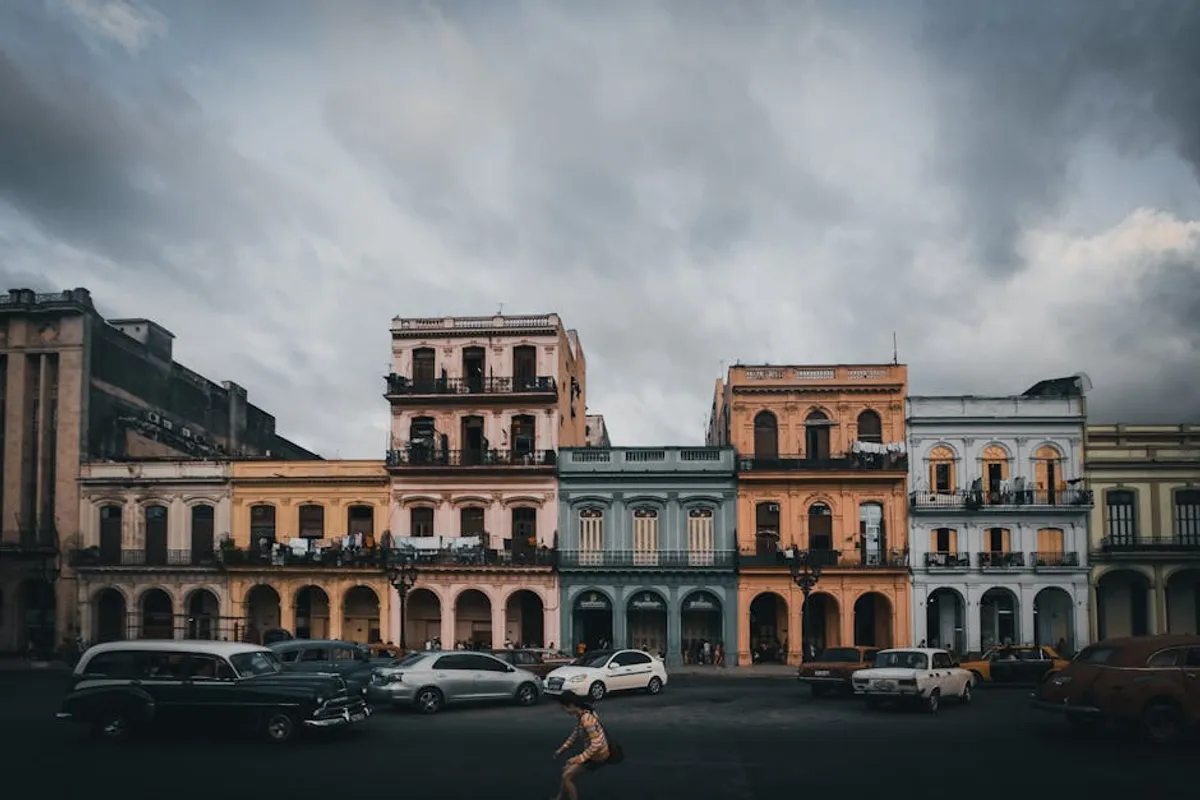
This itinerary is tailored for architecture enthusiasts, exploring Havana's diverse architectural styles from colonial baroque and neoclassical to Art Deco and Soviet-era structures. It includes guided walks through Old Havana's plazas, Vedado's residential areas, and visits to iconic buildings like El Capitolio, Hotel Nacional, and the Bacardi Building. The focus is on historical context, design principles, and preservation efforts over 3-4 days.
Best for: Architectural tourism, history and design blogs, academic travel, content on urban planning and historical preservation.
Pros: Appeals to a specialized, highly engaged niche; offers unique perspectives and storytelling opportunities; strong visual content potential; lower competition for specific architectural keywords.
Cons: Requires expert guides for in-depth understanding; some buildings may not be accessible to the public; less appeal to general tourists; content might require more technical detail.
Verdict: A highly specialized itinerary that provides rich, detailed content for a dedicated audience. It can establish a brand as an authority in a specific cultural niche.
11. Havana's Literary & Ernest Hemingway Trail
This itinerary follows in the footsteps of Ernest Hemingway, exploring his favorite haunts and places that inspired his work. Key locations include Finca Vigía (his former home), Cojímar (the fishing village from "The Old Man and the Sea"), El Floridita, and La Bodeguita del Medio. It blends literary history with cultural exploration, often including readings or discussions of his work over 2-3 days.
Best for: Literary tourism, historical fiction enthusiasts, biographical travel, content linking travel with famous personalities.
Pros: Strong narrative appeal due to a famous personality; appeals to a dedicated fan base; offers clear, identifiable landmarks; good for cross-promotion with literary content.
Cons: Can feel repetitive if not varied with other activities; some sites can be very touristy; less appeal to those unfamiliar with Hemingway's work; requires strong storytelling to maintain engagement.
Verdict: A compelling thematic itinerary with a built-in narrative. It's excellent for attracting a specific, passionate audience and can be easily integrated into broader cultural travel offerings.
12. Wellness & Relaxation in Havana
This itinerary focuses on slower travel, self-care, and rejuvenation within the Havana context. It might include yoga sessions overlooking the city, visits to tranquil gardens (e.g., Jardín Botánico Nacional), spa treatments, healthy eating options, and leisurely strolls along the Malecón at sunset. The emphasis is on a relaxed pace, mindfulness, and personal well-being over 3-5 days.
Best for: Wellness travel blogs, luxury retreats, slow travel advocates, content on self-care and mental well-being while traveling.
Pros: Taps into a growing wellness tourism market; offers a distinct, calming alternative to typical busy itineraries; potential for partnerships with local wellness practitioners or boutique hotels; appeals to travelers seeking to de-stress.
Cons: Fewer dedicated wellness facilities in Havana compared to other destinations; requires careful research to find quality providers; less appeal to active or fast-paced travelers; might be perceived as less "authentic" Cuban experience by some.
Verdict: An emerging niche that caters to a specific, high-intent audience. It requires creative curation to align Havana's offerings with wellness goals but can be highly rewarding for the right demographic.
Strategic Itinerary Planning for Havana: Maximizing Impact
Selecting the right Havana itinerary, whether for content creation or client recommendations, involves more than just listing attractions. It's about strategic alignment with your objectives. For publishers, consider which itinerary type best addresses existing content gaps or targets high-value keyword clusters. An "Artistic Pulse" itinerary might attract a niche audience with high engagement potential, while a "Classic Havana" plan ensures broad appeal and consistent traffic. For agencies, understanding client goals is paramount: is it brand awareness, lead generation, or direct bookings? A "Luxury Havana" itinerary might be ideal for high-end travel clients, while a "Budget Traveler's" guide could serve a youth travel brand.
Flexibility is also key. While these itineraries provide structured frameworks, real-world travel often deviates. Emphasize customizable elements and provide options for personalization within your content. This not only enhances user experience but also allows for broader keyword targeting (e.g., "custom Havana tours," "flexible Cuba itinerary"). Finally, integrate clear calls to action that align with the itinerary's purpose, whether it's downloading a detailed guide, booking a specific tour, or subscribing to a travel newsletter. Measuring success involves tracking engagement metrics, conversion rates, and the overall impact on your audience's travel planning decisions.
FAQ: Planning Your Havana Itinerary
Q: How many days are ideal for a first-time Havana itinerary?
A: For a comprehensive first-time visit, 3 to 5 days is generally recommended. This allows sufficient time to explore Old Havana, Central Havana, and perhaps a day trip, without feeling rushed. Shorter stays (2 days) are possible but will require a more focused selection of activities.
Q: Is it better to book an organized tour or plan a Havana itinerary independently?
A: Both options have merits. Organized tours offer convenience, expert guides, and pre-arranged logistics, which can be ideal for niche interests like history or art. Independent planning provides greater flexibility and opportunities for spontaneous local interactions, often suiting budget travelers or those seeking deeper immersion.
Q: What are the best transportation options for navigating Havana's itineraries?
A: Walking is ideal for Old Havana. For longer distances, classic American car taxis are iconic but pricier. Coco taxis offer a unique experience. Local buses are very cheap but can be crowded and confusing for visitors. For day trips outside the city, private cars or Viazul buses are common.
Q: What should I consider regarding internet access when planning an itinerary?
A: Internet access in Havana is improving but can still be limited. Wi-Fi is primarily available in public parks, hotels, and ETECSA (state telecom) offices, requiring the purchase of scratch cards. Factor in potential connectivity challenges when relying on online maps or booking services during your itinerary.
Q: Are Havana itineraries safe for solo travelers?
A: Havana is generally considered safe for solo travelers, including women. Standard precautions apply, such as avoiding walking alone in poorly lit areas at night and being aware of your surroundings. Many itineraries, particularly those focused on cultural immersion or nightlife, can be safely enjoyed solo or by joining small group tours.