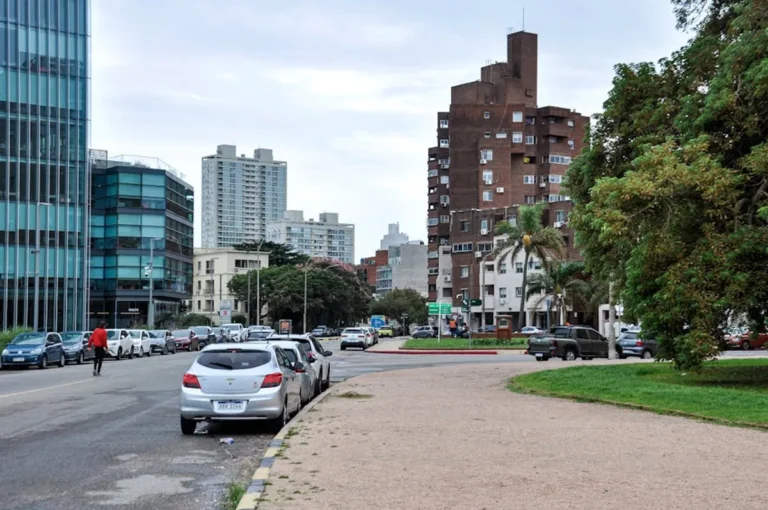
Navigating Matanzas offers a distinct Cuban experience, often overshadowed by its more famous neighbor, Varadero. However, for travelers seeking authentic cultural immersion, historical depth, and natural beauty without the resort-centric atmosphere, Matanzas presents a compelling alternative. This guide details various itineraries, each crafted to highlight specific facets of the city and its surroundings, enabling visitors to align their trip with precise interests, whether that involves delving into Afro-Cuban traditions, exploring geological wonders, or tracing colonial heritage. The focus here is on providing structured paths that maximize discovery while catering to different travel paces and preferences, ensuring a well-defined and rewarding journey through the "City of Bridges."
What Defines a Great Matanzas Itinerary
An effective Matanzas itinerary balances key attractions with opportunities for genuine local interaction and exploration. It considers logistical factors such as transportation availability, opening hours of sites, and the physical demands of activities. For culture enthusiasts, a strong itinerary prioritizes the Sauto Theater, Pharmaceutical Museum, and local art galleries, often integrating live music or dance performances. Adventure seekers benefit from routes that include the Bellamar Caves or excursions into the Yumurí Valley. Historical itineraries focus on sites like the San Severino Castle and the city’s numerous bridges, providing context for Matanzas’ strategic past. The best plans also account for pacing, allowing sufficient time at each location without feeling rushed, and incorporating opportunities for sampling local cuisine. Flexibility is another critical component; while a structured plan is valuable, the ability to adapt to spontaneous local events or unexpected discoveries enhances the overall experience.
1. The Cultural Immersion Itinerary
This itinerary is designed for travelers who prioritize a deep dive into Matanzas’ rich artistic and intellectual heritage. It systematically covers the city’s most significant cultural institutions, offering a comprehensive view of its historical role as the "Athens of Cuba." The focus is on detailed exploration rather than rapid transit, allowing for contemplation and engagement with local guides or artists where possible. Activities are primarily urban and walkable, concentrating on the city center and its immediate surroundings, making it accessible for those who prefer to explore on foot.
Best for: History buffs, art lovers, theater enthusiasts, and those seeking an authentic, intellectual understanding of Cuban culture.
Pros: Provides unparalleled access to Matanzas’ historical and artistic core. Allows for in-depth engagement with local history and contemporary arts. Predominantly walkable, reducing reliance on transport. Offers opportunities for meaningful interactions with Cuban cultural life.
Cons: Less focus on natural landscapes or adventure activities. May not appeal to travelers seeking beach time or strenuous outdoor pursuits. Requires an appreciation for museums and historical sites, which might not suit all visitors.
Verdict: An essential choice for visitors whose primary interest lies in the cultural and historical narrative of Matanzas, offering a profound and enriching experience that goes beyond typical tourist routes.
2. Nature & Adventure Explorer Itinerary
Targeted at active travelers, this itinerary blends geological wonders with river expeditions and scenic viewpoints. It moves beyond the urban core to showcase Matanzas province’s natural beauty, requiring some travel outside the city center. The plan balances structured excursions with opportunities for independent exploration, suitable for those who enjoy hiking, caving, and boat trips. It emphasizes physical activity and engagement with the natural environment, providing a stark contrast to the city’s cultural offerings.
Best for: Adventure seekers, nature photographers, hikers, and travelers looking to combine cultural visits with outdoor activities.
Pros: Offers unique experiences like exploring the Bellamar Caves and navigating the Canímar River. Provides stunning photographic opportunities in the Yumurí Valley. Breaks from the urban environment, offering fresh air and physical activity. Highlights the diverse landscapes of Matanzas province.
Cons: Requires transportation between sites, potentially increasing logistical complexity and cost. Some activities may be physically demanding. Less emphasis on city-based cultural sites, potentially missing key historical institutions.
Verdict: Ideal for visitors prioritizing active exploration and natural beauty, this itinerary delivers a robust outdoor experience, complementing Matanzas’ urban charm with its wilder surroundings.
3. Historical Deep Dive Itinerary
This itinerary meticulously traces Matanzas’ pivotal role in Cuban history, from colonial times through the revolutionary era. It focuses on fortifications, significant squares, and monuments, providing a chronological narrative of the city’s past. The plan is structured to connect historical dots, offering a comprehensive understanding of Matanzas’ strategic importance and its contributions to the nation. It involves both guided tours and independent exploration, encouraging visitors to absorb the historical context of each site.
Best for: Historians, researchers, and travelers with a keen interest in colonial and revolutionary Cuban history.
Pros: Offers a thorough understanding of Matanzas’ historical significance. Includes visits to iconic landmarks like San Severino Castle. Provides context for the city’s architecture and urban planning. Engaging for those who appreciate detailed historical narratives.
Cons: Can be intensive with historical facts and figures, potentially overwhelming for some. Less focus on contemporary life or natural attractions. May require comfortable walking shoes and stamina for extensive site visits.
Verdict: An indispensable itinerary for anyone wishing to uncover the layers of Matanzas’ past, delivering a rich and educational journey through its historical landscape.
4. Afro-Cuban Rhythms Itinerary
Dedicated to the vibrant Afro-Cuban heritage that permeates Matanzas, this itinerary immerses travelers in the city’s musical, spiritual, and artistic traditions. It seeks out live rumba performances, visits to community cultural centers, and engages with local artists and musicians. The focus is on experiential learning and direct participation, offering insights into the profound influence of African cultures on Cuban identity. This plan often involves evening activities and requires an openness to engaging with local communities.
Best for: Music lovers, dance enthusiasts, cultural anthropologists, and those interested in the African roots of Cuban culture.
Pros: Provides authentic exposure to Afro-Cuban music and dance. Offers opportunities to interact directly with local artists and practitioners. Uncovers a less commercialized aspect of Cuban culture. Energetic and engaging, often involving live performances.
Cons: May require evening commitments, potentially affecting other daytime plans. Some events might be less formally organized, requiring flexibility. Less emphasis on traditional tourist landmarks, focusing instead on community-based experiences.
Verdict: A dynamic itinerary for those eager to feel the pulse of Matanzas’ Afro-Cuban soul, offering an unforgettable journey into its rhythmic heart.
5. Art & Architecture Walk Itinerary
This itinerary celebrates Matanzas’ architectural grandeur and burgeoning art scene. It guides visitors through the city’s iconic bridges, colonial buildings, and contemporary art spaces. The plan emphasizes visual exploration, encouraging observation of architectural details, public art installations, and the vibrant colors of urban life. It’s designed for those who appreciate aesthetic beauty and the stories told through structures and creative expressions, primarily explored on foot within the city center.
Best for: Architects, artists, photographers, and anyone with an appreciation for urban design and visual arts.
Pros: Highlights the unique architectural character of Matanzas, especially its numerous bridges. Offers insights into both historical and contemporary Cuban art. Predominantly walkable, allowing for detailed observation. Provides excellent opportunities for urban photography.
Cons: Less focus on natural attractions or adventure sports. May require extensive walking, which could be tiring for some. Specific art exhibitions might vary seasonally, requiring prior research for current offerings.
Verdict: An enriching itinerary for visually oriented travelers, revealing Matanzas’ charm through its distinctive buildings, artistic expressions, and the intricate design of its urban landscape.
6. Coastal Escape & Local Life Itinerary
Moving beyond the city, this itinerary explores the coastal areas surrounding Matanzas, offering a glimpse into local fishing village life and less-trafficked beaches. It provides a contrast to the urban experience, focusing on relaxation, fresh seafood, and interaction with coastal communities. The plan involves short trips outside the city, suitable for those looking for a laid-back day or two away from historical sites, emphasizing local charm over major tourist attractions.
Best for: Travelers seeking relaxation, beach lovers, foodies interested in fresh seafood, and those curious about local coastal life.
Pros: Offers a relaxing alternative to urban exploration. Provides opportunities to sample fresh, local seafood. Allows for interaction with authentic Cuban fishing communities. Features less crowded beaches compared to more famous resorts.
Cons: Requires transportation outside the city, adding to logistical planning. Beaches may not be as pristine or developed as those in Varadero. Less focus on historical or cultural landmarks within Matanzas city itself.
Verdict: A refreshing break for visitors desiring a quieter, more natural Cuban experience, showcasing the serene beauty and simple charm of Matanzas’ coastline.
7. Foodie Exploration Itinerary
This itinerary is a culinary journey through Matanzas, focusing on local flavors, traditional dishes, and the vibrant food scene. It includes visits to local markets, family-run paladares, and perhaps a cooking demonstration or two. The plan emphasizes tasting and experiencing Cuban cuisine firsthand, from street food to more elaborate meals. It’s designed for those who believe food is a gateway to understanding a culture, encouraging adventurous eating and interaction with local chefs and vendors.
Best for: Gastronomes, culinary travelers, and anyone eager to explore Cuban culture through its food.
Pros: Offers a delicious way to engage with Cuban culture. Provides opportunities to try authentic local dishes. Supports local businesses, particularly paladares and market vendors. Can be adapted to various dietary preferences with prior planning.
Cons: May involve significant walking between food stops. Some food options might be unfamiliar or adventurous for certain palates. Requires an open mind for local ingredients and cooking methods.
Verdict: An appetizing itinerary for those whose travel experiences are enhanced by culinary discoveries, offering a flavorful and intimate connection with Matanzas’ local life.
8. Family-Friendly Fun Itinerary
Crafted for families traveling with children, this itinerary balances educational experiences with engaging activities suitable for various age groups. It includes visits to natural wonders like the Bellamar Caves, parks, and interactive museums, ensuring entertainment and comfort for younger travelers. The pacing is deliberately slower, with built-in flexibility for breaks and spontaneous play. Transportation and accessibility are key considerations to ensure a smooth family trip.
Best for: Families with children of all ages, seeking a balanced mix of education, adventure, and relaxation.
Pros: Activities are engaging and accessible for children. Pacing is flexible, allowing for family needs. Includes a mix of indoor and outdoor attractions. Offers opportunities for shared family memories and learning.
Cons: May require more planning for logistics like child-friendly transport and meals. Some historical sites might be less engaging for very young children. Less focus on nightlife or adult-oriented cultural experiences.
Verdict: A thoughtful itinerary that ensures a rewarding and enjoyable experience for the entire family, making Matanzas accessible and memorable for all ages.
9. Photography Expedition Itinerary
This itinerary is tailored for photographers looking to capture the unique essence of Matanzas, from its vibrant streetscapes and colonial architecture to its natural landscapes and candid moments of daily life. It identifies prime locations for sunrise/sunset shots, architectural details, and cultural scenes. The plan is flexible enough to allow for waiting for the "perfect light" or spontaneous photo opportunities, encouraging exploration with a camera in hand. It considers optimal times for visiting sites to avoid crowds and achieve desired lighting.
Best for: Amateur and professional photographers, visual artists, and travelers who enjoy documenting their journeys through imagery.
Pros: Identifies key photographic hotspots and scenic viewpoints. Allows for dedicated time to compose shots and capture details. Encourages exploration of both well-known and hidden gems. Provides a unique perspective on Matanzas through the lens.
Cons: Requires carrying camera equipment, which can be cumbersome. Pacing might be slower as it involves waiting for optimal conditions. Less emphasis on active participation in activities, focusing more on observation.
Verdict: An excellent itinerary for photographers, offering abundant opportunities to capture the diverse beauty and character of Matanzas in compelling visual narratives.
10. Relaxed Pacing & Local Hangouts Itinerary
Designed for travelers who prefer a slower pace, this itinerary focuses on experiencing Matanzas like a local, with ample time for leisurely coffee breaks, people-watching, and unhurried exploration. It prioritizes comfort and spontaneity over a packed schedule, suggesting visits to local cafes, parks, and less formal gathering spots. The plan encourages soaking in the atmosphere, engaging in casual conversations, and discovering the city’s rhythm without the pressure of ticking off major landmarks.
Best for: Slow travelers, digital nomads, retirees, and those seeking a less structured, more immersive local experience.
Pros: Promotes relaxation and reduces travel stress. Allows for genuine interaction with local residents. Offers flexibility for spontaneous discoveries. Provides a deeper sense of daily life in Matanzas.
Cons: May miss some of the major tourist attractions due to a slower pace. Less suited for those with limited time or a desire to see as much as possible. Requires an openness to unstructured exploration.
Verdict: A perfect itinerary for travelers seeking a tranquil and authentic immersion into Matanzas’ local culture, prioritizing comfort and genuine connection over extensive sightseeing.
11. Budget-Conscious Traveler Itinerary
This itinerary is specifically crafted to maximize the Matanzas experience while minimizing expenses. It focuses on free or low-cost attractions, utilizes local public transportation, and highlights economical dining options. The plan emphasizes walking tours, public parks, and free cultural events, demonstrating that a rich travel experience in Matanzas is achievable without a significant budget. It requires resourcefulness and a willingness to embrace local, less tourist-centric services.
Best for: Backpackers, students, long-term travelers, and anyone prioritizing affordability without sacrificing cultural depth.
Pros: Significantly reduces travel costs. Encourages reliance on local services, providing authentic experiences. Highlights many free cultural and historical sites. Promotes walking, which is good for health and environmental impact.
Cons: May involve more time spent on public transport or walking. Dining options might be more basic. Less access to premium services or exclusive tours. Requires careful planning to stay within budget constraints.
Verdict: An intelligent itinerary for financially savvy travelers, proving that a memorable and culturally rich visit to Matanzas is entirely possible on a limited budget.
12. Off-the-Beaten-Path Explorer Itinerary
This itinerary is for the adventurous traveler eager to discover Matanzas beyond the typical tourist circuit. It delves into lesser-known neighborhoods, obscure historical sites, and local-only establishments, seeking unique perspectives and authentic interactions. The plan requires a sense of adventure, a willingness to navigate independently, and an openness to unexpected discoveries. It aims to provide a more raw and unfiltered experience of Matanzas, often leading to profound personal insights.
Best for: Independent travelers, repeat visitors, curious explorers, and those seeking truly unique and unconventional experiences.
Pros: Offers genuinely unique and less commercialized experiences. Fosters deeper connections with local communities. Provides a sense of discovery and adventure. Can lead to unexpected and memorable encounters.
Cons: May involve navigating less-developed areas or relying on less formal information. Requires a higher degree of independence and adaptability. Some sites might have limited accessibility or information in English.
Verdict: An exciting itinerary for the intrepid traveler, promising a distinctive and deeply personal exploration of Matanzas’ hidden facets and authentic local life.
Selecting the Ideal Matanzas Itinerary
Choosing the right Matanzas itinerary depends on clearly defining your travel priorities and personal style. First, assess your primary interest: is it culture, nature, history, or relaxation? If historical depth is paramount, an itinerary focused on colonial fortifications and museums will be more rewarding than one emphasizing coastal leisure. Second, consider your pace: do you prefer a rapid schedule to see many sites, or a slower, more immersive experience? Families, for example, typically benefit from a more relaxed pace with built-in flexibility. Third, evaluate your budget and logistical preferences. Some itineraries, particularly those involving extensive travel outside the city, may incur higher transportation costs. Finally, think about your comfort level with independence; some plans are highly structured, while others encourage spontaneous exploration. A well-matched itinerary enhances the overall experience by aligning expectations with the realities of Matanzas, ensuring that your trip is both enjoyable and fulfilling.
Frequently Asked Questions About Matanzas Itineraries
Q: What is the best time of year to visit Matanzas?
A: The dry season, from November to April, offers the most pleasant weather with lower humidity and less rain, ideal for exploring both urban and natural sites. The cooler temperatures make walking and outdoor activities more comfortable.
Q: Is Matanzas safe for tourists?
A: Matanzas is generally considered safe for tourists. As with any travel destination, exercising general caution, especially in crowded areas or at night, is advisable. Petty crime can occur, so safeguarding valuables is prudent.
Q: How do I get around Matanzas?
A: Within the city center, walking is often the best way to explore. For longer distances or trips outside the city, taxis (both state-run and private), local buses, and rented cars are options. Colectivos (shared taxis) are a common and economical choice for specific routes.
Q: Can I combine elements from different itineraries?
A: Yes, these itineraries serve as frameworks. Many travelers successfully combine elements, for instance, spending a day on cultural immersion and another on natural exploration. The key is to ensure the combined activities are logistically feasible and align with your desired pace.
Q: Are English speakers common in Matanzas?
A: While Spanish is the official language, you will find English speakers in tourist-oriented establishments, hotels, and with some guides. Learning a few basic Spanish phrases is always helpful and appreciated by locals.
Q: What currency should I use in Matanzas?
A: Cuba primarily uses the Cuban Peso (CUP). While some places may accept foreign currency, it's generally more advantageous to exchange money for CUP. Always verify current exchange rates and accepted payment methods at establishments.