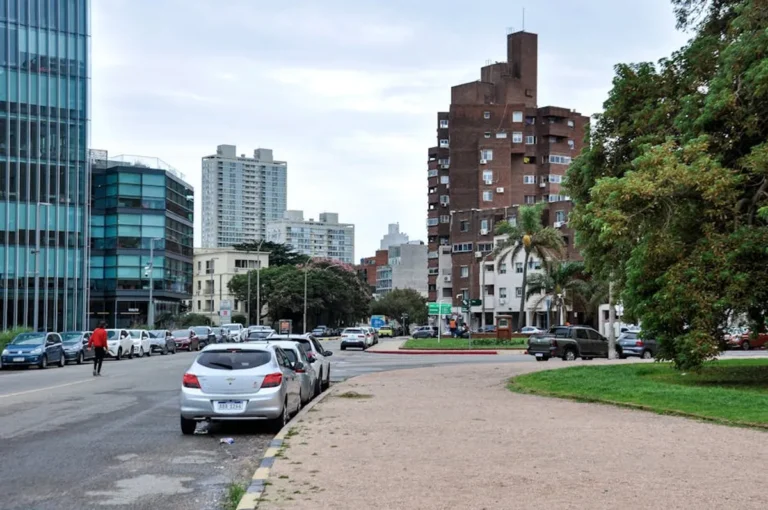
Planning an itinerary for Santiago de Cuba requires understanding its unique character as Cuba's second-largest city and its undisputed cultural heartland. Unlike Havana, Santiago offers a distinct blend of Afro-Cuban heritage, revolutionary history, and Caribbean vibrancy, often at a more relaxed pace. The city's hilly terrain, historic plazas, and live music venues demand a well-considered plan to maximize exploration without feeling overwhelmed. This guide outlines various itineraries, each designed to cater to specific interests, timeframes, and travel styles, ensuring visitors can effectively engage with Santiago’s rich offerings, whether for leisure, research, or content development.
How to Choose Your Santiago de Cuba Itinerary
Selecting the optimal itinerary for Santiago de Cuba depends on several key factors. Prioritize your interests: are you drawn to history, music, natural landscapes, or local interactions? Your available time is crucial; a 3-day trip will differ significantly from a week-long exploration. Consider your preferred pace – some travelers thrive on packed schedules, while others prefer leisurely mornings and spontaneous discoveries. Budget also plays a role, as certain experiences or accommodations naturally incur higher costs. Finally, think about your travel companions; a solo trip allows for more flexibility than a family vacation. Evaluating these elements will guide you toward an itinerary that aligns with your expectations and provides the most rewarding experience in Santiago.
1. The Historical Core Itinerary
This itinerary focuses on Santiago de Cuba's foundational historical sites, designed for visitors with limited time who wish to grasp the city's pivotal role in Cuban history. It prioritizes efficiency, concentrating on key landmarks within the city center and easily accessible areas, ensuring a comprehensive yet manageable experience without feeling rushed. Key sites include Parque Céspedes, the Cathedral, Diego Velázquez's House, and the Moncada Barracks, offering a compact but impactful historical overview.
Best for: First-time visitors, history enthusiasts, or those on a short layover seeking a concentrated historical overview.
Pros: Efficient use of time, covers major historical highlights, minimal travel between sites, suitable for those with mobility considerations in a compact area.
Cons: Limited exposure to local culture beyond historical narratives, excludes natural attractions or deeper neighborhood exploration, may feel too structured for spontaneous travelers.
Verdict: An excellent choice for a focused historical introduction, providing a solid foundation for understanding Santiago's past without requiring an extended stay.
2. The Cultural Heartbeat Itinerary
Designed for those eager to immerse themselves in Santiago's vibrant cultural scene, this itinerary emphasizes music, dance, and local traditions. It moves beyond historical landmarks to explore the city's living culture, including visits to Casa de la Trova, Museo del Carnaval, and interactions with local artists or musicians. The focus is on experiencing the city's rhythm and engaging with its artistic expressions, often extending into the evening for live performances.
Best for: Music lovers, cultural explorers, and travelers interested in experiencing authentic local traditions and nightlife.
Pros: Deep engagement with Santiago's unique cultural identity, opportunities for live music and dance, provides a more dynamic and interactive experience, supports local artists and venues.
Cons: Requires a willingness to embrace late nights, less emphasis on historical sites, may involve more walking or local transport to different cultural hubs, can be less structured.
Verdict: Ideal for travelers who prioritize experiential learning and want to feel the pulse of Santiago's artistic and musical soul, offering a lively and unforgettable journey.
3. Revolutionary Echoes Itinerary
This itinerary offers an in-depth exploration of Santiago de Cuba's pivotal role in the Cuban Revolution, tracing the footsteps of its heroes and understanding the movement's origins. It includes comprehensive visits to the Moncada Barracks, Santa Ifigenia Cemetery (resting place of Fidel Castro and José Martí), and the 26th of July Museum. The focus is on detailed historical context and reflection, appealing to those with a keen interest in political history.
Best for: History scholars, political science enthusiasts, and visitors seeking a profound understanding of Cuba's revolutionary past.
Pros: Provides deep historical context, covers significant revolutionary landmarks, offers a reflective and educational experience, important for understanding modern Cuba.
Cons: Can be emotionally intense, less focus on lighter cultural aspects, requires dedicated interest in the subject matter, some sites may have limited English explanations.
Verdict: A compelling and essential itinerary for anyone wishing to comprehend the ideological and historical underpinnings of contemporary Cuba through Santiago's revolutionary narrative.
4. Sierra Maestra & City Blend Itinerary
Combining urban exploration with natural adventure, this itinerary extends beyond Santiago's city limits to include an excursion into the Sierra Maestra mountains. It typically involves a guided hike to the Comandancia de La Plata, Fidel Castro's rebel headquarters, offering a unique blend of revolutionary history and eco-tourism. The city portion focuses on key sites, while the mountain component provides a contrasting experience of Cuba's rugged interior.
Best for: Adventurous travelers, hikers, history buffs who appreciate nature, and those seeking a diverse Cuban experience.
Pros: Offers a unique combination of city culture and natural exploration, provides a physical challenge with historical reward, stunning natural scenery, a memorable and distinct experience.
Cons: Requires a good level of physical fitness for the hike, involves longer travel times outside the city, can be more expensive due to transportation and guide fees, weather-dependent mountain activities.
Verdict: An excellent choice for active travelers who want to blend Santiago's historical and cultural attractions with the raw beauty and revolutionary significance of the Sierra Maestra.
5. Coastal Breezes & Urban Pulse Itinerary
This itinerary balances Santiago's bustling city life with relaxing coastal escapes. It dedicates time to exploring the city's historical and cultural highlights, then transitions to nearby beaches such as Siboney or Daiquirí for relaxation and swimming. The aim is to offer a comprehensive experience that includes both urban discovery and the tranquil beauty of Cuba's Caribbean coastline, providing a refreshing contrast.
Best for: Travelers seeking a mix of city exploration and beach relaxation, couples, and those who appreciate diverse landscapes within one trip.
Pros: Combines cultural immersion with leisure, offers opportunities for swimming and sunbathing, provides a break from the urban environment, showcases the regional diversity around Santiago.
Cons: Requires additional transportation to and from beaches, beach facilities may be basic, less time for in-depth exploration of either the city or the coast, can feel rushed if not managed well.
Verdict: A well-rounded option for visitors who want to experience both the vibrant energy of Santiago de Cuba and the serene beauty of its nearby Caribbean shores, perfect for a balanced vacation.
6. Family Adventures in Santiago Itinerary
Tailored for families traveling with children, this itinerary prioritizes engaging and age-appropriate activities while ensuring a comfortable pace. It includes visits to interactive museums like the Museo de la Lucha Clandestina, parks, and perhaps a ride on the miniature train at Parque de los Sueños. Activities are chosen for their appeal to various age groups, minimizing long periods of historical lectures and maximizing interactive fun and open spaces.
Best for: Families with children of all ages, multi-generational groups, and those seeking a more relaxed and entertaining travel pace.
Pros: Kid-friendly activities, flexible schedule, opportunities for family bonding, less strenuous walking, focuses on engaging and interactive experiences.
Cons: May skip some major historical sites, requires careful planning for meal times and rest, limited nightlife options, some attractions might have limited amenities for very young children.
Verdict: An ideal framework for families looking to introduce children to Cuban culture and history in an accessible and enjoyable way, ensuring a memorable trip for everyone.
7. Santiago on a Shoestring Itinerary
This itinerary is crafted for budget-conscious travelers, focusing on free or low-cost activities and local experiences. It emphasizes exploring public spaces like Parque Céspedes, strolling through local markets, enjoying street art, and utilizing affordable local transport. Dining options lean towards paladares (private restaurants) and street food, providing an authentic taste of Santiago without significant expenditure. The goal is maximum immersion with minimal financial outlay.
Best for: Backpackers, students, budget travelers, and those who prefer an authentic, ground-level experience without luxury amenities.
Pros: Highly affordable, encourages deeper interaction with local life, focuses on authentic experiences, allows for longer stays, supports local small businesses.
Cons: May involve more basic accommodations, requires careful planning to find best value, less access to organized tours or private transport, can be more challenging for first-time international travelers.
Verdict: An excellent choice for resourceful travelers who prioritize cultural immersion and local connection over comfort and convenience, proving Santiago can be explored richly on a limited budget.
8. Santiago's Refined Elegance Itinerary
For travelers seeking comfort, exclusive experiences, and a touch of luxury, this itinerary focuses on high-end accommodations, private tours, and fine dining. It might include stays in boutique hotels or meticulously restored colonial homes, private transport, and guided visits to historical sites with expert commentary. Culinary experiences are elevated, exploring Santiago's emerging upscale dining scene, and perhaps private rum tastings or cigar pairings.
Best for: Luxury travelers, couples on a romantic getaway, those celebrating special occasions, and visitors prioritizing comfort and personalized service.
Pros: Enhanced comfort and amenities, personalized experiences, private transport for convenience, access to exclusive venues or tours, less logistical stress.
Cons: Significantly higher cost, less emphasis on spontaneous local interactions, may feel less "authentic" to some travelers, limited availability of true luxury options compared to other global destinations.
Verdict: A sophisticated approach to experiencing Santiago de Cuba, offering a blend of historical grandeur and modern comforts for those who desire a more curated and indulgent journey.
9. Afro-Cuban Heritage Trail Itinerary
This itinerary delves into the profound Afro-Cuban roots that define much of Santiago's culture, music, and religion. It includes visits to sites significant to Santería, such as local *casas de santo*, and explores the traditions of Tumba Francesa. The focus is on understanding the historical impact of African diaspora, its preservation, and its contemporary expressions through dance, music, and religious practices. It often involves interactions with practitioners and community groups.
Best for: Cultural anthropologists, ethnomusicologists, spiritual seekers, and travelers interested in the African influence on Cuban identity.
Pros: Deep cultural and historical insight, opportunities for unique local interactions, understanding of a foundational aspect of Cuban identity, supports local cultural preservation efforts.
Cons: Requires sensitivity and respect for religious practices, some sites may be less accessible or require local connections, can be challenging to navigate without a knowledgeable guide, less focus on mainstream tourist attractions.
Verdict: An incredibly enriching itinerary for those committed to exploring the spiritual and cultural bedrock of Santiago, offering a powerful and often moving experience beyond typical tourism.
10. Uncharted Santiago Itinerary
Designed for the intrepid traveler, this itinerary ventures beyond the well-trodden tourist paths, focusing on discovering Santiago's lesser-known neighborhoods, local hangouts, and hidden gems. It encourages using local transport, exploring residential areas, and seeking out small, independent businesses. The goal is to experience the everyday life of Santiago, fostering genuine connections and uncovering unique perspectives away from the main attractions.
Best for: Experienced travelers, adventurers, those seeking authentic local interactions, and visitors who prefer self-guided exploration and spontaneity.
Pros: Offers a truly authentic and unique experience, fosters deeper local connections, potential for unexpected discoveries, allows for maximum flexibility and spontaneity.
Cons: Requires a higher degree of self-reliance and adaptability, can be challenging for those unfamiliar with Spanish, may involve navigating less tourist-friendly areas, potentially fewer readily available amenities.
Verdict: An exhilarating option for the independent explorer, this itinerary promises a raw and unfiltered engagement with Santiago de Cuba, revealing the city's true character beyond its iconic landmarks.
Optimizing Your Santiago de Cuba Experience
To ensure a successful trip to Santiago de Cuba, consider several practical aspects. Engaging a local guide can significantly enhance your experience, providing historical context, cultural insights, and facilitating interactions that might otherwise be missed. Pre-booking accommodations, especially during peak seasons, is advisable to secure preferred lodging. Familiarize yourself with basic Spanish phrases; while English is spoken in tourist areas, local interactions benefit greatly from language efforts. Understand the local transportation options, from shared taxis (almendrones) to coco taxis, which offer both convenience and a glimpse into daily life. Finally, maintain flexibility in your plans; Cuban life often operates on its own rhythm, and unexpected detours can lead to some of the most memorable discoveries.
Frequently Asked Questions
When is the best time to visit Santiago de Cuba?
The dry season, from November to April, offers the most pleasant weather with lower humidity and less rainfall, making it ideal for exploring. July is notable for the Santiago de Cuba Carnival, a vibrant but crowded event.
Is Santiago de Cuba safe for tourists?
Santiago de Cuba is generally considered safe for tourists. As with any travel destination, exercising general caution, especially at night, and safeguarding personal belongings is recommended. Petty crime can occur, but violent crime against tourists is rare.
How do I get around Santiago de Cuba?
Within the city center, many attractions are walkable. For longer distances, options include shared taxis (almendrones), private taxis, coco taxis, and local buses. Agree on fares beforehand with taxi drivers to avoid misunderstandings.
What currency is used in Santiago de Cuba?
The official currency is the Cuban Peso (CUP). While some tourist-oriented businesses might accept foreign currencies like USD or EUR, it's best to use CUP for daily transactions, especially at local markets and smaller establishments.
What are the must-try foods in Santiago de Cuba?
Don't miss out on traditional Cuban dishes like 'Ropa Vieja' (shredded beef), 'Lechón Asado' (roast pork), and fresh seafood. Santiago is also known for its strong coffee and refreshing 'Guarapo' (sugarcane juice). Explore local paladares for authentic flavors.