Understanding Baracoa's Market Landscape
Baracoa, Cuba's first city, offers a distinct market experience shaped by its unique geography and cultural heritage. For content creators, local businesses, or travel planners, understanding these local markets provides an authentic lens into the region's economy and daily life. The markets are not merely places of commerce; they represent a vibrant intersection of traditional practices, local produce, and community interaction, offering rich material for niche content, local SEO insights, and cultural immersion narratives.
Unlike larger urban centers, Baracoa's markets often retain a more intimate, community-driven character. They are primary sources for unique local products, particularly those derived from the region's abundant cocoa, coconut, and fruit harvests. Identifying the specific characteristics of each market—from its primary offerings to its typical clientele and atmosphere—is crucial for developing targeted content strategies or understanding local consumer patterns. This guide outlines key markets, emphasizing their distinct features and commercial utility for those seeking to engage with Baracoa's authentic local economy.
What to Look For in Baracoa's Local Markets
When assessing Baracoa's markets for content potential or business insights, several factors differentiate their utility. Consider the authenticity of goods, particularly indigenous crafts and unique food items like cucurucho or local chocolate. The market's primary focus—whether on produce, fish, crafts, or general goods—will dictate its relevance to specific content angles or product sourcing. Observe the vendor-customer interactions; more traditional markets often offer richer cultural exchange opportunities. Accessibility and visitor flow are also practical considerations, influencing potential for photography, interviews, or on-site engagement. Finally, the market's atmosphere, from bustling energy to quiet local trade, contributes significantly to its narrative appeal and overall visitor experience.
1. Mercado Agropecuario Central
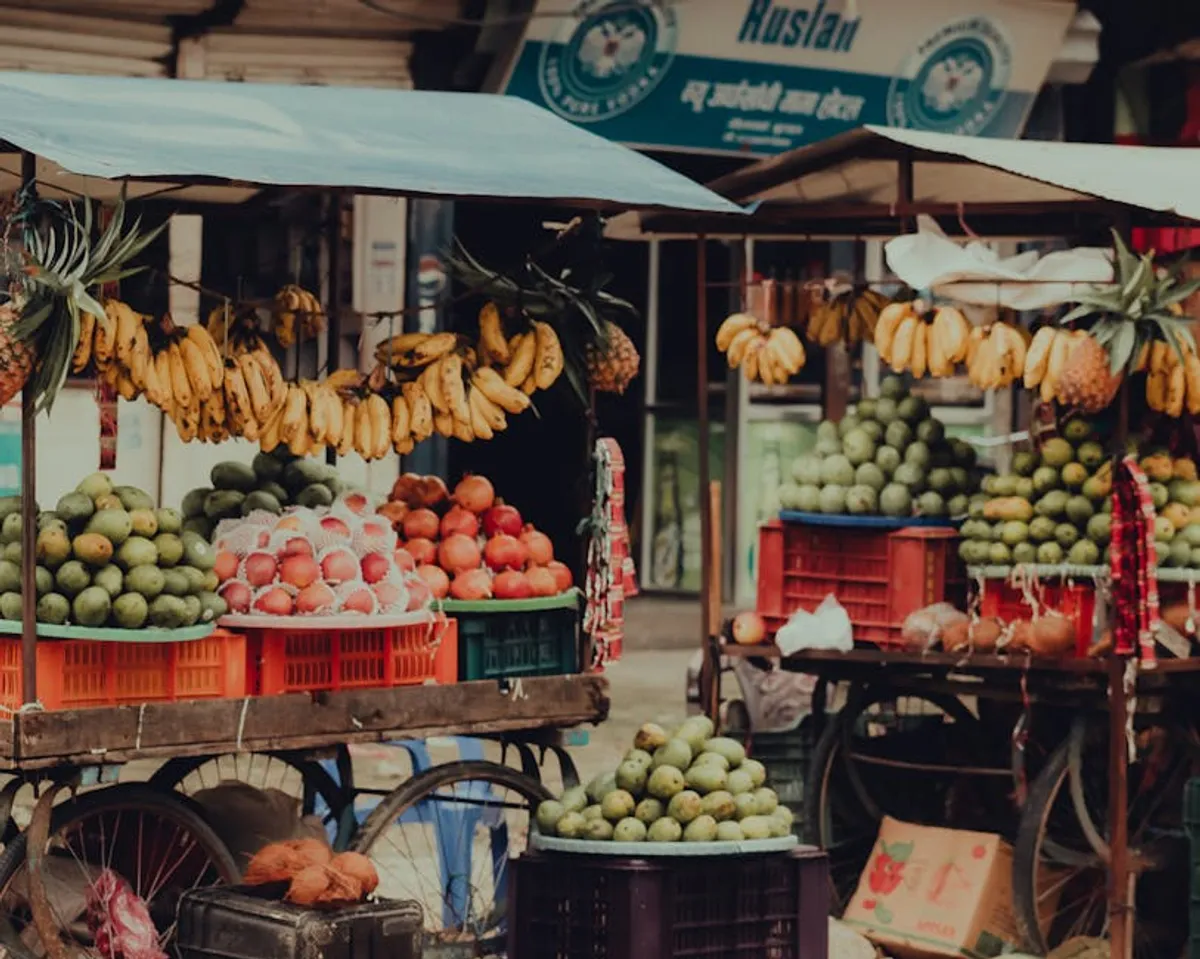
This market serves as Baracoa's primary hub for fresh agricultural produce. Located centrally, it is where local farmers bring their harvests daily, making it a critical point for understanding the region's food supply and seasonal availability. Expect a wide array of fruits, vegetables, and root crops, often sold directly by the growers themselves. The market operates with a consistent flow of local residents, ensuring a genuine snapshot of daily life and dietary staples in Baracoa.
Best for: Content focusing on local food systems, agricultural practices, culinary tourism, or economic analyses of local supply chains. Ideal for capturing authentic daily life and food culture.
Pros: Wide variety of fresh, local produce; direct interaction with farmers; strong local patronage provides authentic atmosphere; central location for accessibility.
Cons: Limited non-food items; can be crowded during peak hours, making detailed observation challenging; less emphasis on artisanal goods or tourist-specific products.
Verdict: Essential for deep dives into Baracoa's food culture and agricultural economy, offering unparalleled authenticity for content creation around local produce and daily life.
2. Mercado Artesanal El Yunque
Positioned near the base of El Yunque mountain, this market specializes in local handicrafts and souvenirs. Vendors here primarily offer items crafted from natural materials unique to Baracoa, such as coconut shells, local hardwoods, and woven fibers. You'll find a range of products from small decorative pieces to larger carved items, often reflecting indigenous Taíno influences or local flora and fauna. It caters more directly to visitors seeking tangible mementos of their trip.
Best for: Travel content, gift guides, cultural heritage pieces, or features on local artisan communities and sustainable crafting practices.
Pros: Unique, locally-made crafts; direct engagement with artisans; good for finding authentic souvenirs; often less crowded than food markets, allowing for more focused interaction.
Cons: Prices can be higher due to tourist focus; less variety in non-craft items; location might be slightly less central for some visitors.
Verdict: A key destination for showcasing Baracoa's artistic traditions and craftsmanship, offering distinct cultural products for a visitor-oriented audience.
3. Mercado de Pescado La Punta
Situated near the waterfront, this market is the primary point of sale for fresh seafood in Baracoa. Local fishermen bring their daily catches directly to this spot, often in the early morning. The selection depends entirely on the day's fishing success, but typically includes various reef fish, lobster, and shrimp. The atmosphere is bustling and aromatic, providing a raw, unvarnished look at Baracoa's maritime economy.
Best for: Content on sustainable fishing, local seafood cuisine, coastal community life, or marine resource management. Excellent for visual storytelling around fresh catch.
Pros: Guaranteed fresh seafood; direct interaction with fishermen; authentic local experience; dynamic visual opportunities for photography and video.
Cons: Limited operating hours (primarily mornings); strong odors might be off-putting for some; selection varies daily based on catch; not suitable for non-seafood content.
Verdict: Indispensable for any content exploring Baracoa's deep connection to the sea and its vibrant seafood culture, offering direct access to the source.
4. Feria de Artesanos y Productores del Río Miel
This market, often held periodically or on specific days, focuses on a broader range of artisanal products and specialty foods from the Río Miel area. It's known for its unique local delicacies, such as Baracoa's famous cucurucho (a coconut, fruit, and nut confection) and locally produced cocoa products. The fair often features live music or cultural performances, creating a festive atmosphere that draws both locals and tourists.
Best for: Niche food blogging, cultural event coverage, features on local traditions, or content highlighting unique regional products and community gatherings.
Pros: Diverse range of unique local products; festive and engaging atmosphere; opportunities for cultural immersion; supports smaller, specialized producers.
Cons: Not a daily market, requiring specific timing for visits; potentially higher prices for specialty items; can be more crowded due to its event-like nature.
Verdict: A prime location for experiencing and documenting Baracoa's distinct culinary and cultural specialties, particularly for content seeking unique regional flavors.5. Puesto de Frutas El Malecón
While not a full market, this collection of fruit stalls along Baracoa's Malecón (seafront promenade) functions as a vital point for fresh, ready-to-eat tropical fruits. Vendors often sell pre-cut fruit, fresh juices, and small snacks, catering to both locals enjoying the seaside and visitors strolling along the water. It offers a convenient and picturesque setting for quick refreshment and casual observation of local life.
Best for: Casual travel content, street food features, quick local insights, or visual content showcasing Baracoa's tropical bounty against a scenic backdrop.
Pros: Convenient location with scenic views; fresh, prepared fruit and juices; relaxed atmosphere; good for quick, informal interactions and visual content.
Cons: Limited product variety beyond fruits and juices; not a full market experience; less opportunity for deep cultural insight compared to larger markets.
Verdict: Excellent for capturing the lighter, more casual side of Baracoa's food scene, especially for content focused on quick, refreshing local experiences.
6. Mercado de Ropa y Artículos Varios
This market specializes in second-hand clothing, household goods, and various general merchandise. It provides a glimpse into the resourcefulness of the local community, offering affordable alternatives for everyday necessities. While not as picturesque as food or craft markets, it reveals an important aspect of local economy and consumption patterns, particularly among residents seeking practical items.
Best for: Socio-economic analysis, content on sustainable consumption, local resourcefulness, or deep dives into the daily lives of Baracoa's residents.
Pros: Offers insights into local economic realities and consumer needs; provides practical goods for residents; less tourist-focused, offering a raw local perspective.
Cons: Less visually appealing for general travel content; limited appeal for those seeking unique cultural products; items are typically used or basic.
Verdict: A valuable site for content creators interested in the practical, less glamorous but equally vital aspects of Baracoa's local economy and community life.
7. Puntos de Venta de Cacao y Chocolate
Scattered throughout Baracoa, these are not singular markets but rather numerous small, specialized stalls or home-based vendors focusing exclusively on cocoa and chocolate products. Baracoa is Cuba's cocoa capital, and these points offer everything from raw cocoa beans to artisanal chocolate bars and hot chocolate drinks. Each vendor might have slight variations in their processing or recipes, reflecting family traditions.
Best for: Niche content on cocoa production, artisanal chocolate making, local agricultural specialties, or the history of chocolate in Cuba. Ideal for food and agricultural tourism.
Pros: Direct access to Baracoa's most famous product; opportunities to learn about cocoa processing; supports local micro-producers; unique tasting experiences.
Cons: Decentralized, requiring more effort to locate multiple vendors; limited product diversity beyond cocoa/chocolate; quality can vary between small producers.
Verdict: Crucial for any content focusing on Baracoa's signature crop and its derived products, offering an authentic taste of local industry and flavor.
8. Mercado Campesino de Mabujabo
Located slightly outside the main town, in the rural area of Mabujabo, this campesino (farmer's) market is a more rustic and traditional affair. It serves the immediate rural community, with farmers from surrounding areas bringing their surplus produce, livestock, and sometimes homemade goods. The transactions often involve bartering or direct negotiation, offering a glimpse into older forms of commerce.
Best for: Content on rural life, traditional farming, community economics, or ethnographic studies. Offers a very authentic, less tourist-influenced perspective.
Pros: Highly authentic rural experience; direct connection to traditional farming practices; unique insight into community self-sufficiency; potential for unique visual content.
Cons: Requires transportation to reach; less frequent operation; limited amenities; product variety might be narrower than central markets.
Verdict: An invaluable resource for content seeking to explore the deeper, more traditional agricultural roots and rural community dynamics surrounding Baracoa.
9. Tiendas de Productos Locales (State-Run)
These are state-run shops, distinct from independent markets, but they play a role in the local economy by distributing specific local products. They often stock packaged goods like local coffee, honey, and some processed fruits that are produced regionally. While not a bustling market, they represent the formal distribution channel for certain local items and offer a different perspective on local commerce.
Best for: Economic analysis of state-controlled distribution, understanding formal product availability, or sourcing specific packaged local goods for export or broader distribution studies.
Pros: Reliable source for specific packaged local products; provides insight into the state's role in local economy; fixed pricing.
Cons: Lacks the vibrant atmosphere of open-air markets; limited interaction opportunities; product selection is standardized and less diverse.
Verdict: Useful for understanding the formal economic structures and specific product availability, complementing insights gained from independent markets.
10. Mercado de Flores y Plantas
A smaller, specialized market or collection of stalls dedicated to ornamental plants, fresh cut flowers, and sometimes medicinal herbs. This market thrives on local demand for home decoration and traditional remedies. It offers a colorful and fragrant contrast to the more utilitarian markets, providing insights into local aesthetics and traditional practices.
Best for: Lifestyle content, gardening features, traditional medicine, or visual storytelling around local flora and decorative customs.
Pros: Visually appealing with vibrant colors; offers insight into local domestic life and traditional uses of plants; often a calm and pleasant atmosphere.
Cons: Limited commercial scale; product range is highly specialized; less relevant for general food or craft-focused content.
Verdict: A charming niche market for content focusing on local aesthetics, botanical interests, or traditional practices involving plants and flowers.
11. Puestos Ambulantes de Dulces y Pan
These are mobile vendors or small, informal street stalls selling homemade sweets, pastries, and fresh bread. They are often found in high-traffic areas or residential neighborhoods, providing quick, affordable snacks. These vendors are an integral part of Baracoa's street food culture and offer immediate gratification for those seeking local treats.
Best for: Street food content, local snack guides, quick cultural insights into daily consumption, or visual narratives of urban life.
Pros: Convenient and accessible; offers authentic local snacks and baked goods; provides insight into everyday street culture; often very affordable.
Cons: Highly informal, sometimes inconsistent availability; limited product range; less of a "market" in the traditional sense, more individual vendors.
Verdict: Essential for capturing the immediate, accessible flavors of Baracoa's everyday culinary scene and street-level commerce.
12. Mercado de Pulgas (Flea Market)
Operating intermittently, often on weekends or specific days, this market focuses on used goods, antiques, and miscellaneous items. It's a place where locals might sell household clutter, vintage items, or repurposed materials. While the offerings can be unpredictable, it's a treasure trove for those interested in local history, upcycling, or finding unique, often quirky, artifacts.
Best for: Content on local history, vintage finds, sustainable living through repurposing, or unique cultural artifacts and curiosities.
Pros: Potential for unique discoveries and vintage items; insight into local material culture and resourcefulness; often lively and engaging.
Cons: Irregular schedule and location; items are used, quality varies greatly; requires patience to find valuable pieces.
Verdict: A fascinating, albeit unpredictable, market for content creators interested in the historical, repurposed, and eclectic aspects of Baracoa's local community.
Leveraging Market Insights for Content and Strategy
Understanding Baracoa's local markets extends beyond mere observation; it involves translating these insights into actionable content strategies or business decisions. For SEO professionals, this means identifying long-tail keywords related to specific local products (e.g., "Baracoa cucurucho recipe," "Baracoa cocoa farm tours") or cultural experiences. Marketers can leverage the distinct atmosphere of each market to create compelling visual stories or targeted ad campaigns for travel or food-related products. Site owners and publishers can develop niche guides, local business directories, or cultural articles that resonate with audiences seeking authentic Baracoa experiences. The key is to connect the unique offerings and atmosphere of each market to specific audience interests and content goals, ensuring that information is not just descriptive but also strategically valuable.
Frequently Asked Questions About Baracoa's Markets
What are the typical operating hours for markets in Baracoa?
Most fresh produce and fish markets operate primarily in the mornings, often starting as early as 6:00 AM and winding down by midday. Craft markets and general goods stalls may have longer hours, typically from 9:00 AM to 5:00 PM. Specialized fairs or flea markets often have specific, less frequent schedules, sometimes only on weekends.
Is bargaining common in Baracoa's local markets?
Bargaining is generally common, especially in informal or artisanal markets. Prices in state-run shops are fixed. For fresh produce and crafts, a polite negotiation can often lead to a slightly better price or simply foster a friendly interaction with vendors.
What unique local products should I look for in Baracoa's markets?
Baracoa is famous for its cocoa and coconut products. Look for artisanal chocolate, cucurucho (a sweet made from coconut, fruit, and nuts, wrapped in a palm leaf), local honey, and various tropical fruits. Hand-carved items from local wood or coconut shells are also distinctive.
Are Baracoa's markets safe for visitors and photographers?
Baracoa's markets are generally safe and welcoming. It is always advisable to be mindful of your belongings in crowded areas. For photography, it's courteous to ask vendors for permission before taking close-up shots, especially of individuals. Most are friendly and receptive.
How do local markets in Baracoa support the community?
Local markets are vital economic arteries, providing direct income for farmers, fishermen, and artisans, bypassing larger distribution networks. They foster community interaction, preserve traditional trading practices, and ensure residents have access to fresh, locally sourced goods, contributing significantly to local self-sufficiency.