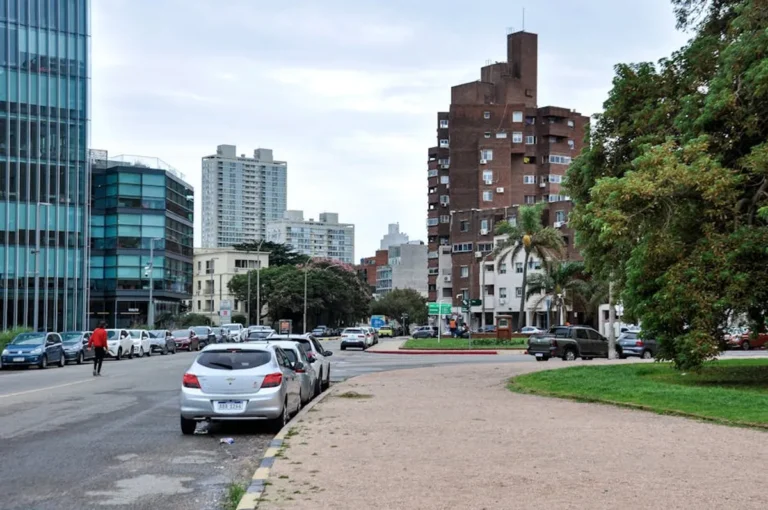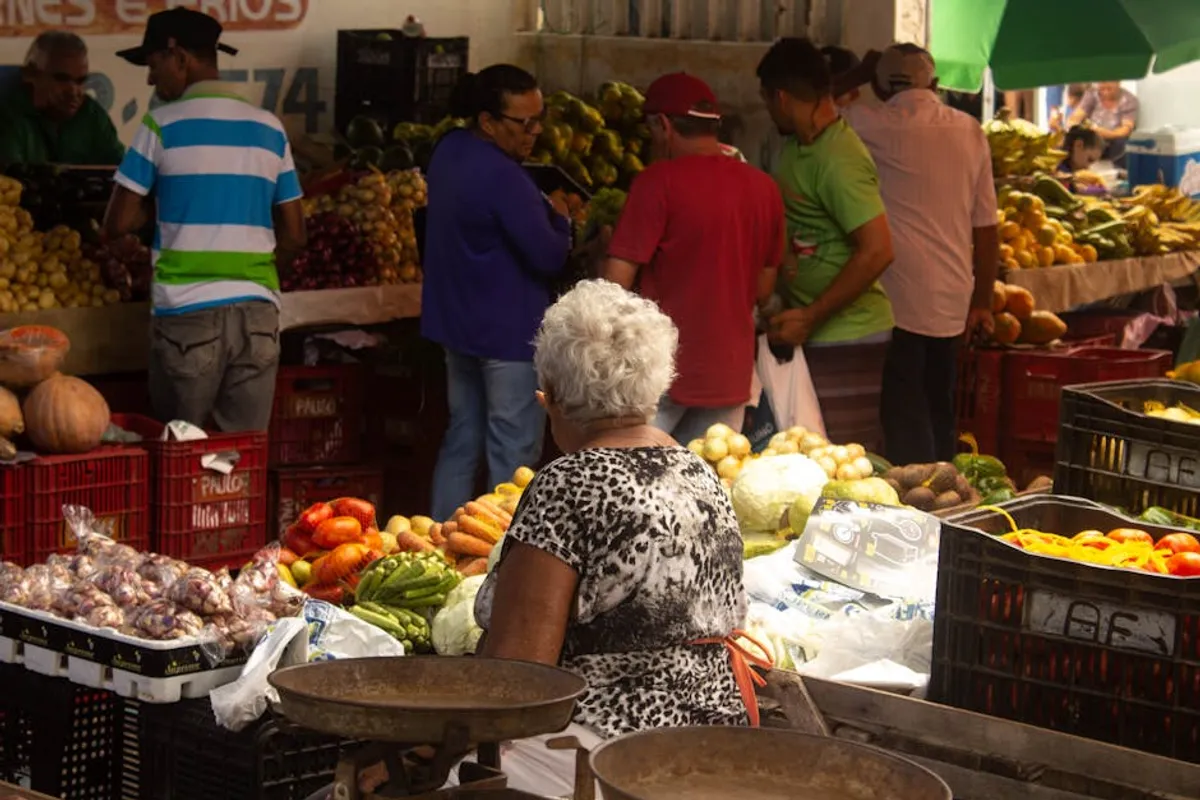
Navigating the local markets in Camagüey offers a direct engagement with the city's commercial pulse and daily life. For residents, these markets are primary sources for provisions; for visitors, they provide a window into local culture, culinary traditions, and artisanal crafts. The choice of market depends heavily on specific needs: whether sourcing fresh produce, seeking unique souvenirs, or simply observing the vibrant local exchange. Understanding the distinct character of each market—from its typical offerings to its operational rhythm—is key to optimizing your visit and securing desired goods.
What to Prioritize in Camagüey's Markets
Before visiting any market, consider what you intend to purchase and the experience you seek. Freshness and origin are paramount for produce and meats, while authenticity and craftsmanship drive decisions for souvenirs. Price negotiation is often part of the experience, particularly in smaller, independent stalls, but less common in larger, more formalized establishments. Confirming operating hours, which can vary seasonally or by day of the week, prevents wasted trips. Finally, observe local customs: many vendors appreciate polite inquiries and a willingness to engage, even if only through gestures.
1. Mercado Agropecuario La Caridad
This market is a cornerstone for fresh agricultural products, situated conveniently for many city residents. It operates as a primary distribution point for farmers bringing seasonal fruits, vegetables, and root crops directly from surrounding rural areas. The focus here is strictly on foodstuffs, ensuring a high turnover of fresh inventory daily. Expect a bustling atmosphere, particularly in the early morning hours when daily provisions are typically procured.
Best for: Daily grocery shopping, sourcing fresh produce directly from local growers, experiencing a genuine local food market.
Pros:
- Direct-from-farm produce often results in superior freshness and lower prices compared to smaller retail outlets.
- Wide variety of seasonal fruits, vegetables, and tubers, reflecting local agricultural cycles.
- Authentic, high-energy local atmosphere provides a cultural immersion.
Cons:
- Limited non-food items; not a destination for crafts or manufactured goods.
- Can become very crowded, especially during peak morning hours, requiring patience.
- Primarily cash-only transactions, often in local currency, requiring small denominations.
Verdict: Essential for anyone prioritizing fresh, local food and an unvarnished market experience. Plan for crowds and cash payments.
2. Feria Artesanal de Camagüey
Located near the city center, this market specializes in handcrafted goods, souvenirs, and art created by local artisans. Unlike the food markets, the Feria Artesanal caters primarily to those seeking unique gifts, decorative items, and mementos of Camagüey. Stalls feature items ranging from pottery and wooden carvings to textiles and paintings, often with direct interaction possible with the creators themselves.
Best for: Souvenir shopping, purchasing local art and crafts, finding unique gifts.
Pros:
- Direct access to artisans, allowing for insights into their craft and potential for custom requests.
- Diverse range of authentic Cuban handicrafts, distinct from mass-produced items.
- Often located in a pleasant, pedestrian-friendly area, conducive to browsing.
Cons:
- Prices can be higher than general goods markets due to the specialized nature of the products.
- Limited utility for daily necessities; purely a specialty market.
- Product availability can vary based on artisan presence and production cycles.
Verdict: The definitive destination for cultural artifacts and artisan support. Expect to pay for craftsmanship and uniqueness.
3. Mercado de Cuatro Caminos
This market serves as a general goods hub, offering a broader spectrum of products beyond just food or crafts. While it includes some produce vendors, its strength lies in household items, clothing, footwear, and smaller electronics. It’s a market where practicality meets variety, often at competitive prices, appealing to a wide demographic looking for everyday essentials and occasional finds.
Best for: General household shopping, affordable clothing and footwear, diverse everyday items.
Pros:
- Extensive range of products makes it a one-stop-shop for many household needs.
- Often features more competitive pricing on manufactured goods due to higher vendor competition.
- Good for discovering practical items not readily available in specialized stores.
Cons:
- Quality of non-food items can be inconsistent; careful inspection is advised.
- Less focus on fresh, local produce compared to dedicated agricultural markets.
- Can be disorganized and overwhelming due to the sheer volume and variety of goods.
Verdict: A practical market for diverse needs, but requires diligent searching for quality. Best for those seeking value across multiple categories.
4. Mercado Central de Camagüey
As its name suggests, this is one of Camagüey's most established and comprehensive markets. It integrates elements of both agricultural and general goods markets, albeit on a larger, more structured scale. Vendors here often have more permanent stalls, offering a consistent supply of produce, meats, and some imported goods. Its central location makes it a key commercial node for both residents and local businesses.
Best for: Comprehensive shopping for food and some household items, reliable supply of core provisions.
Pros:
- Reliable and consistent availability of a broad range of food items, including less common produce.
- More structured layout than smaller markets, potentially easier to navigate for some shoppers.
- Often has vendors offering bulk purchases, suitable for restaurants or larger families.
Cons:
- Can feel less 'local' or 'authentic' than smaller, open-air markets due to its commercial scale.
- Prices may not always be the absolute lowest, reflecting vendor overhead and consistency.
- Parking and accessibility can be challenging due to its central location and high traffic.
Verdict: A reliable option for consistent supply and variety, particularly for food items. Good for efficiency over unique finds.
5. Mercado de Pescado
Dedicated exclusively to seafood, this market is the primary destination for fresh catches in Camagüey. Located strategically to receive daily deliveries from coastal fishing communities, it offers a rotating selection of fish, shellfish, and other marine products. Shoppers come here specifically for the freshness and variety of seafood, which is often cleaned and prepared on-site by vendors.
Best for: Purchasing fresh fish and seafood, finding specific marine ingredients for cooking.
Pros:
- Guaranteed freshness due to direct sourcing from local fishermen and high turnover.
- Wide variety of local fish and shellfish, often unavailable elsewhere in the city.
- Vendors are knowledgeable about their products and can offer preparation advice.
Cons:
- Limited to seafood; no other product categories are available.
- Operating hours can be irregular, depending on fishing schedules and catch availability.
- Can have a strong odor typical of fish markets, which might be off-putting to some.
Verdict: The indispensable source for fresh seafood. Plan your visit around known delivery times for the best selection.
6. Plaza de la Revolución Agropecuario
This is another significant agricultural market, often characterized by its larger open-air format and direct farmer presence. It distinguishes itself by frequently hosting a higher volume of bulk sales and larger quantities of seasonal harvests, making it attractive for both individual consumers and small businesses. Its location might be slightly further from the immediate city center, but it compensates with scale and often competitive pricing for staple crops.
Best for: Bulk purchases of agricultural products, finding specific seasonal harvests in large quantities.
Pros:
- Excellent for bulk buying, often with price advantages for larger volumes.
- Direct interaction with a wide array of farmers, fostering transparency in sourcing.
- Spacious layout, though still busy, can feel less congested than more central markets.
Cons:
- Location might require transportation for many city residents.
- Primarily agricultural, with very few non-food items available.
- Can be exposed to elements (sun, rain) as much of it is open-air.
Verdict: Ideal for stocking up on seasonal produce or for commercial buyers. Requires planning for transport and weather.
7. Mercado de Ropa y Calzado
This specialized market focuses exclusively on apparel and footwear, catering to a diverse clientele seeking everything from everyday wear to special occasion outfits. It features a mix of new and sometimes gently used items, with vendors often sourcing from various local and international channels. The emphasis is on variety and affordability, making it a key destination for clothing updates.
Best for: Affordable clothing and shoe shopping, finding specific apparel items.
Pros:
- Wide selection of clothing styles and sizes, often at competitive prices.
- Opportunity to find unique or less common apparel items not found in standard stores.
- A dynamic shopping environment where new stock frequently appears.
Cons:
- Quality can vary significantly between vendors and items; careful inspection is necessary.
- Fitting rooms are often rudimentary or non-existent.
- Less focus on branded or high-end fashion; primarily functional apparel.
Verdict: A practical choice for budget-conscious clothing shoppers. Prioritize thorough inspection before purchase.
8. Mercado de Antigüedades
Operating typically on specific days, this market is a treasure trove for collectors and those interested in vintage items, historical artifacts, and unique curiosities. Vendors display a range of items including old coins, stamps, books, furniture, decorative objects, and various memorabilia. It's less about daily necessities and more about the thrill of discovery and the appreciation of history.
Best for: Collectors, antique enthusiasts, finding unique decorative pieces or historical artifacts.
Pros:
- Opportunity to acquire rare and historically significant items.
- Direct interaction with knowledgeable dealers who can provide context for items.
- A slower-paced, more contemplative shopping experience compared to bustling food markets.
Cons:
- Often operates on limited days or hours, requiring specific planning.
- Prices can be subjective and negotiable, requiring some expertise or willingness to haggle.
- Items may require restoration or have wear consistent with their age.
Verdict: A niche market for those with an interest in history and unique finds. Patience and an eye for detail are rewarded.
9. Mercado de Abastos
This market functions as a wholesale and bulk supply point, primarily for dry goods, non-perishable foodstuffs, and household staples. While individuals can shop here, it often caters to smaller businesses, restaurants, and large families stocking up. Expect larger packaging and a focus on essential commodities rather than fresh produce or specialty items. It's a utilitarian market designed for efficiency in supply.
Best for: Bulk purchases of non-perishable food items, household staples, and dry goods.
Pros:
- Competitive pricing on bulk items, offering cost savings for larger quantities.
- Consistent availability of essential commodities like rice, beans, sugar, and cooking oil.
- Efficient for stocking up on pantry items, reducing the frequency of shopping trips.
Cons:
- Limited selection of fresh produce or perishable goods.
- Less focus on individual consumer experience; more geared towards volume.
- Packaging might be larger than needed for single households, requiring storage space.
Verdict: Ideal for commercial buyers or individuals needing to purchase staples in bulk. Not a market for casual browsing.
10. Mercado del Reparto Vigía
Representing a typical neighborhood market, this smaller-scale operation caters primarily to the residents of the Vigía district. It offers a more intimate shopping experience, with a focus on essential fresh produce, some basic meats, and a few household items. The vendors often know their regular customers, fostering a community atmosphere. It's less about vast selection and more about convenience and local connection.
Best for: Quick daily shopping for neighborhood residents, experiencing a local community market.
Pros:
- Convenient for local residents, reducing travel time for daily necessities.
- Friendly, community-oriented atmosphere with potential for personalized service.
- Supports local, smaller-scale vendors directly within the neighborhood.
Cons:
- Limited selection compared to larger central or agricultural markets.
- Prices might be slightly higher than bulk markets due to smaller scale and convenience.
- Operating hours can be less consistent, subject to vendor availability.
Verdict: A practical choice for local residents seeking convenience and community. Not a primary destination for specialized or bulk shopping.
11. Mercado de la Ciudad
This market, often centrally located, functions as a general-purpose market aiming to provide a wide array of goods under one roof, or across a concentrated area. It typically features a mix of fresh produce, meats, some processed foods, and a section for general merchandise such as clothing, small appliances, and household goods. It seeks to be a comprehensive solution for diverse shopping needs, appealing to a broad segment of the population.
Best for: Diverse shopping needs, from groceries to household items, in a single location.
Pros:
- High convenience due to the variety of products available in one area.
- Often features more established vendors with consistent stock.
- Central location makes it accessible for many city dwellers.
Cons:
- Can be very busy and crowded, especially during peak hours.
- The sheer volume of goods can make specific item searching challenging.
- Atmosphere might feel less specialized or unique than dedicated markets.
Verdict: A practical choice for comprehensive, efficient shopping. Prepare for crowds and a generalist environment.
12. Mercado de Flores y Plantas
A specialized market dedicated to horticulture, offering a variety of cut flowers, potted plants, seeds, and gardening supplies. This market caters to individuals looking to beautify their homes, acquire plants for cultivation, or purchase floral arrangements for special occasions. It’s a vibrant, fragrant space that stands apart from the utilitarian focus of food markets.
Best for: Purchasing fresh flowers, potted plants, gardening supplies, and botanical decorations.
Pros:
- Wide selection of local and sometimes imported flowers and plants.
- Knowledgeable vendors who can offer advice on plant care and floral arrangements.
- A visually appealing and aromatic environment, distinct from other market types.
Cons:
- Highly specialized, offering no food or general merchandise.
- Operating hours can be limited, often closing earlier than other markets.
- Prices for exotic or rare plants can be higher.
Verdict: The go-to destination for all floral and plant needs. Ideal for gardeners and those seeking decorative botanical elements.
Maximizing Your Market Experience
To ensure a productive and enjoyable market visit in Camagüey, consider a few practical points. Arrive early, especially at food markets, to secure the freshest produce and avoid the largest crowds. Always carry small denominations of local currency, as many vendors do not accept cards or larger bills. Be prepared to negotiate politely, particularly for non-fixed-price items or larger purchases, but respect the vendor's final offer. Finally, engage with vendors; a friendly interaction can often lead to better insights into products or local culture.
Frequently Asked Questions About Camagüey Markets
Are most markets in Camagüey cash-only?
Yes, the vast majority of local markets, especially smaller stalls and agricultural vendors, operate on a cash-only basis. It's advisable to carry sufficient local currency in small denominations.
What are the typical operating hours for markets?
Food and agricultural markets often open early, around 6:00 AM or 7:00 AM, and may close by midday or early afternoon once stock is sold. Specialty markets like the artisan fair or antique market might have more conventional daytime hours, typically 9:00 AM to 5:00 PM, but these can vary. Always verify locally if visiting for a specific purpose.
Is price negotiation common in Camagüey markets?
For items like crafts, souvenirs, and sometimes produce from independent vendors, polite negotiation is common and often expected. However, in larger, more structured markets or for essential staples with posted prices, negotiation is less likely or appropriate.
What unique items should I look for in Camagüey markets?
Beyond fresh tropical fruits and root vegetables, look for local honey, artisanal cigars (from licensed vendors), handcrafted pottery, wooden carvings depicting local scenes, and traditional Cuban textiles. In antique markets, keep an eye out for vintage books, stamps, and pre-revolution memorabilia.
Are markets safe for tourists?
Camagüey's markets are generally safe, but like any crowded public space, it's wise to be aware of your surroundings. Keep valuables secure and avoid displaying large sums of cash. The primary concern is usually navigating crowds, not significant safety risks.