Cayo Santa María, a resort destination off Cuba's north-central coast, offers a distinct shopping landscape primarily centered around tourist amenities. Unlike urban Cuban centers with bustling street markets, shopping here is more curated, focusing on artisan crafts, souvenirs, and specialty Cuban products within designated commercial villages or resort precincts. Understanding these options is key to finding authentic mementos and supporting local artisans while enjoying your stay.
For visitors, the "local market" experience in Cayo Santa María typically means exploring the purpose-built "Pueblos" – small commercial centers designed to serve the surrounding resorts. These areas consolidate various shops, art galleries, and craft stalls, providing a convenient and often air-conditioned environment for browsing. Beyond these central hubs, smaller, more informal opportunities may arise, from beachside vendors to specialized boutiques within resort lobbies.
Navigating Shopping Opportunities in Cayo Santa María
When seeking out local goods in Cayo Santa María, consider the specific context of a resort island. Authenticity, price, and variety will differ from mainland Cuban cities. Here’s what to prioritize:
- Authenticity and Origin: While many items are handmade, some may be mass-produced. Look for items with unique characteristics, artist signatures, or direct interaction with the maker if possible. Understand that true "local" often means Cuban-made, as the cayer itself has limited independent commerce.
- Currency and Payment: Cuban Pesos (CUP) are the official currency, but many tourist-oriented establishments also accept foreign currencies like Euros or Canadian Dollars, or international credit/debit cards (though connectivity can be an issue). Always clarify payment options before making a selection.
- Bargaining Etiquette: In the established commercial pueblos, prices are generally fixed. For smaller, independent stalls or beach vendors, polite negotiation might be possible, but always approach it respectfully.
- Product Variety: Expect to find a range of items including wood carvings, paintings, ceramics, textiles (guayaberas, dresses), handcrafted jewelry, local music instruments, and specialty items like Cuban rum, cigars, and coffee.
- Convenience vs. Discovery: The main pueblos offer convenience and a wide selection in one place. For more unique finds, keep an eye out for smaller, less formal setups or individual artisans.
1. Pueblo La Estrella Artisan Market
Pueblo La Estrella serves as one of the primary commercial hubs for visitors to Cayo Santa María. This open-air market, integrated into a larger complex, features numerous stalls and small shops dedicated to Cuban handicrafts. Visitors will find a broad array of items, from intricate wood carvings and vibrant paintings to handmade jewelry and traditional textiles. The market's design encourages leisurely browsing, with shaded walkways and occasional live music performances enhancing the atmosphere. It provides a concentrated shopping experience, making it a convenient stop for souvenir hunters.
Best For: Travelers seeking a wide selection of Cuban crafts, convenience, and a centralized shopping environment with various amenities.
Pros: Extensive range of products in one location; often accessible via resort shuttle services; amenities like cafes and bars are nearby; generally fixed and transparent pricing.
Cons: Can feel overtly tourist-oriented; prices may be higher than in mainland Cuba; less opportunity for direct interaction with individual artisans.
Verdict: An efficient option for acquiring a variety of souvenirs and gifts, particularly for those who prefer a structured shopping experience without extensive travel.
2. Pueblo Las Dunas Craft Village
Similar in concept to Pueblo La Estrella, Pueblo Las Dunas offers another significant collection of artisan stalls and shops. This village is designed to cater specifically to resort guests, providing a curated selection of Cuban art, crafts, and specialty goods. The atmosphere is typically relaxed, with vendors displaying their wares ranging from leather products and ceramics to local artwork and small musical instruments. Its layout often includes shaded areas and seating, making it comfortable for extended visits. The focus here is on showcasing traditional Cuban craftsmanship in a comfortable setting.
Best For: Visitors staying near the western side of Cayo Santa María, or those looking for a slightly different selection of crafts than Pueblo La Estrella.
Pros: Good variety of handcrafted items; comfortable browsing environment; convenient location for many resorts; often has unique pieces not found elsewhere on the cayer.
Cons: Similar tourist-centric pricing structure to other pueblos; authenticity of some items might vary; can become crowded during peak tourist hours.
Verdict: A reliable destination for quality Cuban crafts, offering a complementary experience to Pueblo La Estrella with its own distinct charm and vendor selection.
3. Cayo Santa María Souvenir Kiosks
Scattered throughout the resort areas and along pathways connecting hotels to beaches, these smaller, often independent kiosks provide quick access to common souvenirs. These typically include items like keychains, small wooden figures, seashell crafts, and basic textile goods. While the selection is more limited than in the larger pueblos, these kiosks offer convenience for last-minute purchases or for those who prefer a more informal interaction. Prices can sometimes be negotiated, depending on the vendor and item.
Best For: Quick souvenir purchases, small gifts, or impulse buys without needing to travel to a dedicated commercial center.
Pros: High accessibility across the resort zone; convenient for specific small items; potential for minor price negotiation.
Cons: Limited selection compared to larger markets; quality can be inconsistent; less unique items generally available.
Verdict: Useful for immediate needs and basic mementos, but not the primary destination for significant art or craft acquisitions.
4. Resort Lobby Boutiques (Local Collection)
Many of the larger resorts in Cayo Santa María feature small boutiques or gift shops within their lobbies. While some of these shops carry international convenience items, a significant portion is often dedicated to showcasing Cuban products. This can include higher-quality cigars and rum, locally sourced coffee, small pieces of art, and resort-branded apparel made in Cuba. These shops offer a more upscale and curated shopping experience, with air conditioning and often credit card payment options.
Best For: Guests seeking premium Cuban products, convenience within their hotel, or a more refined shopping atmosphere.
Pros: Highly convenient for hotel guests; often stock higher-end or specialty Cuban items; reliable payment methods; comfortable, climate-controlled environment.
Cons: Generally the highest prices on the cayer; selection is limited to what the specific resort chooses to stock; less of a "market" feel.
Verdict: An excellent choice for specific, higher-value Cuban goods or for those who prioritize convenience and a comfortable shopping experience above all else.
5. Beachside Artisan Vendors
Along some of the more popular beach stretches, local artisans occasionally set up small, temporary stalls or walk among sunbathers offering their handmade goods. These typically include items like woven bracelets, small wood carvings, painted shells, or personalized jewelry. Interaction with these vendors can offer a more direct connection to the artisan, and prices are often open to friendly negotiation. This is a more spontaneous shopping experience, dependent on the day and location.
Best For: Travelers looking for unique, often personalized, handmade items and direct interaction with local craftspeople.
Pros: Direct interaction with the maker; potential for unique, one-of-a-kind pieces; often flexible pricing; convenient for beachgoers.
Cons: Selection is highly variable and often limited; vendors may not be present daily; quality can range significantly; cash payment is usually required.
Verdict: Offers a charming, informal shopping experience with potential for truly unique finds, but requires patience and an open mind regarding selection.
6. Specialty Rum & Cigar Shops (Pueblos)
Within both Pueblo La Estrella and Pueblo Las Dunas, dedicated shops focus exclusively on Cuba's most famous exports: rum and cigars. These establishments offer a wide selection of reputable brands, from well-known Havana Club rums to Cohiba and Montecristo cigars. Staff are often knowledgeable and can guide purchasers through the various options, explaining differences in age, blend, and origin. These shops prioritize authenticity and quality, ensuring visitors purchase genuine Cuban products.
Best For: Connoisseurs or those specifically seeking authentic, high-quality Cuban rum and cigars as gifts or personal enjoyment.
Pros: Guaranteed authenticity of products; wide selection of established brands; knowledgeable staff; often climate-controlled for product preservation.
Cons: Prices are fixed and generally high; selection is limited to rum and cigars only; can be crowded with other interested buyers.
Verdict: The definitive source on the cayer for genuine Cuban rum and cigars, providing assurance of quality and origin for these iconic products.
7. Local Art Galleries in Pueblos
Beyond general craft stalls, both Pueblo La Estrella and Pueblo Las Dunas host small art galleries showcasing original paintings and sculptures by Cuban artists. These galleries often feature a rotating collection, offering a glimpse into contemporary Cuban art. Works can range from vibrant landscapes and abstract pieces to portraits and scenes of daily life. Purchasing art here provides a direct way to support Cuban artists and acquire a unique, culturally significant memento.
Best For: Art enthusiasts and those looking to purchase original Cuban artwork, seeking a more substantial and unique souvenir.
Pros: Opportunity to acquire original art; direct support for Cuban artists; potential for appreciating cultural value; often well-displayed in a gallery setting.
Cons: Higher price points compared to crafts; shipping arrangements might be complex for larger pieces; selection is subjective to individual taste.
Verdict: A valuable option for those interested in investing in genuine Cuban art, offering a more profound connection to the island's creative spirit.
8. Music & Instrument Shops (Pueblos)
For those enchanted by Cuban rhythms, dedicated music shops within the commercial pueblos offer a selection of traditional Cuban instruments and recordings. Visitors can find small percussion instruments like maracas and claves, as well as more intricate pieces like small guitars (tres or cuatro). A selection of Cuban music CDs, featuring genres from salsa to son, is also typically available. These shops provide an opportunity to bring the sounds of Cuba home.
Best For: Music lovers, aspiring musicians, or anyone wanting to take home a piece of Cuba's rich musical heritage.
Pros: Specific focus on Cuban music and instruments; opportunity to find unique cultural items; often a good selection of local artists' recordings.
Cons: Limited appeal beyond music enthusiasts; instruments might require careful packing for travel; CD selection can sometimes be outdated.
Verdict: A niche but rewarding shopping stop for those who appreciate Cuban music, offering tangible connections to the island's vibrant soundscape.
9. Ceramic & Pottery Stalls
Within the larger artisan markets, dedicated stalls often specialize in Cuban ceramics and pottery. These items range from decorative plates and bowls adorned with vibrant Cuban motifs to functional pottery pieces. The designs frequently incorporate elements of Cuban nature, history, and daily life, making them distinctive souvenirs. Pieces vary in size and intricacy, offering options for different budgets and luggage capacities.
Best For: Shoppers seeking durable, artistic, and functional souvenirs that reflect Cuban design and craftsmanship.
Pros: Visually appealing and often colorful; durable and long-lasting; wide range of sizes and prices; supports traditional Cuban craft.
Cons: Fragile for travel, requiring careful packing; larger pieces can be heavy; designs might be repetitive across different vendors.
Verdict: An excellent choice for a tangible and artistic reminder of Cuba, provided travelers are prepared for the logistics of transporting fragile items.
10. Leather Goods Stands
Some vendors within the larger pueblos specialize in handcrafted leather goods. This can include small wallets, belts, sandals, and occasionally larger bags. Cuban leatherwork often features simple, robust designs, emphasizing functionality and durability. While not as prevalent as wood carvings or paintings, these items offer a practical and stylish souvenir option. Quality can vary, so examining the stitching and finish is advisable.
Best For: Those looking for practical, durable, and stylish leather accessories with a Cuban touch.
Pros: Functional and long-lasting items; often unique designs not found in mass production; supports local artisans.
Cons: Selection can be limited; quality might vary between vendors; prices can be relatively high for hand-stitched items.
Verdict: A worthwhile stop for a useful and well-crafted souvenir, particularly for those who appreciate traditional leatherworking techniques.
11. Textile & Apparel Stalls
Stalls dedicated to textiles and apparel are common in the main pueblos. These often feature traditional Cuban garments like guayaberas (men's shirts), lightweight dresses, and embroidered blouses. Beyond clothing, visitors can find tablecloths, tapestries, and other fabric items adorned with Cuban patterns or imagery. These textiles offer a wearable or decorative piece of Cuban culture, often made from cool, breathable fabrics suitable for the tropical climate.
Best For: Shoppers interested in traditional Cuban clothing, fabric art, or lightweight, culturally themed apparel.
Pros: Offers wearable souvenirs; light and easy to pack; wide range of colors and patterns; supports local textile craft.
Cons: Sizing might differ from international standards; fabric quality can vary; some items may be mass-produced rather than handmade.
Verdict: A good option for practical and culturally expressive souvenirs, especially for those looking to embrace Cuban fashion or decorate their homes.
12. Local Jewelry Stands
Handcrafted jewelry, often made from natural materials like seeds, shells, or local woods, as well as more traditional metals, can be found at various stands within the pueblos and from individual vendors. Designs often reflect Caribbean influences, incorporating vibrant colors and organic forms. This offers a personal and often affordable memento, with pieces ranging from simple beaded bracelets to more elaborate necklaces and earrings.
Best For: Individuals seeking unique, often affordable, and personally expressive souvenirs or gifts.
Pros: Wide range of styles and price points; often uses natural and locally sourced materials; small and easy to pack; supports individual artisans.
Cons: Quality and durability can vary significantly; some designs might be generic; authenticity of materials should be verified for higher-value pieces.
Verdict: An accessible and personal way to take home a piece of Cayo Santa María, with options for various tastes and budgets.
Enhancing Your Shopping Experience and Supporting Local Artisans
To maximize your market experience in Cayo Santa María, engage with vendors where possible. A friendly greeting and genuine interest in their craft can often lead to a more enriching interaction. While bargaining is less common in the larger, fixed-price establishments, a polite inquiry about a "mejor precio" (better price) might be considered for smaller, independent stalls, particularly for multiple purchases. Remember that your purchases directly support local Cuban families and artisans, contributing to the island's economy and cultural preservation. Consider purchasing items that are distinctly Cuban in design or material, ensuring your souvenir truly represents your visit.
Frequently Asked Questions About Cayo Santa María Markets
What currency should I use for shopping?
While the official currency is the Cuban Peso (CUP), most tourist-oriented markets and shops in Cayo Santa María readily accept Euros (EUR) or Canadian Dollars (CAD). Some larger establishments may also accept international credit or debit cards, though internet connectivity can be unreliable. It's advisable to carry a mix of cash in foreign currency for smaller purchases and card for larger ones.
Is bargaining common in Cayo Santa María markets?
In the established commercial villages like Pueblo La Estrella and Pueblo Las Dunas, prices are generally fixed and displayed. For smaller, independent vendors or beachside sellers, polite and respectful negotiation might be possible, especially if purchasing multiple items. Always approach bargaining with a friendly demeanor.
Are the goods sold in the markets authentic?
Many items are genuinely handmade by Cuban artisans, especially wood carvings, paintings, and some textiles. However, like any tourist destination, some mass-produced souvenirs may also be present. Look for unique details, artist signatures, or engage with the vendor about the item's origin to gauge authenticity. When buying cigars or rum, stick to official specialty shops to ensure genuine products.
What are the typical opening hours for markets?
The commercial pueblos (La Estrella, Las Dunas) generally operate from late morning (around 10:00 AM) until late afternoon or early evening (around 5:00 PM to 7:00 PM), though hours can vary. Individual kiosks and beach vendors have more flexible schedules, often appearing when tourist traffic is highest. Resort lobby boutiques typically follow hotel operating hours.
Can I find food or fresh produce at these markets?
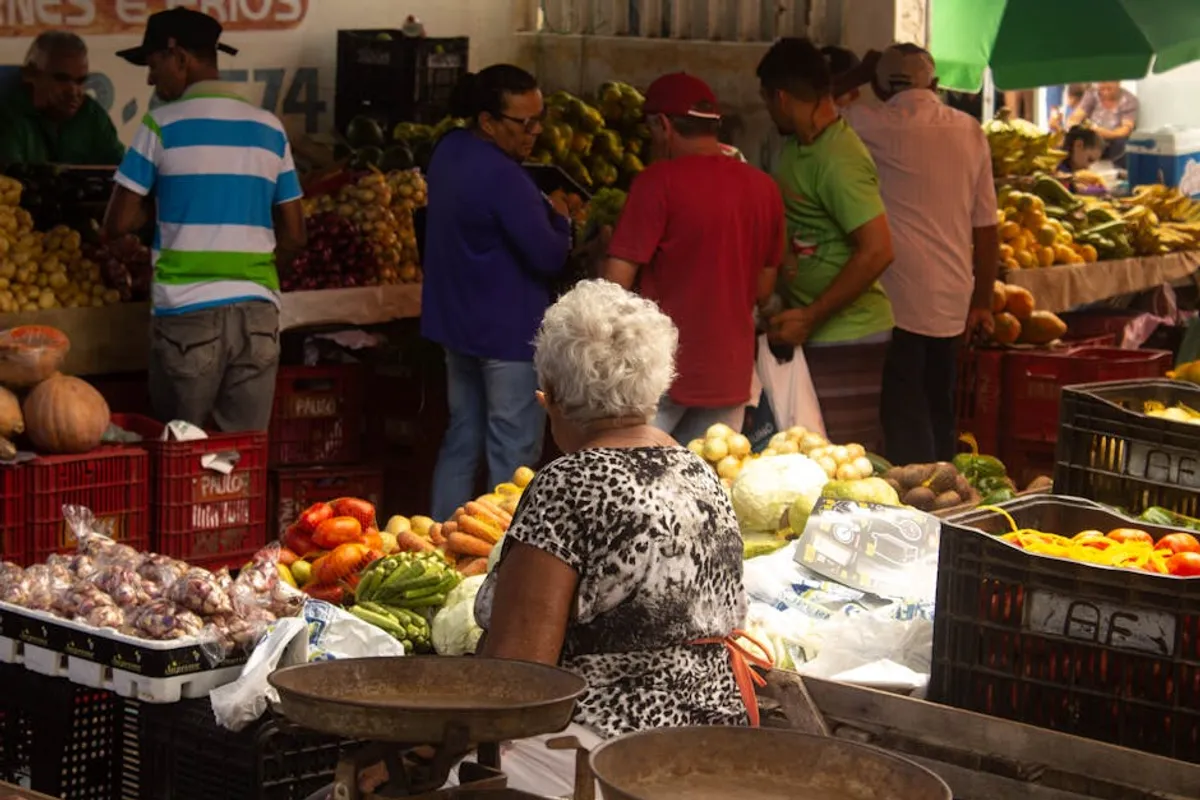
The markets in Cayo Santa María are primarily focused on crafts, souvenirs, and specialty Cuban products (rum, cigars, coffee). Traditional fresh produce or farmer's markets, common in mainland Cuban cities, are not typically found on the resort-centric cayer. Food options within the pueblos are usually limited to cafes, snack bars, or restaurants.