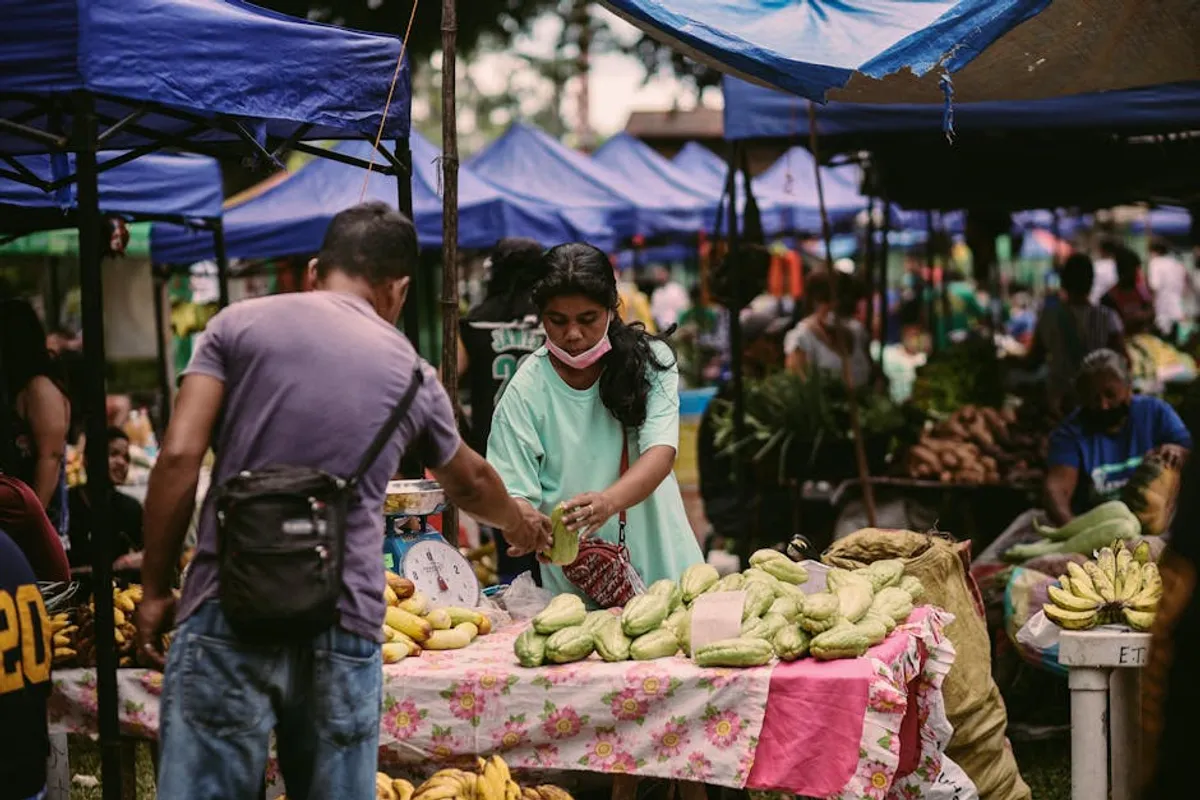
Visiting the local markets in Holguín offers a direct immersion into the city’s daily rhythm and cultural fabric. These aren’t just places to buy goods; they are vibrant social hubs where residents connect, trade, and maintain traditions. For the visitor, navigating these markets means encountering authentic Cuban life, from the fresh produce that fuels local kitchens to handcrafted souvenirs that tell a story. Understanding the distinct offerings and atmospheres of Holguín’s various markets is key to finding exactly what you’re looking for, whether it’s a unique gift, a taste of local flavors, or simply an experience beyond the typical tourist itinerary. This guide aims to help you differentiate between the options, ensuring your market visit is both productive and memorable.
What to Look For in a Holguín Market
When exploring Holguín’s local markets, several factors define the experience and value. Consider these elements to match a market to your specific interests:
- Authenticity and Local Flavor: Markets vary significantly in their focus. Some cater predominantly to locals, offering staple goods and a genuine glimpse into daily life. Others are more geared towards visitors, featuring crafts and souvenirs. Decide if you prioritize local interaction and everyday items or unique mementos.
- Variety of Goods: From fresh fruits and vegetables to intricate artisan crafts, textiles, and even secondhand items, the range of products can differ widely. Identify what you intend to purchase – be it ingredients for a meal, a piece of art, or a gift – to select a market known for that specialty.
- Price Point and Negotiation: Prices often reflect the market’s primary clientele. Markets serving locals typically have fixed, government-regulated prices for produce, while craft markets or those targeting tourists may involve more flexible pricing and the opportunity for polite negotiation. Understanding this dynamic can influence your budget and shopping approach.
- Atmosphere and Experience: Each market possesses a unique ambiance. Some are bustling and chaotic, filled with the sounds of vendors calling out prices and lively chatter. Others might be more subdued, offering a relaxed browsing experience. Consider if you prefer a high-energy environment or a quieter setting.
- Food and Refreshments: Many markets, especially those with a strong local presence, feature street food vendors or small eateries offering traditional Cuban snacks and meals. This can be a significant draw for those looking to sample local cuisine on the go.
- Accessibility and Location: Holguín’s markets are spread across the city. Evaluate their proximity to your accommodation and ease of access via public transport or walking. Central markets are often more convenient, while suburban ones might offer a deeper dive into neighborhood life.
1. Mercado Agropecuario Central
The Mercado Agropecuario Central stands as Holguín’s primary hub for fresh produce and basic foodstuffs. It is a bustling, no-frills market where local farmers bring their harvests directly to consumers. The focus here is strictly on utility and sustenance, providing a vital resource for residents seeking daily provisions. Expect a raw, authentic market experience, characterized by lively interactions between vendors and shoppers, and the earthy aromas of fruits, vegetables, and sometimes meats. This market operates with a clear purpose: to supply the community with essential goods at regulated prices, making it less about souvenirs and more about the pulse of local life.
Best for: Fresh produce, local staples, authentic cultural immersion, budget-conscious shopping.
Pros:
- Offers the widest selection of seasonal fruits, vegetables, and basic food items.
- Provides a genuine glimpse into the daily lives of Holguín residents.
- Prices are typically fixed and affordable, catering to local budgets.
- High turnover ensures freshness of perishable goods.
Cons:
- Limited appeal for tourists seeking crafts, souvenirs, or unique non-food items.
- Can be crowded, noisy, and less organized than tourist-oriented markets.
- Facilities are basic; comfort and amenities are not a priority.
- Language barriers may be more pronounced as vendors primarily serve locals.
Verdict: Essential for those seeking fresh, local ingredients and a deep dive into Holguín’s daily food culture, but not suitable for souvenir hunters or those preferring a curated shopping experience.
2. Feria de Artesanía La Marqueta
Located in a more central, accessible area, Feria de Artesanía La Marqueta serves as Holguín’s premier destination for handcrafted goods and souvenirs. This market is specifically designed to attract visitors, showcasing the artistic talents of local artisans. Stalls are typically well-organized, displaying a variety of items from wood carvings and paintings to handmade jewelry, textiles, and leather goods. The atmosphere is generally more relaxed and inviting than the food markets, encouraging browsing and interaction with the creators. Prices reflect the craftsmanship and are often open to polite negotiation, making it an ideal spot to find unique gifts and mementos of your trip.
Best for: Souvenirs, artisan crafts, unique gifts, cultural artifacts, direct interaction with artists.
Pros:
- Extensive selection of high-quality, handmade Cuban crafts and art.
- Opportunity to purchase directly from the artisans, supporting local talent.
- More comfortable and visitor-friendly environment for browsing.
- Negotiation is often expected, allowing for personalized pricing.
Cons:
- Prices are generally higher than for basic goods, reflecting artistic value.
- Limited selection of fresh food or daily necessities.
- Can feel somewhat tourist-centric, potentially lacking the raw authenticity of local markets.
- Some items may be mass-produced for the tourist market, requiring careful selection for true uniqueness.
Verdict: The definitive choice for visitors looking to purchase authentic Cuban handicrafts and souvenirs, offering a pleasant shopping experience focused on artistry and culture.
3. Mercado de San Isidoro
The Mercado de San Isidoro functions as a multi-purpose neighborhood market, blending elements of a traditional agropecuario with a small selection of household goods and clothing. It caters primarily to the local community in the San Isidoro district, offering convenience for daily shopping needs. While not as large or specialized as the central markets, it provides a practical snapshot of everyday commerce. You'll find a mix of fresh produce, some basic dry goods, and often vendors selling inexpensive clothing, shoes, or small electronics. The atmosphere is decidedly local, less intense than the main agropecuario, but still vibrant with community activity.
Best for: Local neighborhood shopping, basic necessities, a quieter local market experience, finding inexpensive clothing or household items.
Pros:
- Convenient for residents of the San Isidoro area and nearby neighborhoods.
- Offers a balanced mix of produce and non-food items, suitable for daily needs.
- Less crowded and overwhelming than the central market.
- Provides insight into a typical Holguín neighborhood's commercial life.
Cons:
- Limited variety compared to larger, specialized markets.
- Not a primary destination for high-quality crafts or extensive souvenir options.
- Goods are often basic, with few luxury or specialty items.
- May require specific local knowledge to navigate efficiently.
Verdict: A practical choice for experiencing a local neighborhood market and picking up everyday items, but it won't satisfy those seeking extensive variety or unique artisan products.
4. Mercado de Cuadras (Street Vendors along Calle Maceo)
While not a formally designated market, the stretches of Calle Maceo and surrounding side streets often transform into an informal "Mercado de Cuadras" (block market) with numerous street vendors. These vendors typically set up temporary stalls or sell from small carts, offering a diverse array of goods. You might find anything from homemade sweets and snacks to small household items, pirated music, and occasionally unique vintage finds. This spontaneous market experience is highly dynamic, with offerings changing daily based on what vendors have available. It's an excellent place for casual browsing and discovering unexpected items, often at negotiable prices.
Best for: Spontaneous discoveries, street food, inexpensive impulse buys, experiencing urban street commerce.
Pros:
- Highly accessible, integrated into the city's main pedestrian thoroughfares.
- Offers a constantly changing array of unique and often quirky items.
- Excellent for sampling local street food and snacks.
- Provides a lively and authentic urban shopping atmosphere.
Cons:
- Lack of formal structure means consistency of goods is low.
- Quality of items can vary significantly; careful inspection is advised.
- Can be crowded, especially during peak hours.
- Not suitable for large purchases or specific, hard-to-find items.
Verdict: Ideal for adventurous shoppers who enjoy the thrill of discovery and are looking for small, inexpensive items or local snacks while exploring the city center.
5. Pescadería de Holguín (Fish Market)
The Pescadería de Holguín is a specialized market dedicated exclusively to fresh seafood. Located closer to the city's outskirts but still accessible, it serves as the central distribution point for fish and shellfish caught off the Cuban coast. This market is characterized by its early morning activity, as local restaurants and individuals arrive to select the freshest catches. The offerings depend entirely on the day’s fishing, providing a direct link to the island's marine resources. Expect a strong, briny aroma and a focus on efficiency and freshness, rather than aesthetics or variety beyond seafood.
Best for: Fresh fish and seafood, culinary enthusiasts, experiencing a specialized local trade.
Pros:
- Guaranteed access to the freshest possible seafood in Holguín.
- Offers a unique insight into a specific aspect of local commerce and diet.
- Prices are typically competitive for fresh catch.
- Supports local fishermen and the seafood industry.
Cons:
- Very specialized; no other goods are available.
- Can be quite pungent due to the nature of the products.
- Operating hours may be limited, often best to visit early morning.
- Not a tourist destination for general browsing or souvenirs.
Verdict: A must-visit for anyone planning to cook fresh seafood or interested in a highly specialized, authentic local market experience, but not for general shopping.
6. Mercado de Flores (Flower Market)
Holguín’s Mercado de Flores, often found near the city’s main parks or cemeteries, is a vibrant and fragrant oasis. This market specializes in cut flowers, potted plants, and floral arrangements, catering to local celebrations, memorials, and home decoration. It’s a smaller, more aesthetically pleasing market than the agropecuario, characterized by bright colors and sweet scents. Vendors are often knowledgeable about their products and can create custom bouquets. The atmosphere is generally calm and pleasant, offering a serene contrast to the busier food markets.
Best for: Fresh flowers, plants, floral arrangements, a visually appealing market experience.
Pros:
- Offers a beautiful and fragrant shopping environment.
- Provides a wide selection of local and imported flowers and plants.
- Opportunity to purchase unique gifts or adornments.
- Supports local florists and horticulturalists.
Cons:
- Highly specialized; no other types of goods are sold.
- May not be a primary interest for all visitors.
- Some flowers might not travel well for long-term souvenirs.
- Hours can be variable depending on demand and season.
Verdict: A delightful stop for those appreciating botanical beauty or needing flowers for a special occasion, offering a distinct sensory experience away from the hustle of other markets.
7. Tianguis de Ropa Usada (Secondhand Clothing Market)
The Tianguis de Ropa Usada is an informal market dedicated to secondhand clothing and accessories. These markets often emerge in open spaces or designated lots on specific days of the week, drawing a diverse crowd looking for affordable fashion. It’s a treasure hunt environment, where patience can be rewarded with unique vintage finds or practical, low-cost apparel. The quality varies significantly, requiring shoppers to carefully inspect items. This market provides insight into local resourcefulness and the informal economy, offering a stark contrast to retail stores.
Best for: Budget-friendly clothing, unique vintage finds, sustainable shopping, observing local informal commerce.
Pros:
- Extremely affordable prices for clothing and accessories.
- Potential to discover unique or vintage items not found elsewhere.
- Promotes sustainability through reuse.
- Offers a very authentic, unfiltered local shopping experience.
Cons:
- Quality is highly inconsistent; items may be worn or damaged.
- Requires time and effort to sift through large quantities of goods.
- Limited changing facilities, if any.
- Can be crowded and dusty, lacking amenities.
Verdict: An adventurous and economical option for those seeking low-cost clothing or a unique fashion find, but not for shoppers expecting high-quality retail or a comfortable environment.
8. Mercado Artesanal de Guardalavaca
Located in the popular resort area of Guardalavaca, this artisan market caters almost exclusively to international tourists. It’s a smaller, more curated version of the city’s craft fairs, with stalls offering typical Cuban souvenirs such as wooden carvings, straw hats, small paintings, t-shirts, and jewelry. The environment is designed for visitor comfort, often with shaded areas and friendly vendors accustomed to interacting with non-Spanish speakers. While the selection might be less diverse than in Holguín city, it offers convenience for resort guests and a relaxed shopping atmosphere without venturing far.
Best for: Convenient souvenir shopping for resort guests, typical tourist crafts, relaxed browsing near Guardalavaca beaches.
Pros:
- Highly convenient for tourists staying in Guardalavaca.
- Vendors are accustomed to English-speaking customers.
- Offers a focused selection of popular Cuban souvenirs.
- Relaxed, resort-friendly shopping environment.
Cons:
- Less authentic and more commercialized than city markets.
- Prices may be inflated due to the tourist-centric location.
- Limited variety compared to larger artisan markets in Holguín city.
- Lacks the local flavor and daily life immersion of urban markets.
Verdict: An ideal choice for Guardalavaca visitors who want to pick up souvenirs without a trip to Holguín city, prioritizing convenience over deep cultural immersion or unique finds.
9. Mercado de la Plaza de la Revolución (Occasional Market)
The vast open space of the Plaza de la Revolución, while primarily a historical monument, occasionally hosts large-scale temporary markets or fairs. These events are not permanent fixtures but are often set up during national holidays, cultural festivals, or special community events. When active, these markets can be incredibly diverse, featuring a mix of artisan crafts, food stalls, agricultural products, and even entertainment. The scale is typically grand, drawing large crowds and creating a festive atmosphere. Checking local event listings or asking residents about upcoming fairs is essential to catch one of these unique occurrences.
Best for: Special events, large-scale fairs, diverse offerings, festive atmosphere, unique cultural experiences.
Pros:
- Offers a wide array of goods and experiences in one large location.
- Provides a festive and often celebratory atmosphere.
- Opportunity to witness significant local events and gatherings.
- Can feature unique, temporary vendors not found elsewhere.
Cons:
- Not a permanent market; availability is sporadic and unpredictable.
- Requires checking local schedules or asking for information.
- Can be extremely crowded, especially during popular events.
- Logistics for visitors might be more complex due to event-specific arrangements.
Verdict: A unique, occasional opportunity for visitors to experience a large-scale Cuban fair, offering a vibrant mix of goods and culture, but requires planning and luck to coincide with its operation.
10. Mercado de la Juventud
The Mercado de la Juventud, or Youth Market, is an informal gathering point where younger entrepreneurs and artists often sell their creations. This market is less about traditional goods and more about contemporary expressions, often featuring handmade accessories, customized clothing, unique artwork, and sometimes even small tech gadgets or services. It tends to be a more bohemian and casual space, reflecting the creativity and resourcefulness of Holguín's youth. The location can be somewhat fluid, often gravitating towards university areas or cultural centers, making it a dynamic spot for discovering emerging trends and supporting young local talent.
Best for: Contemporary crafts, unique fashion, supporting young artists, modern cultural insights, casual browsing.
Pros:
- Showcases modern Cuban artistic and entrepreneurial talent.
- Offers unique, often trendier items not found in traditional markets.
- Provides a relaxed, youthful atmosphere.
- Directly supports the next generation of local creators.
Cons:
- Offerings can be less traditional and more niche.
- Location and operating hours might be less consistent than formal markets.
- Not suitable for those seeking traditional Cuban souvenirs or basic necessities.
- Prices for handmade items can vary widely based on perceived artistic value.
Verdict: A compelling choice for visitors interested in contemporary Cuban culture, unique fashion, and supporting young local artists, offering a refreshing alternative to more conventional markets.
Choosing the Right Holguín Market for Your Needs
Selecting the best market in Holguín depends entirely on your objectives. If your priority is to stock up on fresh, affordable produce and experience the daily hustle of local life, the Mercado Agropecuario Central is your prime destination. For handcrafted souvenirs and artistic mementos, the Feria de Artesanía La Marqueta offers a concentrated and pleasant shopping experience. Those seeking specific items like fresh seafood or flowers will find dedicated markets serving those needs. If you’re a resort guest in Guardalavaca, the local artisan market provides convenience. For an adventurous and budget-conscious hunt, the secondhand clothing markets or informal street vendors along Calle Maceo offer unique discoveries. Finally, keep an eye out for the occasional large-scale fairs at Plaza de la Revolución or the creative offerings at the Mercado de la Juventud for distinct cultural insights. By aligning your specific interests—whether it’s authenticity, variety, price, or atmosphere—with the characteristics of each market, you can ensure a rewarding and efficient visit.
Frequently Asked Questions About Holguín Markets
Q: Are prices negotiable in Holguín’s markets?
A: In markets focused on fresh produce (agropecuarios), prices are generally fixed and government-regulated. However, in artisan markets, souvenir stalls, and informal street vendor settings, polite negotiation (regateo) is often expected and can lead to a better price, especially if paying in local currency or for multiple items. Always approach negotiation with a friendly and respectful demeanor.
Q: What currency should I use in Holguín markets?
A: While Cuba has a dual currency system, most local markets, especially agropecuarios and street vendors, prefer or only accept Cuban pesos (CUP). Tourist-oriented markets like the Feria de Artesanía might also accept foreign currency (USD, EUR) or cards, but it's always best to have small denominations of CUP for the widest acceptance and often better value.
Q