Navigating the local markets in Santiago de Cuba offers a direct insight into the city’s economic pulse and cultural fabric. For visitors, these markets represent more than just shopping venues; they are dynamic centers for sourcing local produce, handcrafted goods, and experiencing daily life. Understanding the specific focus and operational nuances of each market is key to optimizing any visit, whether for acquiring specific items, observing local commerce, or engaging with vendors. This guide details prominent market options, outlining their distinct characteristics to assist in planning and decision-making.
What to Look For When Choosing a Market
Selecting the most appropriate market in Santiago de Cuba depends on your objectives. Consider the primary types of goods available: some markets specialize in fresh produce and basic foodstuffs, catering to daily needs, while others focus on artisanal crafts, souvenirs, or a broader mix of household items. Evaluate the market’s typical clientele—local-centric markets often offer more authentic pricing and a deeper cultural immersion, whereas tourist-oriented venues might feature more curated selections and higher prices. Accessibility, operating hours, and the overall atmosphere (e.g., bustling and chaotic versus more organized and tranquil) are also practical considerations. Finally, be prepared for cash-only transactions, which are prevalent across many Cuban markets, and understand that bargaining, while not universal, can be a part of the exchange in some contexts.
1. Mercado Agropecuario de Ferreiro
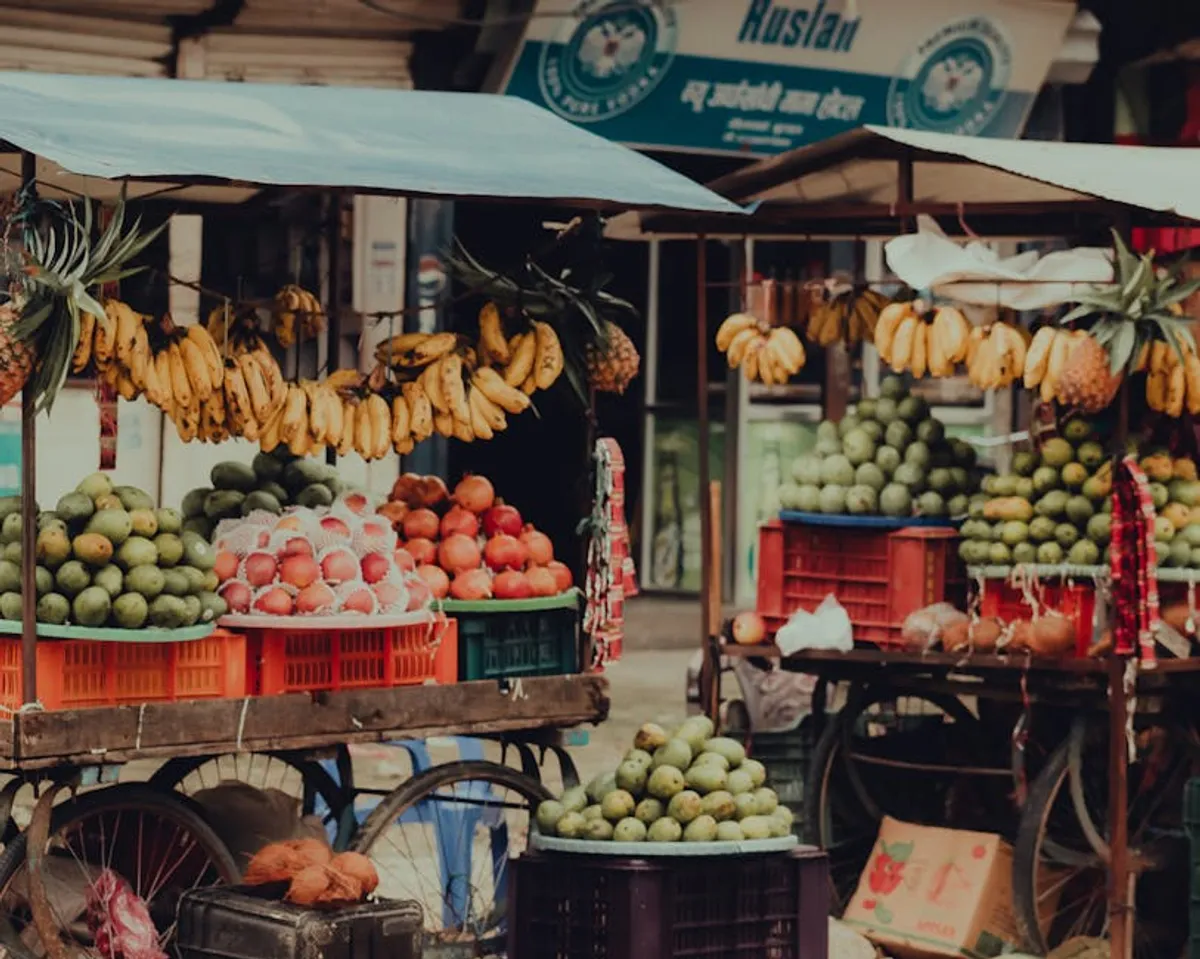
The Mercado Agropecuario de Ferreiro functions as a primary distribution point for agricultural products within the Ferreiro district. It is characterized by its focus on fresh, seasonal produce, including fruits, vegetables, and some root crops, sourced directly from local farms. The market's operational model prioritizes volume and affordability, catering primarily to residents seeking daily provisions. Its layout is functional, designed for efficient commodity exchange rather than aesthetic appeal or tourist engagement.
Best for: Acquiring fresh, seasonal produce at local prices; experiencing a non-tourist-centric Cuban market; understanding the local food supply chain.
Pros: Extensive selection of fruits and vegetables; competitive pricing reflecting local purchasing power; direct interaction with agricultural vendors; central role in the community's food access.
Cons: Limited availability of non-food items or souvenirs; can be crowded, especially during peak morning hours; infrastructure is basic; cash-only transactions are standard.
Verdict: Essential for those needing fresh ingredients or wishing to observe authentic local commerce. Less suitable for souvenir hunters or those seeking a curated shopping experience.
2. Mercado de Cuatro Caminos
Situated in a historically significant and densely populated area, the Mercado de Cuatro Caminos is a sprawling, multi-purpose market. It offers a wide array of goods ranging from agricultural products and basic groceries to clothing, household items, and sometimes electronics. The market’s environment is typically vibrant and bustling, reflecting its role as a central commercial hub for a diverse local clientele. Its informal structure allows for a variety of vendors, from established stalls to independent sellers.
Best for: General shopping for a diverse range of goods; observing a dynamic, large-scale local market; finding everyday items alongside fresh produce.
Pros: Broad product diversity from food to non-food items; central location with good public transport access; lively atmosphere providing cultural immersion; potential for unexpected finds due to varied vendors.
Cons: Can be overwhelming and crowded; quality of non-food items varies significantly; requires navigating through dense foot traffic; security awareness is advisable due to high activity levels.
Verdict: A comprehensive market experience for those who appreciate a bustling environment and a wide, if sometimes inconsistent, selection of goods. Not ideal for those seeking tranquility or highly specialized products.
3. Feria de Artesanía (Plaza de Marte)
The Feria de Artesanía, often found near or at Plaza de Marte, specializes in handcrafted goods and artistic creations. This market serves as a platform for local artisans to showcase and sell their work, including wood carvings, paintings, ceramics, jewelry, and textiles. Unlike agricultural markets, its focus is on cultural expression and souvenir acquisition, attracting both local patrons seeking unique gifts and tourists looking for authentic Cuban craftsmanship. The atmosphere is generally more relaxed and aesthetically oriented.
Best for: Purchasing authentic Cuban souvenirs; supporting local artists and craftspeople; finding unique gifts; experiencing the artistic side of Santiago de Cuba.
Pros: High concentration of handcrafted items; direct interaction with artisans; items often reflect local culture and history; generally cleaner and more organized than food markets.
Cons: Prices are typically higher than agricultural goods; product range is limited to crafts and art; bargaining may be less common or expected than in other markets; selection can be repetitive across stalls.
Verdict: The premier destination for cultural artifacts and artisan products. Essential for souvenir shopping and appreciating local artistic talent, but not for daily provisions.
4. Mercado de la Veguita
Located in the Veguita neighborhood, this agropecuario market primarily serves the surrounding residential areas. Its scale is typically smaller than larger central markets, fostering a more community-oriented feel. Vendors predominantly offer fresh produce, including staple vegetables, fruits, and sometimes small quantities of meat or eggs, depending on local supply chains. The market operates with a strong local focus, emphasizing fresh, direct-from-farm offerings to its immediate community.
Best for: Local residents seeking daily fresh produce; experiencing a neighborhood-level market; observing community-centric commerce.
Pros: Freshness of produce due to short supply chains; generally less crowded than central markets; fosters a sense of local community; provides essential food access for its area.
Cons: Limited variety compared to larger markets; non-food items are scarce; operating hours can be inconsistent; primarily caters to local purchasing habits, not tourist interests.
Verdict: A reliable source for fresh food staples for those in the Veguita area. Offers a quiet, authentic glimpse into daily Cuban life, but lacks broader commercial appeal.
5. Mercado de la Plaza de la Revolución
While not a traditional daily market, the area around Plaza de la Revolución occasionally hosts special events, fairs, or temporary markets, particularly during local festivals or significant dates. These temporary setups might feature a mix of artisanal goods, food stalls with prepared dishes, and sometimes specific agricultural products. Their appearance is intermittent, making them opportunistic rather than regular shopping destinations. The atmosphere is usually festive and geared towards public gatherings.
Best for: Experiencing temporary cultural or festive markets; finding unique items during special events; enjoying a lively, event-driven atmosphere.
Pros: Offers unique, event-specific products; lively and celebratory atmosphere; opportunity to sample local prepared foods; adds a dynamic element to the area during events.
Cons: Not a permanent market; availability is unpredictable and seasonal; product range is highly variable; can be very crowded during popular events.
Verdict: Not a reliable everyday market, but a valuable spot to check for special events and unique, temporary commercial opportunities. Requires prior knowledge of local event schedules.
6. Mercado de San Pedrito
The Mercado de San Pedrito is another neighborhood-focused agropecuario market, serving the San Pedrito community. Its primary function is to provide fresh agricultural products, such as vegetables, fruits, and some root crops, to local households. The market is characterized by its utilitarian approach, prioritizing the efficient distribution of food staples. It operates within the rhythm of local supply and demand, reflecting the everyday needs of its patrons.
Best for: Daily provision shopping for residents; observing the fundamental aspects of local food commerce; accessing fresh, basic agricultural goods.
Pros: Consistent supply of seasonal produce; prices aligned with local economic conditions; supports local agricultural networks; offers a genuine local market experience.
Cons: Very limited non-food selection; infrastructure is basic; can be crowded during peak hours; not designed for tourist appeal or unique finds.
Verdict: A functional and essential market for the San Pedrito neighborhood, providing necessary food staples. Its value lies in its authenticity and utility rather than diverse offerings or aesthetic appeal.
7. Mercado de Vista Alegre
The Mercado de Vista Alegre primarily serves the residential area of Vista Alegre, known for its more suburban character. This market typically offers a selection of fresh produce, including fruits, vegetables, and some basic groceries. While maintaining an agropecuario focus, its slightly more affluent surrounding demographic might occasionally influence the presentation or availability of certain goods, though it remains fundamentally a local food market. The atmosphere is generally less intense than central markets.
Best for: Residents of Vista Alegre for daily food shopping; a slightly calmer market experience compared to downtown; sourcing fresh, local produce.
Pros: Fresh seasonal produce readily available; less overwhelming atmosphere; serves a specific community effectively; supports local food distribution.
Cons: Limited to agricultural products; not a destination for crafts or souvenirs; operating hours may be restricted; public transport access might be less direct than central locations.
Verdict: A solid option for fresh food in the Vista Alegre area, offering a more subdued shopping environment. It fulfills essential local needs without aiming for broader commercial appeal.
8. La Plaza de los Artesanos (potentially near Parque Céspedes)
While "La Plaza de los Artesanos" might not be a fixed, official name, many cities in Cuba feature designated areas or temporary markets for artisans, often near central parks like Parque Céspedes. These locations typically gather several craftspeople selling handmade items such as small sculptures, paintings, textile goods, and souvenirs. The emphasis is on unique, locally made products that reflect Cuban culture and are suitable as gifts or mementos. These spots are usually more tourist-friendly.
Best for: Finding unique, handmade souvenirs and gifts; direct engagement with local artists; a more curated shopping experience for cultural items.
Pros: Focus on authentic Cuban crafts; often located in pleasant, walkable areas; direct support for local artists; good for finding memorable keepsakes.
Cons: Higher prices compared to utility markets; limited to craft items, no food or daily necessities; selection can sometimes overlap between vendors; availability might vary by season or day.
Verdict: An excellent choice for cultural shopping and supporting local artistry. It stands as a distinct alternative to food markets, offering items with artistic and souvenir value.
9. Mercado de Pescado (Fish Market)
Santiago de Cuba, being a coastal city, often has dedicated fish markets or sections within larger markets specializing in seafood. A "Mercado de Pescado" would be the primary location for fresh catches from local fishermen. These markets are characterized by early morning activity, a strong focus on daily availability, and the specific types of fish and seafood common to the Caribbean. The environment is utilitarian, prioritizing rapid sale and freshness.
Best for: Sourcing fresh, locally caught seafood; understanding the local fishing industry; an early morning market experience focused on marine products.
Pros: Guaranteed fresh seafood direct from the catch; competitive pricing for marine products; unique opportunity to observe local fishing commerce; supports local fishermen.
Cons: Limited to seafood, no other product types; strong odors are typical; very early operating hours often required for best selection; basic sanitary conditions are common.
Verdict: Indispensable for acquiring fresh seafood, offering a direct link to the city's coastal resources. Not a general market, but a specialized destination for specific culinary needs.
10. Mercado de la Carretera del Morro
Located along the route to El Morro Castle, this market, if present, would likely cater to both local residents and visitors heading towards the historic site. Its offerings might include a mix of fresh produce for locals, alongside some craft items or small souvenirs for tourists. The location suggests a potential blend of daily necessities and items with visitor appeal, though the primary focus would still lean towards local needs due to the surrounding communities. The market benefits from some tourist traffic.
Best for: A convenient stop for locals and tourists along the Morro route; a potential mix of basic goods and small souvenirs; experiencing a market with mixed clientele.
Pros: Accessible location for those visiting El Morro; possible dual offerings for locals and tourists; less dense than central markets; potential for fresh local snacks.
Cons: Product range might be less specialized than dedicated markets; prices could be slightly inflated due to tourist proximity; variable quality of non-food items; not a major destination in itself.
Verdict: A practical market for those in the vicinity, offering a convenient blend of local provisions and minor tourist items. Its strength is its location rather than extensive specialization.
11. Mercado de Boniato
The Mercado de Boniato, situated in the Boniato area, would function as a local agropecuario market. Its primary role is to serve the immediate community with fresh agricultural products, including staple vegetables, fruits, and possibly some small livestock products. The market operates on principles of local supply and demand, providing essential goods at prices accessible to residents. Its character is functional and community-focused, without significant tourist infrastructure.
Best for: Residents of Boniato seeking daily food provisions; an authentic, non-touristy market experience; sourcing fresh, locally grown produce.
Pros: Reliable source of fresh seasonal produce; prices are locally calibrated; direct support for regional agriculture; provides a genuine glimpse into local daily life.
Cons: Limited product diversity, primarily food; not a destination for crafts or souvenirs; basic facilities; public transport might require planning.
Verdict: A vital community market for the Boniato area, ensuring access to fresh food. Its value is in its utility and authenticity for local patrons.
12. Mercado de la Alameda (potentially near the port)
A "Mercado de la Alameda" would likely be situated near the Alameda, or waterfront promenade, potentially benefiting from both local foot traffic and visitors exploring the port area. Such a market might offer a blend of fresh produce and possibly some small crafts or refreshments, catering to a mixed audience. The proximity to the port could also influence the availability of certain goods, such as specialized seafood or items related to maritime activities. Its atmosphere would be influenced by its scenic location.
Best for: A pleasant market visit near the waterfront; a potential mix of local goods and visitor-friendly items; enjoying a market with a scenic backdrop.
Pros: Attractive location near the port and promenade; potential for diverse offerings including fresh food and small items; pleasant atmosphere for strolling; good for combining with other waterfront activities.
Cons: Selection might be less extensive than larger markets; prices could reflect the more scenic location; can be affected by weather conditions; not a primary source for highly specialized goods.
Verdict: Offers a convenient and enjoyable market experience, especially for those exploring the waterfront. It balances local utility with a more visitor-friendly ambiance.
Choosing the Right Market for Your Needs
The selection of a market in Santiago de Cuba should align directly with your specific needs. If your objective is to procure fresh, local ingredients for cooking, prioritize the "Mercado Agropecuario" types, such as those in Ferreiro or Veguita, which offer direct access to seasonal produce at local prices. For unique handcrafted items, souvenirs, or cultural artifacts, the "Feria de Artesanía" or similar artisan plazas are the definitive choice. If you seek a comprehensive local experience that includes a wide variety of goods from food to household items, the larger, bustling markets like Cuatro Caminos provide that immersion. Consider the time of day, as early mornings often yield the freshest produce and fewer crowds in food markets, while artisan markets might have more consistent hours. Always carry sufficient local currency (CUP or MLC, depending on the vendor and product) and be prepared for cash-only transactions. Engage respectfully with vendors; while aggressive bargaining is not a universal practice, polite inquiries about prices are common. Understanding these distinctions ensures a more productive and culturally enriching market visit.
Frequently Asked Questions About Santiago de Cuba Markets
What currency is accepted in Santiago de Cuba markets?
Most local markets primarily accept Cuban pesos (CUP). Some vendors, especially in more tourist-oriented areas or for higher-value goods, might accept MLC (Moneda Libremente Convertible) or even foreign currency, but CUP is the most common and often preferred for daily transactions.
Is bargaining common in these markets?
Bargaining is more common in artisan and souvenir markets than in agropecuario (food) markets, where prices are often fixed. When purchasing crafts, a polite inquiry about the "best price" or a slight negotiation is generally acceptable, but it should be done respectfully.
What are the typical operating hours for markets?
Agricultural markets often open early, around 7:00 AM or 8:00 AM, and may close by early afternoon, particularly once their fresh produce sells out. Artisan markets might have longer hours, often from late morning until early evening. Specific hours can vary, so it's advisable to check locally.
Are the markets safe to visit?
Santiago de Cuba markets are generally safe. However, like any crowded public space, it's prudent to be aware of your surroundings, keep valuables secure, and avoid displaying large sums of cash. Petty theft can occur in very crowded areas.
Can I find organic produce in Santiago de Cuba markets?
While not explicitly labeled "organic" as in Western markets, much of the produce sold in local agropecuario markets is grown using traditional methods with minimal chemical intervention due to economic factors and local farming practices. Direct questions to vendors can sometimes provide more insight into their cultivation methods.