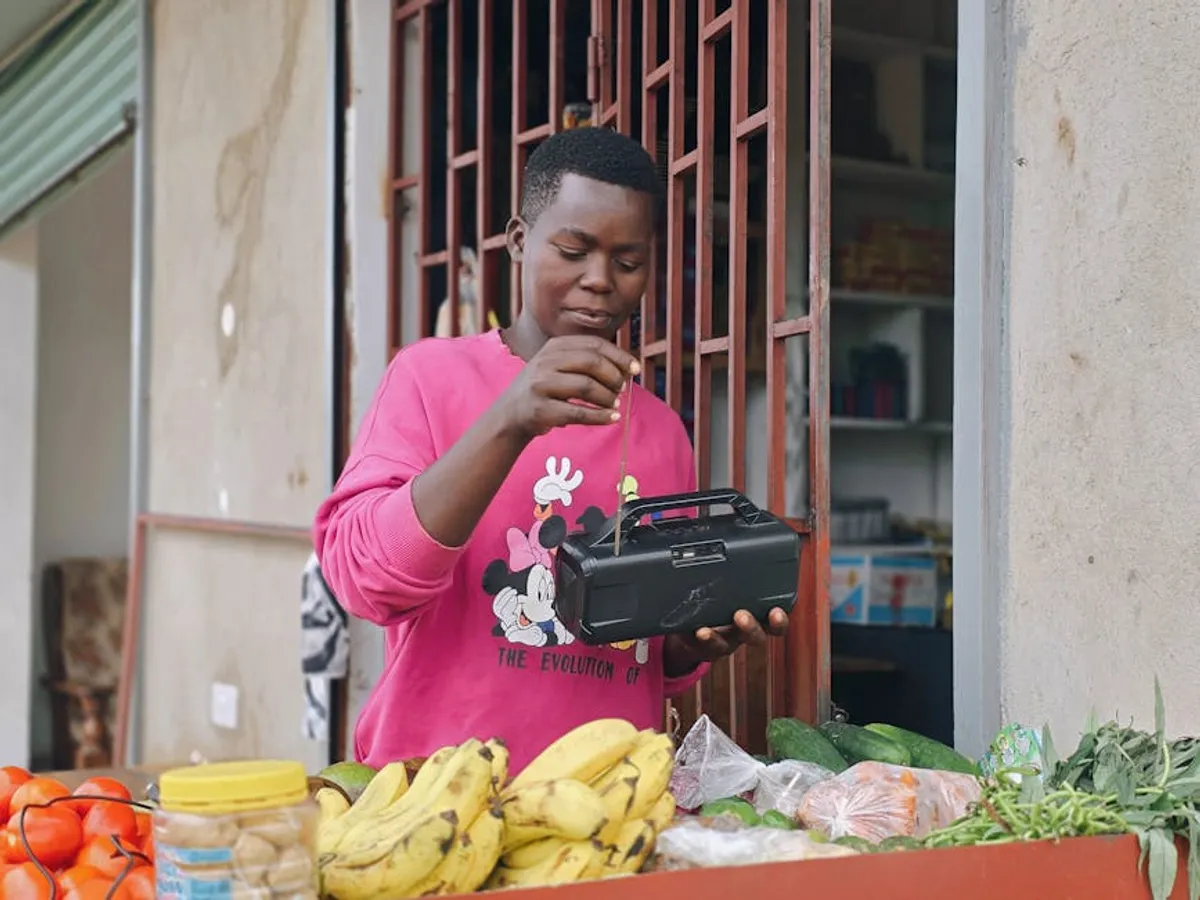
Viñales, with its dramatic mogotes and fertile valleys, offers more than just stunning landscapes; it presents a vibrant tapestry of local commerce through its various markets. For visitors seeking authentic experiences and tangible connections to Cuban culture, navigating these local markets is essential. They are not merely places to transact; they are social hubs, economic arteries, and direct windows into the daily lives and agricultural traditions of the region. Understanding the distinct character of each market type allows for more targeted exploration, whether the goal is to procure fresh, organic produce, find unique artisanal crafts, or source the renowned local tobacco and coffee directly from producers. This guide details the prominent market options in Viñales, providing specific insights to inform your choices and enhance your engagement with the local economy.
What to Look For in a Viñales Market
Before exploring specific market options, consider what defines a valuable market experience in Viñales. Authenticity is paramount; seek out venues where goods are genuinely local, produced or crafted within the region. Variety in offerings ensures a broader selection, from agricultural staples to unique souvenirs. Pricing transparency, while sometimes fluid due to local customs, provides a baseline for fair transactions. Direct interaction with vendors, often the producers themselves, offers invaluable cultural exchange and insights into their craft or cultivation methods. Finally, the atmosphere of a market—its energy, sounds, and smells—contributes significantly to the overall experience, reflecting the community's spirit. Prioritize markets that align with your specific interests, whether that's culinary exploration, souvenir hunting, or a deeper dive into local production.
1. Mercado Agropecuario Central de Viñales
This is Viñales' primary agricultural market, serving as a central hub for local farmers to sell their produce directly to residents and paladares. It operates with a focus on essential foodstuffs, including a wide array of fruits, vegetables, root crops, and sometimes fresh meats. The market’s structure is functional, prioritizing utility over aesthetics, reflecting its role as a vital food source for the community. Transactions here are typically in Cuban pesos (CUP), catering mainly to the local population, though visitors are welcome.
Best for: Sourcing fresh, seasonal produce, understanding local dietary staples, and experiencing a genuine community market environment.
Pros:
- Direct access to a comprehensive selection of local, often organic, fruits and vegetables.
- Prices are generally lower than tourist-oriented vendors due to its local focus.
- Offers a clear snapshot of Viñales' agricultural output and local food culture.
- Opportunity for direct, authentic interaction with local farmers.
Cons:
- Limited appeal for souvenir hunters or those seeking crafts.
- Operating hours can be inconsistent, often busiest in the early mornings.
- Language barriers may be more pronounced as vendors are less accustomed to tourists.
- Infrastructure is basic; not designed for a "shopping experience."
Verdict: Essential for visitors prioritizing fresh ingredients or a deep dive into local food systems. Its value lies in its unvarnished authenticity and direct connection to Viñales' agricultural heartland, rather than its tourist amenities.
2. Feria de Artesanía Local "El Mogote"
Positioned to attract the tourist demographic, this craft fair gathers local artisans under a semi-organized structure, often near the town center or prominent tourist routes. Vendors display handmade items ranging from small wooden carvings and painted gourds to woven textiles and jewelry crafted from natural materials. The focus is on unique, locally inspired souvenirs that reflect the region's natural beauty and cultural motifs. Prices are typically negotiable, and vendors are accustomed to dealing with international visitors.
Best for: Finding unique, handcrafted souvenirs and gifts that capture the essence of Viñales.
Pros:
- Concentrated selection of diverse local crafts, ideal for souvenir shopping.
- Opportunity to meet the artisans and learn about their creative processes.
- Vendors are generally more conversant in English and experienced with tourist transactions.
- Supports local artists directly, contributing to the creative economy.
Cons:
- Prices are often higher than in less tourist-focused venues.
- Some items may lack distinctiveness, being mass-produced for the tourist market.
- Bargaining is expected, which can be uncomfortable for some visitors.
- Limited selection of non-craft items, such as food or produce.
Verdict: A convenient and engaging stop for visitors specifically seeking artisanal mementos. Its strength lies in its curated collection of local art and the direct artisan-to-buyer connection.
3. Puntos de Venta de Tabaco Artesanal
These are not a single market but rather a network of small, often informal, sales points typically found on working tobacco farms or adjacent to them. Farmers or their families sell cigars rolled directly from their own harvests, offering a unique opportunity to purchase authentic Viñales tobacco. These points often include demonstrations of the cigar-rolling process, providing educational context to the purchase. The experience emphasizes direct-from-producer authenticity, bypassing commercial distributors.
Best for: Purchasing authentic, farm-fresh cigars directly from the growers and gaining insight into tobacco cultivation.
Pros:
- Guaranteed authenticity of tobacco, often rolled on-site.
- Direct interaction with farmers provides educational value about tobacco growing and processing.
- Potentially better value than state-run shops, though prices vary by farm.
- Supports local agricultural families directly.
Cons:
- Quality can vary between farms, requiring some discernment.
- Selection is limited to the farm's own production, usually focusing on a few types.
- Location can be remote, requiring transport to reach individual farms.
- Informal nature means no official receipts or guarantees.
Verdict: Indispensable for cigar aficionados and those seeking a deep dive into Viñales' most famous crop. The experience is as much about the education and direct connection as it is about the product itself.
4. Tiendas Campesinas y Puestos de Carretera
These are small, often family-run roadside stands and mini-shops scattered along the roads leading into and out of Viñales, as well as on paths within the valley. They typically sell a mix of fresh produce (often from their own gardens), homemade preserves, honey, local coffee, and sometimes small craft items. Their appeal lies in their spontaneity and the personal touch of the vendors, who are often residents of the surrounding countryside. These points offer an informal glimpse into rural commerce.
Best for: Discovering unexpected local treats, supporting individual rural families, and experiencing spontaneous roadside commerce.
Pros:
- Offers a very local and often spontaneous shopping experience.
- Goods are typically very fresh and directly from the producer.
- Opportunity for unique finds, such as specific local honeys or preserves.
- Directly supports small-scale rural entrepreneurs.
Cons:
- Selection is highly variable and depends on the season and individual vendor.
- Locations can be spread out, requiring exploration to find.
- Pricing may be less standardized than in more formal markets.
- Limited accessibility for those without personal transport or tours.
Verdict: Ideal for adventurous visitors who enjoy serendipitous discoveries and engaging with the less formal side of Viñales' local economy. Their charm is in their unpredictability and directness.
5. Mercado de Alimentos Frescos del Campesino
Distinct from the central agropecuario, this market type refers to smaller, often pop-up, gatherings where a few farmers might pool their produce for a specific day or time, typically in residential areas or less central spots. The focus is exclusively on fresh food items, emphasizing direct-from-farm sales with minimal intermediaries. These markets are less about volume and more about freshness and community service, often appearing when harvests are particularly abundant. They are largely cash-only and cater to immediate local needs.
Best for: Hyper-local food sourcing, experiencing community-centric food distribution, and finding peak-season specialty items.
Pros:
- Extremely fresh produce, often harvested just hours before sale.
- Strong community feel, as neighbors gather to buy and socialize.
- Prices are typically very competitive, reflecting direct farmer-to-consumer sales.
- Chance to discover specific local varietals not found elsewhere.
Cons:
- Highly irregular schedule and location, difficult for tourists to track.
- Very limited selection, focused on what's currently in season and available.
- Minimal infrastructure or tourist amenities.
- Requires local knowledge or significant luck to encounter.
Verdict: A hidden gem for those deeply interested in local food systems and willing to seek out an authentic, unadvertised market experience. Requires flexibility and an exploratory mindset.
6. Bazar de Souvenirs "Valle Encantado"
This type of market, whether a dedicated building or a cluster of permanent stalls, specializes in items explicitly designed for tourists. While some items may be locally made, the emphasis is on souvenirs, gifts, and general tourist merchandise rather than agricultural products or daily necessities. Expect to find items like t-shirts, magnets, mass-produced carvings, and a wider range of generic Cuban souvenirs. These bazaars are typically located in high-traffic tourist areas within Viñales town.
Best for: Quick and convenient souvenir shopping, finding a broad range of general tourist items, and gifts for a wider audience.
Pros:
- Wide variety of souvenir options in one concentrated location.
- Conveniently located and easily accessible for most visitors.
- Vendors are highly accustomed to tourist interactions and various currencies.
- Offers a comfortable and familiar shopping environment.
Cons:
- Less emphasis on unique, handcrafted, or truly local items.
- Prices can be inflated due to the tourist focus; bargaining is often necessary.
- Goods may be sourced from outside Viñales, reducing local authenticity.
- Lacks the authentic local market atmosphere of food or craft fairs.
Verdict: A practical option for efficient souvenir acquisition, particularly for those with limited time or specific gift lists. Its commercial focus means less cultural immersion but higher convenience for tourist-specific purchases.
7. Mini-Mercados de Barrio
These are small, neighborhood-level stores or permanent stalls that serve the immediate needs of a residential area. They stock a limited range of basic groceries, household items, and sometimes a small selection of fresh produce or snacks. While not "markets" in the traditional sense of a gathering of vendors, they function as essential local commerce points. They are typically unadvertised and integrated into residential blocks, offering a glimpse into daily Cuban life beyond the tourist facade.
Best for: Observing everyday local commerce, picking up basic necessities, or experiencing a neighborhood-level shopping interaction.
Pros:
- Provides an authentic look at local neighborhood life and commerce.
- Convenient for residents to grab daily essentials.
- Prices are typically fixed and geared towards the local economy.
- Opportunity for brief, genuine interactions with local residents.
Cons:
- Very limited selection of goods, not suitable for comprehensive shopping.
- Not designed for tourists; little in the way of souvenirs or specialty items.
- May have inconsistent stock due to supply chain challenges.
- Language barriers can be more prevalent.
Verdict: Not a primary destination for tourists, but valuable for those seeking an unvarnished view of local daily life and the practicalities of neighborhood commerce. Offers a quiet contrast to more bustling market types.
8. Puestos de Comida Callejera
Street food stalls are a ubiquitous feature of Cuban towns, and Viñales is no exception. These are informal, often mobile, setups where vendors prepare and sell quick, affordable meals and snacks. Offerings typically include fried dough (churros, buñuelos), sandwiches, fruit juices, and sometimes more substantial dishes like roasted pork or rice and beans. These stalls are clustered in busy areas, particularly around the town square or bus stops, providing convenient and budget-friendly sustenance.
Best for: Experiencing authentic Cuban street food, quick and affordable meals, and observing local culinary traditions.
Pros:
- Offers a wide variety of local snacks and quick meals at very low prices.
- Provides an immediate immersion into local culinary culture.
- Convenient for on-the-go eating and experiencing the town's pulse.
- Supports small-scale food entrepreneurs directly.
Cons:
- Hygiene standards can vary, requiring discretion.
- Limited seating or amenities; often designed for grab-and-go.
- Selection is typically focused on a few specific items per vendor.
- Not a place for purchasing goods to take home, beyond immediate consumption.
Verdict: An essential experience for any visitor looking to taste Viñales' everyday flavors and engage with its vibrant street life. Prioritize stalls with visible food preparation and high turnover for freshness.
9. Cooperativa de Café "La Colina" (Example Name)
While a specific "coffee market" might not exist as a standalone entity, Viñales has numerous small coffee cooperatives or individual farms that function as direct sales points for their roasted coffee beans. These operations, often found in the surrounding hills, allow visitors to purchase freshly processed coffee, sometimes after a tour of the plantations and a demonstration of the roasting process. The emphasis is on high-quality, locally grown coffee, often organic, and the experience of buying directly from the source.
Best for: Acquiring premium local coffee, learning about coffee cultivation and processing, and supporting small-scale coffee farmers.
Pros:
- Guaranteed fresh, locally grown, and often organic coffee.
- Educational opportunity to learn about the coffee production cycle.
- Directly supports the livelihoods of local coffee growers.
- Unique souvenir for coffee enthusiasts.
Cons:
- Requires transport to reach farms/cooperatives outside the town center.
- Selection is limited to the specific cooperative's production.
- Prices may be higher than generic coffee due to quality and direct sales.
- Not a multi-vendor market, but a single point of sale.
Verdict: A must-visit for coffee lovers seeking an authentic, high-quality product and a deeper understanding of Viñales' coffee culture. The experience transcends a simple purchase, offering significant educational value.
10. Mercado de Productos Naturales y Remedios
This market type is less about a fixed location and more about specialized vendors who might appear at the central agropecuario or have small, dedicated stalls. They offer a range of traditional Cuban natural products, including medicinal herbs, artisanal soaps, homemade remedies, and natural cosmetics. These products often draw on local flora and traditional knowledge, providing an alternative to conventional goods. The focus is on holistic health and local, sustainable practices.
Best for: Exploring traditional Cuban medicine, finding unique natural products, and supporting vendors specializing in herbal remedies.
Pros:
- Access to unique, traditional Cuban natural products and remedies.
- Opportunity to learn about local herbal traditions and their uses.
- Supports small-scale producers focused on natural and sustainable goods.
- Offers distinct souvenirs not found in typical tourist shops.
Cons:
- Availability is often inconsistent and highly specialized.
- Requires some knowledge or willingness to inquire about product uses.
- Not a primary market for general shopping; highly niche.
- Language barriers can be challenging when discussing complex remedies.
Verdict: A fascinating niche for visitors interested in ethnobotany, traditional medicine, or unique, natural wellness products. Patience and curiosity are key to navigating these specialized offerings.
11. Vendedores Ambulantes de Dulces y Frituras
These are mobile street vendors who push carts or carry baskets, selling a limited range of specific items like homemade sweets (dulces caseros), roasted peanuts (maní), fried plantain chips (mariquitas), or other small fried snacks (frituras). They move through residential areas, tourist zones, and public spaces, announcing their wares. Their presence is an integral part of the streetscape, offering convenient and often nostalgic treats to locals and visitors alike.
Best for: Quick, authentic Cuban sweet and savory snacks, experiencing local street culture, and spontaneous treats.
Pros:
- Highly convenient, as vendors come to you in various locations.
- Offers classic Cuban street snacks at very affordable prices.
- Provides a direct, informal interaction with local vendors.
- Essential for experiencing the ambient sounds and flavors of Viñales.
Cons:
- Limited selection, typically only one or two specific items per vendor.
- Hygiene standards are informal, as expected with street food.
- Availability is sporadic, depending on the vendor's route and schedule.
- Not suitable for purchasing larger quantities or diverse items.
Verdict: A charming and essential part of the Viñales experience for those seeking immediate gratification and a taste of everyday Cuban life. Embrace the spontaneity and enjoy the simple, traditional flavors.
12. Galería Taller del Artesano
While not a market in the traditional sense, these artisan workshops and galleries often function as direct sales points for the artists' creations. They offer a more curated and often higher-quality selection of crafts than a general souvenir bazaar, focusing on fine art, sculptures, specialized pottery, or unique hand-painted items. Visitors can often observe the artists at work, providing insight into the creative process. These venues are typically found in or near the main town, often with clear signage.
Best for: Acquiring high-quality, unique art and craft pieces, direct engagement with local artists, and supporting individual creative endeavors.
Pros:
- Access to unique, often one-of-a-kind, artisanal creations.
- Opportunity to meet and interact with the artist directly.
- Higher quality and craftsmanship compared to mass-produced souvenirs.
- Supports the individual artistic community of Viñales.
Cons:
- Prices are generally higher, reflecting the artistic value and individual craftsmanship.
- Selection is limited to the specific artist's style and medium.
- Not a multi-vendor market, but a dedicated single-artist space.
- Less emphasis on bargaining, as items are often priced as art.
Verdict: Ideal for discerning buyers seeking investment-worthy art pieces or truly unique, high-quality souvenirs. The value here is in the artistic merit and the direct connection to the creator.
Choosing the Right Viñales Market for Your Needs
Selecting the optimal market in Viñales depends directly on your objectives. For fresh produce and an authentic local food experience, prioritize the Mercado Agropecuario Central or seek out the more elusive Mercados de Alimentos Frescos del Campesino. If your primary goal is souvenir hunting, the Feria de Artesanía Local "El Mogote" or the Bazar de Souvenirs "Valle Encantado" offer concentrated options. For those interested in Viñales' signature products, direct visits to Puntos de Venta de Tabaco Artesanal or a Cooperativa de Café provide both product and educational value. Street food vendors offer quick culinary immersion, while artisan galleries cater to higher-end craft purchases. Consider the time of day, as agricultural markets are busiest in the mornings, and craft fairs may extend into the afternoon. Always carry sufficient cash in local currency (CUP) for most transactions, especially in less tourist-focused venues.
Frequently Asked Questions About Viñales Markets
What currency should I use in Viñales markets?
The Cuban peso