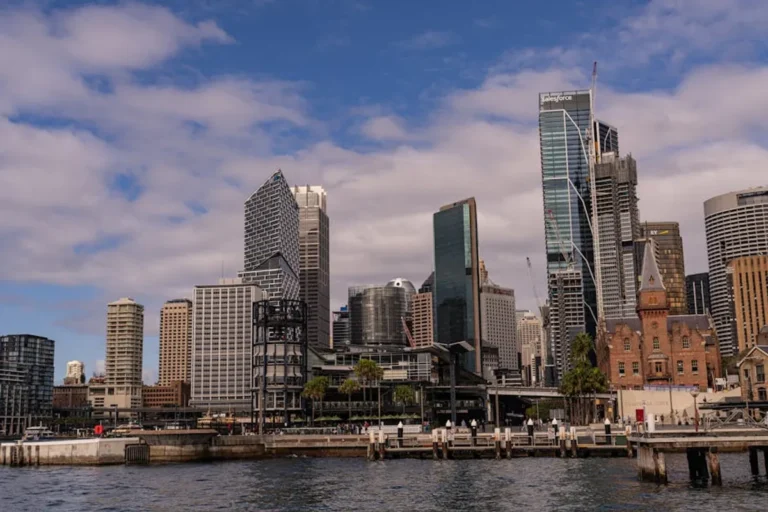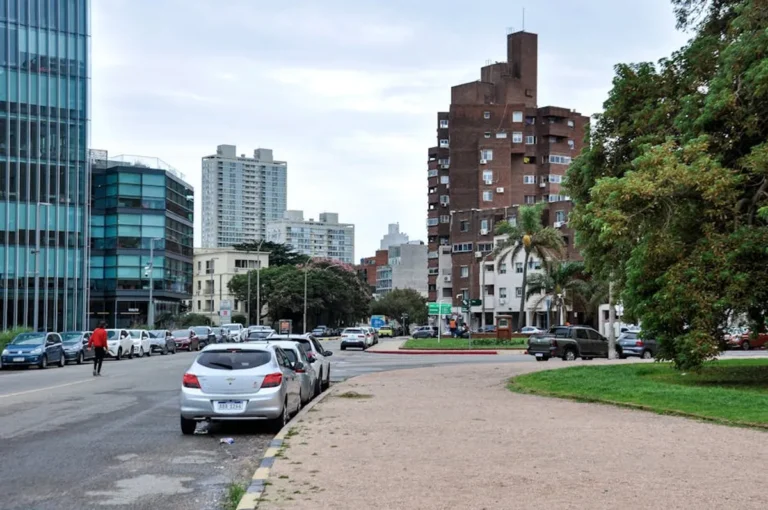
Cienfuegos, often called the "Pearl of the South," presents a unique visual narrative for photographers. Its French-influenced architecture, tranquil bay, and surrounding natural landscapes offer a diverse palette for capturing compelling images. This guide details the standout locations, providing practical insights for optimizing your photographic expeditions in the city and its immediate environs.
What to Look For in a Photography Spot
When selecting photography locations in Cienfuegos, consider several key factors to maximize your output. First, assess the light: morning light often provides soft, warm tones ideal for architectural details, while late afternoon offers dramatic shadows and golden hour potential over the bay. Second, evaluate compositional elements; look for leading lines, natural frames, and interesting foregrounds that enhance depth and visual interest. Third, consider the subject matter—whether you prioritize historical architecture, vibrant street life, serene natural landscapes, or cultural moments. Accessibility and potential crowd levels are also critical; some popular spots can be challenging to photograph without people during peak hours, necessitating early starts or creative framing. Finally, identify unique features that differentiate one location from another, ensuring your portfolio showcases the distinct character of Cienfuegos rather than generic travel imagery.
1. Parque José Martí
The central square of Cienfuegos, Parque José Martí, serves as the architectural and social heart of the city. Surrounded by significant historical buildings, including the Government Palace, the Cathedral of Our Lady of the Immaculate Conception, and the Teatro Tomás Terry, it offers a concentrated area for capturing colonial grandeur. The park itself is meticulously maintained, featuring a triumphal arch, a statue of José Martí, and mature trees that cast intricate shadows. This location is particularly effective for wide-angle shots that encompass multiple architectural styles, as well as detailed close-ups of facades and decorative elements. The interplay of light on the pastel-colored buildings changes throughout the day, providing varied photographic opportunities.
Best for: Architectural photography, historical context, wide-angle cityscapes, street portraits with a classic backdrop.
Pros: Central location, high concentration of historically significant buildings, well-maintained public space, accessible for various angles.
Cons: Can be crowded during peak tourist hours, requiring patience or early morning visits for unobstructed shots. Direct midday sun can create harsh contrasts on facades.
Verdict: An essential starting point for any Cienfuegos photography portfolio, offering a rich tapestry of history and architecture. Prioritize early morning light for optimal results.
2. Paseo del Prado
Stretching for nearly two kilometers, the Paseo del Prado is Cienfuegos' principal promenade and reportedly the longest in Cuba. This wide, tree-lined avenue is flanked by a mix of neoclassical and eclectic residential buildings, many featuring ornate balconies and vibrant paintwork. The promenade culminates at the Malecón, linking the city's urban core with its waterfront. Photographically, it provides excellent opportunities for capturing the rhythm of local life, from residents strolling to children playing. The uniform row of statues of lions adds a distinct aesthetic element, guiding the eye down the avenue. Its length allows for diverse perspectives, from wide shots encompassing the full streetscape to tighter compositions focusing on individual architectural details or street scenes.
Best for: Street photography, architectural studies of residential buildings, capturing local daily life, long perspective shots.
Pros: Extensive length offers varied backdrops, consistent architectural style, less congested than the central park, provides a sense of local movement.
Cons: Some sections may have less visual interest than others. Can be challenging to avoid modern vehicles in wide shots if aiming for a purely historical feel.
Verdict: Ideal for photographers seeking to document the authentic atmosphere of Cienfuegos beyond its main square. Focus on human elements and the unique lion statues.
3. Malecón de Cienfuegos
The Cienfuegos Malecón offers a distinct character compared to Havana's famous seawall, providing expansive views of Jagua Bay. This waterfront promenade is a prime location for capturing sunsets, with the sun dipping below the horizon across the bay, casting warm hues over the water and the city skyline. Beyond sunsets, the Malecón is a hub of local activity: fishermen casting lines, couples walking, and children playing. The calm waters of the bay often reflect the sky, creating opportunities for striking landscape compositions. The presence of colorful fishing boats and distant industrial elements adds layers of visual interest, juxtaposing nature with human activity.
Best for: Sunset photography, waterscapes, candid street photography of local life, reflective compositions.
Pros: Consistent source of compelling light during golden hour, dynamic human activity, unobstructed bay views, accessible for long exposures.
Cons: Can become very crowded at sunset, making tripod setup and clear shots difficult. Artificial lighting after dark can be inconsistent.
Verdict: A must-visit for capturing Cienfuegos' iconic waterfront and vibrant local culture, especially during the magic hour. Arrive early for prime sunset positions.
4. Palacio de Valle
Located in the Punta Gorda district, the Palacio de Valle is an architectural marvel, showcasing a lavish blend of Gothic, Romanesque, Baroque, and Mudejar styles. Built in the early 20th century, its intricate details, minarets, and domes make it a highly photogenic subject. The palace's position on the tip of Punta Gorda provides stunning views of Jagua Bay, particularly from its rooftop terrace. Photographers can focus on the elaborate exterior ornamentation, the vibrant tile work, and the unique silhouettes against the sky. Interiors, while accessible, require careful exposure management due to varying light conditions, but offer rich textures and historical ambiance.
Best for: Architectural detail, unique cultural fusion, panoramic bay views, dramatic silhouettes.
Pros: Visually distinct from other Cienfuegos architecture, offers both exterior and interior photographic opportunities, excellent vantage point for bay landscapes.
Cons: Entry fee applies for access to the rooftop and some interior areas. Can be challenging to capture the entire structure without distortion due to its intricate design and surrounding features.
Verdict: A highlight for architectural and detail-oriented photographers. Plan for various lenses to capture both wide views and intricate elements.
5. Jardín Botánico de Cienfuegos
Established in 1901, the Jardín Botánico de Cienfuegos is one of the oldest botanical gardens in Cuba, spanning 97 hectares. It boasts an impressive collection of tropical and subtropical plants, including a significant variety of palms, orchids, and bamboos. This location offers a stark contrast to the urban settings of central Cienfuegos, providing lush green backdrops and opportunities for macro photography. Pathways wind through dense foliage, creating natural leading lines and framing devices. The interplay of light filtering through the canopy offers dynamic lighting conditions, ideal for capturing textures, colors, and the intricate details of plant life. It’s a tranquil escape for nature photographers.
Best for: Nature photography, macro photography, botanical studies, tranquil landscapes, abstract patterns in foliage.
Pros: Vast collection of diverse plant species, peaceful environment, excellent for detail shots, natural lighting opportunities.
Cons: Located a short drive outside the city, requiring transportation. Some areas might be less maintained than others, affecting compositional cleanliness. Can be humid.
Verdict: Essential for nature and macro photographers. Allocate ample time to explore and discover hidden botanical treasures.
6. Teatro Tomás Terry
An architectural jewel completed in 1890, the Teatro Tomás Terry is a grand neoclassical theater located on Parque José Martí. Its façade, adorned with Italian marble and intricate carvings, provides a rich subject for exterior shots. However, the true photographic potential lies within its opulent interiors. The horseshoe-shaped auditorium, with its three tiers of balconies, hand-painted ceiling frescoes, and velvet seating, offers a glimpse into Cuba's theatrical past. Capturing the interplay of light on the gilded details, the sweeping curves of the balconies, and the overall grandeur requires careful exposure and composition. Access to the stage or backstage areas can provide unique perspectives.
Best for: Interior architectural photography, historical documentation, capturing opulent details, cultural venue photography.
Pros: Exceptionally preserved historical interior, rich textures and colors, unique lighting conditions from natural and artificial sources.
Cons: Flash photography may be restricted in some areas. Tripods might require special permission. Interior lighting can be challenging, requiring high ISO or longer exposures.
Verdict: A must-photograph for those interested in historical architecture and cultural venues. Focus on capturing the intricate details and the overall ambiance.
7. Castillo de Jagua
Perched at the entrance of Cienfuegos Bay, the Castillo de Nuestra Señora de los Ángeles de Jagua is a formidable fortress built in the 18th century to protect the city from pirates. Its strategic location offers dramatic coastal views, with the bay stretching out on one side and the open sea on the other. The fortress itself, with its thick stone walls, drawbridge, and cannon emplacements, provides a strong subject for historical and architectural photography. Photographers can capture the interplay of light and shadow on the ancient stone, the texture of the weathered walls, and the expansive maritime vistas. The ferry ride to the castle also presents opportunities for capturing the bay and the distant city skyline.
Best for: Historical architecture, coastal landscapes, panoramic bay views, dramatic lighting on ancient structures.
Pros: Significant historical importance, dramatic setting, offers both architectural and landscape photography, accessible via a scenic ferry ride.
Cons: Requires a ferry trip, which adds travel time. The interior can be somewhat dark, limiting photographic opportunities beyond the main structure and views.
Verdict: An excellent choice for combining history with breathtaking coastal scenery. Plan for both wide-angle and telephoto lenses to capture the fortress and its surroundings.
8. Laguna Guanaroca
A serene saltwater lagoon located a short distance from Cienfuegos, Laguna Guanaroca is a protected natural area renowned for its resident flock of flamingos and diverse birdlife. Accessible via a guided boat tour, this spot offers unparalleled opportunities for wildlife and landscape photography. The calm, reflective waters of the lagoon, framed by mangroves and lush vegetation, create picturesque settings. Photographers can capture flamingos feeding or in flight, as well as a variety of other migratory and resident birds. The early morning light is particularly effective here, providing soft illumination and often mist rising from the water, enhancing the ethereal quality of the landscape.
Best for: Wildlife photography (especially flamingos), tranquil landscapes, birdwatching, reflective water compositions.
Pros: Unique wildlife viewing opportunities, pristine natural environment, calm waters ideal for reflections, guided tours enhance the experience.
Cons: Requires a guided tour, limiting independent exploration and timing. Wildlife viewing can be unpredictable, requiring patience and a telephoto lens.
Verdict: A prime location for nature and wildlife enthusiasts. Bring a telephoto lens and prepare for an early start for the best light and bird activity.
9. Punta Gorda
The residential district of Punta Gorda, extending into Jagua Bay, is characterized by its eclectic architecture, ranging from charming wooden houses to grand, turn-of-the-century mansions like the Palacio de Valle. The narrow streets, lush gardens, and proximity to the water create a distinct, relaxed atmosphere. This area is ideal for capturing unique residential styles, street scenes, and the daily life of a quieter, more affluent neighborhood. The small parks and waterfront promenades offer varied backdrops. Photographers can find interesting compositions by focusing on the intricate details of the houses, the play of light and shadow on the streets, and the serene bay views from different angles.
Best for: Residential architectural studies, quiet street photography, capturing unique local character, bay views from diverse perspectives.
Pros: Diverse architectural styles, peaceful environment, offers a different perspective of Cienfuegos life, close proximity to the water.
Cons: Less concentrated photographic subjects compared to the city center, requiring more exploration. Some private properties may limit direct photography.
Verdict: Excellent for photographers seeking to explore the nuanced character of Cienfuegos' residential areas and capture architectural variety.
10. Cementerio La Reina
Dating back to 1837, the Cementerio La Reina is one of Cuba's oldest and most historically significant cemeteries. Its unique feature is the presence of above-ground crypts and mausoleums, many adorned with intricate sculptures and epitaphs. The cemetery offers a poignant and visually rich environment for photography, focusing on historical funerary art, the effects of time on stone, and the quiet dignity of the space. The pathways lined with crypts create strong leading lines, and the play of light through the trees adds to the somber yet beautiful atmosphere. It's a place for contemplative photography, capturing the stories etched in stone.
Best for: Historical documentation, funerary art photography, capturing textures and details, reflective and somber compositions.
Pros: Unique historical and artistic significance, offers distinct visual elements not found elsewhere in the city, generally quiet for focused shooting.
Cons: Can be sensitive subject matter; requires respectful and discreet photography. Some areas may be overgrown, limiting access or clean shots.
Verdict: A powerful location for photographers interested in history, art, and the passage of time. Approach with respect and focus on the intricate details.
11. Boulevard de Cienfuegos
The Boulevard, a pedestrianized section of Calle 37, is a bustling commercial artery connecting Parque José Martí to the waterfront. Lined with shops, cafes, and street vendors, it's a dynamic location for capturing the vibrant energy of Cienfuegos. The architecture along the Boulevard is a mix of colonial and more modern styles, providing a lively backdrop for street photography. Opportunities abound for candid shots of locals interacting, vendors selling their wares, and the general hustle and bustle of urban life. The constant flow of people and activity ensures a fresh set of subjects at any given time, making it ideal for capturing the city's pulse.
Best for: Street photography, capturing urban energy, candid portraits, documenting local commerce and daily interactions.
Pros: High energy and constant activity, diverse human subjects, central location, provides a good contrast to quieter historical sites.
Cons: Can be very crowded, making it challenging to isolate subjects or achieve clean backgrounds. Lighting can be inconsistent due to tall buildings and awnings.
Verdict: Excellent for photographers who thrive on capturing urban dynamism and human stories. Be quick and observant to capture fleeting moments.
12. Rancho Luna Beach
Located a short drive from Cienfuegos, Rancho Luna Beach offers a classic Caribbean beach experience with its soft white sands and clear turquoise waters. This spot provides a different photographic dimension compared to the city's urban and historical settings. It's ideal for capturing tropical landscapes, seascapes, and candid shots of beachgoers. The contrast of the vibrant blue sea against the pale sand, along with palm trees swaying in the breeze, creates quintessential tropical imagery. Sunrises and sunsets over the ocean are particularly striking, offering dramatic colors and reflections. Underwater photography or snorkeling can also be considered here.
Best for: Tropical landscapes, seascapes, beach portraits, sunrise/sunset over water, leisure and relaxation photography.
Pros: Classic Caribbean aesthetic, offers a break from urban photography, good for wide-angle and telephoto landscape shots, potential for water activities.
Cons: Requires transportation from Cienfuegos. Can be crowded during peak season, making it difficult to find pristine, empty beach shots. Limited unique architectural elements.
Verdict: A strong choice for adding diverse natural landscapes and a vibrant beach atmosphere to a Cienfuegos photography collection. Focus on light and water elements.
Choosing the Right Photography Spots for Your Project
Selecting the optimal photography spots in Cienfuegos involves aligning your project goals with the unique characteristics of each location. For architectural studies, prioritize Parque José Martí and Palacio de Valle for their concentrated historical significance and intricate details. If your aim is to capture the authentic rhythm of daily Cuban life, the Paseo del Prado and Boulevard offer dynamic street scenes and candid opportunities. Nature and wildlife photographers will find Laguna Guanaroca and Jardín Botánico de Cienfuegos indispensable for their biodiversity and serene landscapes. For dramatic coastal views and historical context, Castillo de Jagua and the Malecón are prime. Consider the time of day for each location; golden hour light transforms the Malecón and Palacio de Valle, while early mornings are crucial for less crowded shots in the central park or for observing wildlife at Laguna Guanaroca. Evaluate your equipment needs – wide-angle lenses for expansive cityscapes, telephoto for wildlife or distant details, and a sturdy tripod for low-light or long-exposure shots. Pre-visualization of your desired outcomes for each shot will guide your location choices and optimize your time on the ground.
Frequently Asked Questions About Photography in Cienfuegos
Q: What is the best time of year to visit Cienfuegos for photography?
A: The dry season, from November to April, offers more consistent sunny weather and lower humidity, making it ideal for photography. Temperatures are pleasant, and rain is less frequent, providing better conditions for outdoor shoots.
Q: Are there any restrictions on photography in Cienfuegos?
A: Generally, photography is permitted in public spaces. However, always be respectful when photographing individuals; it's good practice to ask for permission, especially for close-up portraits. Some specific venues, like the interior of Teatro Tomás Terry, might have restrictions on flash or tripods, or require a small fee for photography. Always look for signage or inquire with staff.
Q: What kind of photography gear should I bring?
A: A versatile kit including a wide-angle lens for architecture and landscapes, a standard zoom lens for general street photography, and a telephoto lens for wildlife (Laguna Guanaroca) or distant details (Castillo de Jagua) is recommended. A tripod is invaluable for low-light shots, sunsets, and long exposures. Don't forget extra batteries, memory cards, and protection from sun/humidity.
Q: Is Cienfuegos safe for photographers carrying expensive equipment?
A: Cienfuegos is generally considered a safe city for tourists. However, standard precautions apply: be aware of your surroundings, avoid displaying expensive equipment unnecessarily in crowded areas, and keep your gear secure. It's advisable to use a discreet camera bag and avoid walking alone in poorly lit areas at night.
Q: Can I use a drone for aerial photography in Cienfuegos?
A: Drone regulations in Cuba are strict and require official permits from the Cuban Civil Aviation Institute (IACC) prior to your visit. Unregistered drones can be confiscated. It's critical to secure all necessary permissions well in advance, as unauthorized drone use is not advised.