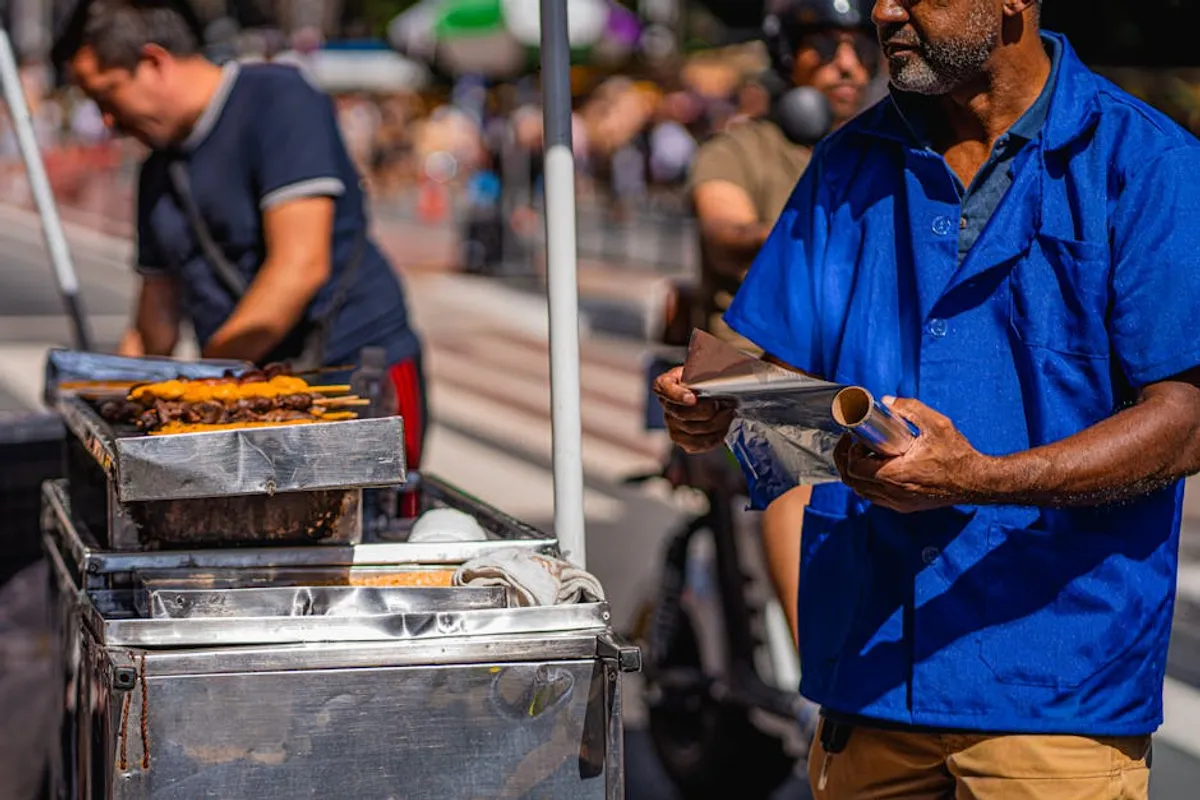
Navigating the culinary landscape of Baracoa, Cuba, means immersing oneself in a vibrant tapestry of flavors, particularly those found on its bustling streets. Unlike formal dining, street food offers an immediate, authentic taste of local life and ingredients, often at a fraction of the cost. For travelers seeking to experience Baracoa beyond tourist menus, understanding the nuances of its street food scene is essential for both enjoyment and informed choices. This guide highlights key street food offerings, providing practical insights into what to expect, where to find it, and how to ensure a satisfying, memorable gastronomic adventure.
What to Look For in Baracoa Street Food
When exploring Baracoa’s street food, several factors contribute to a positive experience. Prioritize vendors with visible, fresh ingredients and a steady stream of local customers, which often indicates both quality and rapid turnover. Observe preparation methods: cleanliness of hands, surfaces, and utensils is paramount. Engage with vendors if language permits; they often offer insights into their specialties or the day's freshest catches. For fried items, note the oil's appearance—clearer oil suggests more frequent changes. Finally, consider the time of day; some specialties are morning fares, while others appear in the afternoon or evening. Embrace the local pace and be open to spontaneous discoveries, as the best finds are sometimes off the main thoroughfares.
1. Cucurucho
The cucurucho is Baracoa's signature sweet, an iconic symbol of the region's unique culinary heritage. It consists of a blend of grated coconut, honey, and various local fruits like guava, papaya, or orange, all wrapped tightly in a dried palm frond cone. This sweet treat is not just a dessert; it's a portable piece of Baracoan culture, reflecting the area's abundant coconut and fruit resources. Vendors often prepare them fresh, and the specific fruit mix can vary daily depending on seasonal availability.
Best for: A quintessential Baracoan experience, a quick energy boost, or a unique souvenir. Ideal for those with a sweet tooth seeking authentic local flavors.
Pros: Distinctive flavor profile; uses fresh, local ingredients; highly portable; very affordable. Supports local small-scale producers directly.
Cons: Can be quite sweet for some palates; availability of specific fruit combinations might vary. Palm frond can sometimes be tricky to unwrap cleanly.
Verdict: An absolute must-try for any visitor to Baracoa. Its unique presentation and flavor make it an unforgettable part of the local street food scene, offering a direct connection to the region's agricultural bounty.
2. Chiviricos
Chiviricos are a simple yet beloved Cuban street snack, essentially thin, crispy fried dough often dusted with sugar. In Baracoa, they are a common sight, particularly around bustling areas like parks or market entrances. The dough is typically made from wheat flour, water, and a touch of salt, then rolled thin and fried until golden and puffed. Their light, airy texture and subtle sweetness make them an addictive treat, popular with both children and adults.
Best for: A light, inexpensive snack to curb hunger between meals, or a simple sweet indulgence. Easily shareable and widely available.
Pros: Very affordable; satisfyingly crispy texture; quick to prepare and serve; universally appealing simple flavor.
Cons: Can be greasy if not fried properly; primarily a carbohydrate-based snack with limited nutritional value. Best consumed fresh, as they lose crispness quickly.
Verdict: A reliable and comforting choice for a quick, sweet bite. While not unique to Baracoa, its prevalence makes it a staple street food experience, offering a taste of everyday Cuban life.
3. Bacán
Bacán is a savory, tamale-like dish that is a true Baracoan specialty, showcasing the region's reliance on plantains and coconut. It's made from grated green plantains, seasoned with garlic, onion, and often a small amount of pork or other meat, all cooked in rich coconut milk. This mixture is then wrapped in plantain leaves and steamed until firm. The result is a moist, flavorful parcel with a distinctive earthy and subtly sweet taste, characteristic of Baracoan cuisine.
Best for: Those seeking a unique, hearty savory snack or a light meal that is distinctly Baracoan. Ideal for exploring traditional cooking methods.
Pros: Deep, complex flavors; uses indigenous ingredients; a very authentic Baracoan dish; often a more substantial street food option.
Cons: Can be relatively heavy; preparation can be time-consuming for vendors, sometimes leading to limited availability. Not suitable for vegetarians if it contains meat.
Verdict: Bacán offers a profound taste of Baracoa's culinary identity. Its blend of plantain and coconut milk provides a unique texture and flavor profile, making it a must-try for adventurous eaters looking beyond common Cuban fare.
4. Tetí Frito
Tetí are tiny, translucent fish found exclusively in the rivers around Baracoa, making them a highly localized delicacy. When prepared as street food, they are often lightly battered and fried until crispy, served as small fritters or in a cone of paper. The flavor is delicate and slightly salty, a direct reflection of the pristine waters they inhabit. Finding tetí can be seasonal, typically after heavy rains when the fish migrate, adding to their allure and exclusivity.
Best for: Seafood enthusiasts and those looking for an extremely rare and local culinary experience. A unique opportunity to taste Baracoa's specific aquatic bounty.
Pros: Highly unique to Baracoa; delicate, savory flavor; supports local fishermen; a true taste of the region's natural resources.
Cons: Seasonal availability can make them hard to find; price might be higher due to their rarity. Not suitable for those averse to eating small whole fish.
Verdict: If available, tetí frito is an unmissable Baracoan street food. Its distinct local character and delicate taste offer an unparalleled insight into the region's specific gastronomic traditions.
5. Pan con Minuta
Pan con minuta translates to "bread with small fish," and it's a popular coastal street food, particularly in Baracoa. This sandwich typically features a freshly fried, small whole fish (often a local variety like pargo or snapper), seasoned and placed inside a soft, crusty Cuban roll. It's often accompanied by a simple dressing of sliced onions, a squeeze of lime, or a touch of hot sauce. The appeal lies in its simplicity and the freshness of the catch, offering a quick, savory, and satisfying meal.
Best for: Seafood lovers seeking a quick, fresh, and affordable lunch or snack. Ideal for those near the Malecon or fishing areas.
Pros: Uses fresh local fish; savory and filling; relatively inexpensive; a good source of protein. Offers a taste of coastal Cuban life.
Cons: Can be messy to eat due to bones (if whole fish is used); availability depends on the day's catch. Quality varies significantly by vendor based on fish freshness and frying technique.
Verdict: A solid choice for a savory street food experience, particularly for those who appreciate fresh fish. It embodies the straightforward, flavorful approach to food often found in Cuban coastal towns.
6. Jugos Naturales
Natural fruit juices are a ubiquitous and essential part of the street food scene in Baracoa, reflecting Cuba's tropical climate and abundant fruit supply. Vendors offer a wide array of freshly squeezed or blended juices, including mango, guava, papaya, pineapple, and tamarind. Often served chilled, these juices are hydrating and refreshing, especially in the warm Baracoan weather. They are typically made to order, ensuring maximum freshness and flavor.
Best for: Hydration and refreshment; a healthy, natural beverage option; experiencing the diverse tropical fruits of Cuba. Suitable for all dietary preferences.
Pros: Extremely refreshing and hydrating; uses fresh, local fruits; rich in vitamins; very affordable. A great way to sample different fruit flavors.
Cons: Sugar content can be high if extra sugar is added (can be requested without); hygiene of ice and water source should be considered. Sometimes served in single-use plastic cups.
Verdict: An indispensable part of the Baracoan street experience. Opting for natural juices is a delicious and healthy way to stay cool and sample the region's agricultural bounty. Prioritize vendors using purified water and clean practices.
7. Frituras de Malanga
Frituras de malanga are savory fritters made from grated malanga (a starchy root vegetable similar to taro), seasoned with garlic, onion, and sometimes a hint of cumin or other spices. The mixture is then deep-fried until golden brown and crispy on the outside, with a soft, fluffy interior. These fritters are a common snack across Cuba, and in Baracoa, they offer a comforting, earthy flavor that pairs well with other street foods or as a standalone bite.
Best for: A savory, starchy snack that is vegetarian-friendly (confirm no animal fat in frying oil); a familiar comfort food for many Cubans. Good for a quick energy boost.
Pros: Flavorful and satisfying; generally inexpensive; widely available; offers a different texture profile from sweet fried doughs. Often prepared fresh.
Cons: Can be greasy if not drained properly; nutritional value is primarily carbohydrates. Best when freshly made, as they can become soggy if left too long.
Verdict: A reliable and tasty savory option among Baracoa's street food. Frituras de malanga provide a genuine taste of Cuban home-style cooking in a convenient street-side format.
8. Chocolate Caliente
Baracoa is renowned as Cuba's chocolate capital, and experiencing its street-side hot chocolate is a must. Unlike the often-sweetened versions found elsewhere, Baracoan hot chocolate is traditionally rich, thick, and intensely flavorful, made from locally grown and processed cacao beans. Vendors often prepare it simply, with water or milk, allowing the pure, robust taste of the cacao to shine. It's a warming, comforting beverage, especially in the cooler evenings.
Best for: Chocolate aficionados and those seeking a unique Baracoan specialty. A comforting drink that highlights a key local industry.
Pros: Exceptionally rich and authentic chocolate flavor; supports local cacao farmers; a warming and comforting beverage. Offers a taste of Baracoa's unique agricultural heritage.
Cons: Can be very rich, sometimes too intense for those used to sweeter, thinner hot chocolates. Availability might be more limited to specific times or vendors.
Verdict: An essential Baracoan street food experience. The hot chocolate here is a testament to the region's cacao production, offering a deep, unadulterated taste of high-quality chocolate unlike almost any other.
9. Pan con Lechón
Pan con lechón, a roasted pork sandwich, is a Cuban classic that finds its way onto the streets of Baracoa. Typically, slow-roasted pork (lechón) is shredded or thinly sliced and piled generously onto a soft Cuban roll. It's often seasoned simply, allowing the succulent flavor of the pork to dominate, sometimes with a touch of mojo (garlic citrus sauce) or sautéed onions. This hearty sandwich provides a substantial and satisfying meal on the go.
Best for: Meat lovers seeking a filling and flavorful meal; a quick and convenient lunch or dinner option. A staple of Cuban comfort food.
Pros: Very filling and satisfying; rich, savory flavor from slow-roasted pork; generally affordable for its portion size. A classic Cuban street food.
Cons: Can be greasy; quality varies significantly based on the pork preparation and freshness. Not suitable for vegetarians.
Verdict: A robust and reliable street food choice for a substantial meal. When prepared well, pan con lechón offers a delicious and authentic taste of Cuban culinary tradition.
10. Plátano Maduro Frito
Plátano maduro frito, or fried sweet plantains, are a popular side dish and snack across Cuba, and readily available from street vendors in Baracoa. Ripe plantains are sliced and fried until caramelized and tender, developing a naturally sweet flavor. Their soft, almost custardy texture and sweet profile make them a comforting and versatile snack, often served alongside savory dishes but equally enjoyable on their own.
Best for: A sweet, comforting snack or a simple accompaniment to other street foods. Suitable for vegetarians and those with a preference for naturally sweet flavors.
Pros: Naturally sweet and flavorful; soft, appealing texture; widely available and affordable. A good source of natural sugars and potassium.
Cons: Can be greasy; primarily a carbohydrate-based snack. Quality depends on the ripeness of the plantain and frying technique.
Verdict: A simple yet satisfying street food option that highlights the versatility of plantains in Cuban cuisine. They offer a comforting sweetness and soft texture that complements many other local flavors.
11. Tamales
Cuban tamales, often found on Baracoa's streets, are distinct from their Mexican counterparts. They are typically made from a savory corn masa mixture, often blended with seasoned pork, and then wrapped in fresh corn husks before being steamed. The result is a dense, flavorful, and moist parcel that is both hearty and comforting. They are usually served hot, sometimes with a drizzle of hot sauce or a sprinkle of fresh cilantro.
Best for: A substantial, savory snack or a light meal. Ideal for those seeking a traditional Cuban comfort food that is rich in flavor and texture.
Pros: Very flavorful and filling; uses fresh corn and often tender pork; a traditional and authentic Cuban dish. Convenient and easy to eat on the go.
Cons: Can be heavy; not suitable for vegetarians if containing pork. Quality varies based on seasoning and freshness of ingredients.
Verdict: A classic Cuban street food offering a rich, savory experience. Tamales are a satisfying choice that provides a deep dive into the country's culinary heritage, particularly for those who appreciate corn-based dishes.
12. Coco Leche
Coco leche, or fresh coconut milk, is a refreshing and naturally sweet beverage readily available in Baracoa, a region abundant in coconuts. Vendors often sell it directly from the whole coconut, cutting it open with a machete on the spot, or serve it chilled in cups. It's a pure, unadulterated taste of the tropics, offering natural hydration and a subtle, creamy sweetness that is both invigorating and soothing.
Best for: Natural hydration, a refreshing break from the heat, and a pure taste of Baracoa's tropical bounty. Suitable for all dietary preferences.
Pros: Extremely refreshing and hydrating; 100% natural and unprocessed; rich in electrolytes; very affordable. Directly supports local coconut harvesters.
Cons: Can be messy if consumed directly from the coconut; sometimes hard to find perfectly chilled. Some might find the flavor too subtle.
Verdict: An essential Baracoan street beverage, offering unparalleled refreshment and a direct connection to the region's most iconic fruit. It's a simple pleasure that perfectly complements the warm climate.
Choosing the Right Baracoa Street Food Experience
Selecting the best street food in Baracoa involves more than just identifying the dish; it requires a keen eye for vendor practices and local cues. Prioritize stalls with visible activity and a high turnover of customers, as this generally indicates freshness and popularity. Observe the cleanliness of the vendor's hands, the preparation area, and the serving utensils. For fried items, clear oil suggests more frequent changes, which impacts flavor and health. Don't hesitate to ask locals for recommendations; their insights often lead to hidden gems. Consider the time of day and typical meal patterns; some vendors specialize in breakfast items, while others appear later for lunch or dinner rushes. Trust your senses: if something looks or smells off, move on. Embrace the informal nature of street food, but always prioritize vendors who demonstrate care in their preparation and presentation. Your best experiences will often come from those who take pride in their craft, regardless of the simplicity of their offerings.
Frequently Asked Questions About Baracoa Street Food
Is Baracoa street food safe to eat?
Generally, Baracoa street food is considered safe, especially when following common-sense precautions. Look for vendors with high customer turnover, visible cleanliness, and food cooked fresh to order. Avoid items that appear to have been sitting out for extended periods or those handled without proper hygiene. Sticking to cooked foods and peeled fruits can further reduce risk.
What are the typical prices for street food in Baracoa?
Street food in Baracoa is typically very affordable, often ranging from a few Cuban pesos (CUP) for smaller snacks like chiviricos or juices, to 50-150 CUP for more substantial items like pan con lechón or bacán. Prices can vary depending on the specific item and vendor, but it remains one of the most budget-friendly ways to eat in the city.
Are there vegetarian or vegan options available?
Yes, several street food options in Baracoa are suitable for vegetarians and vegans. Natural fruit juices (jugos naturales), fried sweet plantains (plátano maduro frito), and cucurucho (confirm no honey for vegans) are readily available. Frituras de malanga can also be vegetarian/vegan if fried in vegetable oil. Always inquire about ingredients to ensure they meet your dietary needs.
How should I pay for street food?
Most street food vendors in Baracoa primarily accept Cuban Pesos (CUP). It's advisable to carry small denominations of CUP as vendors often have limited change. While some might accept foreign currency in a pinch, it's not standard practice, and you might receive an unfavorable exchange rate.
Can I find unique Baracoan specialties on the street?
Absolutely. Baracoa is known for its distinct culinary traditions, and many of its unique specialties are best experienced through street vendors. Items like cucurucho, bacán, tetí frito (seasonal), and the rich local hot chocolate are prime examples of Baracoan-specific street food that you won't easily find elsewhere in Cuba.