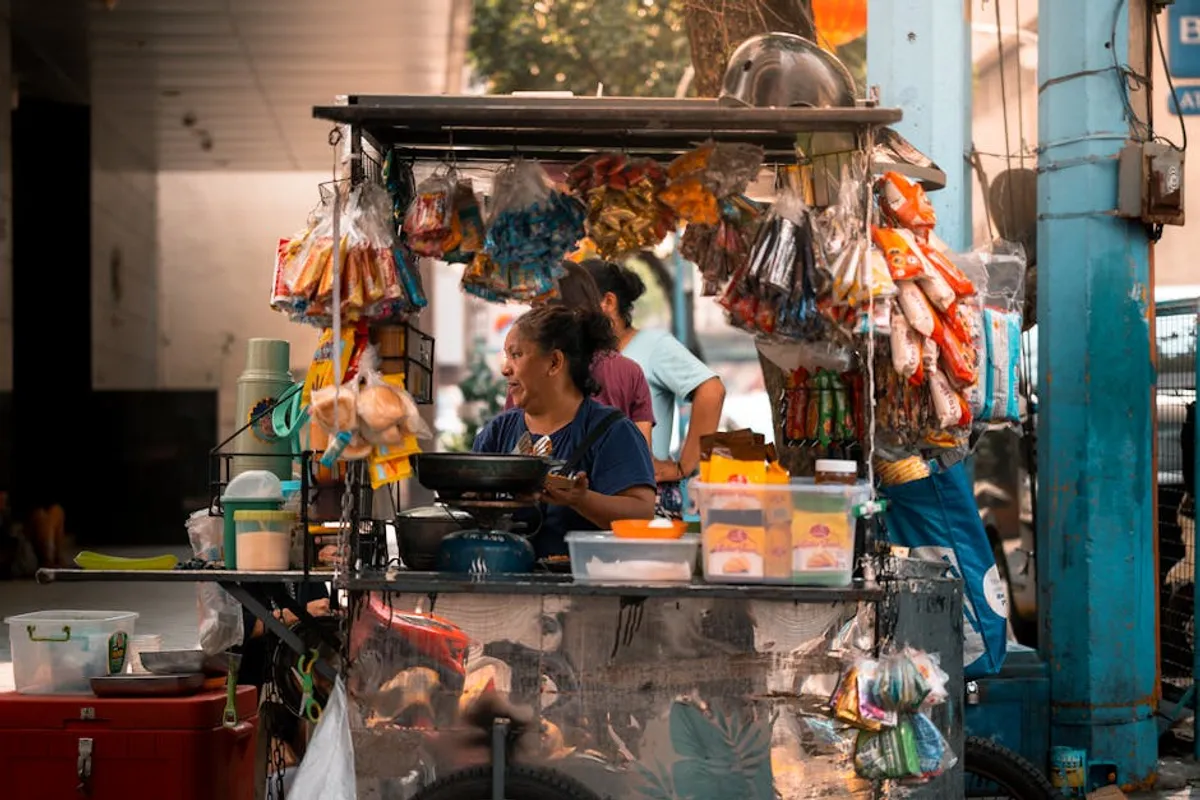
Havana's street food scene offers a direct, unvarnished look into the city's culinary soul, moving beyond the curated menus of tourist restaurants. For travelers seeking authentic flavors and local experiences, navigating the myriad of informal vendors and small, family-run stalls is essential. This guide cuts through the noise, identifying specific street food options that deliver on taste, authenticity, and value, providing a practical roadmap for anyone looking to truly eat like a local. The focus here is on distinctive offerings, preparation methods, and the unique cultural context each food item provides, allowing for informed choices that maximize the Havana street food adventure.
Navigating Havana's Street Food Scene
Before diving into specific recommendations, understanding the landscape of Havana's street food is crucial. Unlike some global cities with highly organized street food markets, Havana's offerings are more dispersed and often pop-up. Look for small windows (ventanitas) in homes, bicycles equipped with insulated containers, or simple carts. Quality and hygiene can vary, so observe local patronage: a stall with a steady line of Cubans is generally a good indicator of both taste and reliability. Cash (CUP or MLC, depending on the vendor) is almost universally required, and exact change is appreciated. Embrace the simplicity; the best street food experiences often come from the most unassuming setups.
1. El Chanchullero's Frituras de Malanga
While El Chanchullero is primarily known as a bar and restaurant, their street-side window often sells exceptional frituras de malanga. These crispy, savory fritters, made from taro root, are a staple of Cuban cuisine. Prepared fresh throughout the day, the malanga is grated, seasoned with garlic, onion, and local spices, then deep-fried to a golden perfection. The result is a light yet satisfying snack with a slightly earthy flavor and a perfectly crunchy exterior.
Best for: A quick, authentic, and budget-friendly snack; experiencing a classic Cuban fried delicacy.
Pros: Consistently fresh and hot; distinct, savory flavor profile; convenient location in Old Havana; good value for money.
Cons: Can be greasy due to deep-frying; limited menu variety at the street window; often attracts crowds, leading to short queues.
Verdict: A quintessential Havana street food experience, offering a simple yet deeply satisfying taste of Cuban fried specialties. Ideal for a rapid, authentic culinary stop that provides an immediate flavor of the city.
2. Coppelia's Helado
Coppelia is not a street vendor in the traditional sense, but its iconic status as a state-run ice cream parlor makes its helado a quintessential street food experience for Cubans, often consumed on the surrounding benches or while strolling. The ice cream is rich, creamy, and comes in a rotating selection of classic flavors like chocolate, strawberry, and vanilla, alongside more tropical options like guava or mango. The experience is as much about the social aspect and the history as it is about the dessert itself.
Best for: A refreshing dessert or sweet treat; experiencing a significant cultural landmark and local pastime.
Pros: Historically significant and culturally immersive; generous portion sizes; wide array of traditional and tropical flavors; extremely low prices in CUP for locals, slightly higher for tourists but still affordable.
Cons: Often very long queues, especially for the CUP line; flavor availability can be inconsistent; the quality varies slightly day to day.
Verdict: More than just ice cream, Coppelia offers a slice of Cuban life. It's a mandatory stop for an authentic sweet experience, despite potential wait times, providing both a culinary delight and a cultural observation point.
3. La Esquina del Lechon Asado
This hypothetical corner stall specializes in lechón asado, slow-roasted pork, a cornerstone of Cuban celebratory meals. Here, the pork is typically roasted whole over an open fire or in a caja china, resulting in incredibly tender meat with a crispy, flavorful skin. Served simply in a fresh, crusty bread roll (pan con lechón) and often accompanied by a dollop of mojo sauce (garlic, sour orange, and oil), it's a hearty and deeply satisfying street meal.
Best for: A substantial, savory meal; experiencing traditional Cuban slow-roasted pork.
Pros: Exceptionally tender and flavorful pork; crispy skin provides textural contrast; robust and filling; offers a genuine taste of Cuban culinary heritage.
Cons: Can be quite greasy; availability might be limited to certain times of day (e.g., lunch); seating is usually non-existent, requiring consumption on the go.
Verdict: For a truly authentic and filling Cuban street food experience, pan con lechón from a dedicated lechón stall is unparalleled. It's a must-try for meat lovers seeking deep, traditional flavors.
4. Los Dulces de la Abuela
"Grandma's Sweets" represents the numerous small, often home-based vendors selling traditional Cuban pastries and desserts. These might include coco rallado (grated coconut candy), boniatillo (sweet potato pudding), or pastelitos de guayaba (guava pastries). The appeal lies in the homemade quality and the use of simple, local ingredients. These sweets are often sold from small windows or bicycles, offering a glimpse into the domestic culinary traditions of Havana.
Best for: Sweet cravings; experiencing traditional Cuban homemade desserts and pastries.
Pros: Authentic homemade taste; wide variety of traditional sweets; often uses fresh, local fruits; supports small, independent vendors.
Cons: Hygiene standards can vary; availability of specific sweets is inconsistent; ingredients are simple, so flavors might not appeal to all palates.
Verdict: A delightful way to sample the sweeter side of Cuban cuisine. These small-scale operations offer a personal touch and a genuine taste of local confectionery, perfect for a mid-afternoon pick-me-up.
5. El Carrito del Churro
Churros are a popular fried dough pastry found across Latin America, and Havana is no exception. "The Churro Cart" represents the mobile vendors frying churros to order, often served hot with a dusting of sugar. Some carts may offer them with a side of chocolate sauce or condensed milk for dipping. The simple pleasure of a freshly made, warm churro is a universal street food appeal, and Havana's versions are typically light, airy, and crisp.
Best for: A classic, comforting fried dough snack; a simple sweet treat while walking.
Pros: Always served hot and fresh; satisfying crispy texture; universally appealing flavor profile; readily available in many busy areas.
Cons: Can be quite plain without dipping sauce; quality can vary slightly between vendors; prone to becoming soggy if not eaten immediately.
Verdict: A reliable and satisfying sweet treat, El Carrito del Churro provides a familiar comfort. It’s a low-risk, high-reward option for a quick sugar fix, especially on a cool evening stroll.
6. El Rincón del Sandwich Cubano
While the classic Cuban sandwich (pan con lechón, jamón, queso, pepinillos, y mostaza) is more commonly associated with Miami, Havana has its own variations and dedicated sandwich vendors. "The Cuban Sandwich Corner" offers robust sandwiches, typically featuring slow-roasted pork, ham, Swiss cheese, pickles, and mustard, pressed until hot and crispy. The key is the quality of the bread and the slow-cooked pork.
Best for: A hearty, savory lunch or dinner; experiencing a Cuban-style pressed sandwich.
Pros: Filling and substantial meal; combination of savory, tangy, and salty flavors; often prepared fresh to order; relatively quick service.
Cons: Can be heavy and rich; variations exist, so confirm ingredients if specific dietary needs; less common than other street food items.
Verdict: For a satisfying and flavorful meal on the go, a well-made Cuban sandwich is an excellent choice. It offers a different textural and flavor profile than the more common pan con lechón, providing a robust culinary experience.
7. Los Fruteros Ambulantes
These mobile fruit vendors, often pushing carts or bicycles laden with fresh produce, are a vibrant part of Havana's street scene. They offer seasonal fruits like mango, papaya, guava, pineapple, and mamey, often peeled and cut on the spot for immediate consumption. This is the freshest, most natural street food available, providing essential hydration and vitamins in the tropical climate.
Best for: Refreshing, healthy snack; experiencing Cuba's tropical fruit bounty.
Pros: Exceptionally fresh and ripe; naturally sweet and hydrating; supports local farmers; healthy and light option.
Cons: Limited to seasonal availability; hygiene of cutting surfaces can vary; requires immediate consumption once cut.
Verdict: An indispensable part of the Havana street food experience, offering a simple, healthy, and incredibly refreshing option. It's the perfect antidote to the heat and a direct connection to Cuba's agricultural richness.
8. La Casa del Tamal
Tamales are a pre-Columbian dish found across Latin America, and Cuba's version is typically made from ground corn mixed with seasoned pork, wrapped in a corn husk, and boiled or steamed. "The Tamale House" (or a similar vendor) specializes in these savory parcels, offering a dense, flavorful, and incredibly satisfying snack or light meal. They are a testament to Cuba's indigenous and Spanish culinary influences.
Best for: A traditional, savory corn-based snack; experiencing a lesser-known but significant Cuban dish.
Pros: Deeply flavorful and comforting; substantial and filling; often made with fresh corn; authentic representation of Cuban culinary history.
Cons: Can be heavy; texture might not appeal to everyone; typically only one or two varieties available.
Verdict: A tamal from a dedicated vendor offers a rich, comforting taste of Cuban tradition. It's a dense, satisfying option that provides a different texture and flavor profile compared to fried or bread-based street foods.
9. El Puesto de Jugos Naturales
Natural juice stalls are ubiquitous in Havana, offering freshly squeezed fruit juices (jugos naturales) from a variety of tropical fruits. These often include guarapo (sugarcane juice), mango, guava, pineapple, and orange. Prepared on the spot, they are a vital source of refreshment and energy in the Cuban heat, often sweetened with a touch of sugar.
Best for: Refreshment and hydration; sampling a variety of tropical fruit flavors.
Pros: Incredibly refreshing and hydrating; uses fresh, local fruits; often very affordable; a healthy alternative to sugary sodas.
Cons: Sugar content can be high if not specified; hygiene of ice or water used can be a concern; limited to seasonal fruit availability.
Verdict: Essential for combating the Havana heat, a fresh jugo natural is a simple pleasure that provides both hydration and a burst of tropical flavor. Choose vendors who press the fruit in front of you for maximum freshness and transparency.
10. Los Croquetas de la Ventanita
Croquetas, typically made from a béchamel base mixed with ham, chicken, or fish, breaded, and deep-fried, are a popular snack in Cuba. "The Window Croquettes" represents the many small, informal windows (ventanitas) that sell these crispy, creamy bites. They are a quick, savory, and inexpensive option, perfect for a small hunger pang.
Best for: A quick, savory, and inexpensive snack; experiencing a common Cuban appetizer.
Pros: Crispy exterior with a creamy interior; flavorful and satisfying; very affordable; widely available.
Cons: Can be very greasy; ingredients might not always be clearly specified; best eaten immediately while hot.
Verdict: A classic Cuban snack, croquetas offer a satisfying combination of textures and flavors. They are an easy, accessible option for a quick bite, providing a simple yet authentic taste of local fare.
11. El Carro de Maní Tostado
Maní tostado, or roasted peanuts, are a ubiquitous and simple street snack in Havana. Vendors often carry them in paper cones or small bags, announcing their presence with a distinctive call. These peanuts are typically roasted with a touch of salt, offering a crunchy, savory, and protein-rich snack that’s easy to carry and consume on the go.
Best for: A light, crunchy, and savory snack; a traditional and widely available Cuban treat.
Pros: Inexpensive and widely available; good source of protein; easy to eat while walking; authentic local experience.
Cons: Can be overly salty; quality of roasting varies; very simple, might not satisfy larger cravings.
Verdict: For a simple, traditional, and reliable snack, maní tostado is a classic choice. It’s an easy way to engage with street vendors and provides a satisfying crunch without being too heavy.
12. Pan con Bistec de Cerdo
This sandwich, featuring a thin, pan-fried pork steak (bistec de cerdo) served in a crusty Cuban roll, often with grilled onions, is a staple. It's a more substantial option than some other street foods, offering a satisfying combination of tender meat and fresh bread. Vendors specializing in this might operate from small kiosks or mobile carts, focusing on quick preparation.
Best for: A filling, savory meal; experiencing a common Cuban lunch or dinner option.
Pros: Substantial and satisfying; flavorful pork steak; fresh bread provides good texture; often made to order.
Cons: Can be greasy; quality of meat and preparation varies; less common than pan con lechón.
Verdict: A solid choice for a more substantial street meal, pan con bistec de cerdo offers a direct and flavorful taste of everyday Cuban cooking. It's a reliable option when seeking something beyond a light snack.
Ensuring an Authentic and Safe Street Food Experience
To maximize both authenticity and safety when exploring Havana's street food, prioritize vendors with visible turnover and active local patronage. A steady stream of customers indicates freshness and consistent quality. Observe preparation methods; vendors who handle food with gloves or use separate utensils for money and food are preferable. For fruit juices, ensure they are made with bottled water or that the water is boiled. While tap water is generally not recommended for consumption, most reputable vendors use purified water for drinks. Carry small denominations of Cuban Pesos (CUP) and potentially some MLC, as larger notes can be difficult to break. Don't hesitate to ask about ingredients if you have dietary restrictions, though language barriers can sometimes pose a challenge. Embrace the adventure with an open mind, but always prioritize your well-being by choosing vendors who demonstrate good hygiene practices.
Frequently Asked Questions About Havana Street Food
What is the typical price range for street food in Havana?
Prices vary significantly. For locals paying in CUP, a snack like frituras or churros might cost between 5-50 CUP. A more substantial item like a pan con lechón could be 50-150 CUP. For tourists paying in MLC or sometimes USD, prices will be higher but still very affordable compared to restaurant meals, typically ranging from $1-$5 per item.
Is street food in Havana generally safe to eat?
While most Cubans consume street food regularly without issue, visitors should exercise caution. Look for places with high foot traffic, visible cooking, and fresh ingredients. Avoid anything that looks like it's been sitting out for too long, especially in the heat. Many travelers stick to cooked items, fresh fruits they can peel, and juices made with purified water.
What are the most common types of street food available?
Common items include pan con lechón (pork sandwich), frituras (fried root vegetable fritters), churros, tamales, croquetas, and a wide variety of fresh fruit juices (jugos naturales) and cut fruits. Sweet treats like coco rallado and other homemade pastries are also prevalent.
How do I pay for street food?
Cash is almost exclusively used for street food. It's advisable to carry small denominations of Cuban Pesos (CUP) for local vendors and potentially some MLC (Moneda Libremente Convertible) or USD for vendors who cater more to tourists or have specific pricing. Always confirm the currency and price before ordering.
Can I find vegetarian or vegan street food options?
Vegetarian options can be limited but are available. Fresh fruit and natural juices are always a safe bet. Sometimes, you can find vegetable fritters (like malanga fritters without meat) or simple bread with cheese. Vegan options are more challenging, as many dishes use lard or dairy, but fresh fruit remains a reliable choice.