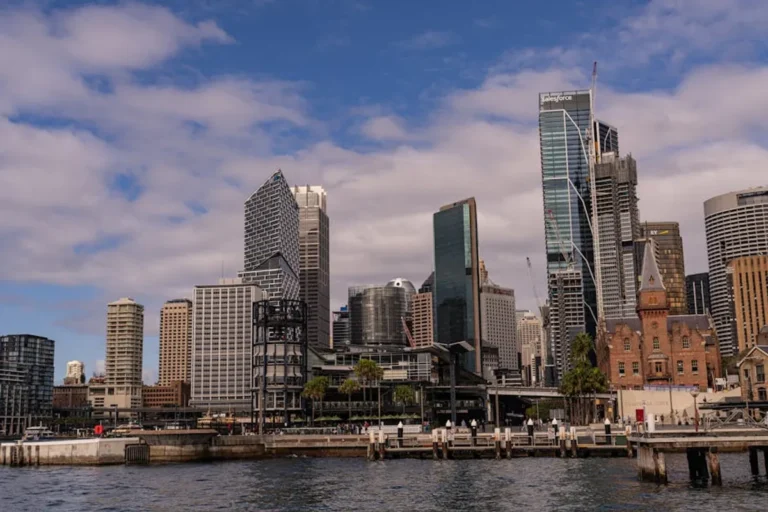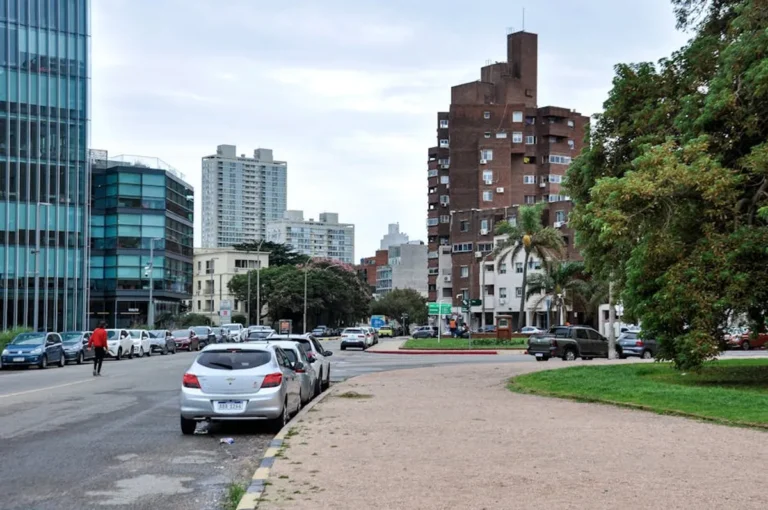
Holguín, often called the "City of Parks," offers a distinct Cuban experience, blending historical depth with natural splendor. Unlike the bustling energy of Havana or the colonial charm of Trinidad, Holguín provides a more relaxed pace, characterized by its pristine beaches, verdant hills, and a rich cultural tapestry. For travelers seeking a balanced itinerary that spans from sun-drenched coastlines to authentic urban life and natural exploration, understanding the specific offerings of Holguín is key to maximizing a visit.
The region caters to diverse interests, whether you prioritize historical immersion, active outdoor pursuits, or simply unwinding on a quiet beach. This guide details the most compelling activities and attractions, providing specific context to help you align your travel objectives with Holguín's unique opportunities. Each recommendation focuses on practical utility, highlighting what makes an experience worthwhile and how it fits into a comprehensive travel plan.
Planning Your Holguín Experience
Before committing to specific activities, consider your primary travel motivations and logistical constraints. Holguín's attractions are spread across the city and its surrounding province, meaning transportation and time allocation are critical. Determine if your interest lies predominantly in urban exploration, coastal relaxation, or nature excursions, as this will influence your daily planning. Budget also plays a role; while many city parks and viewpoints are free, organized tours to natural reserves or historical sites often involve entrance fees and transportation costs. Factor in peak travel times, as popular beaches and resorts can become crowded, impacting the tranquility of some experiences. Prioritize authenticity if cultural immersion is key, seeking out local markets or smaller, less-advertised venues.
1. Loma de la Cruz
Loma de la Cruz, or Hill of the Cross, is Holguín's most iconic landmark, offering panoramic views of the city. A monumental cross sits atop the hill, accessible via 458 steps (or a winding road for vehicles). The ascent provides a visual journey through the city's expanding footprint, culminating in a sweeping vista that is particularly striking at sunrise or sunset. This site holds significant religious and historical importance, dating back to the 18th century when a wooden cross was first placed there. Today, it serves as both a pilgrimage site and a popular tourist attraction for its unparalleled cityscapes.
Best for: City orientation, photography, light physical activity, sunset viewing.
Pros: Unrivaled views of Holguín; historically significant; accessible via steps or road; free entry; often hosts local vendors selling refreshments.
Cons: The climb can be challenging in heat and humidity; limited facilities at the summit; can get crowded during peak hours.
Verdict: Essential for any first-time visitor to Holguín, providing crucial geographical context and memorable photo opportunities. Plan your visit for early morning or late afternoon to avoid the midday sun and capture optimal light.
2. Guardalavaca Beach
Guardalavaca is one of Cuba's most renowned beaches, characterized by its crescent-shaped stretch of white sand, clear turquoise waters, and lush tropical vegetation. Located approximately 50 kilometers northeast of Holguín city, it is a hub for all-inclusive resorts but also offers public access. The calm, shallow waters are ideal for swimming and snorkeling, while the surrounding coral reefs attract divers. Beyond the beach itself, the area provides opportunities for horseback riding, catamaran tours, and visits to local craft markets, making it a comprehensive coastal destination.
Best for: Beach relaxation, water sports, resort-based holidays, family outings.
Pros: Pristine conditions; variety of water activities available; numerous dining and accommodation options; generally safe and well-maintained.
Cons: Can feel very tourist-oriented, lacking some local authenticity; can become crowded, especially near resorts; requires a significant drive from Holguín city.
Verdict: A top choice for those seeking a classic Caribbean beach experience with ample amenities. While resort-centric, its natural beauty and activity options make it a worthwhile day trip or extended stay for beach enthusiasts.
3. Parque Calixto García
Parque Calixto García is the vibrant heart of Holguín city, named after the Cuban general who played a crucial role in the country's wars of independence. This central park is a focal point for local life, surrounded by significant historical buildings such as the La Periquera museum and the Eddy Suñol Theatre. It's a place where residents gather, street performers entertain, and vendors sell local goods. The park's well-maintained gardens, shaded benches, and central gazebo create an inviting atmosphere for observing daily Cuban routines and soaking in the city's pulse.
Best for: Cultural immersion, people-watching, historical context, evening strolls.
Pros: Central location, easy to access; surrounded by important landmarks; provides an authentic glimpse into local life; often features live music or events.
Cons: Can be quite busy, especially in the evenings; limited shade during midday; can attract persistent street vendors.
Verdict: An essential stop for understanding Holguín's urban rhythm and historical core. Allocate time to simply sit and observe, or use it as a starting point for exploring the surrounding architecture and cultural institutions.
4. Museo Provincial La Periquera
Housed in a grand neoclassical building on Parque Calixto García, the Museo Provincial La Periquera is Holguín's most important historical museum. Originally built in 1860 as a wealthy merchant's residence, it gained its distinctive nickname "La Periquera" (the parakeet cage) from its colorful, ornate facade. The museum chronicles the history of Holguín province, from its indigenous roots through colonial times, the wars of independence, and the revolutionary period. Exhibits include artifacts, documents, and personal effects that illuminate the region's past and its contributions to Cuban history.
Best for: History enthusiasts, cultural education, understanding local heritage.
Pros: Central location; well-preserved historical building; comprehensive collection of local artifacts; provides valuable historical context for the region.
Cons: Information might be primarily in Spanish, requiring translation; some exhibits may lack modern interactive displays; modest entrance fee.
Verdict: A crucial visit for those interested in Cuban history beyond the major national narratives. Its location makes it easy to combine with a visit to Parque Calixto García.
5. Bahía de Naranjo Nature Park
Located near Guardalavaca, Bahía de Naranjo Nature Park is a protected area encompassing three cays and a large bay. Its primary draw is the Cayo Naranjo Dolphinarium, where visitors can interact with dolphins in their natural habitat. Beyond the dolphin shows, the park offers boat tours through mangrove channels, a small aquarium featuring local marine life, and opportunities for snorkeling and diving. The park's focus on marine conservation and ecological education makes it more than just an entertainment venue, highlighting the region's biodiversity.
Best for: Families, marine life enthusiasts, nature lovers, interactive animal experiences.
Pros: Unique dolphin interaction opportunities; scenic boat tours; educational exhibits on local ecosystems; diverse activities within one park.
Cons: Entrance fees and activity costs can add up; can feel somewhat commercialized; requires transportation from Holguín city or Guardalavaca.
Verdict: A recommended excursion for those seeking a blend of natural beauty and interactive marine experiences. The dolphinarium is a highlight, but the broader park offers valuable insights into the local environment.
6. Gibara
Gibara, known as the "White Town" or "Villa Blanca," is a charming coastal town located about 30 kilometers north of Holguín city. Unlike the resort-heavy coastlines, Gibara retains an authentic, tranquil atmosphere with its well-preserved colonial architecture, cobblestone streets, and a picturesque harbor. Historically significant as a former port, it now hosts the International Poor Film Festival, attracting filmmakers and artists. Exploring Gibara involves strolling along its malecón, visiting the local history museum, and enjoying fresh seafood in its unpretentious restaurants. The town offers a genuine glimpse into Cuban coastal life, away from mass tourism.
Best for: Authentic cultural experiences, photography, history buffs, those seeking tranquility, seafood lovers.
Pros: Beautiful colonial architecture; peaceful atmosphere; rich history; excellent fresh seafood; unique cultural festival; relatively untouched by large-scale tourism.
Cons: Limited high-end tourist infrastructure; transportation can be less frequent than to major resorts; fewer organized activities compared to resort areas.
Verdict: Highly recommended for travelers seeking a quieter, more authentic Cuban coastal town experience. It offers a refreshing contrast to the more developed beach areas and provides ample photographic opportunities.
7. Playa Esmeralda
Playa Esmeralda, or Emerald Beach, lives up to its name with strikingly clear, emerald-green waters and fine white sand. Situated east of Guardalavaca, it is often considered more exclusive, primarily fronted by upscale resorts. The beach's protected cove ensures calm waters, ideal for swimming and non-motorized water sports. Lush vegetation, including coconut palms and sea grapes, frames the shoreline, contributing to its secluded and pristine feel. The coral reef just offshore provides excellent snorkeling conditions, making it a favorite for those prioritizing natural beauty and a serene environment.
Best for: Luxury travelers, couples, snorkeling, tranquil beach days, resort-based relaxation.
Pros: Exceptionally clear and calm water; beautiful natural setting; generally less crowded than Guardalavaca's main strip; good snorkeling opportunities.
Cons: Primarily accessible via resort access, making public access points less obvious; can feel isolated if not staying at an adjacent resort; limited local dining options outside resort premises.
Verdict: An excellent choice for a more upscale and serene beach experience. While largely resort-dominated, its natural beauty and calm waters justify the visit for those prioritizing relaxation and pristine conditions.
8. Chorro de Maíta Archaeological Site
The Chorro de Maíta Archaeological Site and Museum offers a fascinating insight into Cuba's pre-Columbian history. This site features a reconstructed Taíno Indian village, complete with traditional dwellings and tools, providing a tangible representation of indigenous life before the arrival of Europeans. The adjacent museum houses artifacts unearthed from a large indigenous burial ground discovered nearby, including pottery, ceremonial objects, and skeletal remains. A highlight is the recreation of an indigenous burial ritual, offering a poignant connection to the island's earliest inhabitants.
Best for: Archaeology enthusiasts, history buffs, cultural education, those interested in indigenous cultures.
Pros: Provides a unique perspective on pre-Columbian Cuba; well-preserved and reconstructed village; informative museum exhibits; offers cultural performances.
Cons: Located some distance from Holguín city, requiring dedicated transportation; can feel somewhat tourist-oriented in its presentation; information may be limited for non-Spanish speakers without a guide.
Verdict: A valuable educational excursion for understanding the foundational layers of Cuban history. It stands out by offering a direct, visual connection to the island's indigenous past.
9. Cayo Saetía
Cayo Saetía is a unique nature reserve and island located in the Nipe Bay, approximately 120 kilometers southeast of Holguín city. What sets it apart are the non-native African and Asian animals that roam freely, creating a safari-like experience in a Caribbean setting. Zebras, antelopes, camels, and wild boars can be observed during guided jeep tours. The island also boasts pristine beaches and opportunities for snorkeling and horseback riding. Its remote location and distinct wildlife make it an adventurous and memorable day trip for those willing to travel further afield.
Best for: Adventure seekers, wildlife enthusiasts, families, unique photo opportunities.
Pros: One-of-a-kind safari experience in Cuba; beautiful, undeveloped beaches; diverse wildlife viewing; opportunities for horseback riding and snorkeling.
Cons: Significant travel time from Holguín; relatively expensive for a day trip; requires an organized tour; limited facilities on the island.
Verdict: A highly distinctive attraction for those seeking an unconventional Cuban experience. The combination of exotic wildlife and pristine beaches makes it a compelling option, despite the logistical effort required.
10. Playa Pesquero
Playa Pesquero is another popular beach destination in Holguín province, known for its wide expanse of soft white sand and calm, shallow waters. Similar to Guardalavaca, it is primarily developed with all-inclusive resorts, catering to families and those seeking a comfortable, amenity-rich beach holiday. The beach is well-suited for swimming and boasts a vibrant coral reef close to shore, making it excellent for snorkeling. The area also offers various water sports and excursions, ensuring a full day of activity for visitors.
Best for: Families with children, resort guests, snorkeling, accessible beach activities.
Pros: Wide, sandy beach; calm, clear waters ideal for children; good snorkeling opportunities; numerous resort amenities and activities; generally well-maintained.
Cons: Can feel very tourist-oriented; limited local interaction outside of resort staff; requires transportation from Holguín city; can be crowded during peak season.
Verdict: A reliable choice for a resort-style beach vacation, particularly appealing to families due to its safe swimming conditions and comprehensive amenities. It offers a comfortable and predictable beach experience.
11. Casa de la Cultura "Manuel Dositeo Aguilera"
The Casa de la Cultura "Manuel Dositeo Aguilera" is a central institution for promoting and preserving Holguín's cultural heritage. Located in the city center, it hosts a continuous program of events, including live music performances, dance showcases, art exhibitions, and literary readings. This venue serves as a platform for local artists and a gathering place for the community, offering visitors an authentic glimpse into contemporary Cuban arts and traditions. Checking the local schedule can reveal opportunities to experience traditional Cuban music genres like Son or Trova, or witness local dance troupes.
Best for: Cultural immersion, music lovers, art enthusiasts, those seeking local entertainment.
Pros: Authentic local cultural experience; diverse program of events; central location; often free or low-cost entry; supports local artists.
Cons: Event schedules can be unpredictable or difficult to find online; performances are primarily in Spanish; can be crowded during popular events.
Verdict: An excellent resource for experiencing Holguín's vibrant cultural scene firsthand. It offers a more intimate and authentic alternative to resort entertainment, connecting visitors directly with local artistic talent.
12. Salto del Guayabo
Salto del Guayabo is one of Cuba's highest waterfalls, nestled in the Sierra Cristal mountain range, approximately 70 kilometers south of Holguín. The site features two impressive cascades, with the main fall plummeting over 100 meters into a natural pool. The journey to the waterfall involves a scenic drive through lush mountainous terrain and a moderate hike through verdant forests, offering opportunities for birdwatching and enjoying the region's rich biodiversity. Natural pools at the base of the falls provide a refreshing spot for swimming, making it a rewarding destination for nature lovers and hikers.
Best for: Nature enthusiasts, hikers, photographers, those seeking a refreshing natural escape.
Pros: Stunning natural beauty; refreshing swimming opportunities; scenic hiking trails; rich biodiversity; offers a contrast to coastal and urban attractions.
Cons: Requires a significant day trip with challenging road conditions in some sections; the hike can be strenuous, especially in humid conditions; limited facilities at the site; can be seasonal, with water flow varying.
Verdict: A highly rewarding excursion for those willing to venture beyond the city and coast. Its natural grandeur and the opportunity for active exploration make it a standout attraction for adventurers and nature photographers.
Choosing the Right Holguín Experience
Selecting the optimal activities in Holguín depends on your personal travel style and priorities. For those prioritizing relaxation and pristine coastlines, the resort areas of Guardalavaca, Playa Esmeralda, and Playa Pesquero offer excellent facilities and water activities. If cultural immersion and historical exploration are key, focus on Holguín city's Parque Calixto García, La Periquera Museum, and the Casa de la Cultura. Adventurous travelers and nature lovers should consider excursions to Bahía de Naranjo, Cayo Saetía, or Salto del Guayabo. Gibara provides a unique blend of history and coastal tranquility, offering a more authentic local experience away from the main tourist hubs. Ultimately, a balanced itinerary often combines a few key experiences from different categories to capture the full spectrum of what Holguín has to offer.
Frequently Asked Questions About Holguín
Is Holguín safe for tourists?
Holguín is generally considered a safe destination for tourists. As with any travel, exercising common sense, securing valuables, and being aware of your surroundings, especially at night, is advisable. Petty crime can occur, but violent crime against tourists is rare.
What is the best time of year to visit Holguín?
The dry season, from November to April, is generally considered the best time to visit Holguín. Temperatures are pleasant, and humidity is lower. The rainy season runs from May to October, with higher humidity and the potential for hurricanes, particularly from August to October.
How do I get around Holguín and its surrounding areas?
Within Holguín city, taxis (both state-run and private), bicitaxis (bicycle taxis), and local buses are available. For longer distances to beaches or natural parks, pre-arranged taxis, collective taxis (colectivos), or tour buses are common. Rental cars are an option but can be expensive, and road conditions vary.
Are there opportunities for cultural immersion beyond museums?
Yes, Holguín offers numerous opportunities for cultural immersion. Visiting local markets, attending events at the Casa de la Cultura, exploring local art galleries, and simply engaging with residents in parks or cafes provide authentic insights into Cuban life. Gibara, in particular, offers a strong sense of local culture.