Traveling to Holguín offers a rich experience of Cuban culture, pristine beaches, and vibrant city life. However, like any travel destination, ensuring personal safety requires foresight and preparation. The decision to prioritize safety isn't about fear; it's about enabling a more relaxed and enjoyable trip by mitigating potential risks. This guide details key areas of travel safety specific to Holguín, providing actionable insights to help visitors navigate the region securely. Understanding local nuances, preparing for emergencies, and adopting sensible precautions are fundamental steps toward a trouble-free visit, allowing travelers to focus on the destination's unique charm rather than preventable concerns.
What to Prioritize for Safe Travel in Holguín
When planning for safety in Holguín, consider a multi-faceted approach that covers health, personal security, financial protection, and cultural awareness. Evaluate potential risks based on your travel style—whether you plan to stay at a resort, explore independently, or engage in adventure tourism. Focus on proactive measures rather than reactive ones. This means researching local conditions before departure, securing appropriate insurance, understanding local customs to avoid misunderstandings, and having a clear plan for communication and emergencies. Prioritize reliable information sources, and be prepared to adapt your plans based on real-time situations. The goal is to build a robust safety framework that supports an immersive and worry-free travel experience.
1. Comprehensive Travel Insurance
Travel insurance is not merely an option for trips to Holguín; it's a fundamental safety net. Policies should cover medical emergencies, including evacuation, as local medical facilities may have limitations compared to those in your home country. Beyond health, look for coverage that includes trip cancellation or interruption, lost or stolen luggage, and personal liability. Verify that your chosen policy is accepted in Cuba and understand its claim procedures before departure. This financial safeguard protects against unforeseen expenses that could otherwise derail your trip or cause significant financial strain.
Best For: All travelers to Holguín, especially those with pre-existing medical conditions or engaging in activities with inherent risks.
Pros: Financial protection against medical emergencies, theft, and travel disruptions; access to emergency assistance services; peace of mind.
Cons: Policy costs can vary; specific exclusions (e.g., pre-existing conditions, certain adventure sports) may apply; requires careful review of terms and conditions.
Verdict: Essential for mitigating significant risks, particularly medical costs and unexpected travel changes, ensuring a secure financial buffer throughout your journey.
2. Secure Accommodation Choices
Selecting safe and reputable accommodation is a cornerstone of travel security in Holguín. Whether opting for a resort, hotel, or a 'casa particular' (private homestay), research reviews extensively for mentions of security, cleanliness, and host responsiveness. Resorts typically offer controlled environments with security personnel. For casas particulares, ensure the host is licensed and has a strong reputation for guest safety. Look for properties with secure locks, in-room safes for valuables, and well-lit common areas. Inform a trusted person about your accommodation details and check-in/check-out dates.
Best For: All travelers seeking a secure base for their Holguín exploration, from solo adventurers to families.
Pros: Enhanced personal safety and security for belongings; reliable services and local insights from reputable hosts; contributes to overall comfort.
Cons: Higher cost for top-tier security features or well-reviewed properties; availability can be limited during peak seasons; may require advance booking.
Verdict: A fundamental safety layer; prioritize well-reviewed options with clear security protocols and a history of positive guest experiences to ensure peace of mind.
3. Mindful Transportation Practices
Transportation in Holguín, while generally safe, requires awareness. When using taxis, opt for official, licensed vehicles (often yellow or marked) and agree on the fare before starting the journey. Avoid unmarked cars or offers from touts. For longer distances, Viazul buses are a reliable and safe intercity option. If renting a car, ensure it's from a reputable agency, thoroughly inspect the vehicle, and understand local driving conditions and regulations, which can differ significantly from your home country. Avoid driving at night on unlit roads. Always wear seatbelts and secure your belongings during transit.
Best For: All travelers navigating Holguín and its surrounding areas, from short city trips to longer excursions.
Pros: Reduced risk of scams or unsafe situations; more comfortable and reliable travel; adherence to local regulations.
Cons: Official taxis can be more expensive than informal options; rental car availability may be limited; local driving conditions can be challenging for unfamiliar drivers.
Verdict: Prioritizing official and well-vetted transportation methods minimizes risks, providing a more predictable and secure way to move around Holguín.
4. Local Cultural Awareness and Etiquette
Understanding and respecting local customs in Holguín is a key aspect of safety, as it helps avoid unintentional offense or misunderstandings. Cubans are generally warm and hospitable, but a basic grasp of Spanish phrases can greatly enhance interactions. Dress modestly, especially when visiting religious sites or more conservative areas. Be mindful of public displays of affection. Avoid discussing sensitive political topics unless initiated by locals you know well. Politeness, patience, and a willingness to engage respectfully will foster positive interactions and contribute to a safer, more integrated experience.
Best For: All travelers looking to immerse themselves respectfully in Holguín's culture and ensure smooth social interactions.
Pros: Fosters positive interactions with locals; reduces the likelihood of cultural misunderstandings; enhances the overall travel experience.
Cons: Requires prior research and an open mind; some cultural nuances may be difficult for outsiders to fully grasp immediately.
Verdict: Cultural sensitivity is a proactive safety measure, promoting goodwill and helping travelers navigate social situations with greater ease and respect.
5. Health Preparedness and Medical Access
Health safety in Holguín starts before you leave. Consult your doctor about recommended vaccinations and any necessary prescription medications, ensuring you carry enough for your entire trip plus a buffer. Pack a basic first-aid kit with essentials like pain relievers, antiseptic wipes, and band-aids. Be aware that access to specialized medical care and certain medications can be limited. Know the location of the nearest clinic or hospital to your accommodation. Always hydrate adequately and protect yourself from the sun to prevent heat-related illnesses.
Best For: All travelers, particularly those with existing health conditions or specific medication needs.
Pros: Minimizes health risks and prepares for minor ailments; ensures continuity of essential medications; provides a plan for medical emergencies.
Cons: Requires proactive planning and consultation; medical facilities may not meet international standards; availability of specific medications can be unpredictable.
Verdict: Thorough health preparation, including insurance and a personal medical kit, is crucial for managing potential health challenges effectively during your stay.
6. Financial Security and Money Management
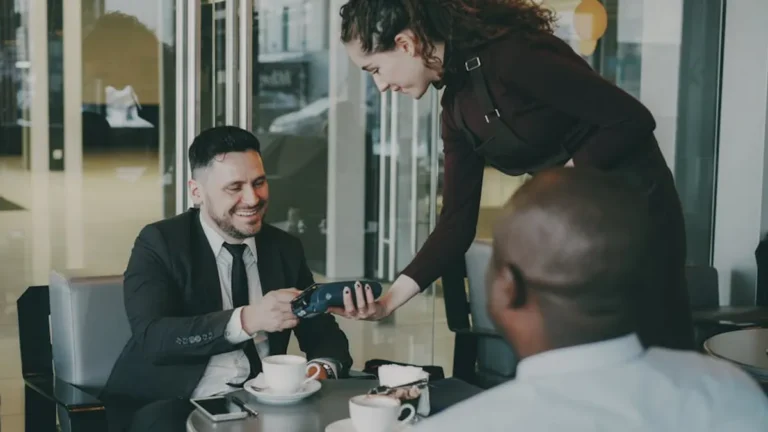
Managing money securely in Holguín involves understanding local currency, exchange rates, and payment methods. Cuba operates with two main currencies: the Cuban Peso (CUP) and occasionally the MLC (Moneda Libremente Convertible) for specific stores. US dollars are generally accepted but often at unfavorable exchange rates. ATMs can be unreliable, and credit/debit card acceptance is limited, especially for cards issued by US banks. Carry a mix of small denominations of local currency and some foreign currency (Euros or Canadian Dollars are often preferred over USD for exchange). Distribute your cash and cards in different secure locations to minimize loss from theft. Avoid flaunting large sums of cash.
Best For: All travelers, as financial security underpins the ability to manage other safety aspects effectively.
Pros: Reduces risk of theft; ensures access to funds when needed; helps navigate local payment systems efficiently.
Cons: Requires careful planning of cash amounts; ATM reliability is low; credit card acceptance is limited, especially for US-issued cards.
Verdict: Strategic money management, including carrying diversified funds and understanding local currency, is vital for smooth transactions and financial protection.
7. Personal Belongings Protection
Protecting your personal belongings in Holguín is about vigilance and common sense. Avoid carrying all valuables in one place; use a money belt or secure pouch for passports, large sums of cash, and essential cards. When out, keep bags closed and in front of you, especially in crowded areas like markets or bus terminals. Do not leave valuables unattended on beaches or in open vehicles. In your accommodation, utilize in-room safes or secure luggage. Consider using anti-theft bags or locks for backpacks. The goal is to make yourself a less attractive target for petty theft.
Best For: All travelers, particularly those carrying electronics, important documents, or significant amounts of cash.
Pros: Minimizes risk of theft; prevents loss of essential documents and valuables; allows for more relaxed exploration.
Cons: Requires constant vigilance; some anti-theft gear can be bulky; not all accommodations offer secure storage.
Verdict: Proactive measures like discreet storage and vigilance significantly reduce the likelihood of losing valuable personal items, enhancing overall travel security.
8. Effective Communication Strategies
Maintaining communication is a critical safety measure. While Wi-Fi access in Cuba is improving, it's often limited to specific hotspots (ETECSA parks or hotels) and requires purchasing scratch cards. Consider purchasing a local SIM card upon arrival if your phone is unlocked, or relying on Wi-Fi for messaging apps. Inform family or friends of your itinerary and check in regularly. In case of an emergency, knowing how to contact local authorities (police, fire, ambulance) and your country's embassy or consulate is paramount. Keep a written list of important phone numbers.
Best For: All travelers, ensuring connectivity for emergencies and staying in touch with loved ones.
Pros: Enables quick contact in emergencies; facilitates communication with family/friends; helps with navigation and information access.
Cons: Internet access can be slow and expensive; local SIM card setup can be complex; reliance on Wi-Fi hotspots limits constant connectivity.
Verdict: Establishing a reliable communication plan, whether through local SIMs or Wi-Fi, is essential for both convenience and emergency preparedness.
9. Emergency Contacts and Local Support
Having a clear list of emergency contacts is non-negotiable for safe travel in Holguín. This includes local emergency services (police, fire, ambulance), your country's embassy or consulate details, and your travel insurance provider's 24/7 assistance line. Keep these numbers easily accessible, both digitally and as a physical copy. Inform your accommodation host of your general plans, as they can be a valuable local resource in an emergency. Knowing who to call and how to articulate your situation can significantly impact response times and outcomes.
Best For: All travelers, providing immediate recourse in critical situations.
Pros: Ensures rapid response in emergencies; provides access to diplomatic assistance; offers peace of mind knowing help is available.
Cons: Requires proactive research and organization; language barriers might complicate communication with local services.
Verdict: A well-organized list of emergency contacts is a vital safety tool, offering a direct line to support when it's most needed.
10. Food and Water Safety Precautions
Food and water safety are paramount to avoiding common travel illnesses in Holguín. Drink only bottled water, ensuring the seal is unbroken, or water that has been boiled and filtered. Avoid tap water, even for brushing teeth. Be cautious with ice, unless you are certain it's made from purified water. When eating out, choose reputable restaurants or paladares (private restaurants) with high turnover, indicating fresh ingredients. Opt for cooked foods and peeled fruits. Be wary of street food unless it's freshly prepared and piping hot. Hand hygiene is also critical; carry hand sanitizer.
Best For: All travelers, preventing common gastrointestinal illnesses that can disrupt a trip.
Pros: Minimizes risk of foodborne and waterborne illnesses; ensures digestive comfort throughout the trip; encourages healthier eating habits.
Cons: May limit food choices; requires constant vigilance about water sources; can be challenging to adhere to strictly in all situations.
Verdict: Strict adherence to food and water safety guidelines is fundamental for maintaining health and enjoying Holguín without preventable sickness.
11. Navigating Public Spaces Wisely
While Holguín is generally considered safe, exercising caution in public spaces is always advisable. Be aware of your surroundings, especially in crowded areas like markets, bus stations, or tourist attractions, where pickpocketing can occur. Avoid walking alone at night in poorly lit or unfamiliar areas. If approached by touts or street vendors, a polite but firm "no, gracias" is usually sufficient. Trust your instincts; if a situation feels uncomfortable, remove yourself from it. Avoid drawing unnecessary attention to yourself by flaunting expensive items or large amounts of cash.
Best For: All travelers, especially those exploring independently or visiting bustling urban areas.
Pros: Reduces exposure to petty crime; enhances personal security; promotes a more relaxed and confident exploration of the city.
Cons: Requires constant vigilance; can sometimes make travelers overly cautious, potentially limiting spontaneous interactions.
Verdict: Maintaining situational awareness and practicing common-sense precautions in public spaces are effective deterrents against minor inconveniences and petty crime.
12. Responsible Nightlife Engagement
Holguín's nightlife offers a vibrant experience, but responsible engagement is crucial for safety. When going out, travel in groups if possible and ensure you have a reliable way to get back to your accommodation, such as a pre-arranged taxi. Drink alcohol in moderation and never leave your drinks unattended. Be wary of strangers offering drinks or inviting you to unfamiliar places. Be aware of local laws regarding alcohol consumption and public behavior. If you feel uncomfortable or threatened, leave the situation immediately. Prioritize your personal safety over social pressures.
Best For: Travelers planning to experience Holguín's evening entertainment and social scene.
Pros: Allows for safe enjoyment of local nightlife; minimizes risks associated with excessive alcohol consumption or untrustworthy individuals.
Cons: Requires self-discipline and vigilance; may limit spontaneous interactions with new acquaintances.
Verdict: Engaging with Holguín's nightlife responsibly, with a focus on moderation and secure transportation, ensures a fun and safe evening experience.
Implementing a Robust Safety Plan for Your Holguín Trip
Choosing the right safety approach for your Holguín trip involves integrating these individual recommendations into a cohesive plan. Start by assessing your personal risk tolerance and travel style. For instance, a solo backpacker might prioritize local SIM card access and detailed emergency contacts more heavily than a resort guest. A family with young children will focus intensely on health preparedness and secure accommodation. Measure the success of your safety planning by the absence of incidents and your overall peace of mind. This isn't about avoiding every potential issue, but about feeling equipped to handle challenges if they arise. Regularly check government travel advisories for Cuba, as conditions can change. The right provider, in this context, is any service or resource that reliably contributes to your safety, from a reputable travel insurance company to a well-regarded casa particular host. Prioritize clear communication with your travel companions and local contacts, ensuring everyone understands the safety protocols in place. Ultimately, a well-informed and prepared traveler is a safer traveler, capable of fully enjoying the unique beauty and culture of Holguín.
Frequently Asked Questions About Travel Safety in Holguín
Is Holguín generally safe for tourists?
Yes, Holguín is generally considered safe for tourists, with low rates of violent crime. Petty crime, such as pickpocketing, can occur in crowded tourist areas, so vigilance is always recommended.
What are the main health concerns for travelers in Holguín?
Common health concerns include gastrointestinal issues from contaminated food or water, mosquito-borne illnesses (like Dengue), and sun-related problems (sunburn, heatstroke). Adequate hydration and sun protection are essential.
Can I use my credit cards in Holguín?
Credit and debit card acceptance is limited in Holguín, especially for cards issued by US banks. It's advisable to carry sufficient cash in Euros or Canadian Dollars for exchange, along with a smaller amount of CUP for daily expenses.
Is it safe to walk alone at night in Holguín?
While central, well-lit areas are generally safe, it's best to avoid walking alone at night in dimly lit or unfamiliar neighborhoods. Use official taxis for late-night travel to and from your accommodation.
What should I do if I have an emergency in Holguín?
In an emergency, contact local authorities: Police (106), Fire (105), Ambulance (104). Also, immediately contact your travel insurance provider and your country's embassy or consulate for assistance.
Do I need travel insurance for Holguín?
Yes, comprehensive travel insurance is highly recommended and often a requirement for entry into Cuba. It should cover medical emergencies, including evacuation, and trip interruptions.
How can I protect my valuables from theft?
Keep valuables out of sight, use in-room safes, and carry essential documents and cash in a money belt or secure pouch. Avoid flaunting expensive items and be aware of your surroundings in crowded places.