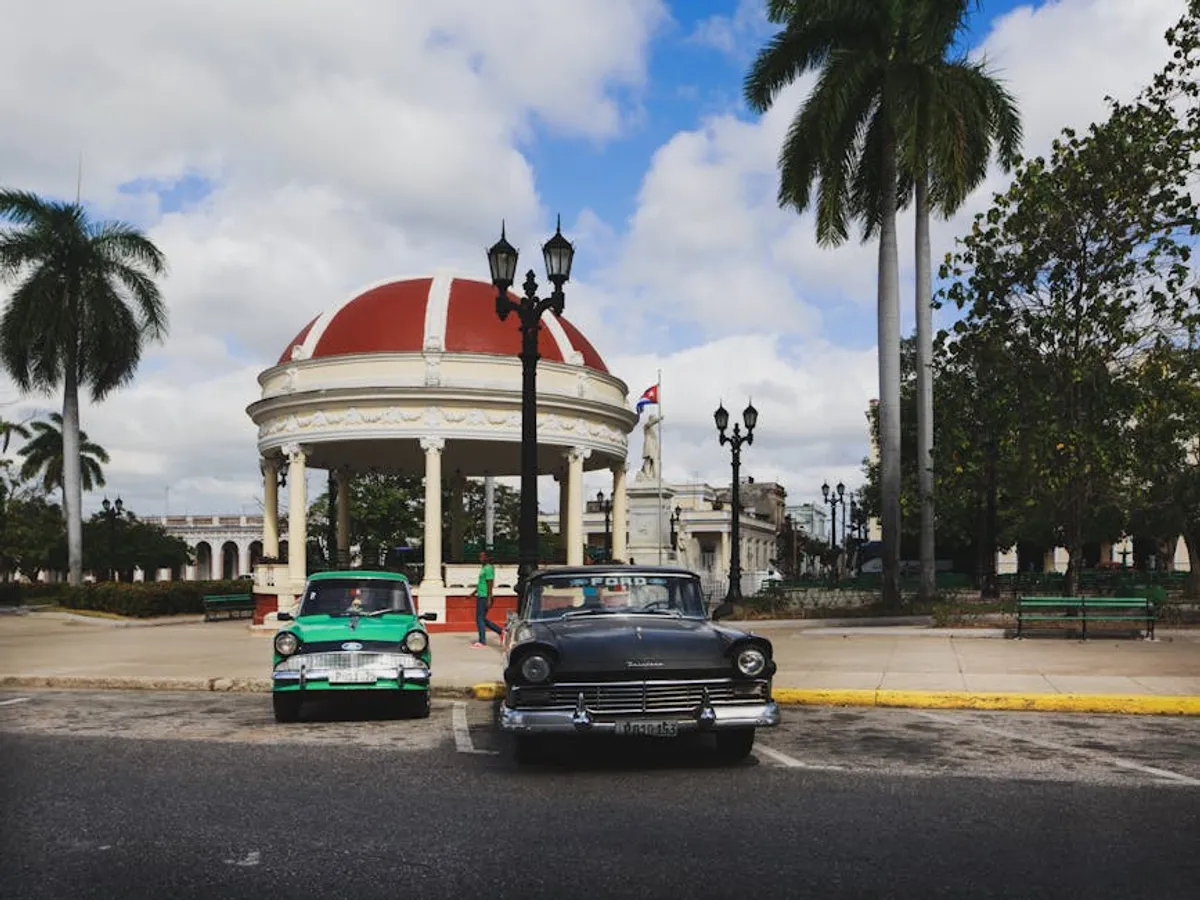
Cienfuegos, often referred to as the "Pearl of the South," presents a distinct cultural profile within Cuba, characterized by its French colonial heritage blended with vibrant Afro-Caribbean influences. For content creators, marketers, and publishers targeting audiences interested in authentic cultural immersion, Cienfuegos offers a rich tapestry of music, food, and daily life that differentiates it from other Cuban destinations. Its UNESCO World Heritage status, specifically for its well-preserved 19th-century urban planning, underscores a unique aesthetic and historical narrative that informs its contemporary culture. Understanding these specific cultural facets allows for the development of highly targeted and engaging content, appealing to niches interested in architectural history, specific musical genres, or regional culinary explorations.
Distinctive Rhythms: Son, Rumba, and Jazz Influences
Cienfuegos' musical landscape is deeply rooted in traditional Cuban genres, yet it carries a subtle distinction attributed to its unique historical development. The city is a significant hub for Son Cubano, the foundational genre for salsa, often heard in local casa de la trova settings and public squares. What sets Cienfuegos apart is the pronounced influence of French operatic and classical music from its early settlers, which subtly permeated local compositions and performance styles, creating a more refined, melodic undertone in some traditional pieces compared to the more raw, African-derived rhythms found elsewhere on the island.
Beyond Son, Rumba, particularly its guaguancó and yambú forms, is a vital part of the city's cultural fabric. These percussion-driven styles are not merely performances but community expressions, often emerging spontaneously in neighborhood gatherings. Jazz also holds a notable presence, particularly in more contemporary venues, reflecting the city's cosmopolitan history and its enduring connection to maritime trade routes that brought diverse influences. Content focused on Cienfuegos music can explore:
- The specific melodic structures that distinguish Cienfuegos Son.
- The role of percussion ensembles in local Rumba traditions.
- Venues like the Terry Theater, which hosts both classical and contemporary Cuban music.
- The annual Benny Moré Festival of Popular Music, celebrating the iconic musician from nearby Santa Isabel de las Lajas, and its impact on the Cienfuegos music scene.
Culinary Traditions: Seafood and French-Cuban Fusion
The culinary identity of Cienfuegos is heavily shaped by its coastal location on Jagua Bay and its French colonial past. Fresh seafood is a cornerstone of the local diet, with dishes often featuring snapper, lobster, shrimp, and various shellfish prepared simply or with sophisticated sauces. The French influence manifests in a more nuanced approach to seasoning and presentation than typically found in other parts of Cuba, often incorporating butter, wine, and herbs in preparations.
Key Cienfuegos dishes and ingredients to highlight include:
- Pescado a la Cienfueguera: A regional fish preparation, often baked or pan-fried with local spices, citrus, and sometimes a light tomato or wine-based sauce.
- Caldo de Mariscos: A robust seafood broth, rich with local catch and vegetables, reflecting the abundance of the bay.
- Congrí Cienfueguero: While congri (rice and beans) is ubiquitous in Cuba, the Cienfuegos version often features a distinct blend of spices and can sometimes incorporate small pieces of ham or bacon for added depth.
- Tropical Fruits: The fertile land surrounding Cienfuegos provides an abundance of mangoes, guavas, papayas, and mamey, which are integral to desserts, juices, and even savory dishes.
Best for: Food tourism content, culinary history explorations, or niche travel guides focusing on regional Cuban cuisine.
Daily Rhythms and Community Engagement
Life in Cienfuegos unfolds at a pace distinct from Havana's bustle or Trinidad's colonial intensity. The city's wide boulevards, particularly the Paseo del Prado, serve as central arteries for daily life and social interaction. This pedestrian promenade, lined with trees and benches, is where locals gather, children play, and impromptu conversations occur. The architecture, with its neoclassical facades and grand civic buildings, directly influences the city's relaxed yet elegant atmosphere.
Engagement with local life often centers around:
- The Malecón: A waterfront promenade offering views of Jagua Bay, a popular spot for evening strolls, fishing, and socialising.
- Parque José Martí: The central square, surrounded by key historical buildings, acts as a community hub for events, relaxation, and observation of daily routines.
- Local Markets: Small markets and street vendors offer insights into local commerce and the availability of fresh produce and goods.
- Paladares and Cafeterias: Family-run restaurants and casual eateries provide authentic interactions and a taste of home-style cooking.
The city's emphasis on family and community is palpable, offering a more intimate cultural experience for visitors seeking genuine connection rather than purely tourist-driven activities.
Pro Tip: When documenting Cienfuegos' local life, prioritize observation and respectful interaction. Many daily activities, from domino games in the park to impromptu musical sessions, are organic. Asking for permission before photographing individuals, especially children, is crucial for building trust and ensuring ethical content creation.
Crafting Content for Cienfuegos' Cultural Appeal
For publishers and marketers, Cienfuegos offers a compelling narrative for audiences seeking depth beyond typical tourist itineraries. Its unique blend of French-inspired urbanism and vibrant Afro-Cuban traditions provides distinct angles for content development. Whether focusing on the architectural symmetry that frames its musical performances, the nuanced flavors of its seafood dishes, or the unhurried rhythm of its daily life, Cienfuegos provides rich, specific material.
Content strategies could include:
- Detailed guides on specific music venues and their historical significance.
- Culinary tours focusing on the French-Cuban fusion elements.
- Photo essays capturing the city's unique architectural heritage and its role in daily life.
- Interviews with local musicians, chefs, or historians to provide authentic perspectives.
By highlighting these unique characteristics, content can effectively target niche audiences interested in cultural tourism, historical preservation, and authentic travel experiences, distinguishing Cienfuegos as a prime subject for engaging and informative narratives.
Frequently Asked Questions About Cienfuegos Culture
What makes Cienfuegos' music distinct from other Cuban cities?
Cienfuegos' music often features a subtle French melodic influence due to its colonial history, blending with traditional Son and Rumba rhythms to create a unique regional sound. The city also celebrates its connection to iconic figures like Benny Moré.
Are there specific dishes unique to Cienfuegos?
Yes, Cienfuegos cuisine is renowned for its fresh seafood preparations, such as Pescado a la Cienfueguera and Caldo de Mariscos. The French heritage also influences a more refined approach to seasoning and presentation compared to other Cuban regions.
How can one best experience local life in Cienfuegos?
Engaging with local life is best done by spending time in public spaces like the Paseo del Prado, Parque José Martí, and the Malecón. Visiting local markets, dining at paladares, and observing daily routines offer authentic insights into the city's unhurried pace and community focus.
What is the best time to visit Cienfuegos for cultural events?
While cultural activities occur year-round, visiting during the Benny Moré Festival of Popular Music (typically in September) offers a concentrated experience of the region's musical heritage. Otherwise, the cooler, drier months from November to April are generally pleasant for exploring.